Vera Intan Clara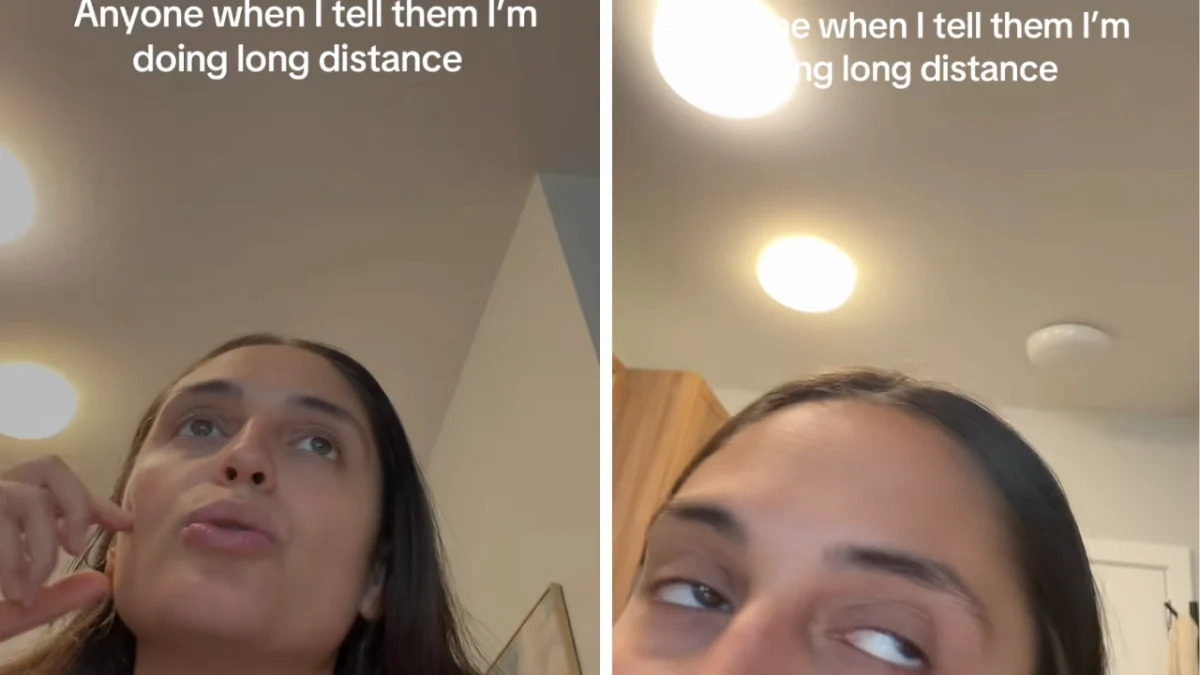
A recent viral TikTok video by user @mariahgrippo, known as Mariah, has ignited a widespread discussion across social media platforms regarding the persistent and often intrusive questions long-distance relationship (LDR) couples frequently face. The video, a satirical portrayal of common inquiries, has garnered over 433,000 views and 600 comments, resonating deeply with individuals navigating geographically separated romantic partnerships and highlighting a broader societal misunderstanding of these relationships.
The Catalyst: Mariah’s Viral Parody
Mariah’s video directly addresses the incessant questioning surrounding the future and logistics of her LDR. In her parody, she mimics the repetitive and often presumptive queries from friends, family, and even casual acquaintances. The central theme revolves around the inevitable "next step" – specifically, cohabitation and relocation. "When are you guys gonna move together? Are you gonna move, or is he gonna move? Are you guys, like, when are you planning on moving? Like, soon? Have you guys talked about moving at all? Like, is that something you guys, like, discuss? Are you guys gonna live together soon? That won’t last long. No. One of you is gonna have to move," she recites, encapsulating the common refrain LDR couples encounter. This string of questions, delivered with a mix of concern and underlying skepticism, underscores a prevailing societal narrative that views LDRs as temporary states, always progressing towards geographical proximity or inevitably failing.
The video’s immediate virality points to a significant, yet often unacknowledged, shared experience among a substantial segment of the population. While seemingly innocuous, these questions can place undue pressure on couples, forcing them to justify their relationship choices and timelines to external parties. The parody, through its humor, effectively brings to light the emotional labor involved in constantly defending and explaining a relationship model that deviates from traditional norms.
A Chorus of Shared Experiences: The Comment Section Unveils Deeper Concerns
The comments section of Mariah’s video quickly transformed into a forum for LDR couples to share their own anecdotes, revealing that Mariah’s experience is far from isolated. The feedback coalesced around two primary categories of intrusive questions: those pertaining to the future logistics of the relationship (cohabitation, relocation, marriage) and, more disturbingly, those questioning the fidelity and authenticity of the partnership itself.
Many commenters echoed the frustration over the relentless "when will you move in?" and "what’s the next step?" inquiries. One user succinctly captured the sentiment, writing, "This is sooo true!!! Everytimeeeeeeee like MIND YOUR BUSINESS!!!!!" Another commenter articulated the boundary-pushing nature of these questions, stating, "My face when they ask: ‘What’s the next step for y’all?’ … none of ur business." These reactions highlight a collective desire among LDR couples for their relationship journey to be respected as their own, free from external timelines and pressures.
Beyond logistical concerns, a more insidious line of questioning emerged: doubts about trust and fidelity. Several users reported being asked, "I could never do that… how do you know he’s not cheating?" or "How do you trust them? Or how do you know they’re not cheating?" The irony was not lost on some commenters, with one adding, "Meanwhile their man is cheating LOCALLY." Another pointed out the flawed logic: "Like I have been cheated on dating in the same city atp it doesn’t even matter." These comments underscore a deeply ingrained misconception that geographical distance inherently makes a relationship more susceptible to infidelity, overlooking the fundamental role of trust and commitment regardless of proximity. This line of questioning often implies a lack of seriousness or authenticity in LDRs, forcing couples to defend the very foundation of their bond.
The Evolving Landscape of Relationships: Background and Context
Long-distance relationships are not a new phenomenon, but their prevalence and societal perception have evolved significantly, particularly in the modern era. Historically, LDRs were often necessitated by circumstances such as military service, migration for work, or educational pursuits, often viewed as temporary separations leading to eventual reunification. However, the 21st century has seen a democratization and normalization of LDRs, driven by several interconnected factors.
Timeline of LDR Evolution:
- Pre-Digital Era (Before 1990s): LDRs were challenging due to limited communication (letters, expensive long-distance calls). Trust was paramount, and the logistical hurdles were substantial. They were often seen as unavoidable hardships.
- Early Internet Era (1990s-Early 2000s): Email and instant messaging (e.g., AOL Instant Messenger, MSN Messenger) made communication cheaper and more frequent, but still lacked immediacy and visual cues.
- Broadband and Social Media Era (Mid-2000s-2010s): The advent of broadband internet, social media platforms (Facebook, MySpace), and early video calling (Skype) revolutionized LDRs, allowing for richer, real-time interaction. Online dating also began to foster relationships across distances.
- Smartphone and High-Speed Mobile Data Era (2010s-Present): Smartphones, high-speed mobile internet, and sophisticated video call applications (FaceTime, Zoom, WhatsApp Video) have made constant, high-quality communication accessible and affordable. This era has also seen a significant increase in the acceptance and viability of LDRs as a sustainable relationship model.
Today, LDRs are increasingly chosen for reasons beyond necessity, including career opportunities, academic pursuits, personal independence, or simply finding a compatible partner who happens to live far away. The rise of globalization and remote work further contributes to this trend, allowing individuals to maintain relationships while pursuing disparate life paths.
Supporting Data: The Reality of Long-Distance Relationships
Contrary to popular belief, statistical data suggests that LDRs are a common and often successful form of partnership.
- Prevalence: Research from organizations like the Center for the Study of Long-Distance Relationships indicates that approximately 14 to 15 million people in the United States alone consider themselves to be in a long-distance relationship. This figure represents roughly 10% of all married couples and a higher percentage of unmarried committed couples. Some studies suggest that up to 75% of college students have been in an LDR at some point.
- Success Rates: A common misconception is that LDRs have a lower success rate. However, studies, including one by Dr. Laura Stafford at the University of Ohio, suggest that the satisfaction levels and stability of LDRs are comparable to, or in some cases even higher than, geographically close relationships. Factors like stronger communication skills, greater independence, and higher commitment levels often compensate for the lack of physical proximity.
- Reasons for LDRs: The primary reasons for couples entering or maintaining LDRs include educational pursuits (30%), career opportunities (25%), military deployment (15%), and migration (10%). Modern dating apps and globalized social networks also contribute to people forming relationships with individuals from different cities or countries.
- Technology’s Role: Over 90% of LDR couples report using video calls as a primary communication tool, alongside text messaging (95%) and phone calls (80%). This constant connectivity helps bridge the physical gap and maintain emotional intimacy.
These statistics paint a picture of LDRs not as anomalies, but as a legitimate and often robust form of relationship, challenging the outdated assumptions that fuel the intrusive questions highlighted by Mariah’s video.
Psychological and Sociological Implications: Navigating External Pressures
The persistent questioning Mariah and her commenters describe speaks to deeper psychological and sociological dynamics. Societally, there is often a prescribed "relationship escalator" – a linear progression from dating to cohabitation, engagement, marriage, and family. Any deviation from this path, particularly for LDRs, can be met with skepticism and judgment.
From a psychological standpoint, constant external validation or skepticism can impact a couple’s internal dynamics. Relationship experts and therapists often advise couples to define their relationship on their own terms, independent of societal expectations. Dr. Jane Greer, a marriage and family therapist, often emphasizes the importance of a couple’s internal agreement and shared vision for their future, rather than succumbing to external pressures. The need to constantly justify their choices can lead to stress, resentment, and even doubt within the relationship.
Moreover, the questions about fidelity reflect a fundamental misunderstanding of trust. Trust is built on communication, consistency, and shared values, not solely on physical proximity. As some commenters pointed out, infidelity can occur in any relationship, regardless of geographical distance. The implication that LDRs are inherently less trustworthy is a damaging stereotype that overlooks the deep bonds and commitment many LDR couples cultivate.
The "Next Step" Pressure: A Broader Societal Phenomenon
The fixation on "the next step" extends beyond LDRs but is amplified in their context. For LDR couples, this often translates into pressure to close the distance, relocate, or get married. This pressure can stem from well-meaning but misguided friends and family who believe they are offering helpful advice, or from a broader cultural narrative that equates relationship "success" with a rapid progression through traditional milestones.
The implications of this pressure are significant:
- Undermining Autonomy: It can make couples feel as though their relationship is incomplete or illegitimate until they conform to external expectations.
- Premature Decisions: It might push couples to make major life decisions, such as relocation, before they are genuinely ready, potentially leading to resentment or relationship strain.
- Focus on External Validation: It shifts the focus from the couple’s internal happiness and goals to seeking approval from others.
Relationship coaches and counselors often guide LDR couples to establish their own timeline and communicate openly about their future plans, ensuring these decisions are driven by their mutual desires rather than external coercion.
The Role of Social Media in Validating LDR Experiences
Mariah’s TikTok video serves as a powerful example of how social media platforms have become vital spaces for communities that defy mainstream norms. TikTok, with its short-form, relatable content, allows individuals to quickly find solidarity and validation for experiences that might otherwise feel isolating. For LDR couples, a platform like TikTok offers:
- Validation: Seeing thousands of others share similar frustrations provides immense comfort and affirmation that their experiences are normal and widely shared.
- Community Building: It fosters a sense of community among individuals facing similar challenges, allowing them to exchange advice, support, and humor.
- Challenging Narratives: It democratizes the narrative, allowing everyday people to challenge outdated societal expectations and stereotypes about relationships.
By providing a public forum for these shared grievances, Mariah’s video not only entertains but also contributes to a broader cultural shift towards greater understanding and acceptance of diverse relationship structures.
Conclusion: A Call for Empathy and Respect
Mariah’s viral TikTok video has done more than just elicit laughs; it has opened a window into the nuanced realities of long-distance relationships and the often-unspoken pressures their participants endure. The overwhelming response in the comments section underscores a collective yearning among LDR couples for their choices to be respected, their trust to be acknowledged, and their timelines to be their own.
As relationships continue to evolve in an increasingly interconnected world, the traditional blueprints for romance are being re-examined. Long-distance relationships, once viewed with skepticism, are proving to be viable and fulfilling partnerships, supported by technological advancements and a growing acceptance of diverse lifestyles. The discussion sparked by Mariah’s video serves as a timely reminder for society to approach LDR couples with empathy, curiosity, and, most importantly, respect for their unique journeys, allowing them the space to define their "next steps" on their own terms.
The Daily Dot was unable to independently verify the details of Mariah’s long-distance relationship. The account of the questions she receives is based solely on @mariahgrippo’s video and the experiences shared by commenters.