Sonny Valindra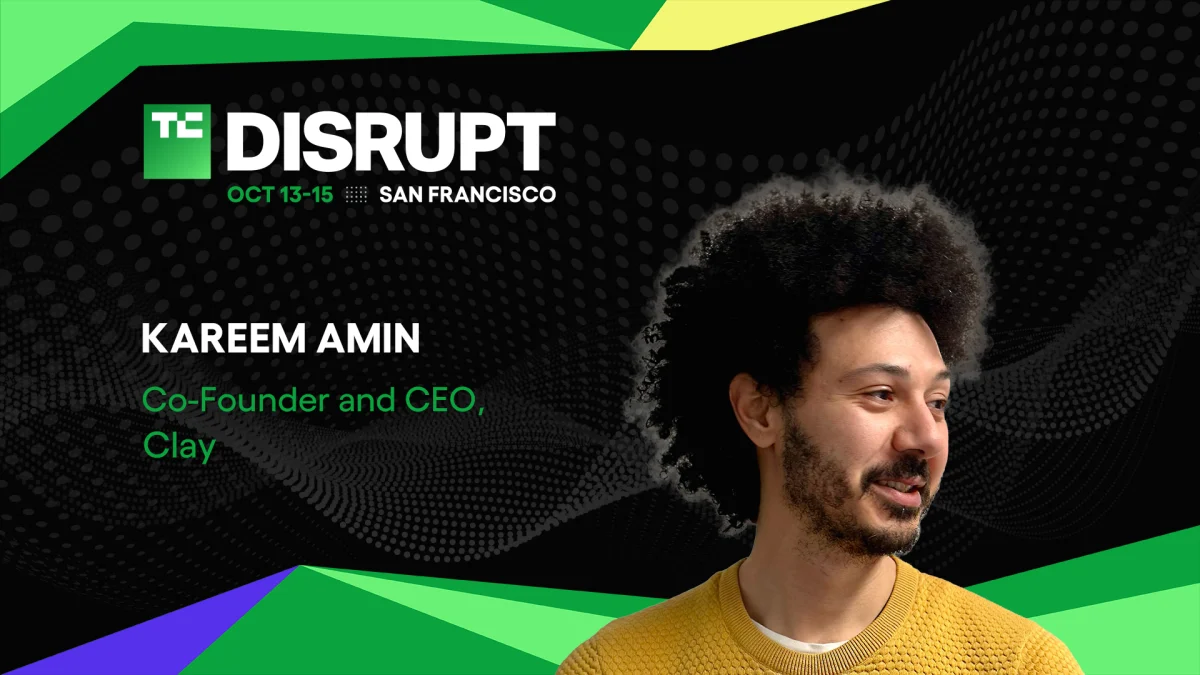
The rapid integration of artificial intelligence into business operations has fundamentally reshaped the technology landscape, ushering in novel roles and redefining existing ones. Two years ago, the concept of a "GTM engineer" was virtually unknown. Today, this specialized profession is emerging across the tech sector, driven by the transformative power of AI and automation. These practitioners are building sophisticated revenue systems that, until recently, required a complex interplay of multiple individuals, diverse tools, and extensive manual processes. This evolution prompts a critical examination of what has changed and its profound implications for how companies identify, engage, and retain customers, ultimately driving growth in an increasingly AI-centric world.
At the forthcoming TechCrunch Disrupt 2026, a pivotal event in the technology calendar, Kareem Amin, co-founder and CEO of Clay, will delve into this burgeoning field. Scheduled to speak on the AI Stage, Amin’s session, titled "The GTM Engineer: How AI Created Tech’s Next Big Job Category," will offer a comprehensive overview of this paradigm shift. He intends to trace the trajectory of AI’s influence on the traditional go-to-market (GTM) stack and delineate the emergence of this new discipline. Attendees will gain insights into the practical application of AI-native GTM strategies and understand how they are actively reshaping company growth trajectories.
TechCrunch Disrupt, held annually, serves as a premier platform for emerging technologies, startups, and industry leaders to converge, share innovations, and discuss the future of technology. Scheduled for October 13-15 at Moscone West in San Francisco, the 2026 edition is expected to draw over 10,000 founders, investors, operators, and tech leaders. With more than 250 speakers across six industry stages, roundtables, and breakouts, the event offers a dense agenda focused on the most pressing trends and opportunities in the tech ecosystem. Amin’s session is positioned as a key discussion within this context, addressing a critical evolution in how businesses operate.
The Genesis and Scope of GTM Engineering
The traditional go-to-market workflow has historically been a laborious process. It often involved significant manual effort in researching potential clients, meticulously cleaning and organizing vast datasets, qualifying leads through repetitive tasks, crafting personalized outreach messages, and ensuring seamless data flow between disparate software systems. The advent of AI and advanced automation tools has begun to streamline these functions, consolidating capabilities that once demanded considerable human capital and a complex technological infrastructure.
GTM engineering, as a concept, represents the strategic application of these AI-driven technologies to build robust, repeatable systems for revenue generation. Instead of focusing on executing individual GTM tasks manually, GTM engineers are tasked with designing, implementing, and optimizing the automated workflows that underpin sales, marketing, and customer success efforts. Clay, a company at the forefront of this movement, formally coined the term "GTM engineer" in 2023. Their comprehensive guide on the subject defines these professionals as architects of automated revenue systems, emphasizing their role in building infrastructure rather than performing discrete operational tasks. The growing demand for this expertise is evident; Clay reports that approximately 100 GTM engineering job listings appear each month, with notable companies like Cursor, Lovable, and Webflow actively seeking talent in this area.
This emergence of GTM engineering presents a strategic inflection point for founders and GTM leaders. It challenges conventional approaches to growth, prompting a crucial decision: should companies invest in hiring more personnel to execute existing processes, or should they prioritize building intelligent systems that empower their current workforce to operate with greater efficiency and effectiveness? Amin’s session at Disrupt aims to provide a framework for understanding this shift and its practical implications.
Clay’s Role in Pioneering AI-Native GTM
Clay’s journey began in Brooklyn in 2017 with a foundational mission: to democratize access to programming capabilities. Their initial product, a spreadsheet-like interface, enabled users to connect information and automate tasks without requiring traditional coding expertise. As sales professionals, growth teams, and various agencies adopted the platform to enhance their customer acquisition and engagement strategies, Clay naturally evolved to focus more intensely on the go-to-market domain.
Today, Clay provides a comprehensive infrastructure designed to empower GTM teams. This includes facilitating access to critical data, enabling sophisticated agentic workflows, and supporting the launch of targeted campaigns. A key component of their offering is Claygent, an AI-powered agent designed to automate research and outreach processes for sales, marketing, and recruiting teams. This technological advancement directly addresses the core challenges that GTM engineers are now being hired to solve.
The company’s rapid growth underscores the market’s receptiveness to its innovative approach. In February 2026, TechCrunch reported that Clay had achieved a remarkable threefold increase in its annual recurring revenue, reaching $100 million within a single year. This impressive financial performance was accompanied by the announcement of an employee tender offer that valued the company at $5 billion. Since that report, Clay’s momentum has continued, culminating in a $115 million Series D funding round in September 2026, which propelled its valuation to $7.1 billion. This sustained growth trajectory indicates a strong market demand for solutions that enhance GTM efficiency through AI.
Beyond its commercial success, Clay is making a direct investment in the development of the GTM engineering talent pool. In September 2026, the company launched a $1 million scholarship fund dedicated to training aspiring GTM engineers. This initiative reflects a commitment to fostering the growth of this new professional category, recognizing its critical role in the future of revenue operations.
The Evolution of Go-to-Market Strategies
The traditional GTM stack, often characterized by a collection of siloed tools for CRM, marketing automation, sales engagement, and data enrichment, has historically led to inefficiencies and data fragmentation. Each tool typically performed a specific function, requiring manual data transfers and complex integrations to create a cohesive view of the customer journey. This fragmented approach often necessitated dedicated teams or individuals to manage each component, leading to increased operational costs and slower response times.
AI’s integration has begun to dismantle these silos. AI-powered platforms can now perform tasks such as predictive lead scoring, intelligent content personalization, automated follow-ups, and real-time data enrichment, all within a more unified framework. This convergence of capabilities means that a single AI-native GTM system can potentially replace the functionalities of multiple legacy tools.

For example, AI can analyze vast datasets to identify high-potential prospects with unprecedented accuracy. It can then automate the personalization of outreach messages, tailoring them to individual prospect needs and interests based on publicly available information and behavioral data. Furthermore, AI can manage the entire follow-up sequence, intelligently scheduling communications and adapting the messaging based on prospect engagement. This level of automation not only accelerates the sales cycle but also frees up human sales representatives to focus on higher-value activities, such as strategic relationship building and complex deal negotiation.
The implications for company growth are substantial. By optimizing the efficiency of the GTM engine, companies can achieve higher conversion rates, reduce customer acquisition costs, and improve customer retention. This shift from a tool-centric to a system-centric approach is what GTM engineers are instrumental in building. They are the architects who design and implement these intelligent, automated workflows, ensuring that AI is leveraged not just for individual tasks but for the holistic optimization of the entire revenue generation process.
Kareem Amin’s Vision for the Future
Kareem Amin’s background provides him with a unique perspective on this evolving landscape. As a co-founder and CEO of Clay, he has been at the forefront of developing tools that empower non-technical users with powerful capabilities. His previous roles, including VP of Product at The Wall Street Journal and co-founder of the acquired collaboration startup Frame, have given him deep insights into product development, user experience, and the challenges of scaling technology businesses.
Amin’s initial vision for Clay was rooted in the idea of making programming accessible to a broader audience. The subsequent advancements in AI have provided a powerful new avenue for realizing this vision within the GTM context. AI enables the creation of sophisticated systems that automate complex GTM workflows—including research, data enrichment, and personalized outreach—without requiring every team to rely on traditional engineering resources for every custom workflow.
His upcoming presentation at TechCrunch Disrupt 2026 is therefore highly anticipated. Amin is expected to articulate a clear vision for what an "AI-native GTM" looks like in practice. This includes detailing how companies can leverage AI to gain a competitive edge, enhance customer engagement, and drive sustainable revenue growth. He will likely share case studies and practical examples of how GTM engineers are building these new systems, offering attendees a tangible understanding of the role’s impact.
The broader context of TechCrunch Disrupt 2026 is also significant. The event serves as a barometer for industry trends, and the prominence of AI-focused sessions like Amin’s highlights its central role in shaping the future of technology. The conference’s emphasis on networking and dealmaking further enhances the value proposition for attendees, providing opportunities to connect with potential investors, partners, and customers who are also navigating these transformative changes.
Broader Implications for the Tech Industry
The rise of the GTM engineer signifies a broader trend in the tech industry: the increasing convergence of technical expertise with business functions. As AI democratizes advanced capabilities, the demand for professionals who can bridge the gap between cutting-edge technology and practical business application is growing. GTM engineers are at the vanguard of this movement, demonstrating how AI can be strategically deployed to optimize core business processes and unlock new avenues for growth.
The implications extend beyond individual job roles. Companies that embrace AI-native GTM strategies are likely to gain a significant competitive advantage. They can operate more efficiently, respond more agilely to market changes, and deliver more personalized customer experiences. This, in turn, can lead to increased market share, improved profitability, and enhanced brand loyalty.
The shift also has implications for the venture capital landscape. Investors are increasingly looking for companies that are leveraging AI to create defensible moats and achieve scalable growth. The emergence of specialized roles like GTM engineers, and the platforms that support them, represents a fertile ground for innovation and investment. Clay’s substantial funding rounds and high valuation are a testament to this trend.
Furthermore, the development of GTM engineering as a distinct discipline raises questions about the future of traditional sales and marketing roles. While these roles will undoubtedly continue to exist, their responsibilities may evolve. Professionals in these fields may need to acquire new skills related to AI tools, data analysis, and system optimization to remain relevant and effective. The GTM engineer acts as a catalyst for this evolution, pushing the boundaries of what is possible in revenue generation.
As the tech industry continues its rapid evolution, the emergence of the GTM engineer is a clear indicator of how AI is not just a tool, but a fundamental enabler of new operational paradigms. Understanding this role and its implications is crucial for any organization seeking to thrive in the coming years. The discussions at TechCrunch Disrupt 2026, particularly Kareem Amin’s session, will provide invaluable insights into this dynamic and transformative field.
For those looking to stay ahead of the curve and understand the practical application of AI in driving business growth, securing a pass to TechCrunch Disrupt 2026 is an essential step. The event offers a unique opportunity to learn from industry pioneers, engage with groundbreaking technologies, and network with a community of innovators who are shaping the future of the tech industry. The promotional offers for multiple passes further encourage team-based learning and strategic planning, enabling companies to equip themselves with the knowledge needed to navigate the AI-driven future of go-to-market strategies.