
 George Chandra Eka
The notion that a capable smartphone must command a premium price tag is increasingly outdated. In today’s dynamic mobile landscape, consumers can acquire brand-new Android devices for $300 or less that effectively meet the daily demands of the average user, provided they understand which features are genuinely non-negotiable and where prudent concessions can be made. The key lies in distinguishing between superficial luxuries, like a titanium frame which is often covered by a protective case anyway, and fundamental specifications that dictate a phone’s performance, longevity, and overall user experience. Sacrificing essential elements such as sufficient RAM, reliable battery life, competent cameras, a responsive processor, or an appropriately sized and vibrant screen invariably leads to buyer’s remorse, regardless of the initial cost savings.
While certain feature priorities can be subjective—a casual content creator, for instance, might demand above-average cameras, whereas someone seeking a secondary device for basic communication may tolerate more modest optics—there exists a baseline of specifications that any budget-conscious buyer should prioritize. This threshold ensures that even an affordable Android phone remains a functional and satisfying tool, capable of handling typical daily tasks without frustrating lag or premature obsolescence. The evolution of the budget smartphone segment over the past decade has transformed what was once a realm of severe compromise into a highly competitive arena where manufacturers strive to offer compelling value. Early "cheap" Android phones were often characterized by sluggish performance, abysmal cameras, and short update lifecycles, leading to a perception that affordability inherently meant a subpar experience. However, advancements in component manufacturing, economies of scale, and intense market competition, particularly from Asian manufacturers, have driven down costs while simultaneously elevating the quality and feature sets available in the sub-$300 category. This shift has democratized access to increasingly sophisticated mobile technology, making high-quality smartphone experiences accessible to a broader global audience.
The Foundational Pillars: Screen and Performance Minimums
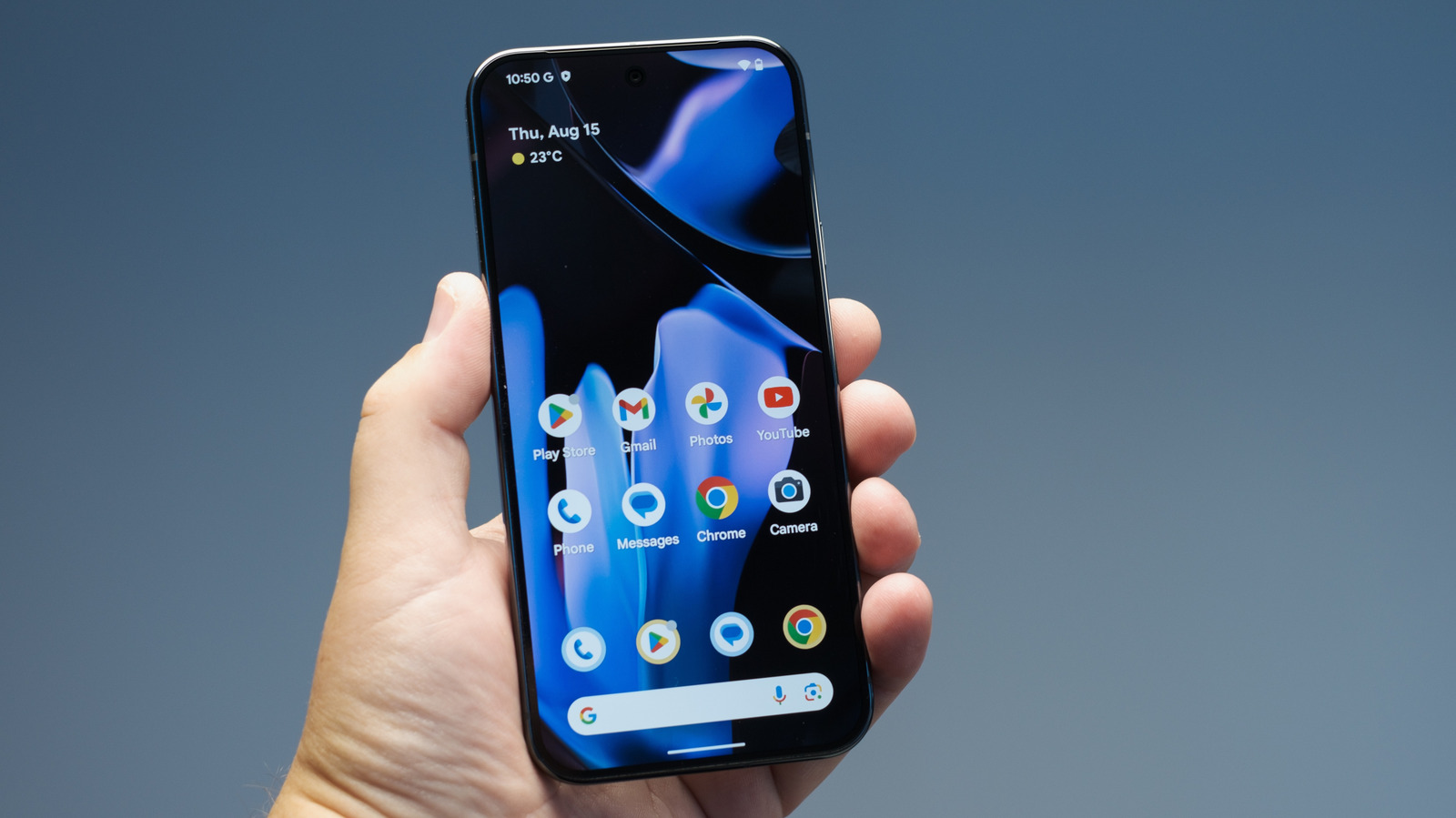
The screen is the primary interface through which users interact with their device, and its quality profoundly impacts the overall experience. While the original iPhone’s 4.5-inch display was revolutionary in its era, contemporary usage patterns—ranging from extensive web browsing and social media consumption to video streaming and mobile gaming—necessitate a significantly larger canvas. A minimum screen size of 5.6 inches is now considered essential, though most modern budget smartphones comfortably exceed this, often offering displays of 6.1 inches or larger. This size facilitates comfortable two-handed typing, immersive media consumption, and clear visibility of content without constant squinting. Beyond mere size, the display technology itself is crucial. An AMOLED panel, now increasingly common even in budget offerings, provides superior contrast, deeper blacks, and more vibrant colors compared to traditional LCDs. Paired with at least HD+ resolution (typically 720p or 1600×720 pixels, though Full HD+ or 1080p is increasingly prevalent and preferable), this ensures crisp visuals. Furthermore, a decent peak brightness of at least 1,000 nits is vital for outdoor legibility, allowing the screen to remain viewable even under direct sunlight, a common pitfall of older or extremely low-cost devices. While flagship phones boast higher refresh rates (90Hz, 120Hz, or even 144Hz), a standard 60Hz refresh rate is perfectly acceptable for budget devices, provided the panel quality and resolution are up to par. Some budget models are even beginning to incorporate 90Hz panels, offering a smoother scrolling experience without significantly impacting cost.
Memory, or RAM (Random Access Memory), is another critical determinant of a phone’s responsiveness and multitasking capabilities. The Android operating system itself, along with contemporary applications, demands a certain baseline of RAM to operate smoothly. Less than 6GB of RAM in a new Android phone is a significant red flag. With 6GB of RAM, users can expect consistent performance during multitasking, seamless transitions between applications, fluid video streaming, and competent casual gaming. Devices with less RAM are prone to frequent app reloads, noticeable lag, and a generally sluggish user experience that quickly undermines any initial cost savings. For users who frequently engage in more demanding activities, such as graphically intensive mobile gaming or running multiple productivity apps simultaneously, stepping up to 8GB of RAM provides an even greater buffer against performance bottlenecks. Industry analysts often highlight that 6GB of RAM has become the sweet spot for entry-level smartphones to deliver a satisfactory user experience, with manufacturers like Samsung and Xiaomi leading the charge in integrating this standard into their more affordable lines.
Internal storage is equally important, particularly given the declining prevalence of expandable microSD card slots in many newer models. While 64GB of storage might have been acceptable a few years ago, the ever-growing size of operating systems, applications, high-resolution photos, and 4K video recordings makes 128GB the absolute minimum for internal storage. Opting for 256GB provides considerably more peace of mind, significantly delaying the inevitable "storage full" notification that forces users to constantly manage files, delete precious memories, or subscribe to cloud storage services. This becomes particularly relevant as streaming services allow for offline downloads, and games continue to grow in size.
The phone’s processor, often referred to as its System-on-a-Chip (SoC), is the brain of the device and dictates its overall speed and efficiency. While the cutting-edge performance of flagship processors like Qualcomm’s Snapdragon 8 series or MediaTek’s Dimensity 9000 series is unnecessary for a budget phone, avoiding excessively slow or outdated chips is paramount. Buyers should research the processor’s age and consult reviews for its real-world performance. Processors from Qualcomm’s Snapdragon 600 or 700 series (e.g., Snapdragon 695, 778G) or MediaTek’s Dimensity series (e.g., Dimensity 6000 or 7000 series equivalents) generally offer a commendable balance of performance and power efficiency for budget devices. These chips are capable of handling everyday tasks, streaming high-definition content, and even light to moderate gaming without significant stuttering. A truly sluggish processor can turn simple actions into frustrating waits, rendering even the most affordable device a poor value proposition. The implications for gaming, in particular, are profound; a robust processor is not just a luxury but a vital component for a smooth and enjoyable mobile gaming experience on an Android phone, enabling higher frame rates and faster load times.
Enduring Power and Capturing Moments: Battery and Camera Priorities
Beyond the core performance, a smartphone’s utility is heavily reliant on its battery life and camera capabilities. A phone that dies before the end of a typical day, or captures blurry, washed-out images, fundamentally fails to meet modern expectations. For battery capacity, a minimum of 4,500mAh is generally considered sufficient, especially if the device isn’t burdened by heavy AI processing or an exceptionally high refresh rate display. However, a 5,000mAh battery has become the preferred starting point for many manufacturers in the budget segment, providing robust all-day endurance even with moderate to heavy usage, including extended periods of web browsing, social media scrolling, and multimedia consumption. This capacity often translates into more than a full day of use for many users, alleviating battery anxiety. Furthermore, while ultra-fast charging speeds (100W+) are typically reserved for premium devices, budget phones should ideally support at least 18W or 25W fast charging via USB-C, significantly reducing the time required to top up the battery.
Camera performance, once a major differentiator between budget and flagship phones, has seen remarkable improvements in the affordable segment. While budget phones won’t rival the computational photography prowess of a Pixel Pro or an iPhone Pro Max, they should at least be capable of taking photos suitable for sharing on social media and preserving personal memories. This necessitates a rear camera with a sensor that can capture sufficient light and detail. While a 32MP sensor is a good numerical benchmark, megapixels alone are not the sole indicator of quality. A larger sensor size, even with slightly lower megapixels, often yields superior results, particularly in challenging lighting conditions, by capturing more light and reducing noise. Many budget phones now feature multi-camera setups, often including an ultrawide lens for expansive shots and a macro lens for close-ups, though the quality of these secondary lenses can vary. For selfies and video calls, a front-facing camera of at least 12MP, again paired with a decent sensor size, is crucial for clear and presentable self-portraits. The software processing capabilities of the phone’s chip also play an increasingly vital role in image quality, with even budget SoCs now integrating some form of AI-powered image enhancement.
Connectivity, Software Longevity, and Strategic Purchasing

Beyond these core specifications, several other "quality of life" features contribute significantly to a budget phone’s overall value. Near Field Communication (NFC) for contactless payments (tap-to-pay) and quick pairing with accessories has become a near-essential feature for convenience and security. Reliable wireless connectivity is also paramount, meaning support for recent Bluetooth versions (e.g., Bluetooth 5.0 or newer) for stable connections to headphones, speakers, and other peripherals. The inclusion of 5G connectivity is also rapidly becoming a standard, future-proofing the device for faster mobile data speeds as 5G networks expand.
Perhaps one of the most overlooked, yet critical, aspects of a budget phone purchase is software and security support. An otherwise capable device can quickly become a security risk or lose compatibility with newer apps if it stops receiving software updates. Buyers should confirm that any budget phone, especially older models or those from lesser-known brands, is guaranteed to receive at least a few years of Android version updates and regular security patches. Leading manufacturers like Samsung have made significant strides in this area, promising several years of updates even for their budget-friendly Galaxy A series, a commitment that adds substantial long-term value. Industry watchdogs and consumer advocacy groups consistently emphasize the importance of extended software support for both security and environmental reasons, promoting a longer device lifespan.
Finding a budget Android phone that meets these non-negotiable criteria is no longer a formidable challenge. Brands like Samsung, with its popular Galaxy A series (e.g., the Galaxy A17, which offers a respectable and affordable Android experience), Motorola, and Nothing (with its CMF sub-brand) consistently deliver options that hit these benchmarks. Furthermore, the market for slightly older, refurbished, or renewed flagship-tier devices presents an excellent opportunity. For instance, a renewed Google Pixel 8a, often available for just over $300, can provide nearly all the vital features mentioned, alongside Google’s renowned camera software and timely updates. These devices, having once been premium offerings, often surpass the specifications of new budget phones at a comparable price point.
Strategic purchasing, such as waiting for seasonal promotions, holiday sales, or carrier incentives, can further enhance the value proposition. During these periods, it’s often possible to acquire a well-specced mid-range phone at a price typically associated with basic budget models. This approach maximizes the return on investment and ensures that the compromises made for affordability do not detract from the core smartphone experience. The implication for consumers is clear: by being informed and discerning, it is entirely possible to navigate the budget Android market and acquire a device that not only fits within a $300 budget but also delivers a truly capable, enjoyable, and enduring mobile experience, thereby democratizing access to modern technology and challenging the perception that quality must always come at a steep price. The proliferation of capable budget phones also has broader implications for sustainability, as devices that remain functional and secure for longer periods contribute to reducing electronic waste.







