Vera Intan Clara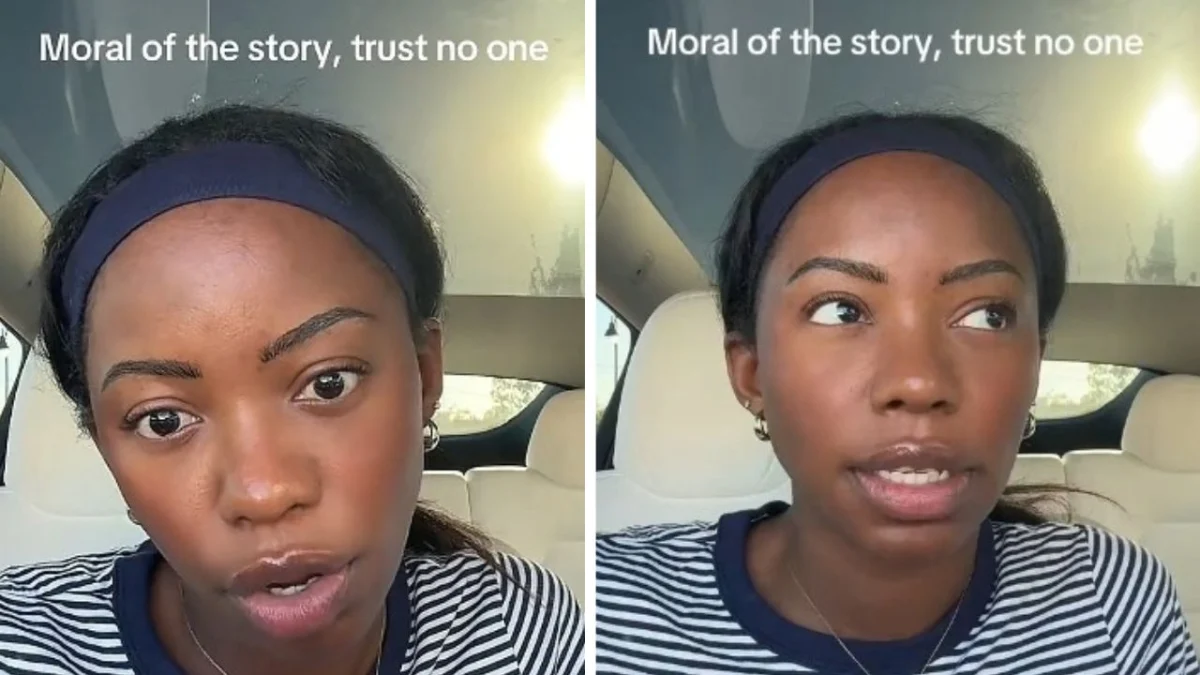
Chronology of a Suspicious Encounter
The evening began uneventfully for Kenni Lee and her friends, enjoying a typical night out. The atmosphere shifted dramatically when one of Lee’s friends momentarily stepped away from their group. It was during this brief window that a woman, whose intentions would soon become the subject of intense scrutiny, approached Lee and her remaining companions. The woman’s initial move was to invite Lee, specifically and exclusively, to join her on the dance floor. This immediate attempt to isolate Lee from her group, even for a seemingly innocuous activity, marked the first red flag in what would become a series of increasingly suspicious events.
Once on the dance floor, the woman’s focus rapidly diverted from Lee to another man, with whom she began interacting closely. This sudden shift in attention left Lee confused but also provided a critical opportunity for intervention. One of Lee’s observant friends, noticing the peculiar dynamics, wisely pulled Lee away from the interaction, a move that many viewers later lauded as crucial. The friend’s intuition proved prescient, as the woman soon reappeared, this time making a startling and contradictory claim: she alleged that the man she had just been seen interacting closely with had attempted to traffic her. Lee, having witnessed their prior close engagement, found this accusation deeply confusing and inconsistent with what she had observed.
The encounter continued to escalate in its strangeness. The woman then offered to buy Lee a drink, a gesture that, under different circumstances, might be perceived as friendly. However, given the preceding events, Lee, exercising caution, insisted on procuring her own beverage. This decision is widely recommended by safety experts to mitigate the risk of drink tampering, a prevalent concern in nightlife settings. Lee recounted that she barely consumed the drink before handing it over to her friends, a further indication of her growing unease.
The situation took a more alarming turn when the woman requested Lee and her friends to walk her to her car. The group agreed, but the journey quickly became disorienting. They were led through an alley, a common shortcut but also a less visible area, before the woman claimed she could not locate her vehicle. She then inexplicably pointed towards a dark, residential street, situated far from the vibrant nightlife area they had just left. At this point, Lee’s friends, whose collective instincts had been continuously triggered, refused to proceed further, citing the suspicious nature of the location. Their collective refusal to continue into an unfamiliar and dimly lit area likely proved instrumental in preventing a potentially more dangerous situation.
In response to their refusal, the woman claimed she urgently needed a bathroom and proceeded to walk behind a large truck. Lee observed that the woman did not appear to actually use the bathroom facilities before returning. Lee later speculated that this brief, out-of-sight moment was used by the woman to contact an accomplice or coordinate the next phase of her alleged plan. Moments after her return, a white Tesla pulled up, and the driver, a stranger to the group, inquired about their destination. Despite her earlier claims of fear and being trafficked, the woman promptly entered the stranger’s vehicle. Lee, still wary, questioned the driver, who stated he was from the Bay Area. In an immediate and seemingly rehearsed response, the woman then claimed she was also from the Bay Area. Recognizing the escalating oddity, Lee prudently provided the woman with a backup phone number and remained on the phone temporarily after their departure, maintaining a connection as a safety measure. The final perplexing act of the night occurred between 3 and 4 a.m. when the woman called Lee, a call Lee chose not to answer, further cementing her conviction that the entire interaction had been a calculated and potentially dangerous maneuver.
Broader Context and Supporting Data on Urban Safety
Lee’s account, though specific to her experience, echoes a pervasive concern within urban environments: the risk of targeted exploitation and potential human trafficking. The tactics described — isolation, manipulation, feigned vulnerability, and attempts to move individuals to secondary locations — align closely with documented methods employed by traffickers and predators. According to the National Human Trafficking Hotline (Polaris Project), in 2022, there were 10,615 situations of human trafficking reported, involving 16,554 victims. While these statistics encompass various forms of trafficking, a significant portion occurs in social settings, with perpetrators often exploiting perceived trust or vulnerability. Women, particularly, are sometimes used by trafficking rings to lure other women, exploiting the assumption of shared gender solidarity as a deceptive tactic. This method preys on empathy and lowers a target’s guard, making the initial approach seem innocuous.
Another critical element highlighted by Lee’s experience is the danger of drink spiking. Data from organizations like RAINN (Rape, Abuse & Incest National Network) indicates that a significant percentage of sexual assaults involve incapacitation due to drugs or alcohol, with drink spiking being a key concern. The advice to never accept drinks from strangers, or to personally observe a drink being poured by a trusted bartender, is a cornerstone of personal safety guidelines. Lee’s decision to insist on getting her own drink, and then to barely consume it, demonstrates an instinctive awareness of this risk. Common date rape drugs like Rohypnol, GHB, and Ketamine are colorless, odorless, and tasteless, making them difficult to detect once mixed into a beverage. Their effects can range from disorientation and memory loss to unconsciousness, making victims highly vulnerable.
The "gut feeling" or intuition described by Lee and her friends is a powerful, often subconscious, warning system. Psychologists and safety experts emphasize the importance of trusting these instincts, especially when faced with conflicting information or unusual behavior. Often, when a situation "feels off," it genuinely is, and overriding this internal alarm can lead to dangerous outcomes. The collective instinct of Lee’s friends to refuse to continue into the dark residential street was a prime example of heeding such warnings. Predatory individuals often seek to disorient their targets, physically and psychologically, by moving them to unfamiliar or isolated locations where intervention is less likely.
Expert Advice and Official Responses: General Safety Guidelines
Law enforcement agencies and personal safety organizations consistently issue guidelines aimed at preventing individuals from becoming victims in social settings. These recommendations are not merely suggestions but critical strategies for self-preservation:
- Safety in Numbers: Always go out with friends and establish a buddy system. Stay together, look out for each other, and ensure no one is left alone, especially when walking to and from venues or when interacting with strangers. Lee’s group exemplified the strength of this principle, as her friends’ presence and intervention were crucial at several points.
- Trust Your Instincts: If a situation, person, or interaction feels "off" or makes you uncomfortable, disengage immediately. Your intuition is a powerful protective mechanism.
- Drink Safety: Never leave your drink unattended. Do not accept drinks from strangers or even acquaintances if you haven’t seen them prepared. If you feel dizzy, confused, or unusually intoxicated, seek help from a trusted friend or venue staff immediately.
- Planned Transportation: Arrange your transportation home in advance. Use reputable ride-sharing services, designated drivers, or public transport with a clear route. Avoid walking alone in dimly lit or unfamiliar areas.
- Situational Awareness: Be aware of your surroundings. Avoid distractions like constantly checking your phone. Pay attention to who is around you and any unusual behavior.
- Clear Communication: If someone is making you uncomfortable, clearly and firmly state that you are not interested or need to leave. Do not feel obligated to be polite at the expense of your safety.
- Emergency Contacts: Ensure your phone is charged and that you have important emergency contacts easily accessible. Sharing your location with trusted friends or family can also be a vital safety net.
- Report Suspicious Activity: If you witness anything suspicious, or if you believe you or someone you know has been a target, report it to venue staff, security, or law enforcement. Even seemingly minor details can contribute to preventing future incidents.
Organizations such as the National Human Trafficking Hotline provide resources and a confidential reporting mechanism (1-888-373-7888) for victims and witnesses. Their campaigns often emphasize that trafficking can happen anywhere and to anyone, and that understanding the red flags is the first step in prevention.
Social Media’s Role in Raising Awareness and Public Reaction
TikTok, with its short-form video format and vast reach, has become an unexpected but effective platform for personal safety warnings. Lee’s detailed account quickly garnered millions of views, demonstrating the platform’s power to disseminate critical information and foster collective vigilance. The comments section of her video became a forum for shared experiences, cautionary tales, and practical advice, reflecting a collective societal anxiety about personal safety.
Viewers overwhelmingly focused on the woman’s repeated attempts to separate Lee from her friends. This observation highlights a common predatory tactic: isolation. By drawing a target away from their support network, perpetrators aim to reduce the likelihood of intervention and increase the target’s vulnerability. Comments like, "My coworker almost got lured by a girl until the girl felt guilty & told her what was happening," underscore the chilling reality that seemingly innocuous individuals, including other women, can be used as decoys in such schemes. This challenges the often-held assumption that a woman approaching another woman automatically implies safety or camaraderie.
Some commenters critically assessed Lee’s actions, stating, "You gave her too many chances to be weird." While this sentiment might appear harsh, it reflects a common struggle between societal expectations of politeness and the imperative of self-preservation. It underlines the difficult balance individuals, especially women, face in navigating social interactions without appearing rude, even when their instincts are screaming otherwise. This feedback, though critical, serves as a reminder that prioritizing personal safety often requires disengaging swiftly from uncomfortable situations, regardless of social niceties.
Conversely, significant praise was directed towards Lee’s friend for their timely intervention: "The guy friend who checked on you at the dance floor is a real one!" This highlights the invaluable role of vigilant companions in preventing potential harm. Bystander intervention, whether by a friend or a stranger, is a crucial component of community safety. When individuals are aware and willing to act on their observations, they can disrupt potential threats.
Many viewers also offered broader warnings, such as, "As a woman…Never be this nice and over extend yourself for a stranger." These comments encapsulate a fundamental shift in mindset that many women adopt for safety: a heightened sense of skepticism towards unsolicited interactions, particularly in nightlife settings. The collective wisdom shared on the platform reinforces the idea that while empathy is a virtue, it must be balanced with a strong sense of self-preservation when dealing with unknown individuals whose intentions are unclear. The observation that "You threw off her plan once the guys came with you to walk her to her car" further underscores the protective power of group presence, particularly when it includes male friends, which can deter potential aggressors.
The initial reaction of many, "I am obviously not the girls girl I thought I was because I was immediately weirded out," speaks to the pervasive nature of intuition. It suggests that many instinctively recognize red flags, even if they sometimes second-guess themselves. Lee’s ultimate belief in a "coordinated setup" and her subsequent warning against assuming safety based on another woman’s presence directly challenges the "girls’ girl" trope, urging a more nuanced and cautious approach to interactions with strangers.
Implications and Broader Societal Impact
Kenni Lee’s experience, widely shared and discussed, carries significant implications for public safety awareness. It underscores the "stranger danger" paradox, where threats often emanate not from overtly menacing figures, but from individuals who skillfully exploit empathy, trust, or a perceived shared vulnerability. The sophisticated nature of the alleged attempt, involving multiple stages and a potential accomplice in a luxury vehicle, suggests a level of premeditation that is deeply concerning.
While the Daily Dot, like other journalistic outlets, could not independently verify the specific events described in Lee’s TikTok, her account serves as a powerful anecdotal warning. The difficulty in independently verifying such incidents is inherent to their nature; perpetrators often operate in shadows, leaving little tangible evidence beyond the victim’s testimony. However, the resonance of Lee’s story with documented predatory tactics and the shared experiences of countless others gives it substantial weight as a public safety alert.
The incident highlights the critical role of social media in contemporary safety education. By sharing her story, Lee has empowered millions with knowledge, fostering a collective dialogue about vigilance, intuition, and proactive safety measures. It encourages individuals to critically assess social situations, trust their instincts, and prioritize their safety above social politeness. This incident, therefore, contributes to a broader societal effort to raise awareness about the subtle, yet potent, threats that exist in everyday life, urging everyone to be more discerning and cautious in their interactions with strangers. The ultimate call to action remains clear: prioritize personal safety, stay informed, and never hesitate to remove oneself from any situation that feels inherently unsafe or suspicious, and to report such incidents to appropriate authorities.