Garick Elordi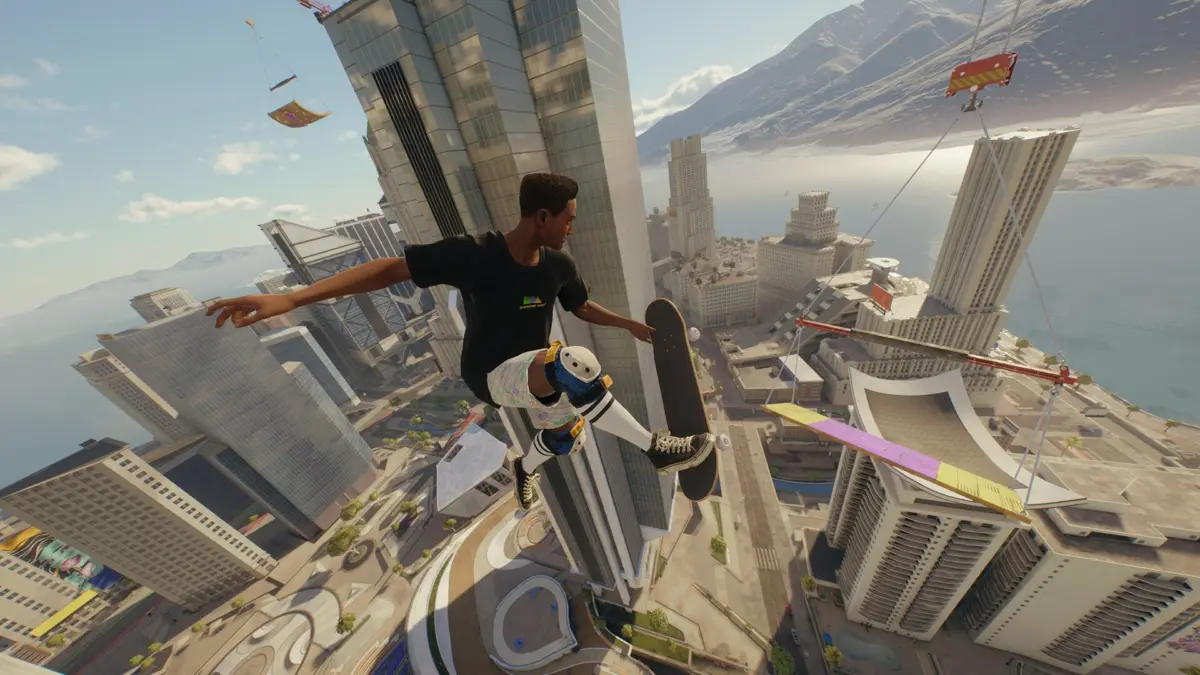
Electronic Arts (EA) and its subsidiary studio Full Circle have officially addressed the burgeoning modding community surrounding the early access release of "skate.," the highly anticipated revival of the iconic skateboarding franchise. In a comprehensive statement issued through community forums and social media, the developers clarified their stance on user-generated modifications, drawing a definitive distinction between creative expression and the unauthorized circumvention of the game’s economic systems. This development follows the explosive popularity of "ReSkate," a third-party modding platform that achieved over 350,000 downloads within hours of its release, highlighting a significant tension between the player base’s desire for autonomy and the publisher’s live-service business model.
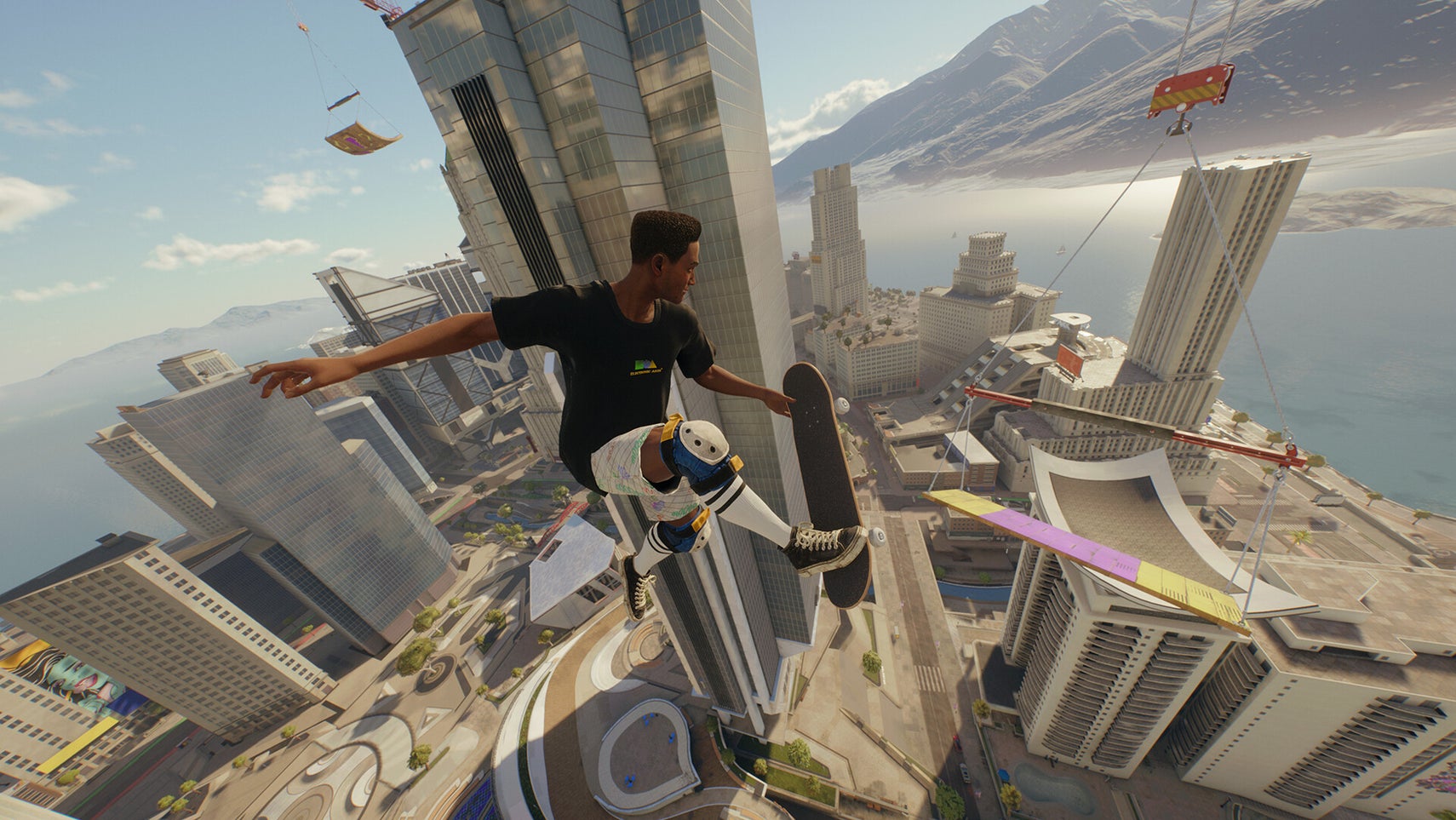
The core of the disagreement centers on the functionality provided by ReSkate and similar tools. While the base version of "skate." is designed as an always-online, free-to-play experience, ReSkate allows players to access the game’s "San Vansterdam" sandbox in an offline environment. Furthermore, the platform facilitates the use of custom maps, community-hosted servers, and cosmetic modifications. While Full Circle expressed an appreciation for the "passion" of the community, the studio issued a stern warning against mods that target the game’s monetization architecture, specifically those that unlock paid microtransactions or reveal unreleased content gated by the developers.
The Rapid Ascent of ReSkate and Player Autonomy
The release of the ReSkate platform represents a pivotal moment in the development cycle of the new "skate." title. The software provides a suite of features that many players have requested since the game’s initial playtests began. Most notably, the ability to play offline addresses a common criticism of modern EA titles, which often require a persistent internet connection even for solo play. By decoupling the skating mechanics from EA’s official servers, ReSkate has created a parallel ecosystem where players can experiment with physics, gravity settings, and map layouts without the oversight of the game’s live-service moderators.
Data suggests that the demand for such features is substantial. The 350,000 downloads recorded shortly after the platform’s debut indicate that a significant portion of the early access player base is seeking a more traditional, "sandbox" experience reminiscent of "Skate 3." However, this autonomy poses a direct challenge to the "skate." business model. As a free-to-play title, the game relies heavily on the sale of digital cosmetics, seasonal passes, and brand-name skate gear to sustain its long-term development. When third-party tools allow users to bypass these storefronts or access premium assets for free, it threatens the financial viability of the project.
A Chronology of the Skate Franchise Revival
To understand the current friction between Full Circle and the modding community, it is necessary to examine the timeline of the game’s development and the shifts in its design philosophy:
- June 2020: During the EA Play Live event, EA officially announced that a new "Skate" title was in development, ending a decade-long hiatus for the franchise. The announcement was met with universal acclaim from fans.
- January 2021: EA announced the formation of Full Circle, a new studio based in Vancouver, specifically tasked with leading the development of the next "Skate" game.
- July 2022: Full Circle confirmed that the game would be titled "skate." (lowercase with a period) and would be a free-to-play, live-service title rather than a traditional $60 standalone release. This news was met with mixed reactions from veteran fans concerned about monetization.
- 2023–Early 2024: Multiple "cracked" versions of early playtest builds began circulating online, leading to the first wave of unofficial modding and private server hosting.
- Early 2025: Full Circle faced internal restructuring, resulting in an unspecified number of layoffs. Despite this, the studio reiterated its commitment to the game’s future.
- Current Period: The launch of "Season 4" in early access and the subsequent release of the ReSkate platform have brought the issues of monetization and player-led development to the forefront of the conversation.
Official Developer Stance and the "Line in the Sand"
Full Circle’s response to the modding community was carefully calibrated to acknowledge the cultural roots of skateboarding while protecting the studio’s intellectual property. In a statement posted to the "SkateEA" Reddit community, the developers emphasized that skateboarding is built on "community and creative expression." They noted that the San Vansterdam sandbox was specifically designed to provide players with the tools to create content.
However, the studio was explicit about where its tolerance ends. "Where we have to draw the line is when mods or other tools bypass our systems to unlock paid cosmetics, release gated/unreleased content, or profit from these unauthorized assets," the statement read. The developers argued that such actions "rip off" the artists, real-world skate brands, and the development team who work to integrate authentic skate culture into the game.
This position reflects a broader industry trend where publishers are increasingly protective of their digital storefronts. In a live-service environment, "unlocker" mods are often viewed with the same severity as active cheating, as they directly impact the revenue streams used to fund server costs and future content updates. Full Circle’s warning suggests that while they may currently overlook offline play and custom maps, they are prepared to take technical or legal action against mods that facilitate "digital shoplifting."
Market Data and Community Sentiment
The tension regarding monetization is reflected in the game’s performance metrics on platforms like Steam. Currently, "skate." holds a "Mixed" user rating. A data-driven analysis of these reviews reveals several recurring themes:

- Monetization Friction: A majority of negative reviews cite the prevalence of microtransactions and the "paywalling" of classic gear that was previously available as standard content in earlier entries of the series.
- Connectivity Issues: Players have frequently complained about server stability, which is exacerbated by the game’s always-online requirement.
- Content Scarcity: Despite the "Season 4" update, some players feel that the official content rollout is too slow, leading them to seek out unreleased assets via modding tools.
In contrast, the developers of ReSkate have attempted to position themselves as allies rather than adversaries. In an interview with industry journalists, the coders behind the platform stated that they do not intend to replace the live game or deprive Full Circle of revenue. They noted that ReSkate’s official channels strictly prohibit mods that grant free access to premium items. This "self-policing" by the modding community is a strategic move intended to prevent a total crackdown by EA’s legal department.
Implications for the Future of San Vansterdam
The standoff between Full Circle and the modding community has significant implications for the future of "skate." and the broader relationship between publishers and players in the free-to-play era. If Full Circle can successfully integrate community-created content into the official game—a feature they have promised for the future—they may be able to harness the energy of the modding scene rather than fight it.
However, the "Mixed" reception on Steam suggests that the studio faces an uphill battle in convincing the core fanbase that the live-service model is beneficial for the franchise. The success of ReSkate serves as a "proof of concept" for what many fans want: a flexible, offline-capable sandbox that prioritizes creativity over commerce.
From a business perspective, EA must balance the need for profitability with the necessity of maintaining a healthy, engaged player base. History has shown that franchises that alienate their modding communities often see a decline in longevity. Conversely, games like "Skate 3" maintained a massive following for over a decade largely due to community-driven content and social sharing, even without official updates from EA.
Conclusion
As "skate." continues its journey through early access toward a full 1.0 release, the dialogue between Full Circle and modders will likely remain a central theme. The studio’s promise of deeper community creation tools suggests a path toward reconciliation, but the fundamental conflict between a "free-to-play" economy and "free-to-mod" philosophy remains unresolved. For now, the "line in the sand" has been drawn: creativity is encouraged, but the integrity of the game’s financial ecosystem remains a non-negotiable boundary for Electronic Arts. The coming months will determine whether San Vansterdam becomes a collaborative playground or a contested territory between corporate interests and player-led innovation.