
 Lina Irawan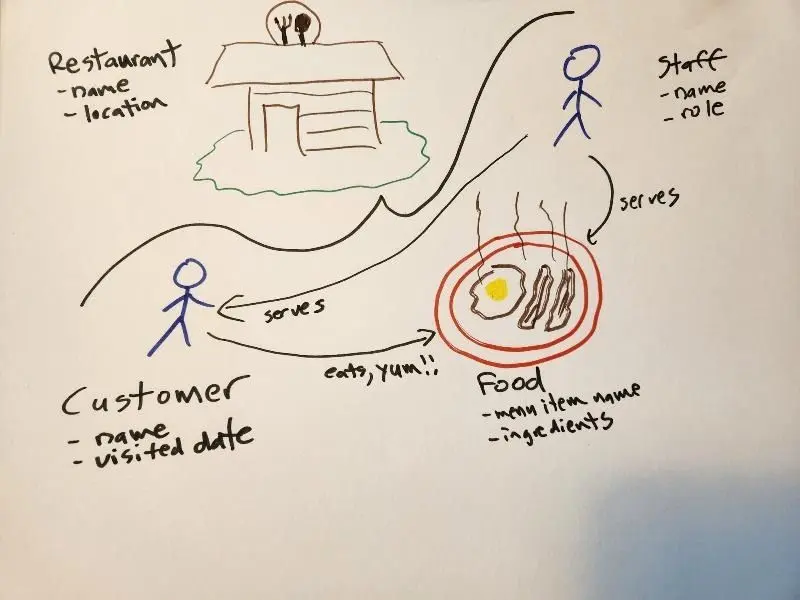
The software development landscape is currently witnessing a renewed interest in high-level abstraction, driven by the increasing complexity of enterprise systems and the rapid integration of Artificial Intelligence. At the center of this discourse is Model-Oriented Programming (MOP), a paradigm that prioritizes the use of formal models to automate and streamline the creation of software. While the concept of model-driven development has existed for decades, recent advancements and the legacy of specialized tools like the Mo+ Integrated Development Environment (IDE) have highlighted a significant, yet under-researched, potential for these languages to redefine how developers interface with code.
Thirteen years ago, the first fully-featured model-oriented programming language and IDE, known as Mo+, was developed to address the inefficiencies inherent in traditional object-oriented approaches. Despite successful implementation in various enterprise-level projects, the technology remained a niche solution. Six years ago, the principal architect of Mo+ transitioned from a career in software engineering to maritime heritage, specifically the construction of Viking and Anglo-Saxon ships in Scandinavia and the United Kingdom. However, the foundational principles of MOP continue to offer a compelling framework for future research, particularly as the industry seeks more efficient ways to bridge the gap between conceptual requirements and executable code.
Historical Context and Chronology of Development
The development of model-oriented programming is rooted in the early methodologies of the 1980s and 90s, such as the Shlaer-Mellor method, which focused on recursive design and the translation of models into implementation. The journey of Mo+ provides a clear timeline of how these concepts evolved into a modern IDE.
In 2011, the Mo+ framework was established as a comprehensive tool for model-oriented development (MOD). Between 2011 and 2014, the technology was utilized extensively in workplace enterprise projects to automate the generation of boilerplate code and maintain consistency across complex database schemas. In 2014, the tool was released as a Visual Studio add-on, providing a bridge between standard Microsoft development environments and model-oriented logic. By 2018, while the IDE remained functional and available via open-source platforms like GitHub, its creator shifted focus toward historical ship construction, leaving the technology as a dormant but potent blueprint for academic and industrial research.
Today, as AI-driven coding assistants become more prevalent, the need for structured, model-based guidance for these AI agents has brought MOP back into the spotlight. Industry analysts suggest that a model-oriented approach could provide the necessary "guardrails" and structural integrity that purely generative AI models currently lack.
Foundational Principles: Structure and Data
To understand the mechanics of MOP, it is essential to define the "Model" within a digital context. A model is a concise representation of a complex system, defined by two primary components: structure and data.
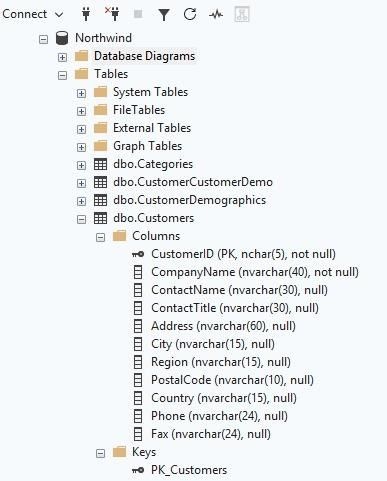
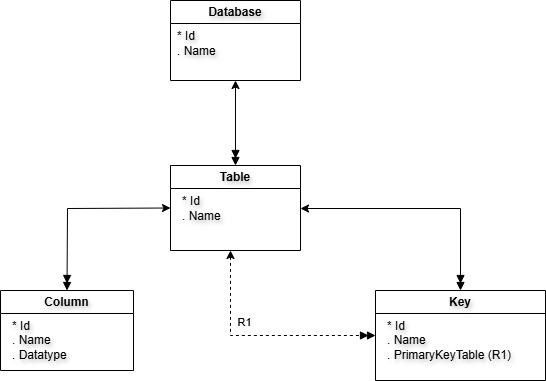
The structure of a model establishes the "schema" or the rules of engagement. In MOP, this structure is invariably hierarchical, organized through a system of nodes and attributes. While many developers argue that relational databases are non-hierarchical, technical analysis of database IDEs reveals a different reality. For instance, the Northwind database schema—a standard industry benchmark—is organized within a tree view that includes nodes for the database, tables, columns, and keys. Even complex foreign key relationships, which appear to break the hierarchy, are handled through reference properties that link nodes at the highest level of their independence.
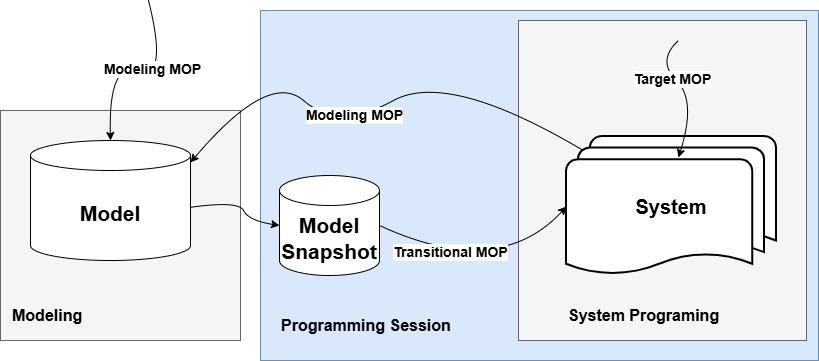
Model-Oriented Development (MOD) is the umbrella term for this process, encompassing both Modeling (populating the structure with data) and MOP (utilizing that model to maintain a software system).
A Taxonomy of Model-Oriented Methodologies
The application of MOP can be categorized into four distinct forms, each with varying levels of integration and complexity:
1. Informal MOD
This involves non-standard models, ranging from whiteboard sketches to informal diagrams. While these lack the electronic definition required for automated processing, they serve as the conceptual starting point for system design.
2. Inline MOD
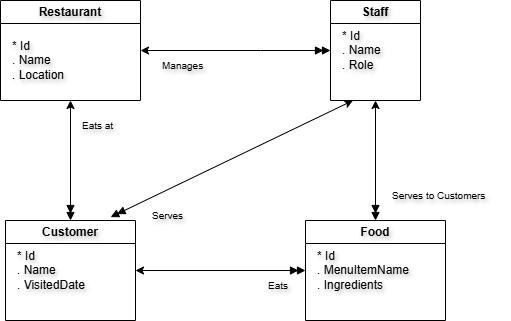
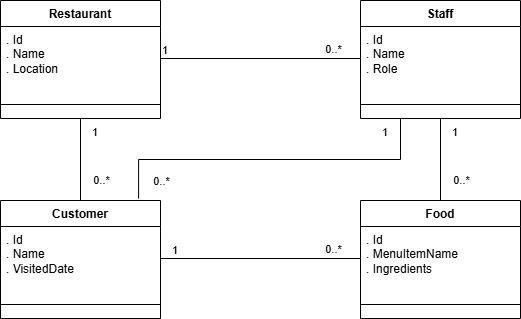
Widely utilized in modern frameworks, Inline MOD is seen in Object-Relational Mappers (ORMs) like Entity Framework or NHibernate, and UI frameworks such as Angular and React. Here, the model is often defined directly within the code. For example, a restaurant management system might define entities for "Staff," "Customer," and "Food" as classes, with relationships managed by the framework’s internal logic.
3. Coupled MOD
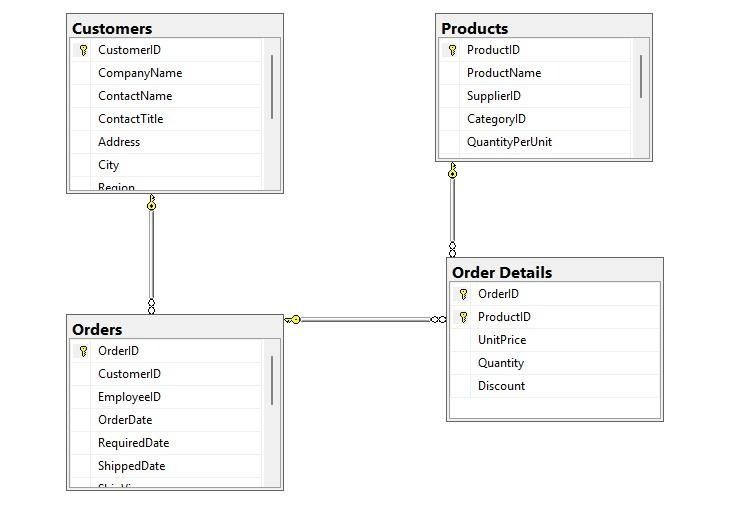
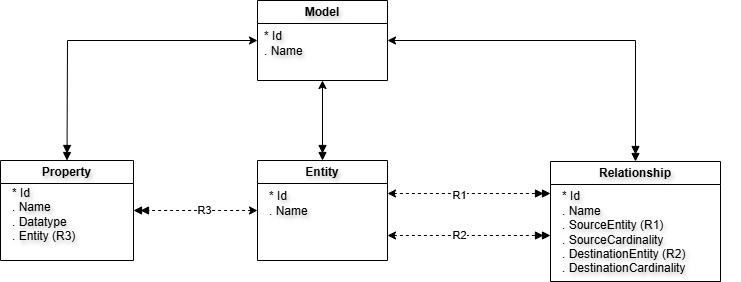
The most common example of this is the Unified Modeling Language (UML). In Coupled MOD, the model and the source code are tightly integrated, with tools often allowing for "round-trip" engineering where changes in the diagram are reflected in the code and vice versa.
4. Decoupled MOD
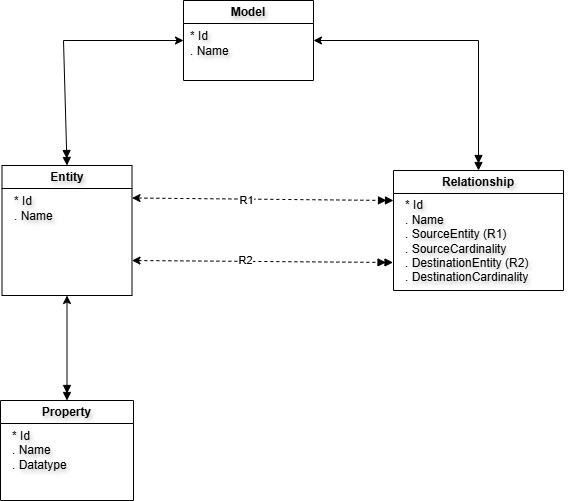
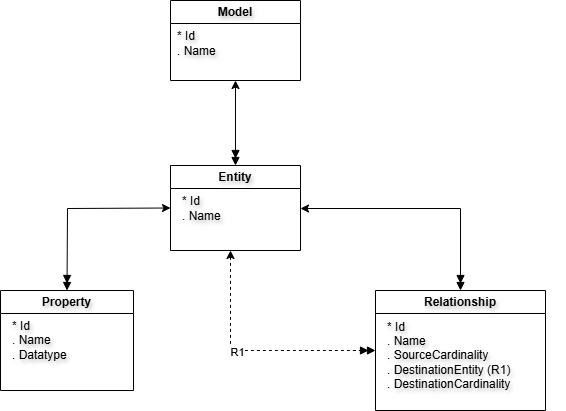
In this approach, the model is used primarily to clarify requirements and workflow rather than to define specific design components. Elements in a decoupled model do not refer to a specific class or table but rather outline the requirements for any number of related components. This method is often cited as the most efficient for large-scale enterprise systems, as it allows the design to remain flexible while the requirements stay firm.
Technical Specifications of MOP Languages
A fully realized MOP language requires features that distinguish it from standard Object-Oriented Programming (OOP). The following features were successfully utilized in enterprise systems during the peak of Mo+ development:
The Programming Session
A programming session is a defined period where the model structure is established and the model data is "sealed" or read-only. This creates a stable snapshot that allows the interpreter to perform complex traversals without the risk of data mutation during the generation process.
Model Structure as Grammar
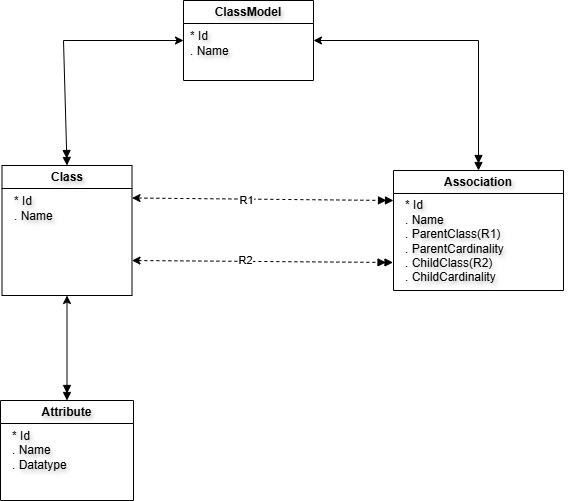
One of the most innovative aspects of MOP is the inclusion of the model’s nodes and attributes directly into the language grammar. In a standard OOP language, a developer must instantiate classes to represent a model. In MOP, the language itself understands what an "Entity" or a "Property" is, allowing the developer to write logic like foreach (Property) without prior variable declaration.
Model Context and the Stack
Unlike object context in OOP, model context in MOP functions as a stack. This allows for seamless navigation up and down the model hierarchy. For instance, if the current context is a "Column" in a database, the language can instantly reference the "Table" or "Database" it belongs to using notation similar to directory pathing (e.g., ../Name).
Model Oriented Properties
These are independent blocks of code associated with specific nodes in the model structure. A property defined for an "Entity" can be evaluated multiple times across different instances. These properties can include get methods to retrieve data and put methods to save generated content to the target system.
The Role of Dynamic and Contextual Grammar
A significant hurdle in software engineering is the "Insufficient Model" problem, where a standard model lacks the specific attributes needed for a unique project requirement. MOP addresses this through a "Grammar Builder"—a mechanism that modifies the language grammar at runtime. If a developer needs to add a "MaxLength" attribute to a "Property" node, the Grammar Builder updates the language’s syntax immediately, allowing the new attribute to be used in logic and code generation.
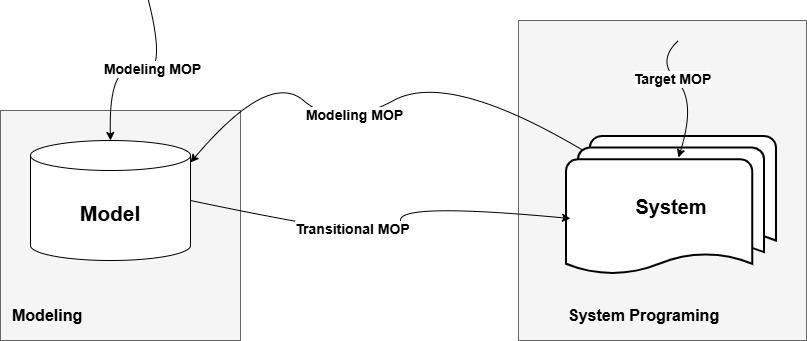
Furthermore, Contextual Grammar Filters ensure that the language remains safe and efficient. Different filters are applied depending on whether the developer is performing "Transitional MOP" (creating a target system), "Modeling MOP" (maintaining the model itself), or "Target MOP" (programming directly within the final environment).
Broader Impact and Industry Implications
The implications of MOP for the future of software development are extensive. One of the most significant benefits is the potential for massive parallelism. Because model data is read-only during a programming session and the use of variables is minimized (often less than 1% of the code in transitional MOP), tasks can be executed simultaneously across multiple processors with minimal risk of race conditions.
In the realm of Artificial Intelligence, MOP offers a structured framework that could enhance the reliability of AI-generated code. By providing an AI with a formal model and a MOP language, the output is constrained by the rules of the model structure, significantly reducing "hallucinations" and structural errors in the resulting software.
Moreover, MOP promotes "Massive Reusability." In traditional development, best practices are often buried within specific project implementations. In MOP, best practices are codified as model-oriented properties that can be applied to any project sharing a similar model structure. This allows organizations to build a library of "codified expertise" that transcends individual projects.
Conclusion and Call for Research
While the initial development of Mo+ demonstrated the viability of model-oriented programming in enterprise environments, the field remains open for significant exploration. The transition of its creator to maritime archeology underscores a common challenge in the tech industry: the difficulty of shifting entrenched paradigms even when more efficient alternatives exist.
There is a clear opportunity for universities and corporate research departments to investigate the integration of MOP with modern cloud architectures and AI platforms. The source code for Mo+ remains available as a foundational resource for those looking to explore these concepts. As software systems grow in scale and complexity, the move toward a language that can natively understand and manipulate models may no longer be a luxury, but a necessity for the next generation of software engineering.









