
 Galang Taruna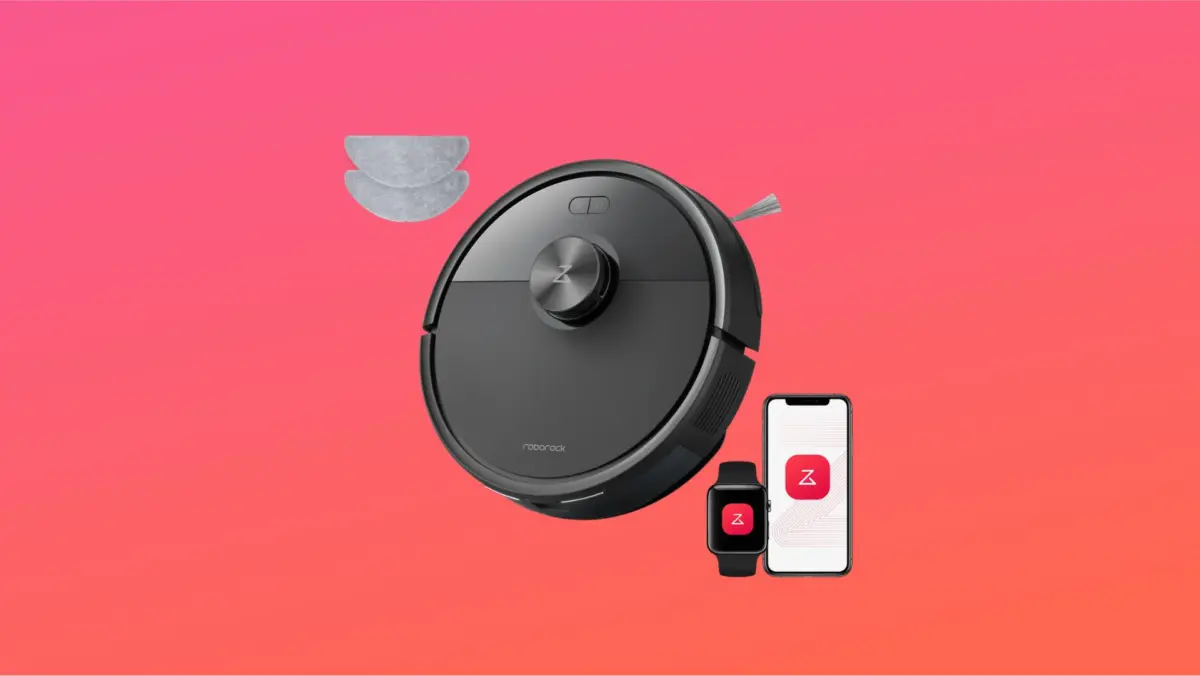
Evolution of Smart Cleaning: Roborock’s Market Trajectory
The market for robot vacuum cleaners has undergone a dramatic transformation over the past decade, evolving from rudimentary, randomly navigating devices to sophisticated, intelligent cleaning machines. Roborock, a company renowned for its innovation in this sector, has played a pivotal role in this evolution. Initially gaining traction through partnerships and later establishing itself as an independent powerhouse, Roborock has consistently pushed the boundaries of what consumers can expect from automated home cleaning. Its product lines, broadly categorized into the premium S-series and the more accessible Q-series, cater to diverse consumer needs and budgets.
The Q-series, to which the Q7 M5 Set belongs, was introduced to bridge the gap between entry-level models and the flagship S-series, offering a robust set of features at a more approachable price point. This strategy has allowed Roborock to capture a wider segment of the market, appealing to users who prioritize efficient cleaning and smart navigation over the most advanced, often costly, self-maintenance features. The Q7 Max, the foundational model for the Q7 M5 Set, exemplified this balance by delivering strong suction and reliable navigation capabilities. The subsequent release of models like the Q7 M5 Set demonstrates Roborock’s continuous effort to refine its offerings, often by introducing incremental improvements or strategic package variations to enhance value for money.
Unpacking the Q7 M5 Set: A Closer Look at its Core Features
The Roborock Q7 M5 Set distinguishes itself primarily through its enhanced suction capabilities and its strategic positioning as a comprehensive cleaning solution for its price. At its core, the device inherits the robust architecture of the Roborock Q7 Max, a model already praised for its efficiency. However, the Q7 M5 Set boasts an impressive HyperForce suction power of 10,000 Pa, a substantial upgrade from the Q7 Max’s 4,200 Pa. This more than double increase in suction power is a critical factor for effective cleaning, especially on various floor types and for tackling stubborn debris.
This elevated suction power translates into superior performance in several practical scenarios. For instance, it allows the robot to extract dirt and dust more effectively from deep within carpets and rugs, a common challenge for less powerful models. On hard floors, it ensures that even fine dust particles and larger debris, such as crumbs or pet kibble, are thoroughly picked up. The integration of an automatic boost mode on carpets further optimizes this performance, with the robot intelligently increasing suction when it detects a carpeted surface, ensuring a deeper clean without user intervention.
Beyond raw power, the Q7 M5 Set leverages advanced navigation technology. It employs LiDAR (Light Detection and Ranging) for precise room mapping and navigation. A laser telemetry system, prominently located on top of the device, allows it to accurately map entire homes, create multi-floor maps, and navigate in a highly organized, systematic manner. This is a significant advantage over entry-level robots that often rely on less precise gyroscopic navigation, which can result in less efficient and more erratic cleaning paths. The ability to store multiple maps makes the Q7 M5 Set ideal for multi-story homes, allowing users to move the robot between floors without re-mapping.
Optimized for Pet Owners: Addressing Common Cleaning Challenges
One of the most compelling aspects of the Roborock Q7 M5 Set, particularly for households with pets, is its sophisticated hair management system. Pet hair is a notorious challenge for many robot vacuums, often leading to tangled brushes and reduced performance. The Q7 M5 Set addresses this with a dual anti-entanglement system. It features a main brush designed with "JawScrapers" technology, which actively prevents hair from wrapping around the brush roll. This is complemented by an arc-shaped side brush, further minimizing tangles and ensuring efficient collection of hair from edges and corners.
While this system significantly reduces the frequency of manual brush cleaning, it is important for users to understand that occasional maintenance, especially in homes with long-haired residents or multiple pets, will still be necessary. However, the design dramatically extends the intervals between manual interventions, making it a much more convenient option than many competitors. This focus on practical challenges underscores Roborock’s understanding of everyday consumer needs and its commitment to developing solutions that genuinely improve the user experience.
Mopping Functionality: A Complementary Cleaning Layer
The "Set" designation in the Q7 M5 Set signifies its inclusion of mopping capabilities and essential accessories. Equipped with a 270 ml water tank and offering three levels of water flow, the robot can adapt its mopping intensity to different floor types, from delicate parquet to durable tiles. The integrated mop pad, trailing behind the robot, is effective at removing fine dust, light smudges, and recent spills. This functionality provides a useful layer of maintenance cleaning, helping to keep floors looking fresh and reducing the build-up of everyday grime.
However, it is crucial to temper expectations regarding the mopping performance. Unlike advanced robot mops that employ rotating pads, sonic scrubbing, or significant downward pressure, the Q7 M5 Set’s mopping system is best described as an "ancillary" function. It excels at light, routine cleaning but is not designed to tackle dried-on stains, grease, or deeply embedded dirt. For such challenges, traditional manual mopping or a dedicated, more powerful floor cleaner would still be required. This distinction is important for consumers to understand, ensuring that the feature aligns with their cleaning habits and expectations. The mopping capability on the Q7 M5 Set serves as an excellent complement to its vacuuming prowess, allowing for a combined maintenance routine rather than replacing intensive deep cleaning.
Automation and User Experience: Balancing Convenience with Cost
The Roborock Q7 M5 Set operates within the ecosystem of the intuitive Roborock application, which serves as the central hub for managing the robot’s cleaning cycles. Through the app, users can program cleaning schedules, define specific areas or rooms for cleaning, set no-go zones, adjust suction power, and control water flow for mopping. This level of granular control over the cleaning process enhances user convenience and allows for highly customized cleaning routines tailored to individual home layouts and preferences.
The "Set" variant specifically includes a classic charging dock, meaning the robot requires manual emptying of its dustbin. This is a key differentiator from models designated with a "Plus" suffix (e.g., Q7 M5+), which typically feature an auto-empty station. The absence of an auto-empty dock is a deliberate design choice to keep the unit’s price significantly lower. While it means users must manually empty the dustbin after each cleaning session and regularly clean the mop pads, this trade-off is often acceptable for budget-conscious consumers who prioritize the initial purchase price over maximum automation. Industry analysis suggests that while auto-empty docks are increasingly popular, a substantial segment of the market still finds value in manual emptying, especially when it translates to significant cost savings. This manual interaction also extends to cleaning and drying the mop pads, which must be done by hand to maintain hygiene and effectiveness.
For optimal performance, the Q7 M5 Set, like most robot vacuums, benefits from a relatively clear floor space. While its LiDAR navigation helps it avoid obstacles, minimizing clutter ensures uninterrupted cleaning cycles and prevents potential jams. This makes the Q7 M5 Set particularly well-suited for regular, routine maintenance in homes that are generally kept tidy.
The Strategic Pricing: A Deep Dive into the 44% Discount
The current promotion, offering the Roborock Q7 M5 Set at 139.99 euros instead of its usual 249.99 euros, represents a significant market event. Such aggressive pricing strategies are common in the highly competitive consumer electronics sector, particularly for smart home devices. This 44% discount not only makes the Q7 M5 Set exceptionally affordable but also positions it as a market disruptor within its segment.
From a business perspective, such promotions can serve multiple purposes:
- Market Penetration: Attracting new customers who might have been hesitant to invest in a robot vacuum at a higher price point.
- Inventory Management: Clearing existing stock to make way for newer models or simply optimizing inventory levels.
- Brand Visibility: Generating buzz and drawing attention to the Roborock brand, potentially leading to increased sales across its entire product portfolio.
- Competitive Edge: Gaining a temporary advantage over competitors offering similar mid-range models.
For consumers, this deal presents an opportunity to acquire a well-regarded robot vacuum with advanced features, such as high suction and precise navigation, at a price point typically associated with much less capable, entry-level devices. It lowers the barrier to entry for smart home technology, making automated cleaning accessible to a broader demographic. This kind of aggressive pricing can have a ripple effect across the market, potentially encouraging other manufacturers to adjust their pricing strategies to remain competitive.
Broader Implications and Consumer Choices
The availability of devices like the Roborock Q7 M5 Set at such competitive prices reflects a maturing market where technology that was once considered premium is becoming increasingly democratized. The trade-offs involved – particularly the manual emptying of the dustbin – are transparently communicated, allowing consumers to make informed decisions based on their priorities. For those who value powerful vacuuming, intelligent navigation, and light mopping functionality above the ultimate convenience of a self-emptying dock, the Q7 M5 Set at its promotional price offers exceptional value.
Industry experts often highlight that the true "smartness" of a robot vacuum lies not just in its ability to clean, but in its integration into the user’s lifestyle. The Roborock Q7 M5 Set, despite its manual emptying requirement, delivers on the core promise of reducing the daily chore burden. Its programmatic cleaning, effective debris removal, and pet-friendly design collectively contribute to a cleaner home with minimal ongoing effort from the user, aside from routine maintenance.
As the smart home market continues to expand, devices like the Q7 M5 Set exemplify the ongoing trend of offering specialized solutions that cater to specific user segments. It underscores the notion that "affordability" doesn’t necessarily mean sacrificing core performance, but rather making strategic compromises on auxiliary features to achieve a compelling price-to-performance ratio. For consumers exploring the world of automated home cleaning, understanding these nuances is key to selecting the device that best fits their needs and budget, ensuring that their investment delivers satisfactory results in the long term.








