Chandra Wibowo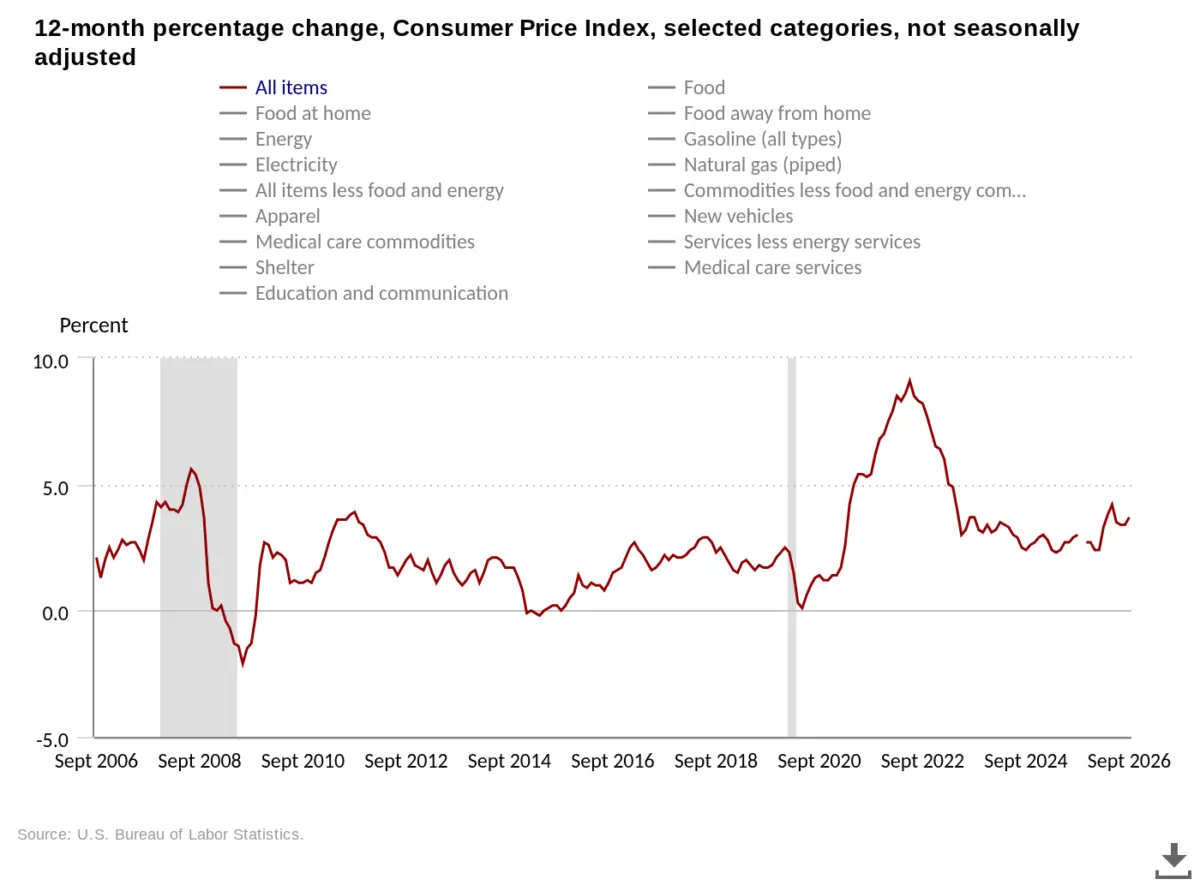
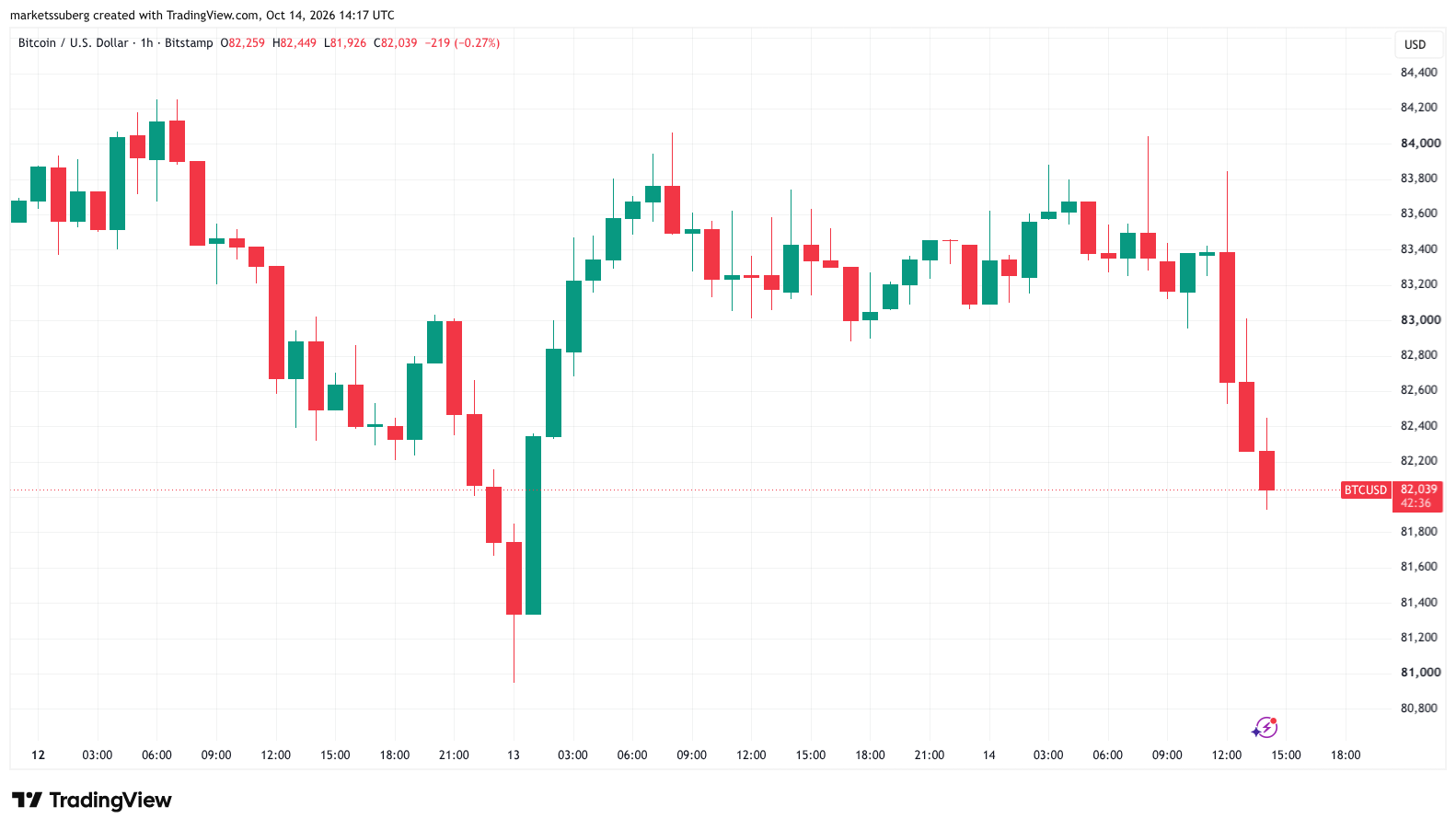
Bitcoin (BTC) experienced a notable decline, trading below the $82,000 mark following the opening of Wall Street on Wednesday, as United States consumer inflation data for September emerged higher than anticipated. This unexpected uptick in the Consumer Price Index (CPI) sent ripples through financial markets, impacting not only cryptocurrencies but also gold and stock futures.
Higher-than-Expected US CPI Triggers Market Sell-off
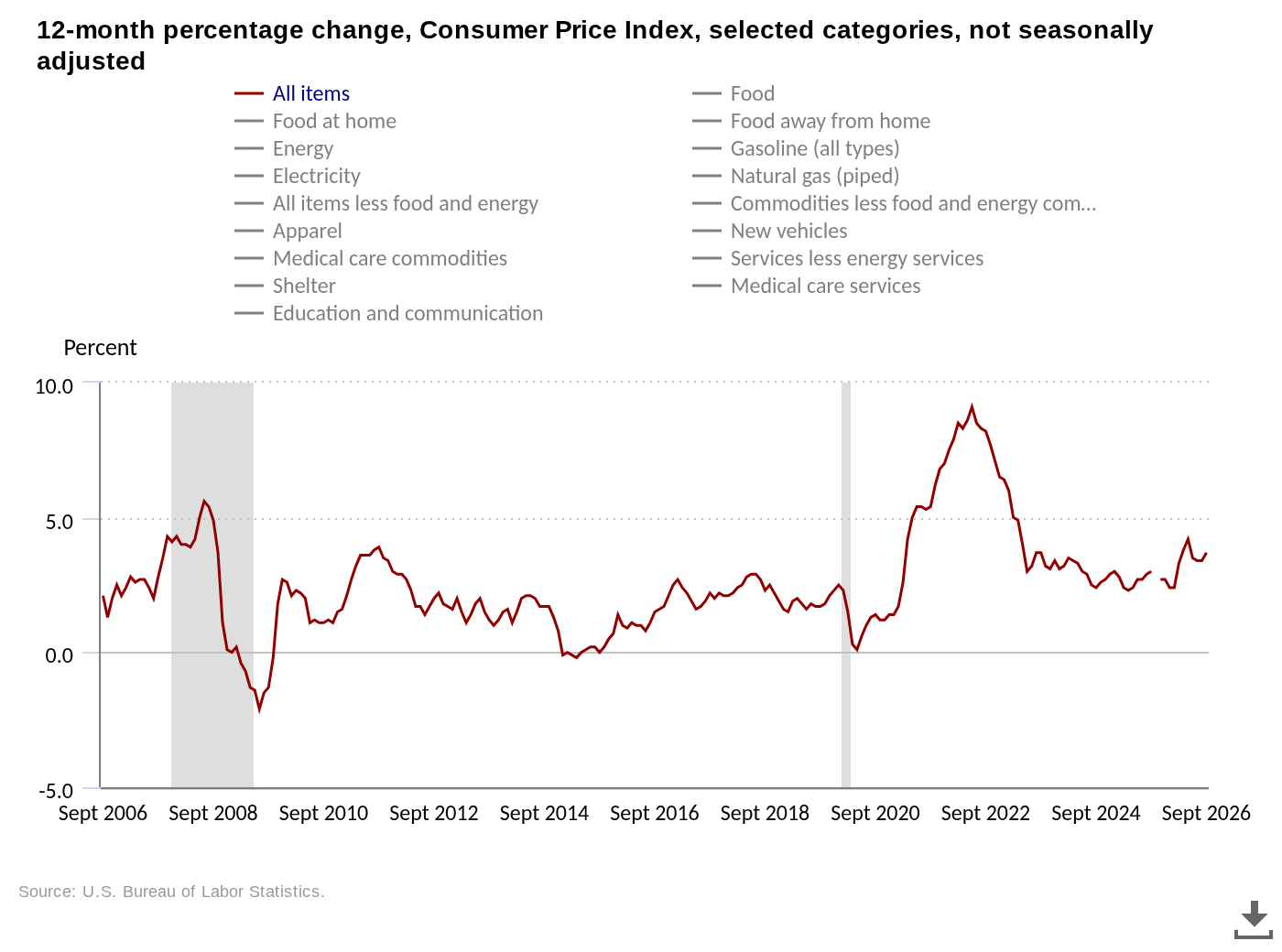
Data released from TradingView confirmed a downward movement in the price of Bitcoin and other risk assets shortly after the September Consumer Price Index figures were made public. The CPI, a key measure of inflation, registered at 3.7% year-on-year. This figure represented a 0.1% increase above the consensus forecast among market participants, according to data compiled by the Bureau of Labor Statistics (BLS).
A significant driver behind this inflation surge was the noticeable increase in fuel prices, exacerbated by geopolitical tensions in the Middle East and broader concerns regarding oil supply. The BLS official release highlighted that "The index for gasoline rose 9.1 percent in September, accounting for over half of the monthly all items increase. The energy index increased 5.2 percent over the month following a 2.1-percent increase in August." This indicates a substantial impact from energy costs on the overall inflation rate.

Beyond energy prices, inflation demonstrated a broader trend. The core CPI, which excludes volatile food and energy components, also exceeded expectations. This sub-index rose by 2.6% year-on-year, a 0.1% increase above what analysts had predicted. This suggests that inflationary pressures are not solely confined to the energy sector but are also present in the underlying components of the economy.
Market Analysts React to Persistent Inflationary Pressures
The persistent nature of inflation has become a recurring theme in economic discussions. Sonu Varghese, chief macro strategist at Carson Group, commented on the situation, suggesting that elevated inflation figures should have been anticipated by market participants. He stated, "The only surprise is that investors keep getting surprised by broad-based inflation. And we’ve yet to see the full impact of higher diesel prices and the AI boom." Varghese’s remarks underscore a sentiment that underlying economic factors are continuing to fuel inflation, and recent geopolitical events have added further impetus.
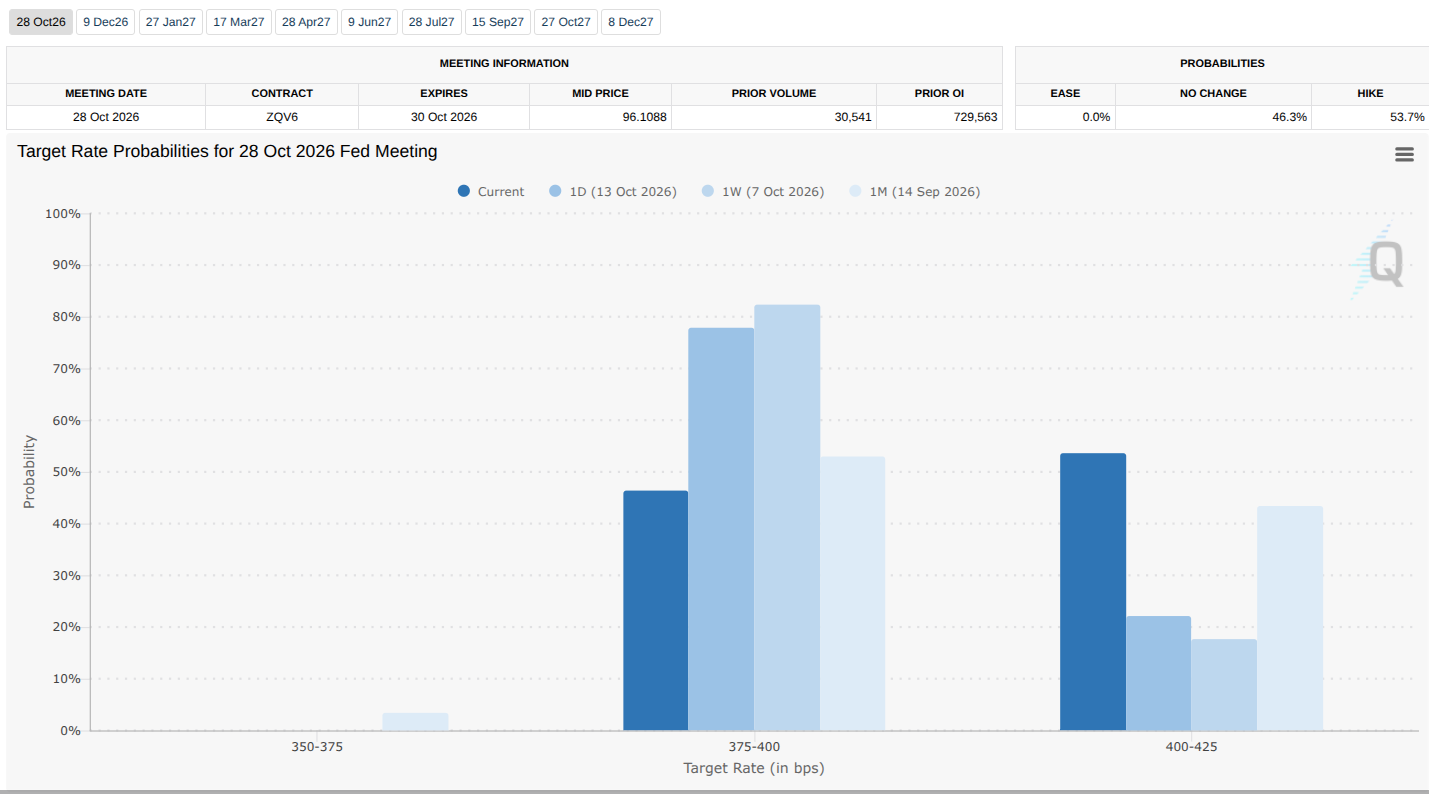
The implications of this higher-than-expected CPI print extended to the Federal Reserve’s monetary policy outlook. Data from CME Group’s FedWatch Tool indicated a recalibration of market expectations regarding future interest rate decisions. Following the CPI release, the probability of a 25-basis-point interest-rate hike at the Federal Reserve’s upcoming meeting on October 28th increased to 53.7%, up from 22.1% the previous day. Furthermore, the odds of a second 25-basis-point hike in December rose to approximately 50%. This suggests a growing market consensus that the Federal Reserve may need to maintain a hawkish stance to combat persistent inflation.
Theresa Sheehan, an economic analyst at Econoday, offered an analysis of the Fed’s potential actions. She stated, "Taken in combination with the soft payroll numbers in the September employment report, the FOMC is probably on hold for any rate moves at the upcoming October 27-28 meeting although with a definite bias toward a hike in December." This perspective highlights the complex interplay of economic data influencing the Fed’s decision-making process, balancing inflation concerns with labor market conditions.
Broader Market Reactions and Implications
The impact of the higher CPI data was not limited to the cryptocurrency market. Gold prices saw a decline, falling to a low of $4,079 per ounce. Simultaneously, U.S. bond yields experienced a sharp increase. The yield on the 10-year Treasury note, a benchmark highly sensitive to inflation expectations and energy price movements, climbed to 5.329%. This level was approximately three basis points shy of reaching new 24-year highs, signaling renewed pressure on fixed-income markets.
Economist Robin Brooks articulated the market’s reaction in a blog post, stating, "This is the last thing global bond markets needed. Prior to this number, it looked like the global bond sell-off was calming, but now bond markets are catching on fire again." This observation points to the potential for a resurgence of volatility in bond markets, driven by heightened inflation concerns and the prospect of prolonged higher interest rates.
Bitcoin’s Price Action and Support Levels
In the context of these market developments, Bitcoin’s price action remained a focal point. Following the CPI announcement, BTC/USD continued to fluctuate around a critical price zone situated between $82,500 and $83,400. Market analysts were closely observing this area to determine its efficacy as a support level, a crucial indicator for future price direction. The ability of Bitcoin to hold above this range would suggest resilience in the face of macroeconomic headwinds, while a decisive break below could signal further downside potential.
The immediate catalyst for this market reaction can be traced back to the release of the September Producer Price Index (PPI) data, which is scheduled for release on Friday. This forthcoming data point is expected to provide further insights into inflationary pressures at the wholesale level and could influence market sentiment leading into the weekend.
Historical Context and Inflationary Trends
The current inflationary environment is a complex interplay of post-pandemic supply chain disruptions, increased consumer demand, and more recently, geopolitical factors impacting energy and commodity prices. The rise in energy costs, particularly oil, has a cascading effect across the global economy, influencing transportation costs, manufacturing expenses, and ultimately, consumer prices. The conflict in the Middle East, coupled with existing supply constraints, has amplified these concerns, creating a challenging backdrop for central banks attempting to manage inflation without stifling economic growth.
The Federal Reserve has been engaged in a monetary policy tightening cycle aimed at bringing inflation back to its target of 2%. However, the persistence of elevated inflation figures, as evidenced by the latest CPI report, suggests that the path to achieving this target may be more protracted than initially anticipated. This has led to increased uncertainty among investors and a heightened sensitivity to economic data releases.
The Role of Geopolitics and Energy Prices
The narrative surrounding inflation has increasingly incorporated geopolitical developments, particularly those impacting energy markets. The Middle East conflict, with its potential to disrupt global oil supplies, has become a significant factor contributing to price volatility. As highlighted in the BLS report, gasoline prices saw a substantial increase in September, directly attributable to these supply-side pressures. This demonstrates how external shocks can significantly influence domestic inflation rates, creating a complex challenge for policymakers.
The interconnectedness of global energy markets means that events in one region can have far-reaching consequences. The ongoing uncertainty surrounding oil production and supply routes adds a layer of risk to the economic outlook, potentially prolonging inflationary pressures and complicating the Federal Reserve’s efforts to achieve price stability.
Looking Ahead: Producer Price Index and Market Expectations
The upcoming release of the September Producer Price Index (PPI) is anticipated to offer a complementary perspective on inflation dynamics. The PPI measures the average change over time in the prices domestic producers receive for their output. While the CPI reflects consumer-facing prices, the PPI can provide an early indication of future inflationary trends by tracking price changes further up the supply chain. A higher-than-expected PPI could reinforce concerns about persistent inflation and further influence market expectations for Fed policy.
The market’s reaction to the CPI data underscores the delicate balance that central banks must strike between controlling inflation and fostering economic growth. The current economic landscape, characterized by persistent inflation and geopolitical uncertainties, presents a significant challenge. Investors and policymakers will be closely scrutinizing future economic data to gauge the trajectory of inflation and the Federal Reserve’s response, which will undoubtedly continue to shape the performance of assets such as Bitcoin and broader financial markets. The interplay between macroeconomic data, geopolitical events, and central bank policy will remain a dominant theme in financial news cycles for the foreseeable future.