admin
admin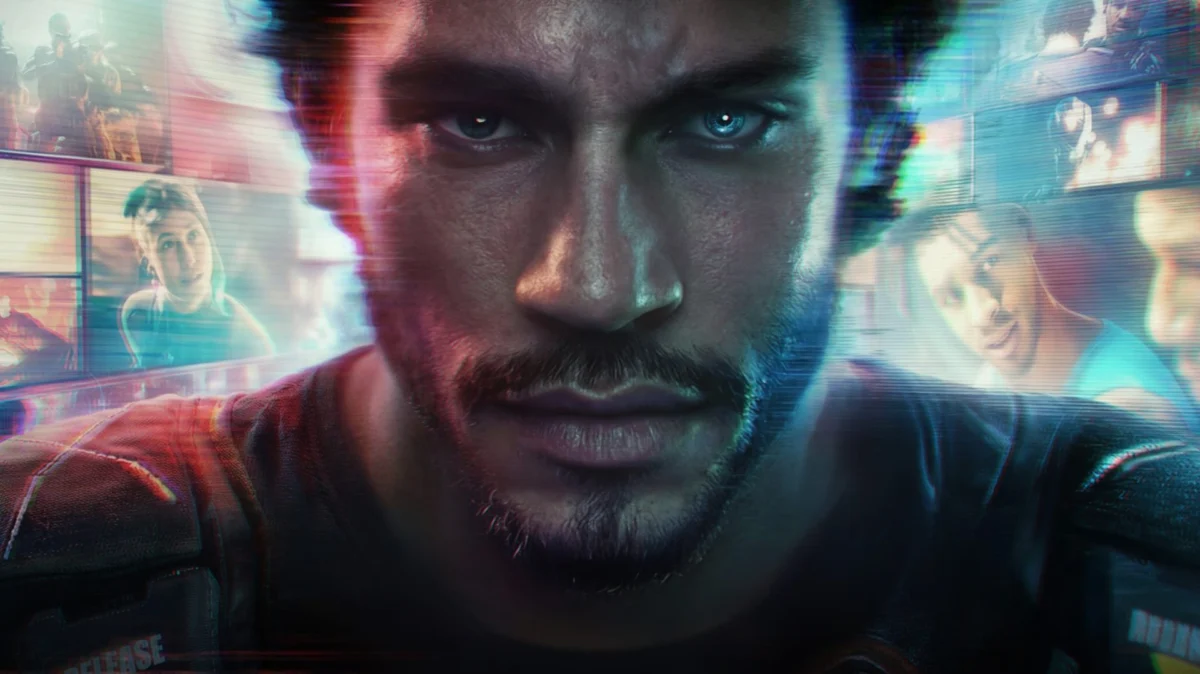
The European video game development landscape has been shaken by the news that Build a Rocket Boy France, the Montpellier-based satellite studio of the United Kingdom’s Build a Rocket Boy, has officially entered judicial liquidation. This development, first reported by the French publication Origami, marks a significant escalation in the ongoing crisis surrounding the studio and its flagship project, MindsEye. The closure of the Montpellier office is expected to result in the immediate loss of approximately 50 jobs, adding to a growing tally of redundancies that have plagued the company since the highly criticized launch of its primary title earlier in 2025.
Judicial liquidation in the French legal system is a procedure initiated when a company is in a state of insolvency and its recovery is deemed impossible. It involves the cessation of business activities and the sale of assets to repay creditors, a process that typically signals the permanent end of a corporate entity’s operations. For Build a Rocket Boy (BaRB), the loss of its French division represents not only a reduction in its global workforce but also a significant blow to its technical infrastructure, as the Montpellier team was deeply integrated into the development of the studio’s ambitious interconnected gaming ecosystem.
The Rise and Ambition of Build a Rocket Boy
To understand the magnitude of the current collapse, it is necessary to examine the pedigree and initial promise of Build a Rocket Boy. Founded by Leslie Benzies, the former president of Rockstar North and a lead architect of the Grand Theft Auto series, the studio was initially greeted with immense industry enthusiasm. Benzies’ departure from Rockstar was a high-profile event, and his new venture attracted substantial venture capital. By early 2024, the studio had secured over $110 million in Series D funding, led by RedBird Capital Partners and supported by existing investors such as Galaxy Interactive, NetEase Games, and Endeavor.
The studio’s primary objective was the creation of "Everywhere," a multi-world gaming platform designed to offer a blend of user-generated content and high-fidelity professional experiences. Within this ecosystem sat MindsEye, a high-octane, story-driven action-adventure game that was intended to showcase the studio’s AAA capabilities. Marketed as a cinematic thriller with cutting-edge graphics and deep narrative complexity, MindsEye was positioned as the "killer app" that would validate Benzies’ vision of a new era in interactive entertainment.
The Disastrous Launch of MindsEye
The trajectory of the company shifted dramatically following the release of MindsEye in early 2025. Despite the high-profile talent involved and the significant financial backing, the game was met with a reception that many industry analysts described as catastrophic. Critics and players alike cited a litany of issues that extended far beyond standard post-launch bugs.
Reviewers highlighted fundamental flaws in the game’s core mechanics, describing the combat as unrefined and the narrative as disjointed. Technical performance was a major point of contention, with reports of frequent crashes, severe frame-rate instability, and broken quest lines that impeded progression. In several year-end retrospectives for the early half of 2025, MindsEye was frequently cited as one of the most disappointing releases of the decade, a stark contrast to the revolutionary experience promised during its multi-year marketing campaign.
While the studio released a series of patches throughout the second quarter of 2025, the underlying structural issues of the game—including what some developers described as "fundamental design incoherence"—proved difficult to rectify. The poor commercial performance of the title led to immediate financial pressure, resulting in the first of several rounds of layoffs that decimated the UK and French teams.
Leadership Controversy and Espionage Allegations
As the studio’s financial situation worsened, the internal culture and leadership strategies of Build a Rocket Boy came under intense scrutiny. Rather than attributing the failure of MindsEye to development hurdles or market miscalculations, members of the executive suite, most notably co-CEO Mark Gerhard, began to promote a narrative of external interference.
Gerhard has publicly alleged that the studio has been the victim of "organized espionage" and "corporate sabotage." According to these claims, internal leaks and deliberate disruptions by unidentified third parties contributed to the game’s poor state at launch and the subsequent negative press. While Gerhard has indicated that the company is pursuing legal avenues and gathering evidence of these claims, the narrative has been met with skepticism by both the gaming public and former employees.
In contrast to the executive narrative, several former developers have spoken out via social media and industry whistleblowing channels, characterizing the studio’s leadership as "disconnected" and "authoritarian." Reports have emerged of a chaotic development environment where high-level creative pivots were frequent, and feedback from the rank-and-file staff was often ignored. These accounts suggest that the "espionage" narrative may be an attempt by leadership to deflect responsibility for the project’s mismanagement.
Chronology of the Build a Rocket Boy Crisis
The decline of Build a Rocket Boy can be mapped through a series of escalating events over the past three years:
- January 2024: The studio closes a $110 million Series D funding round, signaling peak investor confidence.
- Late 2024: Internal reports surface regarding a "death march" crunch period as the studio struggles to meet the MindsEye launch window.
- February 2025: MindsEye launches to widespread critical panning. Players report significant technical failures.
- March 2025: Build a Rocket Boy announces its first major round of layoffs, affecting approximately 15% of the global workforce.
- May 2025: CEO Mark Gerhard first mentions "corporate sabotage" in internal communications, later leaked to the press.
- June 2025: A "Redemption Roadmap" is released, promising a total overhaul of MindsEye over the next 18 months.
- August 2025: A second wave of layoffs hits the UK headquarters.
- October 2025: French media reports that Build a Rocket Boy France has entered judicial liquidation after failing to meet its financial obligations.
The Impact on the Montpellier Development Hub
The closure of the French studio is a significant loss for the Montpellier region, which has long been a cornerstone of the European gaming industry. As the home to major entities like Ubisoft Montpellier, the city has a high density of specialized talent. Build a Rocket Boy France was seen as a prestigious addition to this ecosystem, and its sudden dissolution leaves 50 highly skilled professionals in a precarious position.
The liquidation process in France provides some protections for workers, including the involvement of a state-appointed liquidator who oversees the payment of outstanding wages through a national guarantee fund (AGS). However, the psychological and professional impact on the team is profound. Many of these developers had been recruited with the promise of working on a revolutionary project led by industry legends, only to find themselves caught in a collapse driven by executive turmoil.
Analysis of Implications for the AAA Industry
The situation at Build a Rocket Boy serves as a cautionary tale for the contemporary "AAA" and "III" (independent AAA) gaming sectors. It highlights several critical risks:
- The Peril of the "Platform" Model: BaRB attempted to build both a massive engine/platform (Everywhere) and a flagship game (MindsEye) simultaneously. This dual-track development is notoriously difficult and resource-intensive, often leading to both components being under-baked.
- Executive Isolation: The disconnect between the C-suite’s "sabotage" narrative and the developers’ "mismanagement" reports suggests a breakdown in internal communication that is often fatal for creative enterprises.
- The Limits of Pedigree: The failure of MindsEye demonstrates that even with a founder as storied as Leslie Benzies, success is not guaranteed. Investors and players alike are becoming more wary of projects sold primarily on the reputation of a single "visionary" figure.
- Economic Volatility in Satellite Studios: When a parent company faces a cash flow crisis, satellite offices in foreign jurisdictions—which often have different labor laws and higher operational complexities—are frequently the first to be sacrificed.
The Path Forward for Build a Rocket Boy
With the French studio gone and the UK headquarters significantly reduced in size, the future of Build a Rocket Boy remains uncertain. The company’s stated goal is to continue supporting MindsEye and eventually launch the broader "Everywhere" platform. However, the loss of 50 developers from the French team, who were integral to the technical pipeline, creates a massive void in the studio’s production capacity.
The "redemption arc" that management hopes for—akin to the turnarounds seen by titles like No Man’s Sky or Cyberpunk 2077—requires not just time and money, but also the trust of the gaming community. With ongoing allegations of corporate espionage and a trail of redundant employees, rebuilding that trust may prove to be a more difficult task than fixing the game’s code.
As the judicial liquidation of the Montpellier office proceeds, the industry will be watching closely to see if Build a Rocket Boy can stabilize its remaining operations or if this is merely the penultimate chapter in the story of one of the most ambitious and troubled game studios of the decade. For now, 50 developers in France join the thousands of others worldwide who have been displaced during a period of unprecedented volatility in the global games industry.