Sonny Valindra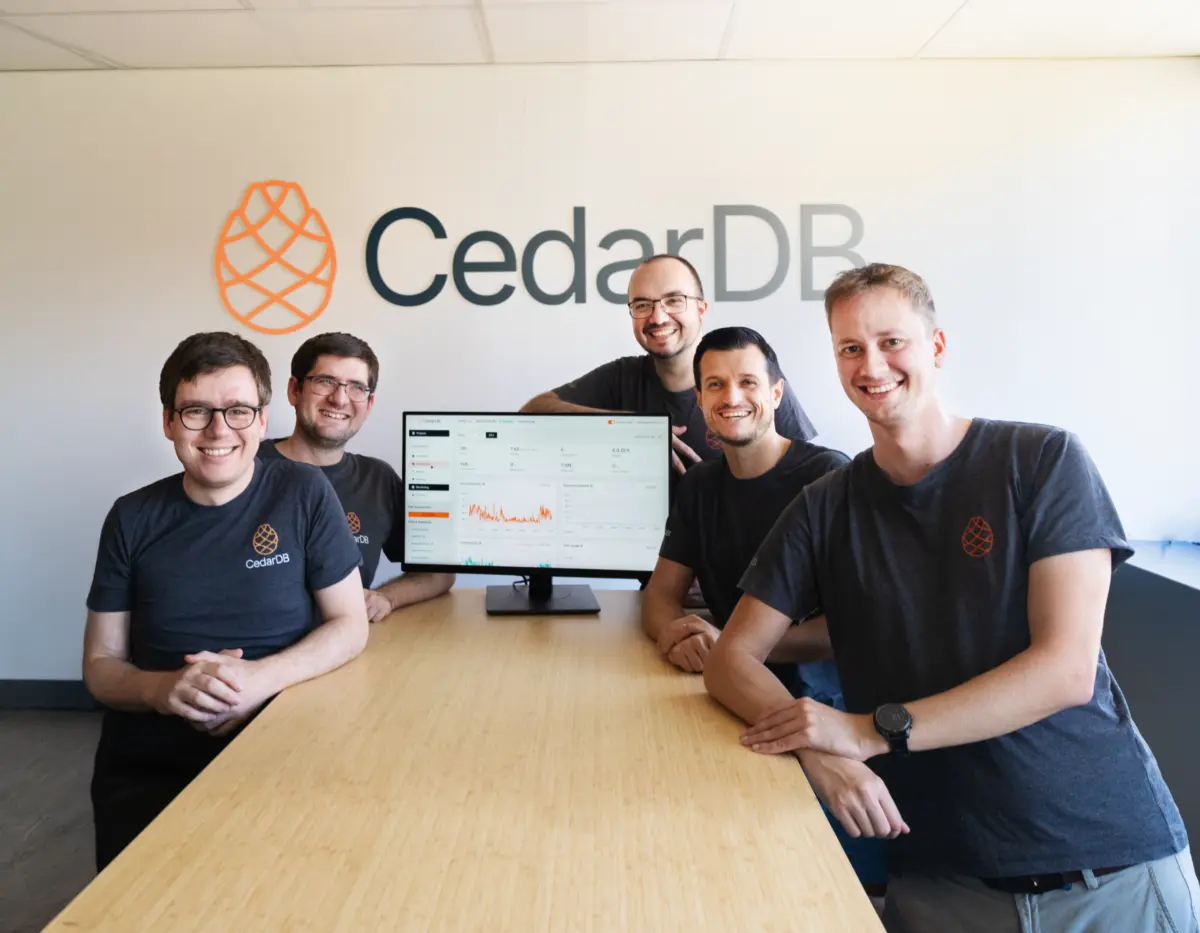
The traditional dichotomy of database systems, which historically separated analytical functions for trend spotting from operational databases for day-to-day transactions, is being challenged by Munich-based startup CedarDB. The company’s unified engine, designed to efficiently handle both analytical queries and transactional data, is gaining significant traction, particularly with the burgeoning influence of agentic artificial intelligence. CedarDB’s co-founder and CEO, Moritz Sichert, shared insights with TechCrunch regarding this strategic alignment and the company’s recent advancements, including the limited availability of its cloud offering.
The Genesis of a Unified Approach
CedarDB’s journey began over a decade ago, rooted in a fundamental re-evaluation of database architecture. The impetus for this re-evaluation was the increasing complexity faced by enterprise companies. Many organizations found their existing data stacks, while adept at storing vast quantities of transactional data over years, struggled to provide rapid, natural language-based analytical insights. This disconnect created a bottleneck for businesses seeking to derive actionable intelligence from their operational data in real-time.
The core of CedarDB’s innovation lies in its questioning of the strict divide between analytical and operational queries. This approach is a direct consequence of its foundational focus on efficiency. Emerging from the Technical University of Munich, CedarDB is a spinout of the research project Umbra. Umbra was meticulously engineered from the ground up with a singular objective: to surpass the processing speeds of legacy database engines by fully leveraging the capabilities of modern hardware.
From Research to Production: The Umbra Legacy
The founding team of CedarDB comprises five researchers from the Umbra project, bringing with them a deep understanding of high-performance database design. This academic rigor has been meticulously translated into CedarDB’s commercial offering. The company has consistently championed a performance-driven model that eschews the need for increased CPU power, processing capacity, or memory. Instead, CedarDB achieves its speed through intelligent optimization of existing hardware resources. This commitment to efficiency translates into minimal disruption and lower switching costs for customers.
A critical decision in CedarDB’s development was its commitment to PostgreSQL compatibility. PostgreSQL, an open-source relational database system, boasts a massive global user base and a reputation for robustness and extensibility. By aligning with PostgreSQL’s architecture and query logic, CedarDB significantly lowered the barrier to adoption.
"This compatibility with the popular database helps keep switching costs low, since users don’t need to rebuild their apps," Sichert explained. This strategic choice not only facilitated easier integration for existing PostgreSQL users but also proved serendipitous in the context of evolving AI capabilities. The logical structure inherent in PostgreSQL’s design closely mirrors the patterns that large language models (LLMs) are trained on, making natural language queries against CedarDB’s data exceptionally intuitive.
Navigating the Path to Market
The transition from academic research to a commercial product involved significant strategic considerations. Cofounder Christian Winter, in a blog post detailing the team’s journey, highlighted key priorities established after their departure from academia. These included an unwavering focus on reliability, fault tolerance, and seamless integration with widely adopted tools.
One of the more debated decisions during the company’s formative stages was the timing of a cloud offering. After extensive internal discussion, CedarDB opted for a phased launch. In May of last year, the company simultaneously announced CedarDB Enterprise, an on-premise solution, and CedarDB Community Edition, a free version. This launch coincided with the announcement of a €5.3 million (approximately $6 million) seed funding round, providing the capital necessary for further development and market penetration.
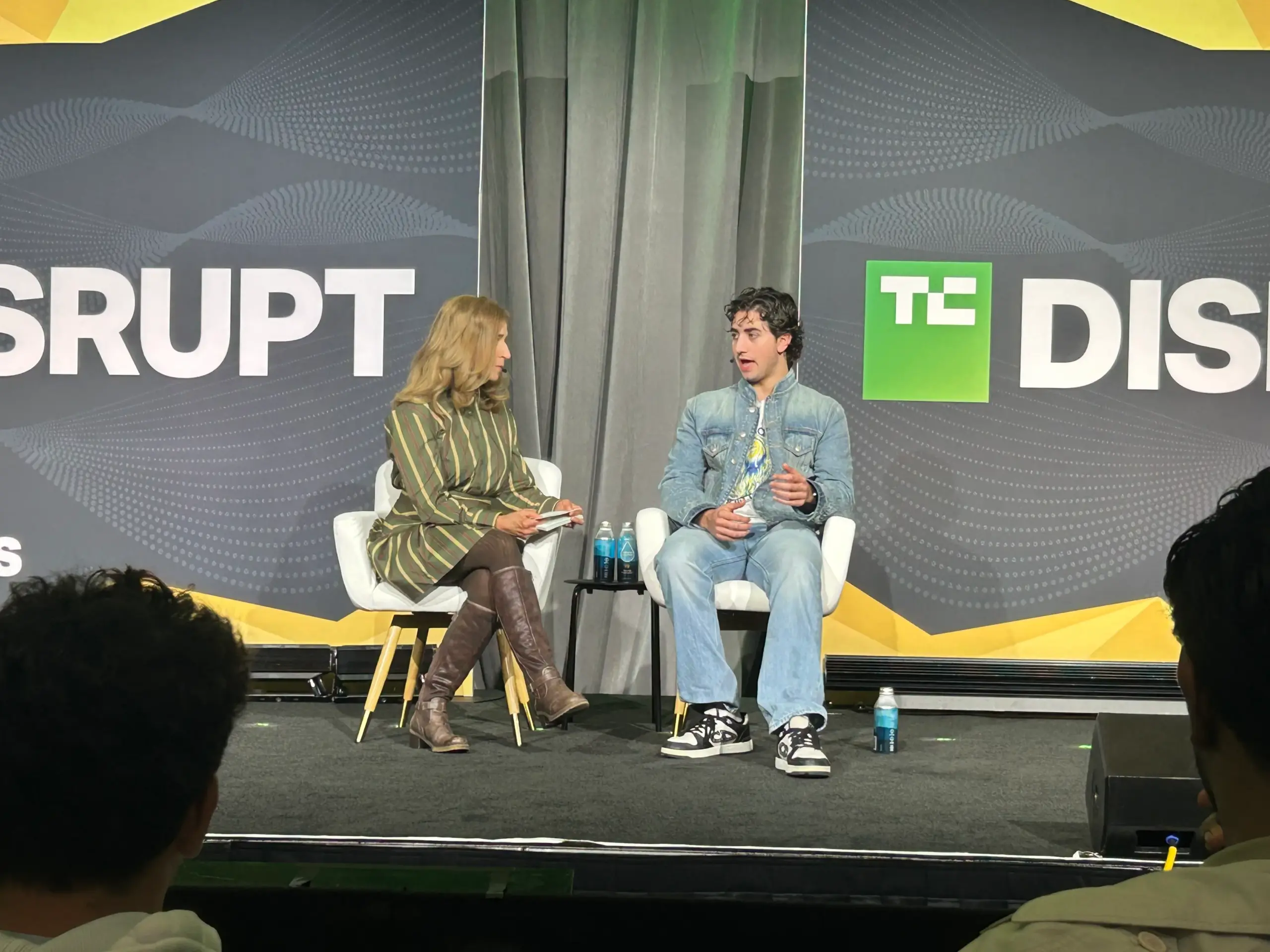
The delay in a cloud offering was strategic, not an abandonment of the concept. Following a period of beta testing with a curated list of waitlist users, CedarDB announced the limited availability of CedarDB Cloud. This unveiling took place on stage at TechCrunch Disrupt, a premier startup competition where CedarDB was among 20 other promising companies vying for recognition.
The Agentic AI Imperative
The rise of agentic AI, where AI systems can autonomously perform tasks and make decisions, has significantly amplified the relevance of CedarDB’s unified approach. Agentic AI systems require not only access to vast amounts of data but also the ability to analyze and act upon that data with unprecedented speed and flexibility. Traditional databases, siloed into analytical and operational functions, often struggle to meet these demands.
CedarDB’s ability to serve both transactional and analytical workloads on a single platform makes it an ideal foundation for agentic AI applications. This is because these AI agents often need to read current transactional data to inform their actions and then immediately analyze the outcomes of those actions. The need for low-latency access to both operational and analytical views of data is paramount.
This trend is not unique to CedarDB. The broader industry is witnessing a convergence of data architectures. Databricks, a major player in the data and AI space, also recognized this shift. At its Data + AI Summit in June, Databricks cited "the agentic era" as the driving force behind the launch of LTAP (Lakehouse Transactional Analytics Platform). LTAP aims to unify transactions, analytics, streaming, and operational data within a single storage layer, mirroring CedarDB’s core proposition.
Moritz Sichert views Databricks’ move as a validation of CedarDB’s strategy and a testament to the growing market demand for unified data platforms. "It is too early to tell how disruptive this might be," Sichert commented, "but Sichert interprets Databricks’ move as another sign that there is demand for what CedarDB does."
Expanding Reach and Future Ambitions
The introduction of CedarDB Cloud is expected to broaden the company’s appeal beyond large enterprises, making its powerful data engine accessible to a wider range of businesses. A fully managed, cloud-hosted solution typically lowers operational overhead for users and simplifies deployment, thereby attracting a more diverse customer base.
Currently, CedarDB operates with a lean team of 14 individuals. However, Sichert anticipates that the company’s growth, particularly with the traction gained from its cloud offering, will necessitate an expansion of its workforce. "And this is where we would raise our next round," he stated, indicating a clear roadmap for future fundraising to support this expansion.
The company’s presence at TechCrunch Disrupt underscores its ambition to gain significant market visibility and attract potential investors and customers. By showcasing its technology on a prominent stage, CedarDB aims to solidify its position as a leader in the next generation of data infrastructure, capable of powering the increasingly sophisticated demands of the agentic AI era. The competition at Disrupt, which features startups across various sectors, provides a crucial platform for CedarDB to demonstrate its unique value proposition and its potential to redefine how businesses interact with their data.
The journey from a university research project to a burgeoning startup poised to challenge established players is a testament to the team’s foresight and technical prowess. CedarDB’s commitment to efficiency, PostgreSQL compatibility, and a unified approach to data management positions it as a compelling solution for organizations navigating the complexities of the modern data landscape and preparing for the widespread adoption of advanced AI capabilities. The success of its cloud offering and subsequent growth will be closely watched as the industry continues to evolve.