Galang Taruna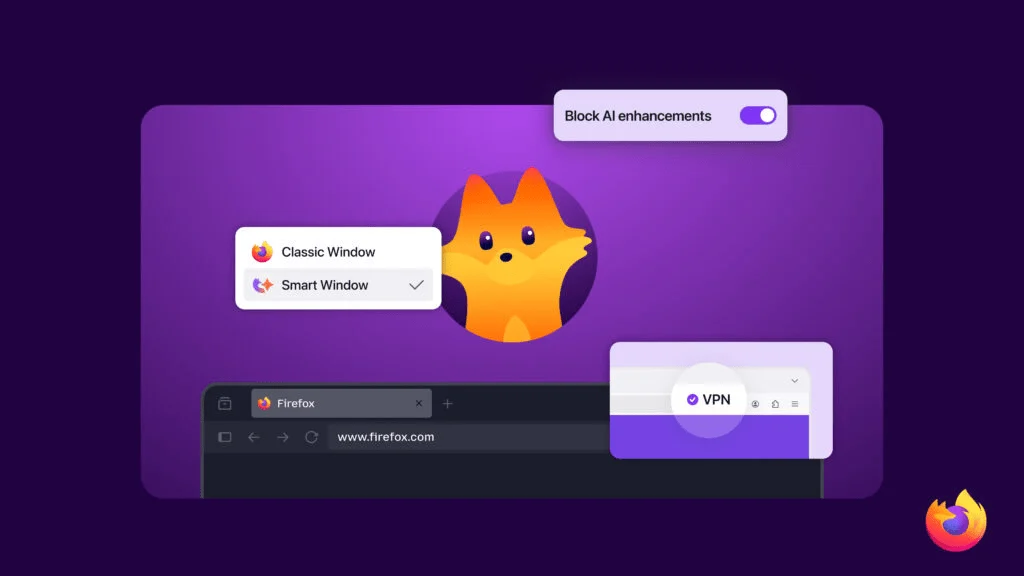
Mozilla, the developer behind the Firefox web browser, appears to have decisively responded to months of escalating user discontent, culminating in the imminent release of Firefox 149 on March 24, 2026. This landmark update signals a significant strategic pivot, moving away from a controversial period marked by aggressive, often unwelcome, artificial intelligence integrations. Instead, Firefox 149 re-establishes the browser’s foundational commitment to user privacy, control, and practical productivity tools, headlined by a new integrated VPN service and a revamped user interface.
Background: Navigating a Turbulent Period
The past year has been particularly challenging for Mozilla. Following a series of updates that saw AI features increasingly pushed into the browser experience – sometimes appearing "at every corner of the window" – a vocal segment of its user base expressed profound dissatisfaction. Early iterations of AI integration, which included features like automatic article summarization or AI-driven content recommendations, were often perceived as intrusive, resource-intensive, and, crucially, a deviation from Firefox’s long-standing ethos of user autonomy and data privacy. This period was widely described as a "turbulent zone," causing historical users to "start looking elsewhere" for alternatives, a trend exacerbated by what many perceived as unclear or insufficient communication from Mozilla regarding its AI strategy.
Reports from analytics firms during late 2024 and early 2025 indicated a measurable dip in Firefox’s already modest market share, particularly among power users and privacy advocates who had historically championed the open-source browser. Surveys conducted by independent tech publications showed a significant portion of long-time Firefox users expressing disappointment, with some citing a feeling of betrayal as the browser seemed to mimic the "feature bloat" of competitors while potentially compromising its core values. The community outcry, often vocalized on forums, social media, and open-source platforms, served as a clear warning that Mozilla’s approach to AI was alienating its most loyal constituents.
A Strategic Reaffirmation: Back to Core Principles
With Firefox 149, Mozilla aims to mend fences and reaffirm its identity as a bastion of the open web. The overarching message accompanying this release is a renewed focus on empowering users rather than dictating their browsing experience. "Mozilla wants to become the refuge again for those seeking an efficient, privacy-respecting tool, and most importantly, one that doesn’t decide for you," a company statement implicitly conveyed. This shift represents a conscious effort to recenter development on the "raw product," prioritizing core browser performance, security, and user-driven functionality over speculative, and often controversial, AI enhancements.
This strategic recalibration is not merely a reactive measure but reflects a deeper understanding of its user base’s expectations. For years, Firefox carved out a niche as the go-to browser for individuals concerned about surveillance capitalism and proprietary software. Its commitment to open standards, transparent data handling, and robust privacy protections formed the bedrock of its appeal. The recent AI push, while perhaps intended to modernize the browser and compete with tech giants, inadvertently undermined these very principles. Version 149, therefore, is positioned as a return to form, an apology in code, designed to rebuild trust and re-establish Firefox as a user-centric digital companion.
Headline Features: Privacy and Productivity Reign Supreme
Firefox 149 introduces several significant features designed to enhance user privacy and productivity, directly addressing past criticisms and current market demands:
-
Integrated 50GB Free VPN: This is arguably the most impactful addition. Unlike many third-party browser extensions that often come with dubious privacy policies or performance issues, Mozilla is offering a proprietary, built-in VPN solution. Based on its own rigorous data protection principles, this service provides 50 GB of free data per month, available immediately upon launch in France and other key markets without any additional downloads or subscriptions. The service functions as a proxy, effectively masking the user’s IP address and geographical location. While 50 GB is not unlimited, it is more than sufficient for securing sensitive browsing sessions, online purchases, or accessing geo-restricted content sporadically. This move positions Firefox competitively against browsers like Opera, which offers a free, albeit more limited, VPN, and underscores Mozilla’s commitment to offering robust privacy tools directly within the browser. The integration of such a service from a trusted entity like Mozilla is a strong statement in an era of increasing online surveillance and data breaches.
-
Split View Functionality: Catching up with competitors like Microsoft Edge and Google Chrome, Firefox 149 finally introduces a native "Split View" mode. This feature allows users to display two web pages side-by-side within a single browser window, significantly boosting multitasking capabilities. For researchers, writers, developers, or anyone needing to cross-reference information, this integration streamlines workflows and eliminates the need to constantly switch between tabs or open multiple browser windows. It’s a practical productivity enhancement that users have long requested, demonstrating Mozilla’s renewed focus on tangible user experience improvements.
-
Tab Notes: Addressing the common problem of forgotten context when revisiting old tabs, Firefox 149 includes a new "Tab Notes" function. This feature enables users to scribble short notes directly onto an open tab, providing immediate reminders of why a page was opened, what information was relevant, or what actions still need to be taken. This small but impactful addition caters to the modern browsing habit of accumulating numerous tabs for various tasks, ensuring continuity and reducing cognitive load.
The Evolution of AI: Smart Window and Optionality
Crucially, the contentious AI features have not been entirely abandoned but have been intelligently re-evaluated and re-implemented. The previously forced "AI Window" has been rebranded as "Smart Window" and, most importantly, is now entirely optional. Users wishing to leverage AI capabilities for tasks such as summarizing articles or comparing products will find these features available, but they are no longer imposed. Instead, access is now subject to a waitlist, ensuring that only those genuinely interested opt-in. This nuanced approach demonstrates a learning curve for Mozilla, acknowledging that while AI can be a powerful tool, its integration must be on the user’s terms, respecting their preferences and privacy boundaries. This shift is vital for regaining the trust of users who felt their agency was being eroded.
Aesthetic and Brand Revitalization
Beyond functional enhancements, Firefox 149 also brings a comprehensive visual refresh. Themes, icons, and toolbars have all been redesigned to present a more modern, fluid, and intuitive user interface. This aesthetic overhaul is more than superficial; it signals a desire to present a contemporary image, aligning the browser’s look and feel with its renewed focus on performance and user experience. Furthermore, a new mascot named "Kit" makes its debut, designed to accompany users and inject a fresh, approachable personality into the Firefox brand. Such branding efforts often aim to foster a stronger emotional connection with users, particularly newer generations, while subtly reinforcing the browser’s evolving identity.
Leadership’s Vision and Community Engagement
Ajit Varma, the head of Firefox, expressed considerable optimism regarding the latest release. "The roadmap for Firefox this year is the most exciting we’ve developed in a long time," Varma stated, emphasizing that Mozilla is now "exclusively focused on creating the best possible browser," a mission directly informed by "feedback from the community." This statement is a direct acknowledgment of the user backlash and a commitment to a more collaborative development process. By explicitly linking the new features and strategic direction to community input, Mozilla seeks to reassure its user base that their voices have been heard and acted upon.
Implications and Future Outlook
The release of Firefox 149 represents a critical juncture for Mozilla. After a period of experimentation that risked alienating its core audience, this update serves as a clear course correction. By prioritizing an integrated VPN, robust productivity tools, and an optional, user-controlled approach to AI, Firefox is attempting to differentiate itself in a crowded browser market dominated by tech giants.
The integrated 50GB VPN, in particular, could be a significant draw for users increasingly concerned about digital privacy without wishing to invest in standalone VPN services. This feature, combined with a revitalized user experience and a clear commitment to user control, positions Firefox as a strong contender for users seeking an ethical, powerful, and secure browsing alternative.
However, challenges remain. Rebuilding trust and regaining lost market share will be a gradual process. The browser landscape is intensely competitive, with Chrome, Edge, and Safari holding substantial sway. Mozilla’s ability to consistently deliver on its renewed promise of privacy and user-centric development will be paramount. Future iterations might explore tiered VPN services or additional premium features, but the foundation laid by Firefox 149 suggests a return to the principles that first endeared it to millions: a commitment to an open, private, and user-empowered web experience. The success of this pivot will not only determine Firefox’s future but also serve as a crucial test case for how independent software organizations can navigate the complexities of AI integration while upholding their core values.