Clarissa Hana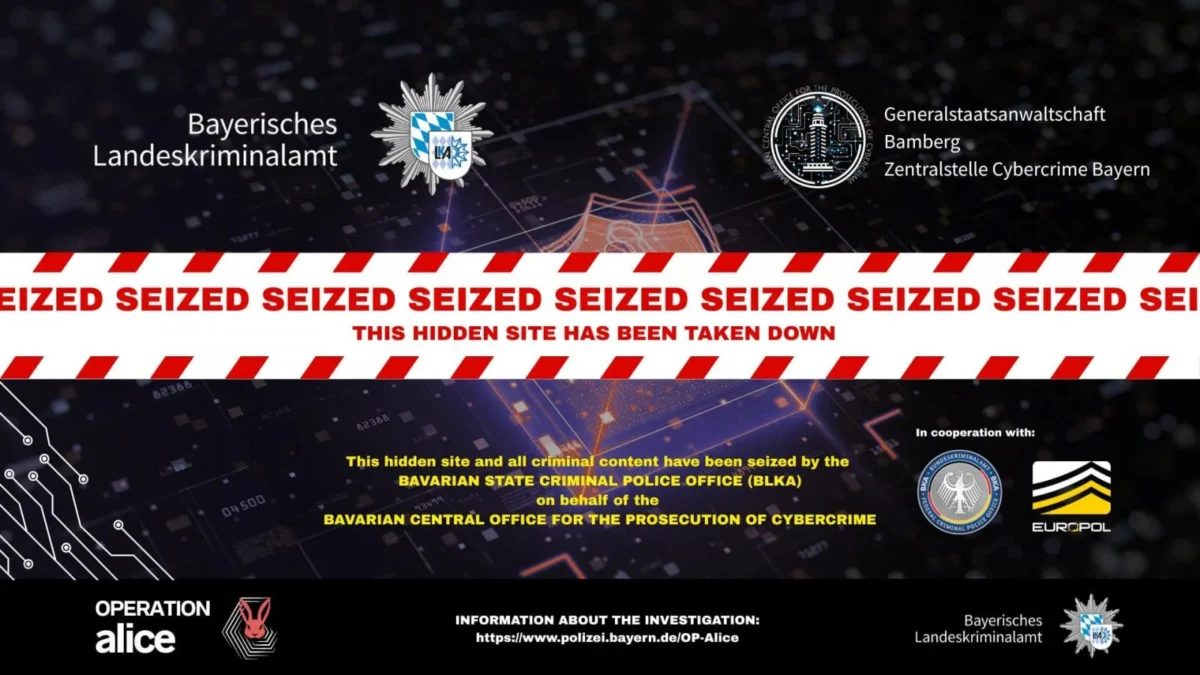
An extensive international law enforcement operation, codenamed Operation Alice, has successfully dismantled a vast network of over 373,000 dark web websites that were masquerading as distributors of child sexual abuse material (CSAM). These fraudulent sites, instead of providing illegal content, were designed as elaborate scams to defraud unsuspecting individuals, while also advertising other illicit cybercrime-as-a-service offerings. The investigation, spearheaded by German authorities and bolstered by the crucial support of Europol, signifies a significant victory in the global fight against online child exploitation and cybercrime.
The genesis of Operation Alice can be traced back to mid-2021, when law enforcement agencies began to zero in on a sophisticated platform known as "Alice with Violence CP." This operation identified a 35-year-old suspect, believed to be based in China, as the alleged mastermind behind this extensive fraudulent enterprise. The platform’s modus operandi was particularly insidious: it not only advertised purported CSAM packages but also offered a range of other criminal services, including access to stolen credit card data and compromised computer systems, further entrenching itself as a hub for various forms of cyber illicit activity.
The Deceptive Mechanics of the Scam
Europol’s detailed findings reveal the intricate, yet ultimately fraudulent, nature of these dark web sites. They would typically display alluring previews of the claimed CSAM "packages" to entice potential buyers. This visual bait was a critical component of the scam, designed to hook individuals who were seeking to engage in the abhorrent act of purchasing child abuse material. Once a user was sufficiently lured, they would be prompted to enter their email addresses and make payments, primarily using Bitcoin. The price for these non-existent packages ranged significantly, from a modest EUR 17 to a more substantial EUR 250.
"Each package had an estimated cost of between EUR 17 and EUR 215, and promised data volumes ranging from a few gigabytes to several terabytes of CSAM," Europol stated in its official communication. However, the reality was starkly different. "These were purely fraudulent sites where CSAM was advertised and previewed but never delivered," Europol confirmed, underscoring the complete lack of substance behind the enticing advertisements. The victims, therefore, not only fell prey to a financial scam but also inadvertently became complicit in the broader ecosystem of child abuse by attempting to procure such material.

Scale of the Operation and Victimology
The scale of the deception is staggering. It is estimated that approximately 10,000 users were duped into making payments, collectively transferring around $400,000 USD to the operator of these fraudulent sites. The subsequent investigation by authorities has managed to identify 440 of these users across 23 different countries. Law enforcement is currently conducting active investigations into 100 of these identified individuals.
It is crucial to highlight that while these individuals did not receive the illegal material they sought, their actions are not without legal consequence. In many jurisdictions worldwide, the mere attempt to purchase CSAM is a criminal offense, demonstrating clear criminal intent and contributing to the financial and societal normalization of child abuse. By attempting to engage in such transactions, these individuals, even if scammed, were financially supporting the abhorrent industry of child exploitation and signaling a willingness to participate in it. This underscores the proactive approach of law enforcement in not only dismantling the supply chains of illegal content but also in prosecuting those who seek to consume it.
Infrastructure Seized and International Pursuit
The dismantling of the "Alice with Violence CP" platform involved the comprehensive seizure of its underlying infrastructure. At its peak, the scam network relied on a robust network of 287 servers. A significant portion of this critical infrastructure, specifically 105 servers, was located in Germany, making the country a key operational hub for the illicit activities. These servers have now been taken offline and seized by German authorities.
In parallel with the technical takedown, German law enforcement has issued an international arrest warrant for the primary suspect, the 35-year-old operator of the platform who is believed to be residing in China. This move signifies the commitment of international law enforcement to pursue perpetrators of such crimes regardless of their geographical location, highlighting the interconnected nature of global cybercrime and the necessity for transnational cooperation.
Broader Implications and Europol’s Continued Efforts
Operation Alice is not an isolated incident but part of Europol’s ongoing and multifaceted commitment to combating child sexual abuse material and protecting children online. The agency consistently emphasizes its broader child protection initiatives, which include educational resources, prevention campaigns, and support platforms for victims.
.jpg)
One such initiative is the "Help4U" support platform, launched in November 2025, which serves as a vital lifeline for young people facing online sexual abuse. This platform offers guidance, resources, and access to support services, aiming to empower vulnerable individuals and provide them with avenues for help.
Furthermore, Europol actively promotes its "Stop Child Abuse – Trace an Object" initiative. This innovative program encourages the public to actively participate in the fight against child abuse by identifying the origins of objects seen within CSAM material. Such information can be invaluable for law enforcement, potentially leading to the identification of perpetrators, the location of victims, and ultimately, the rescue of children from ongoing abuse. This initiative exemplifies a community-centric approach to law enforcement, leveraging the collective power of citizens to combat a pervasive societal ill.
The success of Operation Alice underscores several critical points: the persistent threat of CSAM and cybercrime on the dark web, the effectiveness of international law enforcement collaboration, and the evolving tactics employed by criminals. While these fraudulent sites did not deliver illegal content, their existence highlights the pervasive demand for such material and the criminal enterprises that seek to exploit it. The financial losses incurred by victims, coupled with the legal ramifications for attempting to purchase CSAM, serve as a stark reminder of the dangers and consequences associated with engaging with illicit online marketplaces.
The continued efforts by agencies like Europol, in conjunction with national law enforcement bodies, are crucial in disrupting these criminal networks, apprehending perpetrators, and most importantly, protecting the most vulnerable members of society. The operation’s success in identifying and investigating users who attempted to purchase CSAM also signals a shift towards holding consumers of this abhorrent material accountable, aiming to reduce the demand that fuels the abuse in the first place. As technology evolves, so too must the strategies employed by law enforcement to stay ahead of cybercriminals and safeguard the digital realm from those who seek to exploit it for the most heinous of purposes. The fight against child sexual abuse is a marathon, and Operation Alice represents a significant stride forward.