admin
admin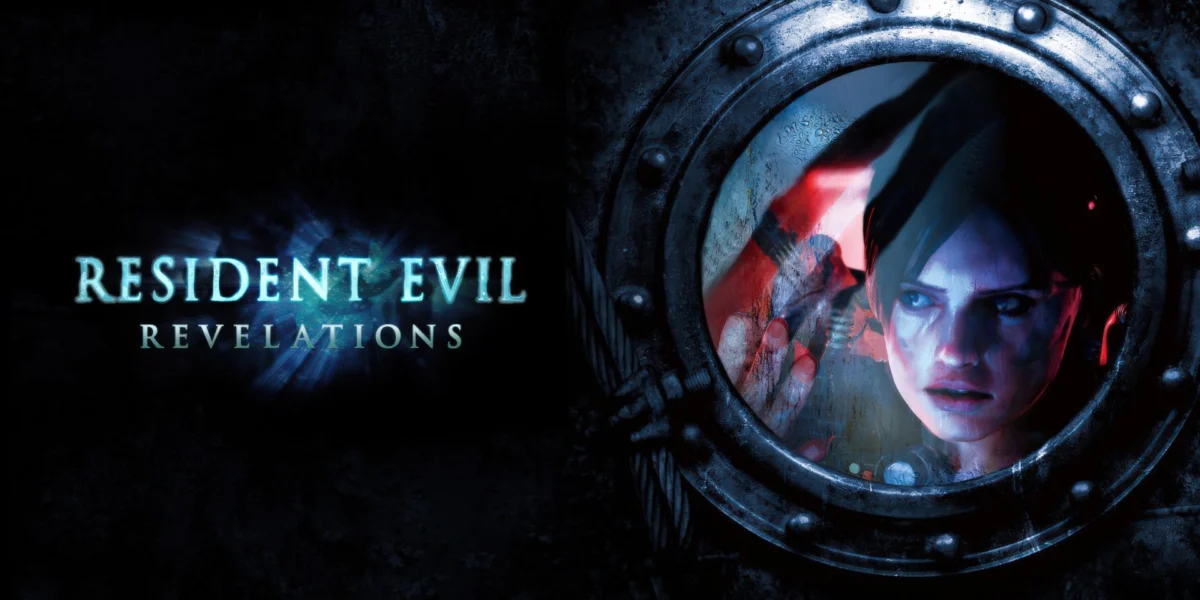
The Japanese video game developer and publisher Capcom is reportedly in the preliminary stages of evaluating a remake for Resident Evil Revelations, according to prominent industry insider and leaker Dusk Golem. This internal deliberation follows a period of unprecedented commercial and critical success for the Resident Evil franchise, driven largely by the RE Engine-powered remakes of Resident Evil 2, Resident Evil 3, and Resident Evil 4. The potential project would signify a shift in Capcom’s remake strategy, moving beyond the numbered mainline entries to explore the "Revelations" sub-series, which originally bridged the narrative and stylistic gaps between the franchise’s more action-oriented era and its survival horror roots.
The news surfaced following a series of social media interactions where Dusk Golem, known for a high degree of accuracy regarding Capcom’s internal roadmaps, shared a projected timeline for the Resident Evil series. This timeline reportedly includes a Resident Evil Zero remake currently in development with a tentative 2028 launch window, alongside the highly anticipated Resident Evil 9, currently referred to by some sources under the working title "Requiem." When questioned by the community regarding the status of the Revelations spin-offs, the leaker indicated that Capcom has "tossed around" the possibility of a Resident Evil Revelations remake, noting that the creative leadership currently guiding the franchise has deep ties to those specific titles.
The Strategic Importance of the Revelations Sub-Series
The original Resident Evil Revelations holds a unique position within the franchise’s history. Released in 2012 for the Nintendo 3DS, the game was developed during a period of identity crisis for the series. While the mainline entries of that era, specifically Resident Evil 5 and Resident Evil 6, moved toward high-octane action and global scales, Revelations was designed as a return to the series’ claustrophobic, survival horror foundations. It introduced a more deliberate pace, resource management, and a focus on atmospheric tension that had been largely absent in the high-budget numbered entries of the time.
The connection between Revelations and the current direction of the franchise is more than thematic; it is institutional. Koshi Nakanishi, who directed the first Revelations, went on to direct Resident Evil 7: Biohazard—the title credited with reinventing the series for a modern audience—and is reportedly spearheading the upcoming Resident Evil 9. Dusk Golem pointed out that the directors of the Revelations games are currently the primary architects of the Resident Evil franchise. This internal advocacy makes a remake of the 2012 title a logical progression for Capcom, as the foundations laid in Revelations were crucial in shaping the design philosophy of the modern "RE Engine era."
Chronology and Narrative Context
The Resident Evil timeline is notoriously dense, and the Revelations games serve as essential connective tissue. The first Resident Evil Revelations is set in 2005, placing it chronologically between the events of Resident Evil 4 and Resident Evil 5. The narrative follows BSAA (Bioterrorism Security Assessment Alliance) agents Jill Valentine and Parker Luciani as they investigate the Queen Zenobia, a derelict luxury cruise ship in the Mediterranean Sea. The mission was initially a search-and-rescue operation for Chris Redfield and Jessica Sherawat, who had gone missing during their investigation into the bioterrorist group Veltro.
The game utilized an episodic structure, mimicking a television thriller format, complete with "previously on" recaps. This allowed the narrative to jump between different perspectives and locations, including the snowy peaks of the Terragrigia ruins and the coastal regions of Europe. The primary threat centered on the T-Abyss virus, a marine-based pathogen that transformed humans into horrific, water-logged "Ooze" creatures. A remake would provide Capcom the opportunity to refine this episodic pacing into a more seamless cinematic experience, similar to how they reimagined the pacing of Resident Evil 4.
Technical Evolution and the Need for a Modern Reimagining
While Resident Evil Revelations received an HD remaster for PC, PlayStation 3, and Xbox 360 in 2013, and later for eighth-generation consoles, its origins as a handheld title remain evident in its technical architecture. The game was designed to accommodate the hardware limitations of the Nintendo 3DS, resulting in smaller environments, simplified textures, and controls that many modern players find cumbersome.
A remake built on the RE Engine would allow for a total overhaul of the Queen Zenobia’s interior. The engine’s advanced lighting and particle effects are particularly well-suited for the dark, damp, and claustrophobic corridors of a ghost ship. Furthermore, the "Ooze" enemies, which were somewhat limited in their animations on original hardware, could be reimagined with the same level of visceral detail seen in the zombies of the Resident Evil 2 remake or the Ganados of Resident Evil 4. Updating the controls to match the modern third-person over-the-shoulder standard would also address the "clunky" feel of the original, potentially making the title more accessible to the millions of new fans who joined the franchise during the PlayStation 5 and Xbox Series X|S era.
Financial Performance and Capcom’s "Golden Goose"
Capcom’s consideration of a Revelations remake is undoubtedly driven by the financial trajectory of the Resident Evil brand. In recent years, the franchise has become Capcom’s most reliable revenue generator. According to the company’s latest financial reports, the Resident Evil series has surpassed 150 million units sold worldwide.
The success of recent remakes provides a clear roadmap for the company:
- Resident Evil 2 (2019): Over 13.9 million units sold.
- Resident Evil 3 (2020): Over 8.7 million units sold.
- Resident Evil 4 (2023): Over 7 million units sold within its first year.
Furthermore, Resident Evil Village (the eighth mainline entry) and the rumored performance of the upcoming "Requiem" suggest that the audience’s appetite for horror is at an all-time high. By remaking Revelations, Capcom can maximize the value of its existing intellectual property while filling gaps in its release calendar. The "Revelations" branding allows Capcom to maintain a two-track release strategy: major numbered entries that push the narrative forward, and remakes or "side" stories that flesh out the lore and revisit fan-favorite characters like Jill Valentine, who has been largely absent from the modern timeline since the events of Resident Evil 5.
Industry Implications and Fan Reception
The potential for a Resident Evil Revelations remake raises questions about the prioritization of Capcom’s internal projects. For years, a vocal segment of the fanbase has campaigned for a remake of Resident Evil – Code: Veronica, a title many consider to be the "true" Resident Evil 3 in terms of narrative importance. While Dusk Golem’s leaks suggest that Code: Veronica is indeed on the horizon (potentially for 2027), the mention of Revelations indicates that Capcom is looking at the franchise as a comprehensive library rather than just a sequence of numbered titles.
Industry analysts suggest that Capcom is adopting a "continuous cycle" model for Resident Evil. By alternating between new entries (RE9) and remakes (RE0, Code: Veronica, Revelations), the company ensures that a high-quality Resident Evil experience is available nearly every 18 to 24 months. This strategy not only sustains player engagement but also bolsters Capcom’s digital sales, as new releases often drive "catalog sales" of previous titles in the series.
Potential Challenges in Remaking Revelations
Despite the enthusiasm, a Revelations remake presents unique challenges. The original game’s "Raid Mode"—a highly popular cooperative arcade-style mission mode—would require significant investment to modernize. In an era where live-service elements and cooperative multiplayer are under heavy scrutiny, Capcom would need to decide whether to maintain Raid Mode as a pure extra or expand it into a more robust standalone feature.
Additionally, the episodic nature of the original story was designed for short play sessions on a handheld device. Translating this to a home console remake would require a delicate balance. If Capcom removes the episodic structure, they risk losing the game’s original identity; if they keep it, it may feel fragmented compared to the seamless flow of the Resident Evil 4 remake.
Conclusion and Future Outlook
While Capcom has not officially confirmed the development of a Resident Evil Revelations remake, the confluence of leaker testimony, the career trajectories of Capcom’s top directors, and the company’s stated financial goals make the project appear highly probable. As the studio continues to refine its RE Engine and expand the Resident Evil universe, the Queen Zenobia may soon be ready for a second voyage, bringing the T-Abyss virus and Jill Valentine’s missing years back into the spotlight.
For now, fans of the series look toward 2025 and beyond, with Resident Evil 9 expected to be the next major milestone. However, if Dusk Golem’s timeline holds true, the later half of the decade will be defined by a series of ambitious remakes that seek to unify the entire Resident Evil saga under a single, modern technical standard. Whether it is the survival horror of the Arklay Mountains in a Resident Evil Zero remake or the maritime terror of Revelations, Capcom appears committed to ensuring its "golden goose" remains the premier name in the horror genre.