Chandra Wibowo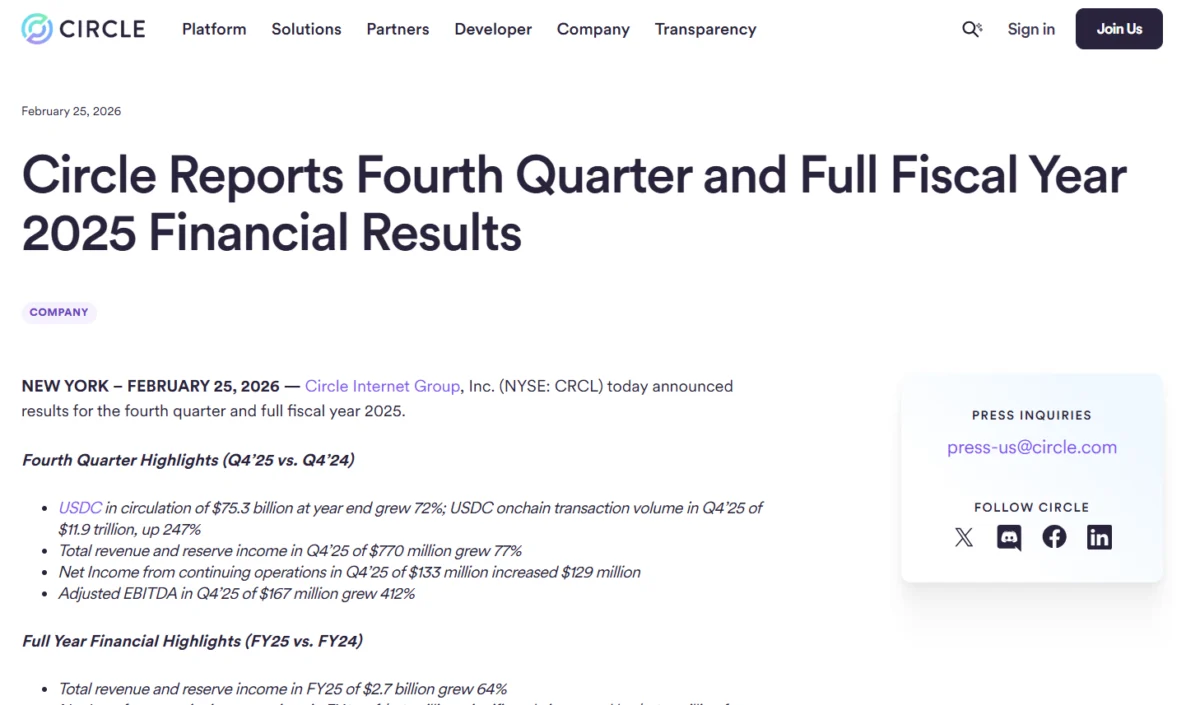
Circle CEO Jeremy Allaire has articulated a compelling vision for a yuan-backed stablecoin, positing a "tremendous opportunity" for such a financial instrument, even as Beijing has formally tightened its grip on most privately issued renminbi-linked stablecoins and vigorously champions its own sovereign digital currency, the e-CNY. Speaking to Reuters in Hong Kong on Thursday, Allaire framed stablecoins as a potent tool for China to "export" its currency, thereby facilitating global payments as digital money becomes increasingly integrated into the fabric of international trade and finance. He further suggested that China could potentially introduce a yuan-backed stablecoin within the next three to five years.
This perspective emerges at a critical juncture where geopolitical rivalries are increasingly being waged through technological innovation and code, as much as through traditional central bank policies. Allaire’s remarks underscore a profound question: can nations that actively suppress private digital currencies afford to disregard them entirely if they aspire to maintain and enhance their global economic competitiveness?
China’s stringent regulatory approach stands in stark contrast to the burgeoning global demand for stablecoins as efficient cross-border payment solutions. This divergence raises significant questions about the future trajectory of the yuan’s internationalization within an evolving tokenized financial ecosystem.
China’s Regulatory Stance on Stablecoins and Digital Yuan
In February, the People’s Bank of China, alongside seven other regulatory bodies, issued a joint statement declaring that the unauthorized offshore issuance of yuan-pegged stablecoins would be classified as illegal financial activity. The notice also stipulated that the tokenization of domestic real-world assets would be subjected to more rigorous vetting processes. Officials presented these measures as essential for safeguarding financial stability, curbing capital flight, and preserving monetary sovereignty, particularly as Beijing accelerates its promotion of the e-CNY, its central bank digital currency (CBDC). This decision effectively closes the door on most offshore RMB stablecoins, a move that comes only months after reports indicated that China was actively exploring the feasibility of yuan-backed tokens as a means to bolster the global utilization of its currency.
This crackdown follows a period of apparent contemplation within Chinese official circles regarding the potential of stablecoins. In late 2023 and early 2024, there were indications that China was studying the development of yuan-backed tokens as a strategy to enhance the international reach of its currency. This included discussions around leveraging these digital assets to facilitate trade settlement and investment flows. However, the February directive signals a decisive shift towards prioritizing the state-controlled e-CNY over privately managed or offshore-issued stablecoins.
The People’s Bank of China has consistently signaled its preference for a state-led digital currency initiative. Governor Pan Gongsheng has, on multiple occasions, reiterated the central bank’s commitment to the e-CNY and has emphasized its role in modernizing China’s financial infrastructure. The February announcement can be seen as a culmination of these efforts, aiming to create a controlled and predictable digital currency landscape that aligns with Beijing’s broader economic and financial policy objectives.
The Dominance of Digital Dollars in the Stablecoin Market
Allaire’s forward-looking statements arrive at a time when stablecoins are increasingly becoming entangled in geopolitical considerations. Circle’s USD Coin (USDC), a prominent U.S. dollar-backed stablecoin, has experienced significant growth. By the end of fiscal year 2025, its circulation had expanded by 72% year-on-year, reaching $75.3 billion. Allaire revealed to Reuters that "several billion dollars" in additional USDC transactions were observed following the outbreak of the US-Iran conflict, a phenomenon attributed to users seeking portable digital dollars as a safe haven during times of crisis. This illustrates the inherent demand for stable, easily transferable digital assets in periods of geopolitical uncertainty.
Further underscoring the current market landscape, a 2025 market report by Outlier Ventures indicated that U.S. dollar-backed stablecoins constituted a staggering 99.8% of all fiat-denominated stablecoins. This data highlights the profound reliance of the global stablecoin market on digital dollars, far exceeding the presence of tokens pegged to other national currencies.
In contrast, China is steadfastly pursuing a CBDC-first strategy. Chinese authorities have repeatedly reaffirmed their 2021 ban on cryptocurrency trading and mining. In November 2025, the central bank issued a stern warning about intensifying its crackdown on stablecoins, a directive that directly preceded the February notice prohibiting RMB-linked stablecoin issuance and most real-world asset (RWA) tokenization without prior approval. This concerted effort underscores Beijing’s commitment to promoting the e-CNY as its preferred model for digital yuan adoption and control.
The Strategic Imperative of a Yuan-Backed Stablecoin
Allaire’s assertion of a "tremendous opportunity" for a yuan-backed stablecoin is rooted in the evolving dynamics of global finance. As digital currencies become more integral to international transactions, countries that possess robust currencies are looking for ways to enhance their global reach and utility. While China’s current regulatory framework may appear restrictive, Allaire suggests that the long-term strategic objective of internationalizing the yuan could necessitate a reconsideration of its stance on stablecoin technology.

The rationale behind this potential opportunity lies in the ability of stablecoins to act as bridges between traditional financial systems and the burgeoning world of digital assets. A well-designed, regulated yuan-backed stablecoin could facilitate cross-border payments, remittances, and potentially even investments, making the yuan more accessible and usable for international businesses and individuals. This would align with China’s broader ambitions to challenge the dominance of the U.S. dollar in global trade and finance.
Historically, the internationalization of a currency has been a gradual process, often driven by factors such as trade volume, financial market development, and reserve currency status. The advent of digital currencies presents a new frontier in this pursuit. For China, a yuan-backed stablecoin could offer a technologically advanced pathway to achieving greater global financial influence. It could potentially bypass some of the traditional gatekeepers and intermediaries that have historically dictated the flow of international capital.
The Role of Technology in Currency Competition
The competition between major economic powers is increasingly playing out in the realm of digital currency technology. The U.S., while not yet having launched a CBDC, has seen significant growth and adoption of private dollar-backed stablecoins like USDC and Tether (USDT). These private stablecoins, while not official government instruments, function as de facto digital dollars for many international transactions, providing liquidity and facilitating payments globally.
China’s approach, in contrast, prioritizes a state-controlled digital currency. The e-CNY is designed to offer the convenience of digital payments while maintaining the central bank’s oversight and control over monetary policy. The government’s recent actions suggest a desire to prevent private entities, particularly those operating offshore, from issuing yuan-denominated stablecoins that could operate outside of Beijing’s direct purview. This approach aims to mitigate risks related to financial stability, illicit activities, and capital outflows, while simultaneously reinforcing the authority of the People’s Bank of China.
However, Allaire’s perspective suggests that a complete embargo on yuan-backed stablecoins might be a short-sighted strategy if China genuinely seeks to increase the yuan’s global footprint. The development of a regulated, interoperable yuan stablecoin could offer a compelling alternative to the existing dollar-dominated system, appealing to countries and businesses looking for diversification and greater transaction efficiency.
Data Supporting the Growth of Stablecoins
The global stablecoin market has witnessed exponential growth over the past few years. As of early 2024, the total market capitalization of stablecoins exceeded $150 billion, with major stablecoins like USDT and USDC accounting for the lion’s share. This growth is driven by several factors, including:
- Cross-border Payments: Stablecoins offer a faster and cheaper alternative to traditional remittance services and international wire transfers.
- Decentralized Finance (DeFi): Stablecoins are foundational assets in the DeFi ecosystem, enabling lending, borrowing, and trading without traditional financial intermediaries.
- Store of Value: In regions with volatile local currencies, stablecoins pegged to the U.S. dollar offer a more stable store of value.
- Hedging and Capital Flight: As seen with USDC during geopolitical tensions, stablecoins can serve as a tool for individuals and entities seeking to move assets quickly and securely.
The data from Circle’s financial reports further validates the increasing adoption of dollar-backed stablecoins. The company’s reported year-on-year growth in USDC circulation underscores the ongoing demand for these instruments, even as regulatory scrutiny intensifies globally. The substantial increase in USDC transactions during periods of geopolitical instability is a testament to its utility as a portable digital asset.
Potential Implications and Future Outlook
The contrasting approaches of China and the U.S. towards stablecoins and CBDCs will likely shape the future of global digital finance. China’s e-CNY initiative, coupled with its cautious stance on private stablecoins, reflects a desire for centralized control and a belief in the superiority of a state-issued digital currency. This strategy aims to enhance financial inclusion, streamline domestic payments, and potentially exert greater influence over international financial flows.
Allaire’s vision of a yuan-backed stablecoin, if realized, could represent a significant step in the yuan’s internationalization journey. It would allow China to leverage the technological advancements in stablecoin technology to facilitate global trade and investment, potentially creating a parallel financial infrastructure that challenges the existing dollar-centric order. However, such a development would necessitate a careful balancing act between regulatory control and the need for market adoption and liquidity.
The broader implications of this evolving landscape are significant. The competition in the digital currency space could lead to increased innovation, but it also raises concerns about fragmentation, regulatory arbitrage, and the potential for geopolitical tensions to spill over into the financial system. The decisions made by major economies like China and the U.S. in the coming years will profoundly impact the future of global finance and the role of national currencies in the digital age.
The global financial system is at a crossroads, with digital currencies poised to redefine the mechanisms of international trade and finance. While China’s current regulatory posture emphasizes control and the primacy of its digital yuan, the persistent global demand for efficient digital payment solutions, as exemplified by the growth of dollar-backed stablecoins, suggests that opportunities for yuan-denominated digital assets may yet emerge. Jeremy Allaire’s perspective highlights the strategic imperative for China to consider how stablecoin technology, even if state-controlled, could serve its long-term goals of currency internationalization, forcing a re-evaluation of its current restrictive policies in the pursuit of global financial influence. The coming years will undoubtedly reveal whether Beijing opts for a more open embrace of stablecoin technology or remains committed to its tightly controlled digital currency ecosystem.