George Chandra Eka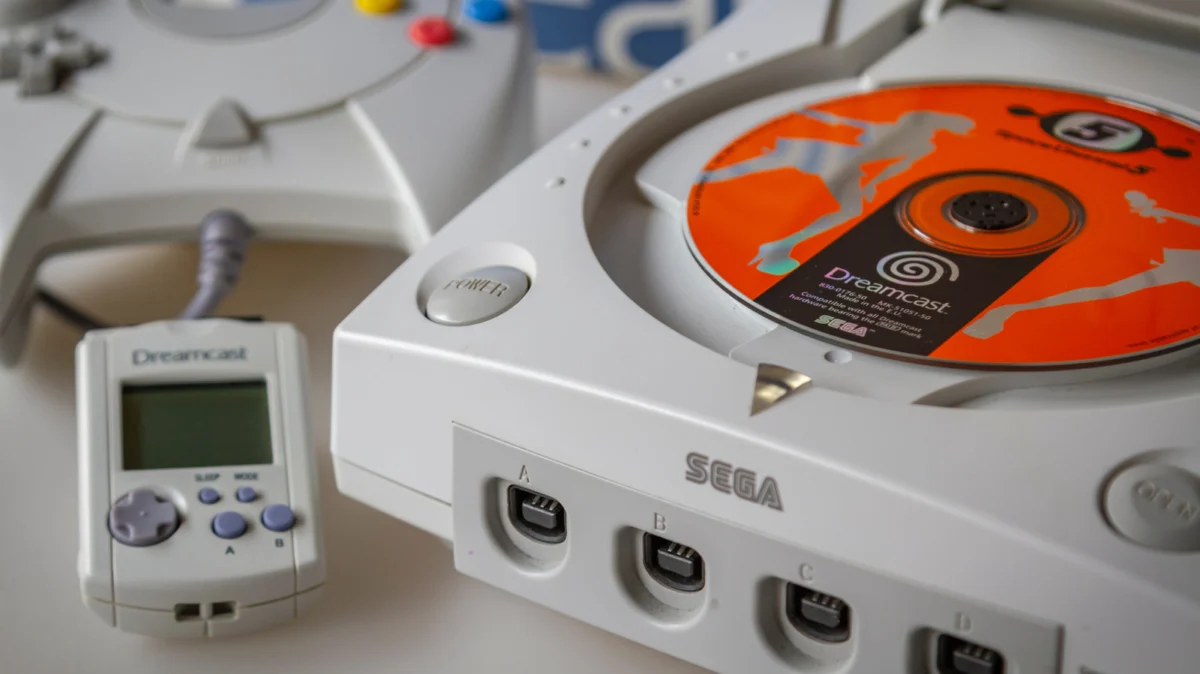
Twenty-five years after its initial launch and more than two decades since its official discontinuation by Sega, the iconic Dreamcast console continues to be a vibrant platform for new game releases, fueled by an exceptionally dedicated community of fans and independent developers. This remarkable longevity defies typical console lifecycles, establishing the Dreamcast as a unique case study in the power of grassroots support and open architecture. The latest testament to this enduring spirit is the announcement of White Creek, a new survival-horror title revealed on Kickstarter in June, which explicitly targets the Dreamcast as its primary platform, alongside a Steam release. This development underscores not merely a nostalgic curiosity but a sustained, active ecosystem for a console long abandoned by its creator.
The Genesis and Decline of Sega’s Final Console
To fully appreciate the Dreamcast’s current resurgence, it is crucial to understand its ambitious origins and its ultimate, albeit premature, demise. Sega, a pioneer in the video game industry, had a storied history of innovation, particularly in the arcade sector. The company’s console lineage, from the Master System to the Genesis/Mega Drive, had often challenged Nintendo’s dominance. However, the mid-1990s proved tumultuous for Sega, marked by fragmented strategies and the commercial failure of the Sega Saturn, which struggled against Sony’s PlayStation. By the late 1990s, Sega was under immense pressure to deliver a console that could reclaim its former glory and effectively compete in an increasingly competitive market.
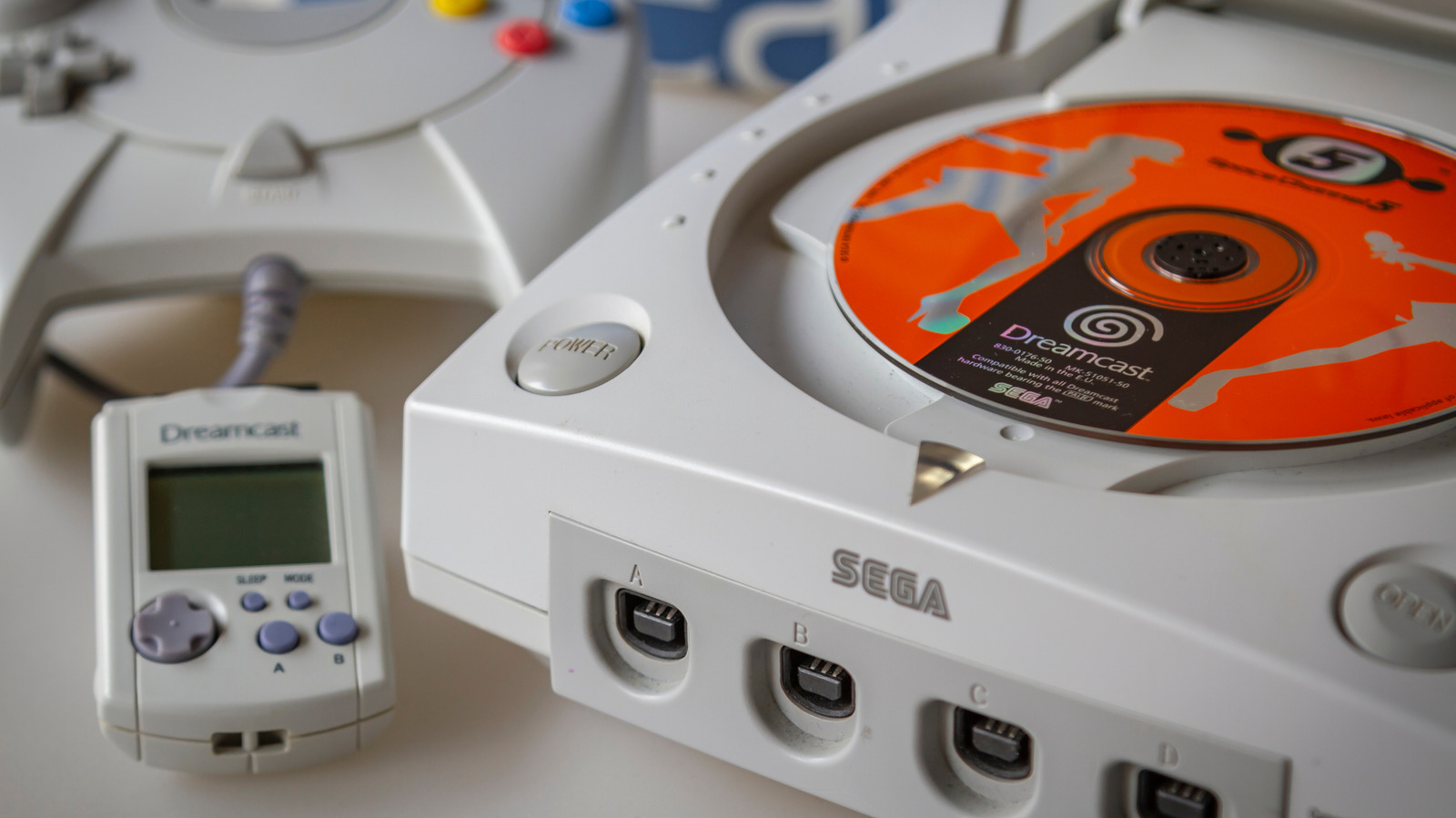
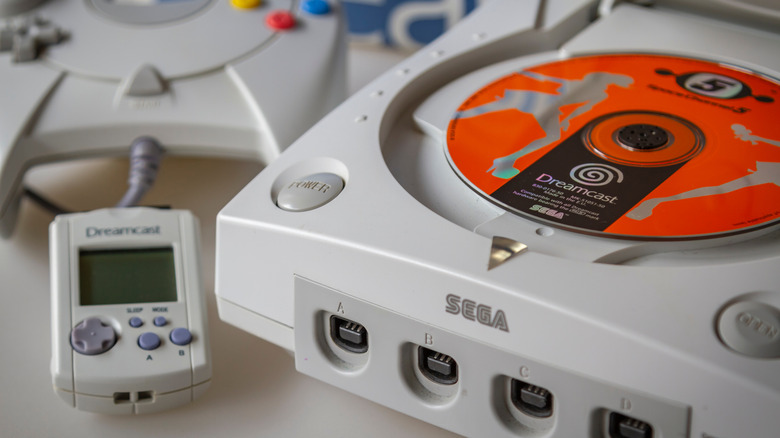
The Dreamcast, launched in Japan in November 1998 and globally in September 1999, was Sega’s ambitious answer. It was designed to bring the cutting-edge arcade experience directly into players’ living rooms, boasting impressive 3D graphics capabilities powered by its NEC PowerVR2 GPU and Hitachi SH-4 CPU. Beyond raw power, the Dreamcast was innovative. It was the first console to include a built-in modem, enabling unprecedented online services such as live worldwide leaderboards, downloadable content, and multiplayer experiences, most notably epitomized by the groundbreaking MMORPG Phantasy Star Online. Its controller featured a modular secondary display unit, the Visual Memory Unit (VMU), which served as a memory card, a portable mini-game device, and a second screen for in-game information, further distinguishing it from competitors.
The console’s launch was accompanied by a stellar lineup of pivotal titles that showcased its capabilities and left an indelible mark on gaming history. These included the visually stunning fighting game SoulCalibur, the genre-defining adventure of Sonic Adventure, the innovative urban exploration of Jet Set Radio, the immersive narrative of Shenmue, the quirky rhythm-action of Space Channel 5, and the acclaimed survival-horror Resident Evil – Code: Veronica. The initial reception was overwhelmingly positive, with critics praising its graphics, innovative features, and strong game library.
However, the Dreamcast’s promising start was quickly overshadowed by the impending arrival of the PlayStation 2. Sony’s console, launched in Japan in March 2000 and North America in October 2000, benefited from superior marketing, a massive existing player base from the original PlayStation, and, crucially, a built-in DVD player at a time when DVD was rapidly becoming the standard for home entertainment. This feature alone made the PS2 an attractive proposition beyond just gaming. Already gun-shy from the bungled and ultimately failed release of the Saturn, Sega found itself in an untenable financial position. Facing the overwhelming success of the PlayStation 2 and mounting losses, Sega made the painful decision in March 2001 to discontinue the Dreamcast and exit the console hardware business entirely, transitioning into a third-party software developer. The console, despite its technical merits and critical acclaim, had been on the market for a mere 2.5 years.
The Phoenix Rises: The Enduring Homebrew Phenomenon
Despite its official abandonment, the Dreamcast’s unique technical characteristics inadvertently laid the groundwork for its extraordinary post-mortem longevity. The console quickly became an ideal platform for independent developers and hackers, transforming what was once a commercial failure into a vibrant, community-driven ecosystem.
One of the most critical factors was the console’s reliance on the proprietary GD-ROM disc format. While intended to combat piracy, hackers soon discovered that the Dreamcast could be made to boot from standard CDs, often without requiring any hardware modifications. This exploit, particularly through the use of MIL-CDs (music CDs with data tracks), opened the floodgates for easily burned games and homebrew applications. This accessibility dramatically lowered the barrier to entry for tinkerers and developers, allowing them to distribute their creations widely without the need for specialized manufacturing or distribution channels.
Equally significant was the Dreamcast’s pioneering but rudimentary online architecture. As the first console to include a modem, Sega’s initial online services were not as deeply integrated or centrally controlled as those of later consoles. Critically, many of its online functionalities were not inextricably tied to proprietary, company-maintained servers that could be remotely shut down. This architectural choice proved to be an accidental strength. Unlike modern consoles where manufacturers routinely shut down online stores and services, effectively freezing or even rendering unusable large portions of digital libraries (as seen with the recent closures of PlayStation 3, Vita, and PSP stores, and the impending Xbox 360 store closure), the Dreamcast’s online capabilities remained largely impervious to a central shutdown. This decentralization allowed dedicated fans to reverse-engineer server protocols, set up private servers, and even host new online experiences for original games, ensuring titles like Phantasy Star Online could continue to be played online for decades.
This fertile ground fostered the growth of a robust homebrew community. Independent developers, hobbyists, and even small studios began creating a diverse range of new content for the console. This includes original games, ports of retro titles from other systems, fan translations of Japanese exclusives, utility software, and even emulators. Publishers like PixelHeart and JoshProd have emerged as key players in this niche market, actively supporting and distributing new physical releases for the Dreamcast, often producing limited edition runs that cater to collectors and enthusiasts. These publishers demonstrate that a viable, albeit small, commercial model exists for supporting this "undead" console.
Community hubs are vital to this phenomenon. Websites such as The Dreamcast Junkyard meticulously track the latest news, releases, and developments, providing comprehensive guides and resources for the console’s extensive game library. Forums, Discord channels, and subreddits, like the active r/dreamcast community, serve as central gathering points for enthusiasts to share knowledge, troubleshoot issues, and collaborate on new projects. The collective effort to keep the console alive extends to maintaining fan-run servers for original online games through initiatives like Dreamcast Live, ensuring that the console’s groundbreaking online legacy continues to thrive.
White Creek: A Testament to Dedication
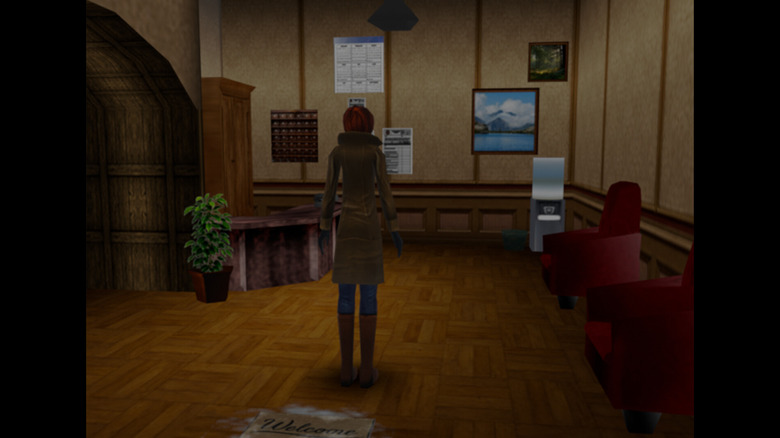
The announcement of White Creek exemplifies the highest level of dedication within this thriving community. Developed by Story Bird Studios and published by PixelHeart, this survival-horror game is more than just another homebrew project; it is a meticulously crafted experience designed specifically to leverage the Dreamcast’s unique capabilities.
White Creek casts players as Alicia Morelli, an exorcist investigating a small, snow-laden town haunted by lost souls. The gameplay integrates psychic powers, firearms, and a cell phone, presenting players with moral choices: whether to execute or exorcise the possessed. The game also features intricate puzzles that unfold as Alicia delves deeper into the town’s mysteries. While White Creek is also slated for a Steam release, its developers’ commitment to the Dreamcast is unequivocal.
Story Bird Studios articulated their vision on Kickstarter, stating, "White Creek isn’t a game ‘inspired by the Dreamcast.’ It’s a game designed for it, from day one. Our team worked to exploit the console’s full technical potential: 3D environments, cinematic cameras and visual effects that rival the biggest productions of the NAOMI era. Every camera angle is a narrative choice. Every shadow, an intention. You won’t play White Creek on Dreamcast despite the console. You’ll play it because the game is made for this machine." This declaration highlights a profound understanding and respect for the Dreamcast’s hardware, indicating that the game is not merely a port but an experience tailored to its strengths, aiming to push the boundaries of what was thought possible on the system. Such ambition demonstrates that the Dreamcast is not just a platform for simple, nostalgic projects but for complex, artistically driven titles.
Broader Implications and The Digital Preservation Debate
The Dreamcast’s enduring life cycle offers critical insights into the broader challenges of digital preservation and the shifting landscape of video game access. In an era increasingly dominated by digital-only releases and cloud-based services, the longevity of game content is often contingent upon the continued support of platform holders. When companies decide to discontinue services, as Sony has done with its older PlayStation digital storefronts, vast libraries of games can become inaccessible, effectively freezing players’ collections in time or rendering them obsolete. This phenomenon, often termed "digital rot," poses a significant threat to the historical and cultural preservation of video games.
The Dreamcast, by contrast, operates outside this paradigm. Its accidental openness – a combination of disc format vulnerability and decentralized online architecture – has paradoxically made it a model for community-driven preservation. The console serves as a powerful reminder that when technical barriers are low and development platforms are accessible, players and creators can build and sustain entire universes, even decades after the original manufacturers have moved on.
This "playground" philosophy is not entirely lost in modern gaming. Devices like Panic’s Playdate, launched in 2022, embody a similar ethos. This distinctive yellow handheld, with its monochromatic screen and unique crank input, thrives on an open and accessible development environment. The Playdate’s developer tools are readily available, encouraging anyone to create games. This approach has led to a steady stream of innovative titles on its official store and platforms like itch.io, demonstrating that a focus on accessibility for creators can foster a remarkably vibrant and long-lasting ecosystem.
The Dreamcast occupies a unique historical position, bridging the gap between purely offline, cartridge-based gaming and the ubiquitous online, digitally distributed model of today. It possesses just enough online functionality to play nicely with modern internet infrastructure for fan-supported servers and downloads, yet not so much that its creator could centrally shut down its entire ecosystem. Its ability to boot from standard CDs and its relatively powerful 3D hardware for its era make it a robust platform for continued development.
Ultimately, the tenacious support of the Dreamcast’s player base has transformed what was once Sega’s final, commercially unsuccessful console into a testament to community power and digital resilience. A console that lasted only two and a half years on the market continues to stand strong a quarter of a century later, proving that passion and ingenuity can defy obsolescence and ensure that even abandoned hardware can live on, vibrant and dynamic, through the dedication of its fans.