Galang Taruna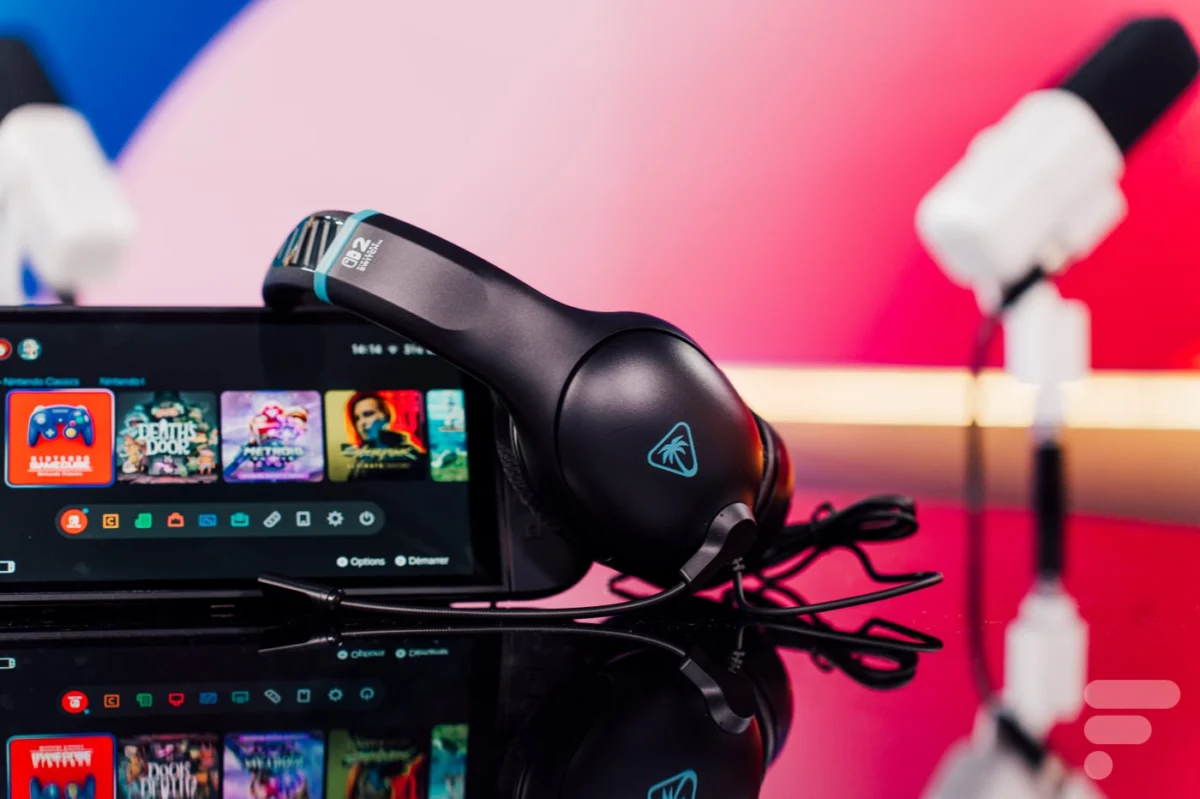
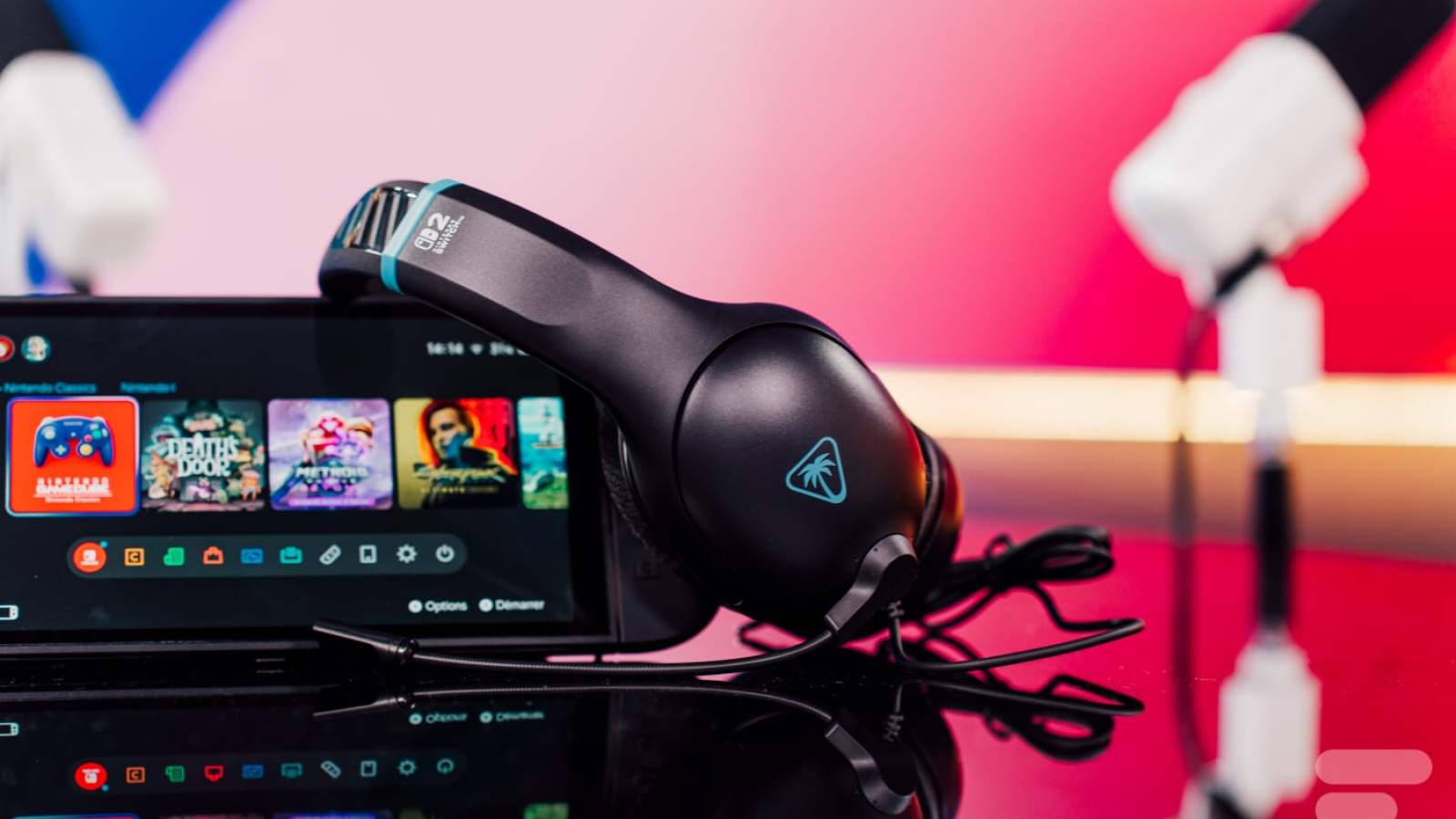
Turtle Beach has officially launched the Airlite Fit, a new entry-level gaming headset designed specifically for the recently released Nintendo Switch 2. Arriving on September 3, 2025, and priced at a competitive €24.99, this wired peripheral aims to provide an accessible yet refined audio solution for a broad spectrum of Switch 2 users. The headset notably departs from the more vibrant, "toy-like" aesthetics of its predecessors, adopting a mature and understated design that aligns with the visually more subdued profile of the Nintendo Switch 2 console itself. This strategic evolution underscores Turtle Beach’s commitment to adapting its product lines to the shifting design sensibilities of the latest generation of gaming hardware, particularly within the crucial Nintendo ecosystem.
Market Context and Turtle Beach’s Strategic Positioning
The release of the Airlite Fit comes at a pivotal time for both Turtle Beach and the gaming accessory market. With the Nintendo Switch 2 now firmly established in the market, the demand for officially licensed accessories that complement its features and design is at an all-time high. Turtle Beach, a long-standing leader in gaming audio, has historically played a significant role in providing headsets across various price points for console gamers. The Airlite Fit represents a deliberate move to capture the entry-level segment, offering an affordable option without compromising essential functionality or the quality expected from a licensed product.
Industry analysts suggest that the budget segment of the gaming accessory market is experiencing robust growth, driven by a desire among consumers for cost-effective solutions that do not require extensive technical setup. "The ‘plug-and-play’ philosophy, especially for a console like the Switch 2 that emphasizes portability and immediate gaming, resonates strongly with a large demographic, including younger players and casual gamers," notes one market observer. This perspective aligns perfectly with the Airlite Fit’s core design principles. By offering a straightforward, wired solution, Turtle Beach eliminates the complexities of battery management, Bluetooth pairing, and firmware updates often associated with more premium wireless models, thus broadening its appeal.
Furthermore, the decision to refine the aesthetic from previous iterations reflects a broader trend within the gaming industry where even entry-level products are expected to possess a certain degree of visual sophistication. Gone are the days when budget accessories were synonymous with garish colors and flimsy constructions. The Switch 2 itself has opted for a more refined look, and accessories that mirror this sensibility are likely to find greater favor among its user base. This shift indicates a maturing market where design integration across the entire product ecosystem is becoming increasingly important.
Design Evolution and Enhanced User Experience
The physical design of the Airlite Fit is a testament to its minimalist yet functional approach. Measuring approximately 190 x 177 x 76 mm and weighing a mere 228 grams, it stands out as a remarkably compact and lightweight headset. This ergonomic profile makes it highly suitable for extended gaming sessions, whether at home or on the go. Unlike many gaming headsets that incorporate complex folding mechanisms or swiveling earcups for portability, the Airlite Fit features a fixed, unibody headband with only slight pivoting in the earcups. While this design choice foregoes advanced portability features like compact folding, it contributes to the headset’s perceived durability and streamlined appearance. For users who prioritize robustness over intricate mechanics, this simplicity is a distinct advantage.
A key highlight in terms of user comfort is the choice of materials for the ear cushions. Instead of conventional faux leather, which can often lead to heat buildup and discomfort during prolonged use, Turtle Beach has opted for a breathable Jersey mesh fabric. This material effectively mitigates the "stuffiness" associated with less breathable alternatives, allowing the ears to remain cool and comfortable. During extensive testing, the headset maintained a high level of comfort even after three hours of continuous gameplay, with no noticeable pressure points or irritation. This is a significant achievement for a headset in this price category, where comfort is frequently an area where manufacturers cut corners to reduce costs. The generous ear cup size also ensures that most users’ ears are fully encased, further enhancing the comfort and passive noise isolation.
Control accessibility on the Airlite Fit is designed for intuitive use. The left earcup houses a simple volume roller and a flip-to-mute microphone. Lowering the microphone boom activates it, while raising it mutes the audio input. This straightforward interface ensures that players can make quick adjustments without fumbling or interrupting their gameplay. However, it is worth noting that the volume control on the headset operates independently of the console’s system volume. This requires users to manage two separate volume settings, which can occasionally be inconvenient. A practical workaround for docked play is to maximize the Switch 2’s system volume and then use the headset’s dedicated volume roller for fine-tuning, thereby maintaining a consistent audio range.

The overall build quality, despite the headset’s entry-level positioning, is commendable. Constructed predominantly from a single block of robust plastic, the Airlite Fit conveys a reassuring sense of solidity. While premium materials like metal or synthetic leather are absent, this choice is entirely consistent with its price point and contributes to its lightweight nature. The absence of an IP rating for water resistance also aligns with its intended use as an indoor gaming accessory. The packaging is equally minimalist, containing only the headset and a quick-start guide, foregoing extras like a protective carrying pouch or a cable extension, further reinforcing its value-oriented proposition.
Connectivity and Practical Considerations
As a 100% wired headset, the Airlite Fit’s operation is predicated on a standard 3.5mm jack connection. This "plug-and-play" simplicity is a core tenet of its design, eliminating any need for Bluetooth pairing, NFC connectivity, or reliance on companion applications. For gamers who prioritize instant readiness and freedom from wireless interference or latency, this direct analog connection offers a compelling advantage. The inherent lack of latency ensures that audio cues are delivered in real-time, which is crucial for competitive gaming where split-second reactions can make a difference.
However, the fixed cable length of 1.15 meters introduces certain practical limitations. While this length is perfectly adequate for handheld gaming with the Switch 2, it becomes restrictive when playing in docked mode on a television. Directly connecting to the Switch 2’s dock often positions the player uncomfortably close to the screen. To address this, users typically have two main options: investing in a third-party audio extension cable or, more conveniently, connecting the headset to a compatible controller equipped with a 3.5mm audio jack. Many modern controllers, including Nintendo’s own Switch 2 Pro Controller and third-party alternatives like Turtle Beach’s Rematch controller, feature this crucial audio port, mirroring the functionality found in Sony’s DualSense and Microsoft’s Xbox Wireless Controllers. This dependence on controller connectivity or additional accessories highlights a design trade-off that, while understandable for a budget wired model, requires consideration from potential buyers.
Beyond connectivity, the analog nature of the Airlite Fit means it lacks advanced digital functionalities. Features such as automatic sleep modes, wear detection, or customizable sound profiles (equalizers) are not present. This absence underscores its fundamental purpose: to deliver basic, reliable audio communication without additional complexities. For its target audience, this streamlined functionality is often preferred over a feature-rich experience that might inflate the price or complicate usage.

Audio Performance: Clarity for Gaming, Limitations for Music
Underpinning the Airlite Fit’s audio capabilities are 40mm neodymium drivers, a standard choice for gaming headsets, capable of reproducing frequencies within the 20 Hz – 20 kHz range. Crucially, the headset operates in pure analog mode, meaning there is no Digital Signal Processing (DSP), no integrated equalizer, and no complex audio codecs. Consequently, the audio quality is largely dependent on the output capabilities of the connected source device.
When tested with a PC via its 3.5mm jack, the headset delivered clear and perfectly audible sound. However, the overall sound profile tended to be somewhat flat, lacking the dynamic range and "punch" often desired for rich multimedia consumption. While bass frequencies were present, they lacked significant impact, and treble reproduction, though adequate, was not particularly precise. This conservative sound signature renders the Airlite Fit less ideal for critical music listening. At maximum volume, a subtle, uncomfortable vibration could be detected after a few tracks, further confirming its primary design intent is not audiophile-grade music reproduction.
Where the Airlite Fit truly excels is in its intended application: accompanying the Nintendo Switch 2 for gaming sessions. The clarity of in-game sound effects and dialogue is consistently strong, providing essential auditory cues without distortion. The game chat experience is particularly noteworthy; conversations are clear and easily understood, facilitating effective team communication in multiplayer titles. For the core functions of gaming and voice communication, the headset performs admirably, fulfilling the primary requirements of its target audience. The absence of an equalizer, whether via an app or console settings, means users receive the sound as it is, without any option for personalization.
Microphone Performance: Functional for Communication

The integrated boom microphone of the Airlite Fit features a bidirectional pickup pattern. Similar to the audio drivers, it operates without active noise cancellation or customizable settings. Real-world testing revealed that the microphone effectively captures the user’s voice, which remains perfectly comprehensible even when moderate ambient noise (such as a running tap or background music) is present. However, the bidirectional nature means that the microphone does not actively filter out background noise; consequently, the user’s interlocutor will hear both the voice and the surrounding environment.
For in-game multiplayer chat, this level of performance is more than sufficient. The primary objective of enabling clear communication between players is met reliably. However, for more demanding applications such as live streaming, content creation, or professional conferencing, the lack of noise filtering would necessitate the use of a dedicated external microphone to achieve higher quality and isolate the voice more effectively. This distinction is important for users with diverse communication needs.
Power Management: Simplicity Through Passivity
One of the most straightforward aspects of the Airlite Fit is its power management—or lack thereof. Being an entirely passive, wired headset, it contains no internal battery. This means there is no need for charging, and the headset operates continuously as long as it is connected to a power source (via the 3.5mm jack, drawing minimal power from the host device). This represents a significant practical advantage for gamers who may frequently forget to charge their wireless accessories. It ensures the headset is always ready for immediate use, eliminating the frustration of discovering a dead battery just before a gaming session. This simplicity reinforces its "plug-and-play" appeal and contributes to its overall reliability.
Pricing, Availability, and Market Positioning

The Turtle Beach Airlite Fit for Nintendo Switch and Switch 2 became available on September 3, 2025, with a retail price of €24.99. The headset is offered in four distinct colorways, each designed to appeal to different aesthetic preferences and align with Nintendo’s brand identity:
- Black with Red and Blue Accents: Directly reflecting the visual identity of the Nintendo Switch 2.
- White and Black: Echoing the sleek, modern aesthetic of the Nintendo Switch OLED model.
- Translucent Violet: A nostalgic nod to classic transparent consoles, allowing a glimpse of the internal components.
- Super Mario Special Edition: Featuring an exclusive design inspired by the iconic Nintendo franchise, catering to fans.
This diverse range of color options further enhances the product’s appeal, allowing users to choose a headset that best matches their console or personal style.
For existing owners of the previous generation of Turtle Beach headsets for the original Nintendo Switch, it is important to note that the Airlite Fit Switch 2 is technically identical to its predecessor. Both models share the same weight, dimensions, cable specifications, microphone, and overall performance characteristics. The primary differentiators are the updated color schemes and the presence of the Switch 2 logo on the headband. Consequently, there is no compelling functional reason for owners of the original version to upgrade to this new iteration, a fact Turtle Beach transparently communicates.
Strategic Implications and Conclusion
The Turtle Beach Airlite Fit headset effectively delivers on its promise as a dependable, entry-level wired audio solution for the Nintendo Switch 2. Its refined design, comfortable fit, and straightforward "plug-and-play" functionality make it an excellent choice for daily gaming, whether in portable mode or at home. For players seeking an immediate and hassle-free audio experience without the complexities of wireless technology or advanced features, the Airlite Fit presents a strong value proposition.

However, its limitations in audio fidelity for non-gaming content, moderate passive noise isolation, and a cable length that necessitates workarounds for docked TV play are important considerations. While these are not critical flaws for a product in this price bracket, they highlight the specific use case for which the headset is optimized.
In essence, the Airlite Fit is a well-executed product for its intended audience: budget-conscious Switch 2 gamers who prioritize reliability, comfort, and essential communication over audiophile-grade sound or advanced features. It successfully balances cost-effectiveness with a quality experience, cementing Turtle Beach’s position as a key accessory provider in the evolving Nintendo ecosystem. For those embarking on their Switch 2 journey and requiring a robust yet affordable audio companion, the Airlite Fit stands out as a highly recommendable first gaming headset. Conversely, players seeking deeper immersion, superior sound quality for diverse media, or extensive customization options will likely need to explore higher-tier alternatives.