Sisilia Frederika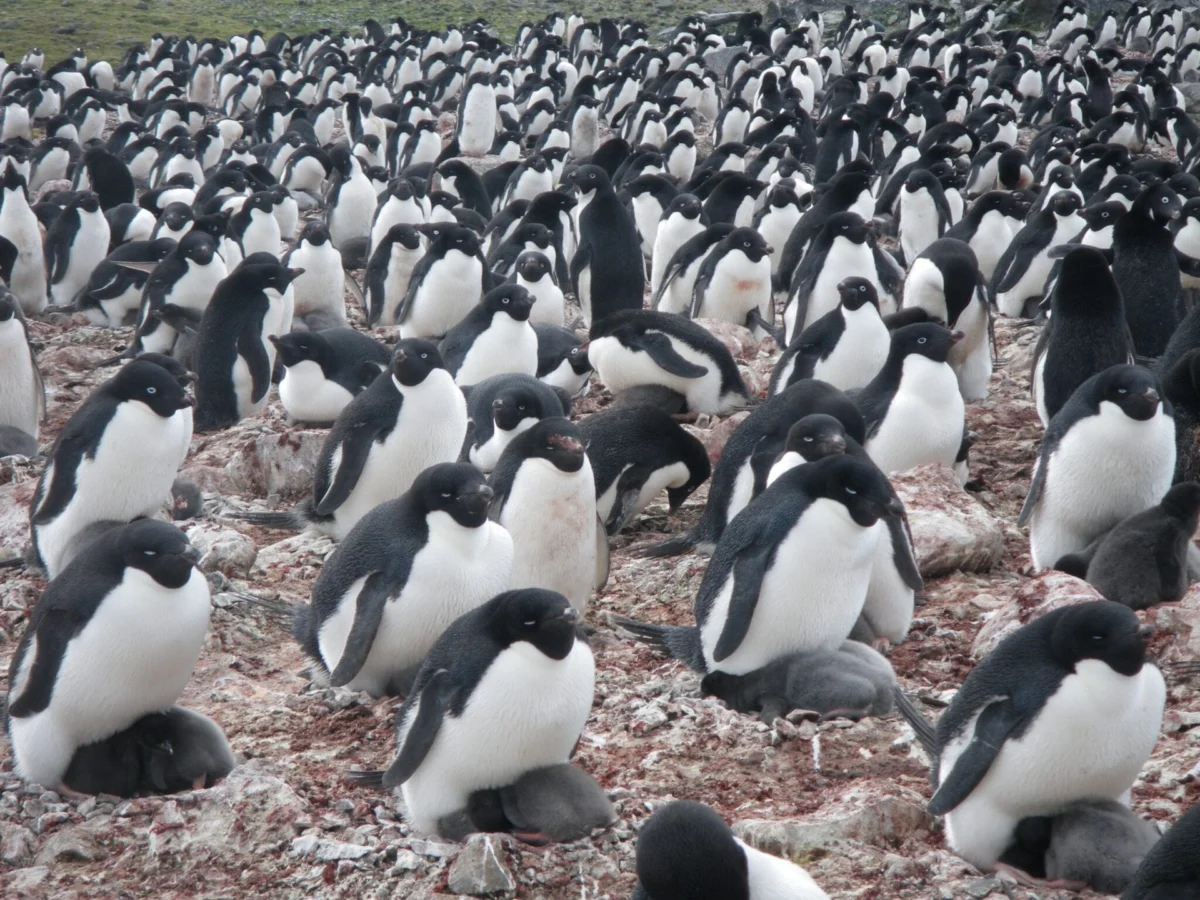
In a landmark study that bridges the gap between orbital technology and polar ecology, researchers have utilized three decades of satellite data to uncover a troubling shift in the dietary habits of the Antarctic Adélie penguin. By analyzing the "spectral signature" of penguin guano visible from space, a multi-institutional team has demonstrated that rising temperatures and diminishing sea ice are forcing these iconic birds to abandon their traditional fish-based diet in favor of less nutritious krill. The research, published in the journal Current Biology, represents the first time that space-based observations have been successfully used to track food-web and population dynamics on a continental scale, providing a chilling look at how climate change is reconfiguring the foundations of the Antarctic ecosystem.
The study, led by researchers at Clemson University in collaboration with Stony Brook University, the University of California Santa Cruz, and NASA, analyzed imagery from the Landsat mission—a joint program between NASA and the U.S. Geological Survey (USGS). By examining the color and distribution of guano across the vast, icy expanse of Antarctica from 1984 to 2013, the team was able to reconstruct a 30-year history of what Adélie penguins have been eating. Their findings indicate a direct correlation between the loss of sea ice and a transition in penguin diets, a shift that carries significant implications for the long-term survival of the species and the health of the Southern Ocean.
Decoding the Spectral Signature of Penguin Guano
The methodology behind the study is as innovative as it is unusual. While satellites are traditionally used to monitor deforestation, urban sprawl, or sea-surface temperatures, the research team recognized that the massive colonies of Adélie penguins leave behind biological markers large enough to be detected from orbit. These markers come in the form of guano stains that blanket the rocky outcrops where the penguins breed.
Adélie penguins primarily consume two types of prey: Antarctic silverfish and Antarctic krill. These food sources leave distinct chemical and visual signatures in the penguins’ waste. A diet rich in krill, which contains high levels of carotenoid pigments, produces a pinkish or reddish guano. Conversely, a diet consisting mainly of fish results in a white or silvery waste. By analyzing the visible and infrared wavelengths of the Landsat imagery, the researchers developed a "spectral signature" for the guano, allowing them to determine the dietary composition of entire colonies without ever setting foot on the ice.
To validate the satellite data, the team conducted extensive ground-truth operations. This involved collecting physical samples of guano from various penguin colonies and analyzing them in a laboratory setting. Researchers used stable isotope analysis—measuring the ratios of nitrogen and carbon isotopes—to pinpoint the exact trophic level of the penguins’ diet. This chemical "fingerprint" confirmed the satellite observations: where the satellites saw pink, the lab found krill; where the satellites saw white, the lab found fish.
A Thirty-Year Chronology of Environmental Change
The use of the Landsat archive allowed the researchers to look back in time, providing a longitudinal perspective that is rarely available in polar biology. The 1984–2013 timeline covers a period of intense environmental flux in the Antarctic, particularly in regions like the West Antarctic Peninsula, which has seen some of the fastest warming on the planet.
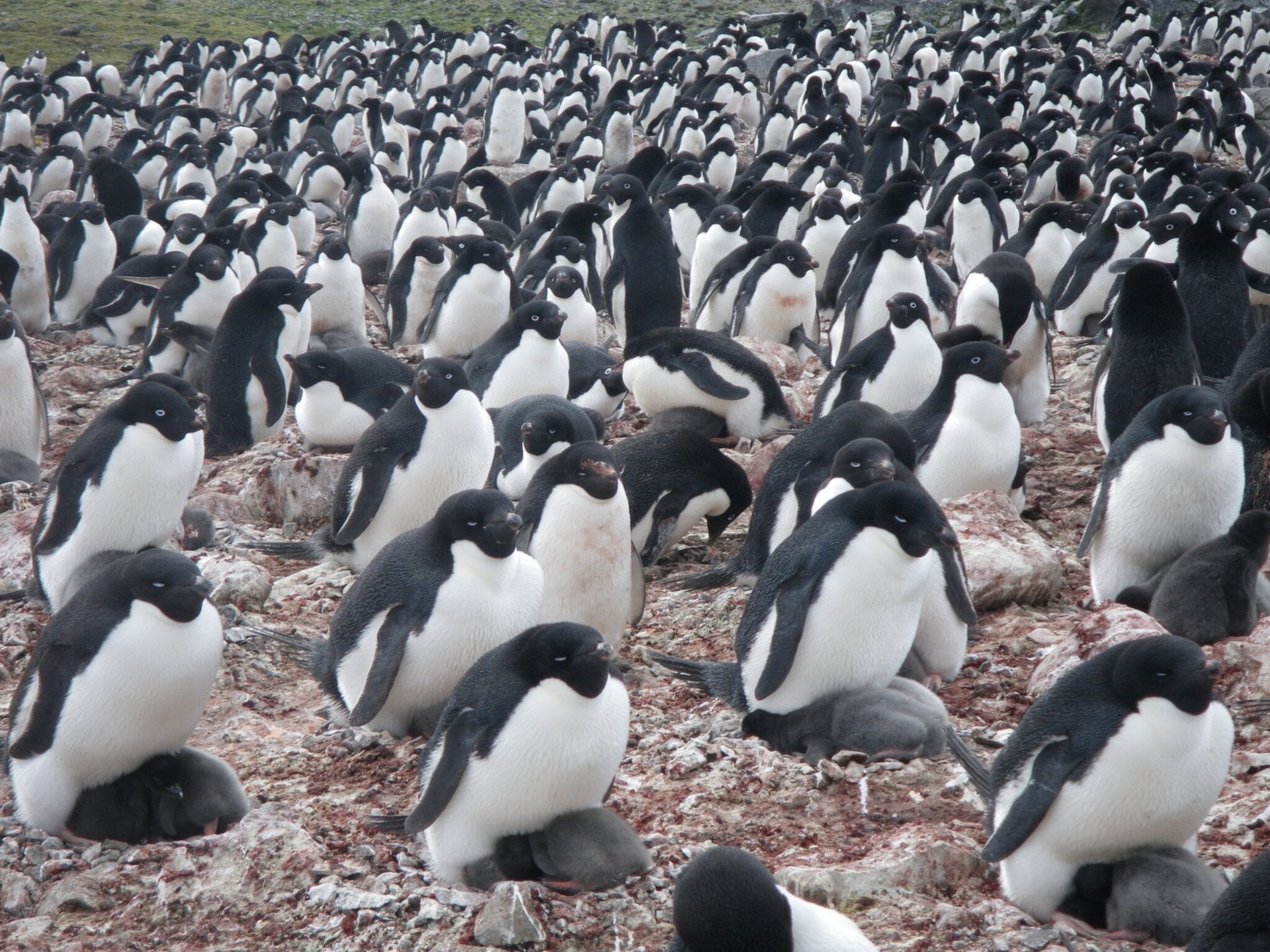
In the early years of the study, many Adélie colonies showed a strong preference for Antarctic silverfish, particularly in regions where sea ice remained stable throughout the breeding season. Sea ice provides a critical habitat for silverfish, offering protection for their eggs and larvae. However, as the decades progressed and sea ice began to retreat or become more seasonal, the spectral signatures captured by Landsat began to shift.
By the mid-2000s, a clear trend had emerged: as sea ice vanished, the penguins were forced to switch to krill. Unlike silverfish, which are energy-dense and high in the fats necessary for chick development, krill are less calorie-efficient. While krill are abundant, the energy expenditure required for a penguin to catch enough krill to sustain itself and its offspring is significantly higher than that required for catching fish. This dietary transition is not a matter of preference but a survival tactic in an environment where the traditional food web is collapsing.
The Role of Sea Ice as a Biological Engine
To understand why this dietary shift is so concerning, it is necessary to look at the role of sea ice in the Antarctic marine ecosystem. Sea ice is often referred to as the "soil" of the Southern Ocean. It supports the growth of ice algae, which forms the base of the food chain. Antarctic silverfish (Pleuragramma antarcticum) are uniquely adapted to this environment, using the nooks and crannies of the ice to hide from predators and to spawn.
When sea ice disappears due to rising ocean temperatures and changing wind patterns, the silverfish lose their nursery grounds. This leads to a localized decline in fish populations, leaving the Adélie penguins with few options. While the penguins are resilient and can pivot to eating krill, the long-term consequences of this shift are measurable in the declining health and population numbers of certain colonies.
"Adélie penguins are an iconic species breeding all around the continent of Antarctica," said co-author Michael J. Polito, a professor of ocean sciences at UC Santa Cruz. "They act as a ‘canary in the coal mine,’ and our study illustrates how recent warming has disrupted the Antarctic marine food web they rely on to the detriment of many of their populations."
Technological Innovation in the Face of Logistical Barriers
One of the most significant contributions of this study is the proof of concept for using remote sensing in wildlife biology. Antarctica is a notoriously difficult place to conduct research. Its vast size, extreme cold, and high winds make year-round monitoring of every penguin colony an impossible task for human researchers. Historically, scientists were limited to studying a few "accessible" colonies near research stations, which often led to data gaps.
By leveraging 30 years of NASA data, the team bypassed these logistical hurdles. The innovation was not in the satellite hardware itself, which has been orbiting the Earth for decades, but in the application of modern geochemical and computational tools to extract biological meaning from the pixels.

Dr. Casey Youngflesh, an Assistant Professor at Clemson University who led the research, emphasized the serendipitous nature of the project. "Satellites enabled us to do something that would otherwise be impossible," Youngflesh noted. "No one intended for these satellites to be used to monitor penguins, but now we’re able to use them in these novel ways." This "macro-ecology" approach allows scientists to view the continent as a single, interconnected system rather than a series of isolated study sites.
Competition and Compounding Stressors
The shift from fish to krill is further complicated by increasing competition for resources. As whale and seal populations continue to recover from the devastating impacts of 20th-century commercial hunting, they are consuming vast quantities of krill. This creates a "resource squeeze" for the Adélie penguins. They are being forced away from their preferred fish diet toward a krill diet, only to find that they must compete with massive humpback whales and burgeoning fur seal populations for that very krill.
Furthermore, the Southern Ocean is experiencing increased acidity as it absorbs more carbon dioxide from the atmosphere. Ocean acidification can hinder the ability of krill to develop their exoskeletons, potentially threatening the stability of the very food source the penguins are now relying on. These compounding stressors—loss of sea ice, dietary shifts, increased competition, and acidification—create a precarious future for the species.
Broader Implications and Future Outlook
The findings of this study serve as a warning for the future of Antarctic conservation. Since the conclusion of the study’s primary data set in 2013, Antarctica has seen even more dramatic shifts, including record-low sea ice extents in 2022 and 2023. If the trends identified in the Landsat data continue, the Adélie penguin may face localized extinctions in regions where sea ice loss is most severe.
The ability to monitor these changes from space provides a powerful tool for policymakers and conservationists. Organizations like the Commission for the Conservation of Antarctic Marine Living Resources (CCAMLR) can use this satellite-derived data to establish Marine Protected Areas (MPAs) in regions where penguin populations are most vulnerable. By identifying which colonies are struggling with dietary shifts, conservation efforts can be more precisely targeted.
The research also highlights the invaluable nature of long-term government science programs. The Landsat mission, which began in 1972, provides a continuous record of Earth’s surface that is now yielding insights into fields—like penguin dietetics—that were unimaginable at the time of its launch. As climate change continues to alter the planet in rapid and unpredictable ways, these "biological archives" in the sky will be essential for understanding the scale of the transformation.
In conclusion, the Adélie penguin’s shift from fish to krill is more than just a change in menu; it is a signal of a fundamental breakdown in the Antarctic’s natural order. As the "canary in the coal mine," the Adélie’s struggle reflects the broader vulnerability of the polar regions. The integration of satellite technology and traditional biology has provided a new lens through which to view this crisis, offering a data-driven foundation for the urgent work of environmental preservation in the world’s most remote wilderness.