Clarissa Hana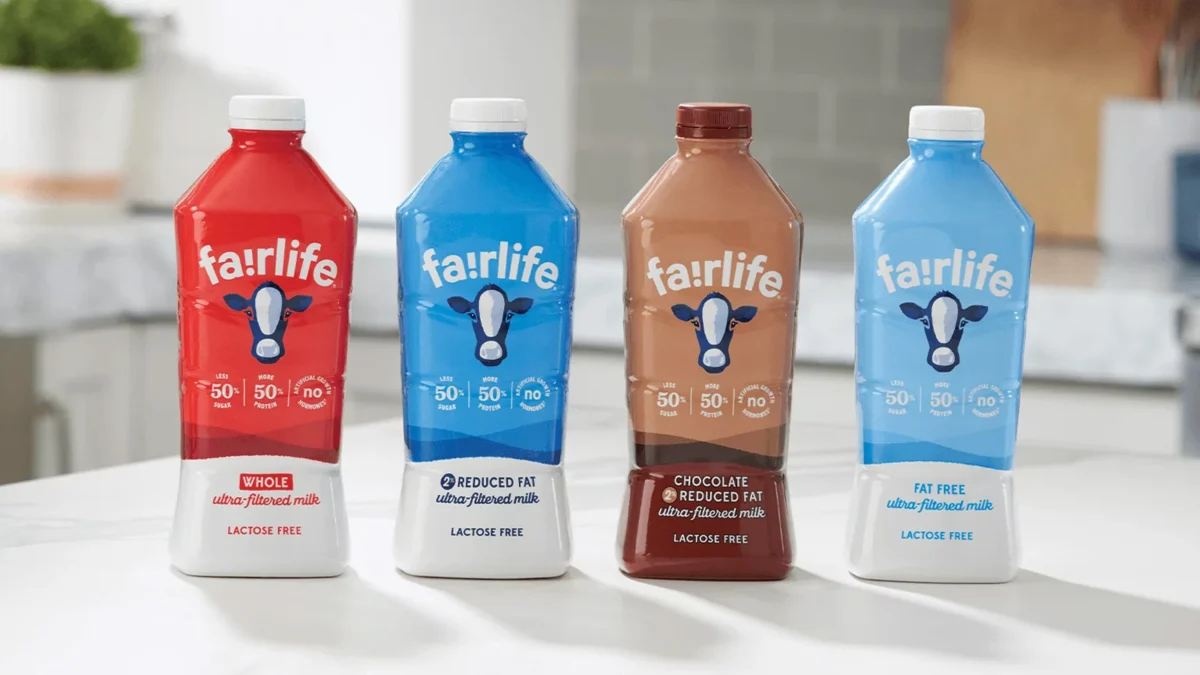
The Coca-Cola Company has officially confirmed that a significant ransomware attack has crippled the operations of its Fairlife dairy subsidiary, leading to a temporary suspension of production across all its United States facilities. The breach, detected by Fairlife, involved unauthorized access to critical systems, including those directly responsible for production, prompting an immediate activation of the company’s incident response and business continuity protocols. While the company asserts that product quality and safety remain unaffected, the disruption underscores the persistent and evolving threat of cybercrime to major corporations and their supply chains.
Unraveling the Cyber Intrusion
In a formal filing with the U.S. Securities and Exchange Commission (SEC) via a Form 8-K, Coca-Cola detailed the incident. The filing, dated July 16, 2026, stated that Fairlife "detected unauthorized access to some of its systems, including its production-related systems, in connection with a ransomware attack." The immediate aftermath saw the company engage external cybersecurity experts and advisors to conduct a thorough investigation and assessment of the incident’s full scope and impact. Law enforcement agencies have also been notified, signaling the seriousness with which the breach is being treated.
The exact timeline of the initial intrusion and detection remains under active investigation. However, the prompt activation of incident response protocols suggests a swift reaction once the unauthorized access was identified. The company’s statement indicates that the investigation is ongoing, and as of the filing date, it was not yet determined whether the cyberattack would "materially affect the Company." This cautious wording reflects the inherent uncertainty in assessing the long-term financial and operational repercussions of such sophisticated attacks.
Impact on Production and Supply Chain
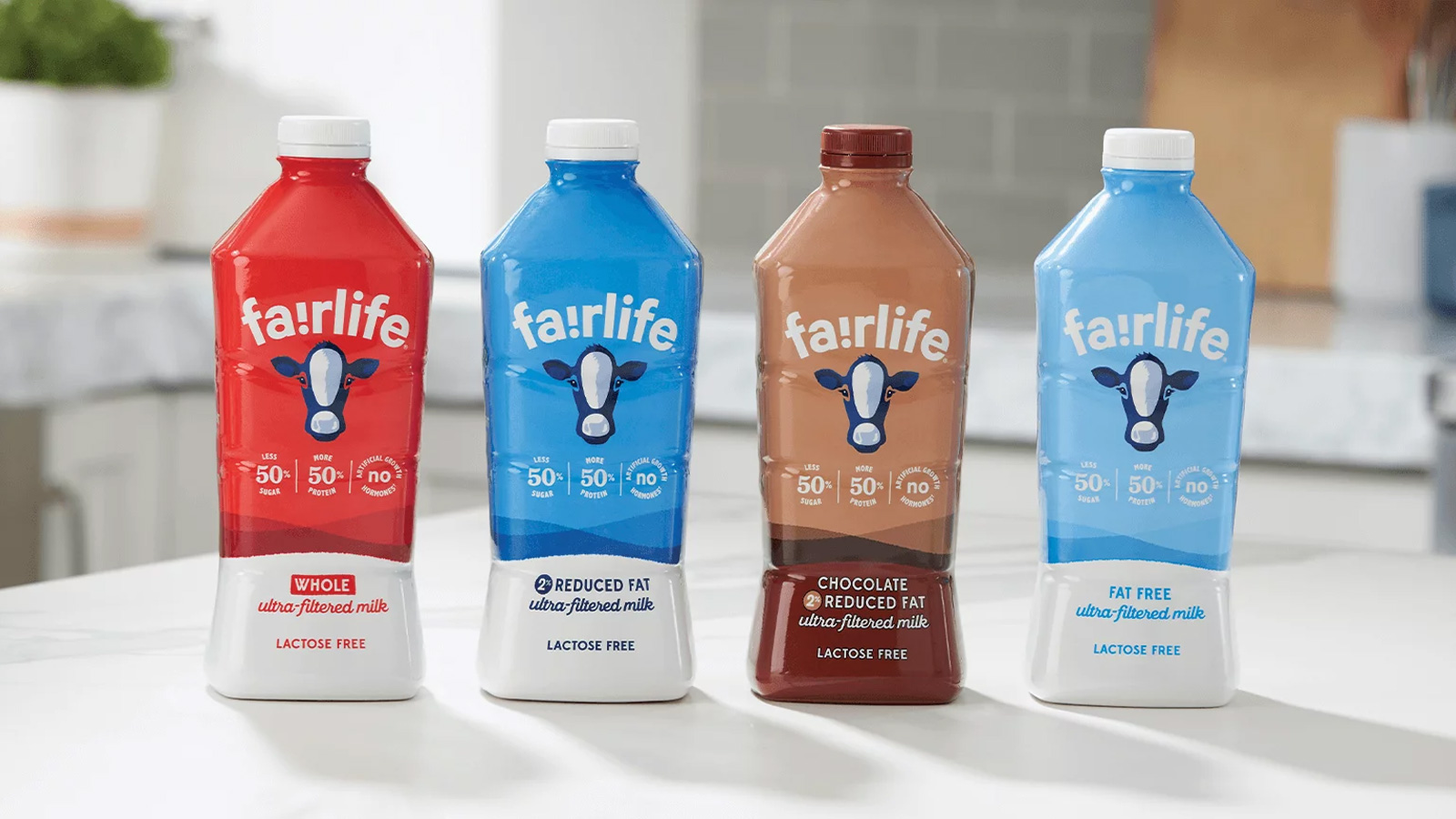
The most immediate and tangible consequence of the ransomware attack is the halt in Fairlife’s U.S. production. This suspension, while temporary, raises concerns about potential supply chain disruptions for consumers who rely on Fairlife’s range of ultra-filtered milk products, protein shakes, and nutrition drinks. Brands such as Ultra-Filtered Milk, Core Power Protein Shakes, and Nutrition Plan are staples for many, and any prolonged interruption could lead to stock shortages and consumer frustration.
Fairlife, a significant player in the U.S. dairy market, operates multiple production facilities across the country. The decision to suspend operations at all of them indicates the pervasive nature of the cyberattack, suggesting that the ransomware may have spread across interconnected systems, making a localized fix unfeasible. The company’s commitment to restoring impacted systems and resuming operations is paramount, but the process is expected to be complex and time-consuming.
Notably, Fairlife’s Canadian production operations have not been affected by this specific incident. This distinction suggests that the ransomware attack was likely contained within the U.S. operational infrastructure or that the Canadian facilities operate on a separate, more isolated network. This also offers a potential alternative supply source if U.S. production remains offline for an extended period, though logistics and distribution would still present challenges.
Data Security and Extortion Concerns
A critical aspect of any ransomware attack is the potential for data exfiltration. While Coca-Cola has stated that product quality and safety have not been compromised, the company has remained tight-lipped regarding whether any sensitive data was stolen during the intrusion. This is a common tactic for ransomware groups; they often steal data before encrypting systems, using the threat of public disclosure as leverage for ransom demands.
As of the latest disclosures, no ransomware gang has publicly claimed responsibility for the attack on Fairlife. This silence could be tactical, allowing the attackers time to negotiate or assess the company’s response. If data was indeed compromised, the attackers are likely to engage in extortion, demanding a ransom payment to prevent the release of proprietary information, customer data, or employee records.
When approached for further details on data theft, extortion demands, or the identity of the attacking group, a spokesperson for Coca-Cola reiterated that the company had "nothing additional to share beyond its public statement." This closed-door approach is standard practice for companies navigating such crises, aiming to control the narrative and avoid providing adversaries with tactical advantages.
The Broader Landscape of Cyber Threats in the Food and Beverage Industry
This incident involving Fairlife is not an isolated event. The food and beverage industry, like many others, has become an increasingly attractive target for cybercriminals. The sector relies heavily on interconnected operational technology (OT) and information technology (IT) systems, from farm-to-table logistics and manufacturing processes to consumer-facing sales and marketing. Disruptions to any part of this complex ecosystem can have significant financial and reputational consequences.
In recent years, numerous high-profile cyberattacks have targeted food producers, processors, and distributors. These attacks have ranged from ransomware that encrypts critical data and disrupts production lines to phishing schemes that compromise sensitive employee or customer information. The motivations are typically financial, with attackers seeking to exploit the critical nature of food supply chains to maximize their leverage for ransom payments.
The financial implications of such attacks can be staggering. Beyond the immediate costs of system recovery and potential ransom payments, companies face lost revenue due to production downtime, damage to brand reputation, increased insurance premiums, and the long-term costs of enhancing cybersecurity measures. For a company like Coca-Cola, a subsidiary like Fairlife experiencing a prolonged shutdown could translate into millions of dollars in lost sales and significant brand erosion.
Analyzing the Implications: Resilience and Future Preparedness
The Fairlife ransomware attack serves as a stark reminder of the need for robust cybersecurity defenses and comprehensive business continuity plans in today’s digital age. For large corporations with intricate supply chains, a single point of failure, especially within a critical operational subsidiary, can have cascading effects.

Key implications include:
- Supply Chain Vulnerability: The incident highlights the inherent vulnerabilities in complex supply chains. Any disruption at a key node, such as a major producer, can create ripple effects downstream, impacting retailers and ultimately consumers.
- Operational Technology (OT) Security: Ransomware attacks increasingly target OT systems that control physical processes in manufacturing. Securing these systems, which have historically been more isolated than IT networks, is becoming a critical challenge.
- Data Protection and Privacy: The ongoing uncertainty about data exfiltration raises concerns about potential breaches of sensitive information, whether it pertains to business operations, intellectual property, or personal data of employees and customers.
- Incident Response Efficacy: While Fairlife and Coca-Cola activated their incident response protocols, the duration of the production halt underscores the challenges of rapid recovery from sophisticated cyberattacks. The effectiveness of these plans is constantly tested by evolving threat landscapes.
- Reputational Risk: For a brand like Fairlife, known for its premium dairy products, a prolonged operational disruption and the association with a cyberattack can damage consumer trust and brand loyalty.
The company’s ongoing investigation, supported by external experts, is crucial for understanding the full extent of the breach and preventing future occurrences. The notification of law enforcement is a standard procedure and suggests a collaborative effort to track down and prosecute the perpetrators.
What Lies Ahead for Fairlife and Coca-Cola
The immediate priority for Fairlife and Coca-Cola will be the swift and secure restoration of affected systems and the resumption of production. This will involve not only technical remediation but also rigorous testing to ensure that the threat has been completely eradicated and that systems are resilient against future attacks.
Beyond the immediate operational recovery, the incident will likely prompt a comprehensive review of Fairlife’s cybersecurity posture, as well as that of Coca-Cola’s broader digital infrastructure. Investments in advanced threat detection, endpoint security, network segmentation, and employee training are often accelerated following such high-impact events.
The lack of disclosed information regarding data theft or ransom demands means that the full story of this cyberattack may take time to emerge. As the investigation progresses, further details may be revealed, shedding light on the specific tactics used by the attackers and the potential long-term consequences for the company.
For consumers, the temporary unavailability of Fairlife products will likely be a point of concern. The company’s transparent communication about product safety has been a positive step, but the duration of the production halt will be closely watched. The resilience of the food supply chain in the face of cyber threats remains a critical issue, and incidents like this underscore the need for continuous vigilance and investment in cybersecurity across all sectors.
The Coca-Cola Company, a global beverage giant, faces the challenge of not only managing the fallout from this attack on its subsidiary but also reinforcing the security of its entire digital ecosystem. The Fairlife ransomware incident serves as a potent case study in the ever-present and evolving threats that businesses face in an increasingly interconnected world, emphasizing that cybersecurity is no longer just an IT concern but a fundamental aspect of business continuity and operational resilience.