Garick Elordi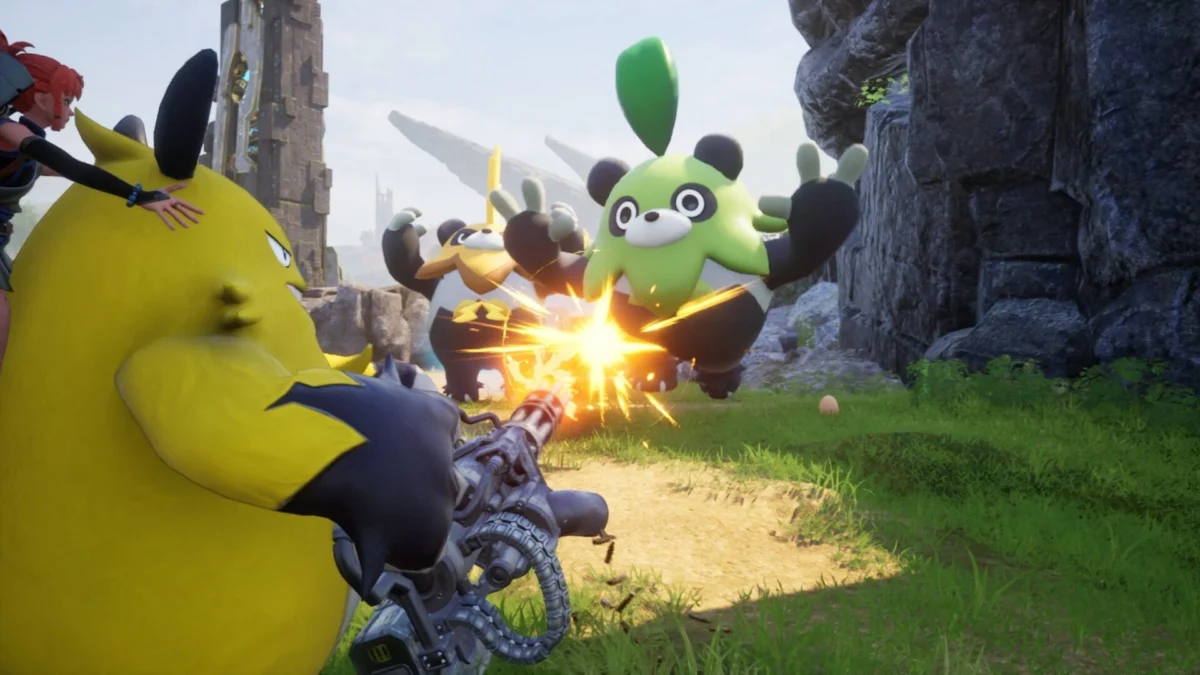
The full commercial release of Palworld has propelled the creature-collection survival game back to the upper echelons of the Steam charts, marking a significant milestone for developer Pocketpair as it navigates both commercial success and complex legal challenges. Since its transition from Early Access to Version 1.0 on July 10, the title has demonstrated remarkable staying power, consistently outperforming long-standing industry titans. According to data provided by SteamDB, Palworld has secured the position of the second most-played game on the platform for two consecutive weekends, trailing only Valve’s perennial leader, Counter-Strike 2. This resurgence is particularly noteworthy as it has displaced Dota 2, a fixture of the Steam top three, into the third-place position, signaling a robust return of the player base following the game’s official launch across PC and console platforms.
Current Market Performance and Steam Hierarchy
The recent surge in player activity highlights Palworld’s unique position within the competitive gaming landscape. While the title has not yet eclipsed its historical peak of 2.1 million concurrent players—a record set during its viral Early Access debut in early 2024—its ability to maintain hundreds of thousands of active users months after its initial buzz is a rarity in the industry. The achievement of surpassing Dota 2 is a significant metric; Dota 2 is a free-to-play title with a massive global infrastructure and a dedicated professional circuit. For a premium, paid title like Palworld to consistently draw a larger concurrent audience speaks to the effectiveness of its Version 1.0 content rollout and its enduring appeal.
To understand the scale of Palworld’s success, one must look at the historical data of the Steam platform. Only three games in the history of the service have ever surpassed the milestone of two million concurrent players: PUBG: Battlegrounds, Black Myth: Wukong, and Palworld. This puts the title in an elite tier of software that transcends standard genre popularity. For further context, only five other titles have ever managed to breach the one-million concurrent player mark, a list that includes Counter-Strike 2, Monster Hunter Wilds, Lost Ark, Dota 2, and Cyberpunk 2077. Palworld’s inclusion in this group is bolstered by the fact that many of its competitors, such as PUBG and Lost Ark, operate on a free-to-play model. Palworld’s ability to generate these numbers while requiring an upfront purchase underscores its significant market penetration and the high demand for its specific blend of survival mechanics and monster taming.
Chronology of Development and the Road to Version 1.0
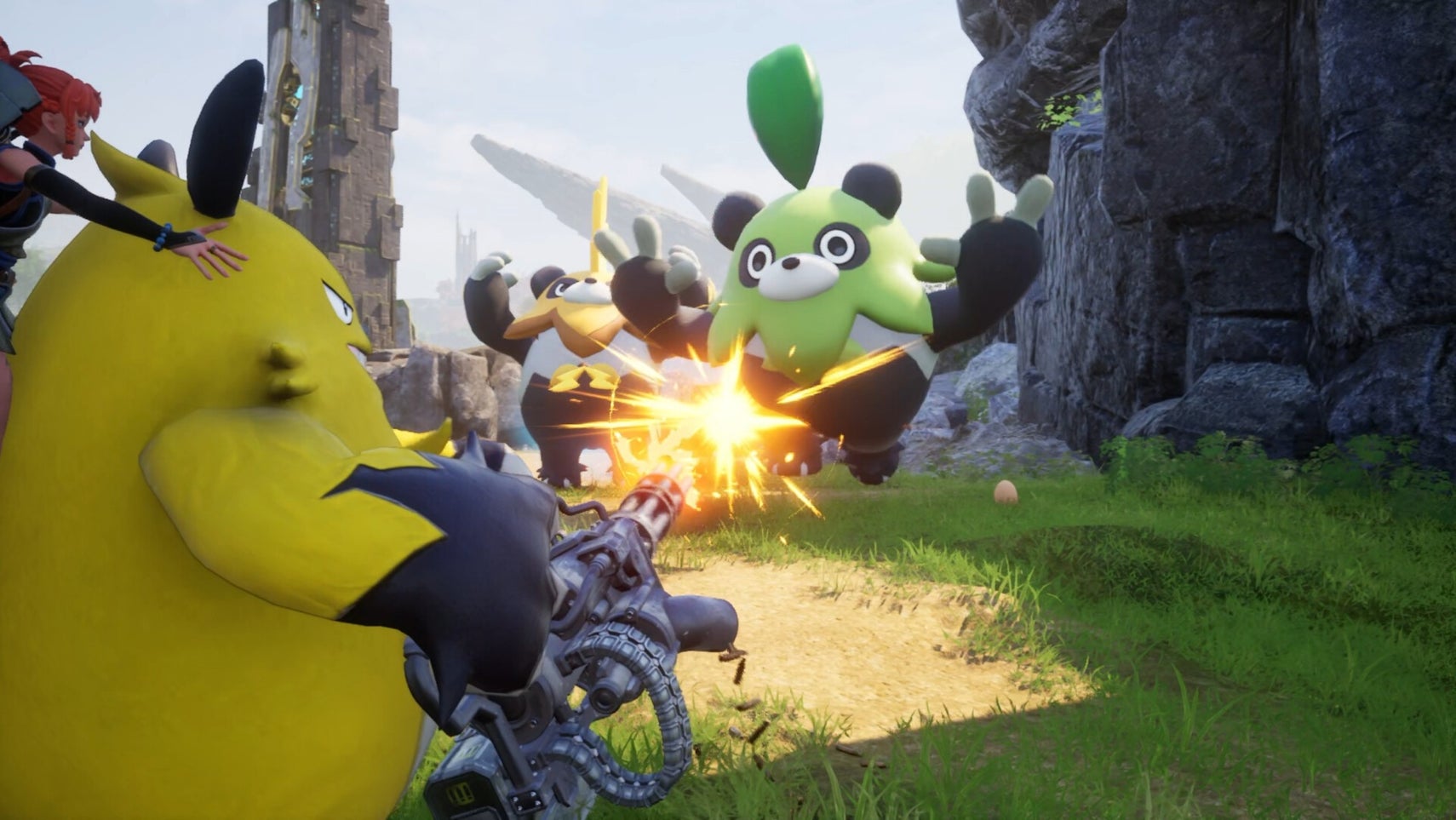
The journey of Palworld from an ambitious indie concept to a global phenomenon has been rapid and fraught with scrutiny. The title first entered Early Access in January 2024, immediately capturing the attention of the gaming public. Its primary hook—combining the aesthetic of creature-collecting games with the gritty survival mechanics of titles like ARK: Survival Evolved and Rust—earned it the colloquial nickname "Pokémon with guns." This identity proved to be a double-edged sword, driving massive sales while simultaneously drawing the attention of major industry stakeholders.
Throughout the Early Access period, Pocketpair focused on stabilizing the game’s infrastructure and expanding its content. The developers released several incremental updates that introduced new "Pals," expanded the world map, and refined the base-building mechanics. The transition to Version 1.0 on July 10 was the culmination of these efforts, bringing the game to its full release state on PC, Xbox One, Xbox Series X/S, and eventually PlayStation 5 and Mac. The 1.0 launch was not merely a label change; it represented a commitment to long-term support and the resolution of many technical hurdles that had persisted during the initial months of the game’s public life.
The Nintendo and Pokémon Company Legal Dispute
Despite its commercial triumphs, Palworld remains embroiled in a high-profile legal battle that has significant implications for the broader gaming industry. In September 2024, Nintendo and The Pokémon Company officially announced that they were filing a joint lawsuit against Pocketpair. The legal action alleges that Palworld infringes upon multiple patents held by the two companies. Unlike typical copyright infringement cases, which often focus on visual designs and artistic assets, this lawsuit targets specific gameplay mechanics and systems that Nintendo and The Pokémon Company claim are their intellectual property.
In subsequent filings, it was confirmed that the lawsuit centers on three specific patents. These include mechanics related to the capturing of creatures in a 3D environment and the summoning of those creatures for battle or utility. Legal analysts have noted that the patents in question appear to cover the specific logic used when a player throws an item (such as a ball or sphere) to initiate a capture sequence. This legal pressure has already forced tangible changes within the game. As part of a major update in December, Pocketpair was compelled to remove the specific mechanic that allowed players to summon creatures by throwing "Pal Spheres" in a manner that closely mimicked the summoning animations found in recent Pokémon titles.
Pocketpair has publicly stated its intent to defend itself against these claims, arguing that the lawsuit is an attempt to stifle innovation and competition within the monster-collecting genre. The developer has expressed regret that the legal proceedings will divert time and resources away from game development, but it remains committed to supporting the Palworld community. The outcome of this case is being closely watched by legal experts, as it could set a precedent for how gameplay mechanics are patented and protected in the future.
Analysis of Gameplay Evolution and Player Retention
The success of Palworld’s Version 1.0 release can be attributed to several key factors that differentiate it from other survival titles. At its core, the game offers a "gameplay loop" that rewards both short-term exploration and long-term industrialization. Players are tasked with capturing Pals, which can then be assigned to work at bases, automating the collection of resources and the manufacturing of equipment. This "factory-management" aspect, combined with traditional RPG elements, has created a highly addictive experience that appeals to a wide demographic.
The Version 1.0 update introduced significant quality-of-life improvements and endgame content that addressed many of the criticisms leveled against the Early Access version. By adding more diverse biomes, challenging raid bosses, and refined PvP (Player vs. Player) mechanics, Pocketpair has managed to retain veteran players while attracting a new wave of users who were waiting for a "finished" product before committing. Furthermore, the game’s presence on subscription services like Xbox Game Pass has served as a powerful discovery tool, allowing millions of players to sample the game before deciding to purchase it on other platforms like Steam.
Broader Implications for the Gaming Industry
Palworld’s continued dominance on the Steam charts represents a shift in the power dynamics of the gaming industry. It demonstrates that a relatively small, independent studio can disrupt the market by iterating on established genres in unconventional ways. The "Palworld phenomenon" has also sparked a debate regarding the boundaries of inspiration versus infringement. While the visual similarities to Pokémon are undeniable, the core gameplay of Palworld—focused on survival, base building, and firearms—is fundamentally different from the turn-based, narrative-driven experience of Nintendo’s flagship franchise.

The ongoing legal struggle serves as a cautionary tale for developers working within popular genres. It highlights the potential risks of utilizing mechanics that may be covered by broad patents held by industry giants. However, the fact that Palworld continues to thrive despite these legal hurdles suggests that the player base is more concerned with the quality of the experience than with corporate disputes. As long as Pocketpair continues to deliver meaningful updates and maintain the stability of its servers, Palworld is likely to remain a fixture of the Steam top-ten list for the foreseeable future.
Future Outlook and Roadmap
Looking ahead, the future of Palworld depends on two primary factors: the resolution of the Nintendo lawsuit and the continued delivery of new content. Pocketpair has teased a roadmap that includes new islands to explore, additional Pals to capture, and expanded cross-platform play capabilities. The studio is also exploring the possibility of bringing the title to even more platforms, further expanding its potential audience.
The resilience of the Palworld community has been a defining characteristic of the game’s first year. Despite the threat of an injunction and the removal of certain mechanics, the player count remains steady. This loyalty provides Pocketpair with a significant financial cushion to navigate its legal challenges. As the industry watches the 2025 calendar, the question remains whether any other upcoming release can challenge Palworld’s grip on the survival-crafting market. For now, the "Pokémon with guns" moniker has evolved into something much larger: a legitimate contender for the title of the most influential game of the mid-2020s.
In conclusion, the Version 1.0 launch of Palworld has solidified its status as a commercial powerhouse. By consistently outperforming established titles like Dota 2 and maintaining a massive concurrent player base, Pocketpair has proven that its unique formula has long-term viability. While the legal shadows cast by Nintendo and The Pokémon Company remain a significant concern, the game’s current performance suggests that Palworld is not merely a passing trend, but a transformative force in the global gaming ecosystem.