Garick Elordi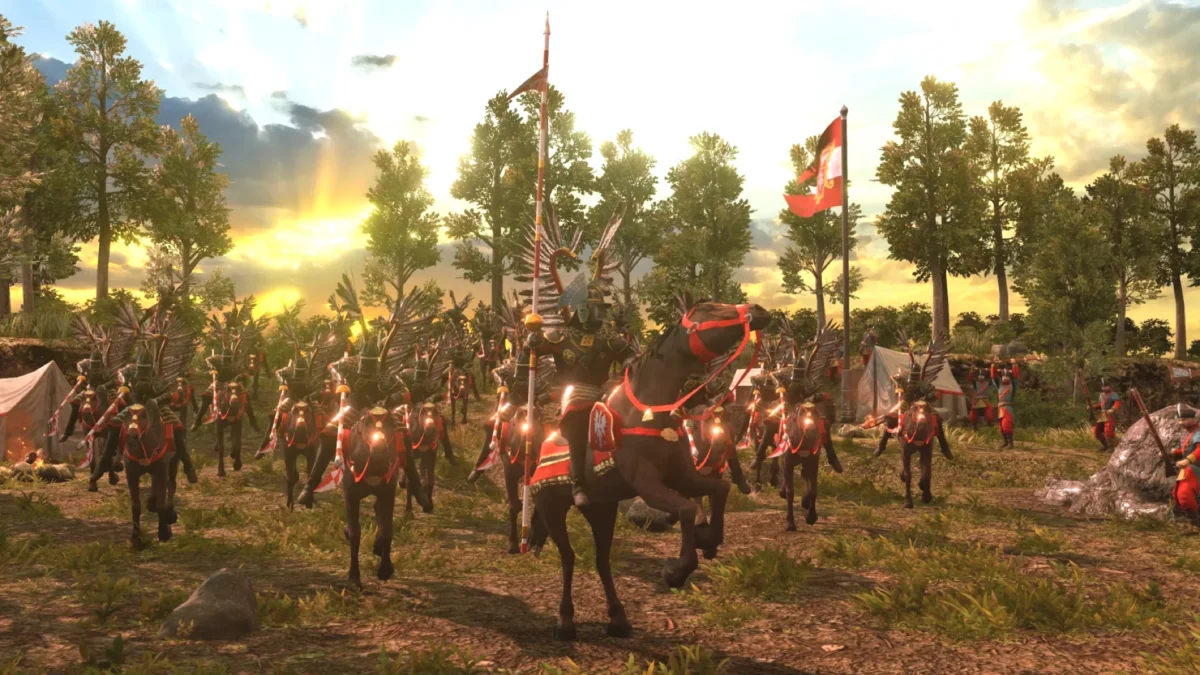
In a surprising reversal of previous corporate strategy, Microsoft has officially announced the revival of a major expansion for Age of Empires III: Definitive Edition, titled The Baltic Powers. The downloadable content (DLC), which was previously declared cancelled following a series of development hurdles and internal delays, is now scheduled for release on September 10. This move represents a rare instance of a "cancelled" project being reinstated within the Xbox Game Studios ecosystem, particularly during a period of significant structural reorganization and workforce reductions across Microsoft’s gaming divisions.
The announcement marks the end of a sixteen-month period of uncertainty for the Age of Empires III community. Initially teased in early 2023, the expansion’s journey from a vague concept to a concrete release has been characterized by shifting timelines and public admissions of premature marketing. With the formal reveal of The Baltic Powers, Microsoft aims to bolster its long-term support for the Age of Empires franchise, which remains a cornerstone of its PC gaming strategy and a significant draw for the PC Game Pass service.
A Chronology of Development and Reinstatement
The trajectory of The Baltic Powers began in February 2023, when Microsoft first signaled that new content was in development for Age of Empires III: Definitive Edition during a franchise-wide "New Year, New Age" showcase. At that time, the developers provided a tentative release window of late 2024. However, as the year progressed, the project faced mounting challenges. By late 2023, Microsoft issued a formal delay, citing the high volume of active projects across the Age of Empires franchise, which includes ongoing support for Age of Empires II: Definitive Edition and the newer Age of Empires IV.
In January 2024, the project appeared to have reached its end. Microsoft released a statement admitting that the announcement of the DLC had been "premature," noting that work had not significantly commenced at the time of the initial reveal. The expansion was effectively shelved, leading many to believe that the 2005 real-time strategy (RTS) title had finally reached the end of its content lifecycle.
The sudden revival of the project this month suggests a strategic pivot. According to official communications from the Age of Empires team, the decision to resume development was driven largely by community feedback and sustained player engagement metrics. The "uncancellation" comes at a time when Microsoft is navigating a complex public relations landscape, seeking to provide positive news to its core audience following a series of high-profile studio closures and layoffs.
Strategic Additions: The Danes and The Poles
The Baltic Powers expansion introduces two major European civilizations, each designed to provide distinct gameplay mechanics and historical flavor. These additions are intended to diversify the late-game meta and offer new economic strategies for competitive and casual players alike.
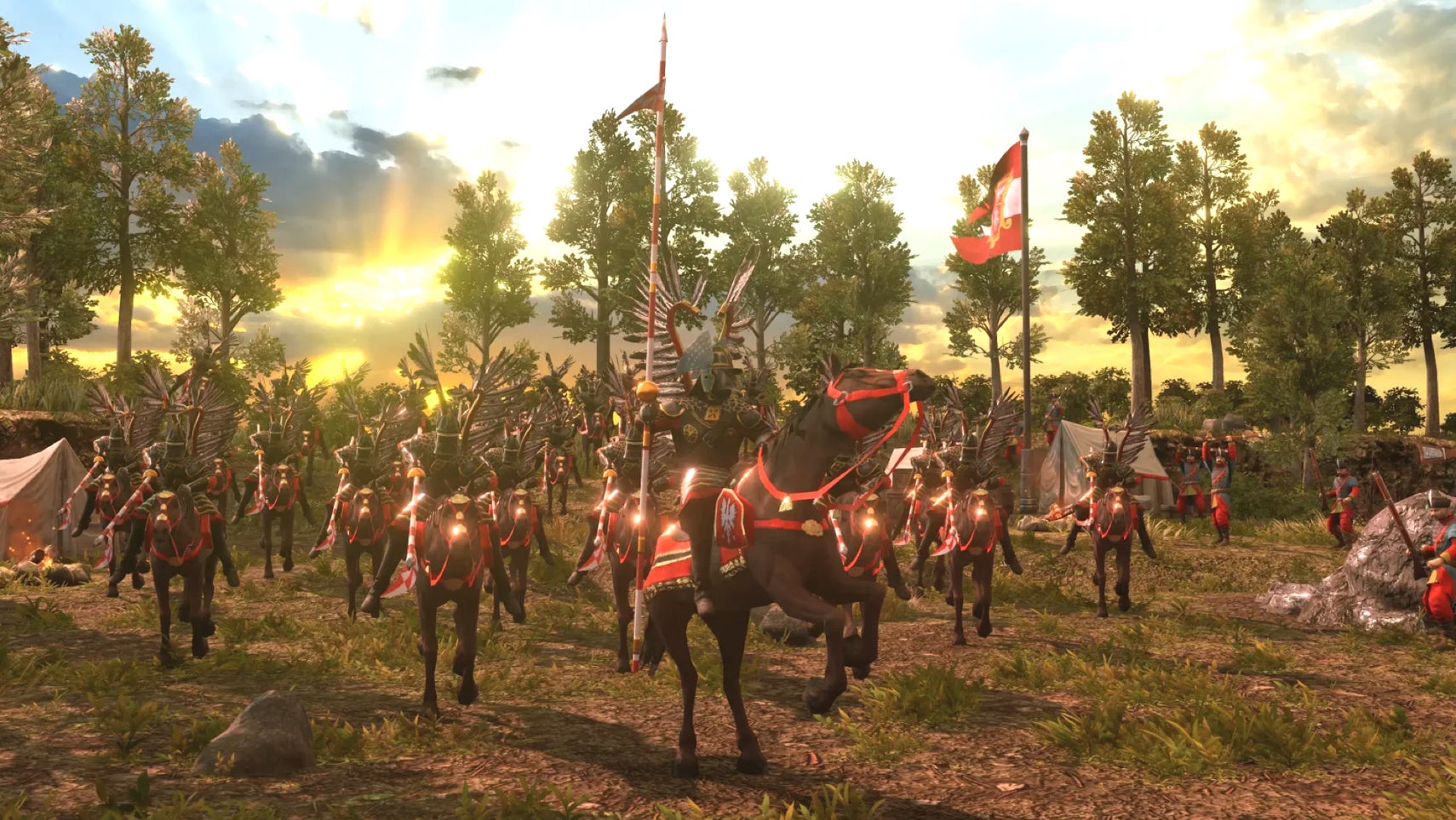
The Poles are characterized by a unique economic engine centered on the "Folwark," a traditional Polish manorial farming system. In Age of Empires III: Definitive Edition, this translates to a civilization that excels in building a "booming" economy through lower construction costs and specific civic bonuses. Militarily, the Polish civilization focuses on battlefield-shaking cavalry options, likely a reference to the historical Winged Hussars, providing a high-impact mobile force capable of breaking enemy formations.
The Danes, conversely, introduce a strategic layer involving the "Customs House." This mechanic allows Danish players to leverage shipments from other players from the earliest stages of a match. This focus on trade and external resource acquisition is complemented by a defensive military structure. The Danes utilize Snaphane (historical pro-Danish guerrillas) and Gunboat levies to protect their territory, making them a formidable power in maps featuring naval routes or contested trade lines.
Beyond the new civilizations, the expansion package is substantial in scope, including:
- 25 New Maps: A diverse array of environments focused on the Baltic region and other historical theaters of conflict.
- 50+ Hero Customizations: Expanding the visual and functional variety of leader units.
- New Scenarios: Historical campaigns titled "Commonwealth Charge" and "Havana Heat," which provide scripted challenges for solo players.
Innovations in Gameplay: Regicide and Independence Modes
The Baltic Powers also introduces two new game modes that alter the fundamental objectives of a standard match. The first, Regicide, is a staple of the Age of Empires II competitive scene and is now being officially integrated into the third installment. In Regicide, each player starts with a "Regent" unit. The primary victory condition shifts from total annihilation or resource dominance to the assassination of the enemy’s leader. This mode typically encourages defensive playstyles and the construction of elaborate fortifications to protect the high-value target.
The second mode, titled Independence, offers a more radical departure from traditional Age of Empires III mechanics. In a standard game, the "Home City" shipment system acts as a persistent safety net, allowing players to call in reinforcements, resources, and upgrades from their capital. The Independence mode removes this feature entirely. Players must rely solely on their on-map strategy, unit micro-management, and battlefield execution. This mode is designed to test the "fundamentals" of RTS gameplay, appealing to players who prefer a more traditional, resource-constrained experience similar to the original Age of Empires or the StarCraft series.
Corporate Context: The "Asha Sharma Reset"
The revival of The Baltic Powers does not exist in a vacuum. It comes during a period of significant upheaval within Microsoft’s gaming division. Recently, Asha Sharma, a key executive at Microsoft, initiated what has been internally termed a "reset" of the company’s gaming strategy. This restructuring has resulted in a massive reduction in force, with approximately 3,200 Xbox employees expected to be laid off by July of next year.
The layoffs have affected numerous high-profile studios, including Double Fine, Compulsion Games, and Ninja Theory. In this environment, the announcement of new content for a legacy title like Age of Empires III is seen by industry analysts as an attempt to maintain community goodwill and demonstrate a continued commitment to established franchises.

To mitigate the negative impact of the restructuring news, Microsoft has been active in seeding "positive" updates. This includes the recent announcement of Xbox backward compatibility features for PC and renewed discussions regarding the development of The Elder Scrolls VI. The reinstatement of The Baltic Powers fits into this broader narrative of franchise stability and responsiveness to consumer demand.
Market Analysis and Franchise Longevity
The decision to continue investing in Age of Empires III: Definitive Edition highlights the enduring profitability of the "Definitive Edition" model. Since the release of the first Definitive Edition in 2018, Microsoft has found success in remastering its classic RTS catalog for modern hardware, adding 4K graphics, improved AI, and quality-of-life updates.
Data from platforms like SteamDB indicate that the Age of Empires franchise maintains a consistent and loyal player base. Age of Empires II: Definitive Edition remains the most popular entry, often seeing concurrent player counts exceeding 20,000. While Age of Empires III: Definitive Edition typically sees smaller numbers—ranging between 3,000 and 6,000 concurrent players—the community is highly engaged and possesses a high "attach rate" for new DLC.
By releasing The Baltic Powers, Microsoft is not only servicing this niche but also ensuring that the Age of Empires ecosystem remains a comprehensive offering on Game Pass. The RTS genre has seen a resurgence in recent years, and maintaining a diverse portfolio of historical settings and mechanics allows Microsoft to dominate the PC strategy market.
Future Implications for World’s Edge and Xbox
The successful revival of this DLC may set a precedent for other "paused" or "cancelled" projects within the Xbox portfolio. It demonstrates that Microsoft is willing to listen to player sentiment when the data supports the viability of a project. For World’s Edge, the internal studio overseeing the franchise, the release of The Baltic Powers is a testament to their ability to manage multiple high-stakes projects simultaneously.
As the September release date approaches, the focus will shift to the balance and integration of the new civilizations. The inclusion of Poland and Denmark fills significant gaps in the game’s European roster and provides historical context to the 17th and 18th-century conflicts that defined the Baltic region.
In conclusion, while the broader Microsoft gaming landscape remains in a state of flux due to corporate restructuring, the return of The Baltic Powers serves as a significant win for the RTS community. It confirms that Age of Empires III: Definitive Edition is not yet a "finished" game and that Microsoft still sees value in the long-tail support of its most storied franchises. Whether this revival is a one-off response to community pressure or a sign of a more flexible development philosophy under the new "reset" remains to be seen. For now, players can look forward to a renewed conflict on the shores of the Baltic this September.