Garick Elordi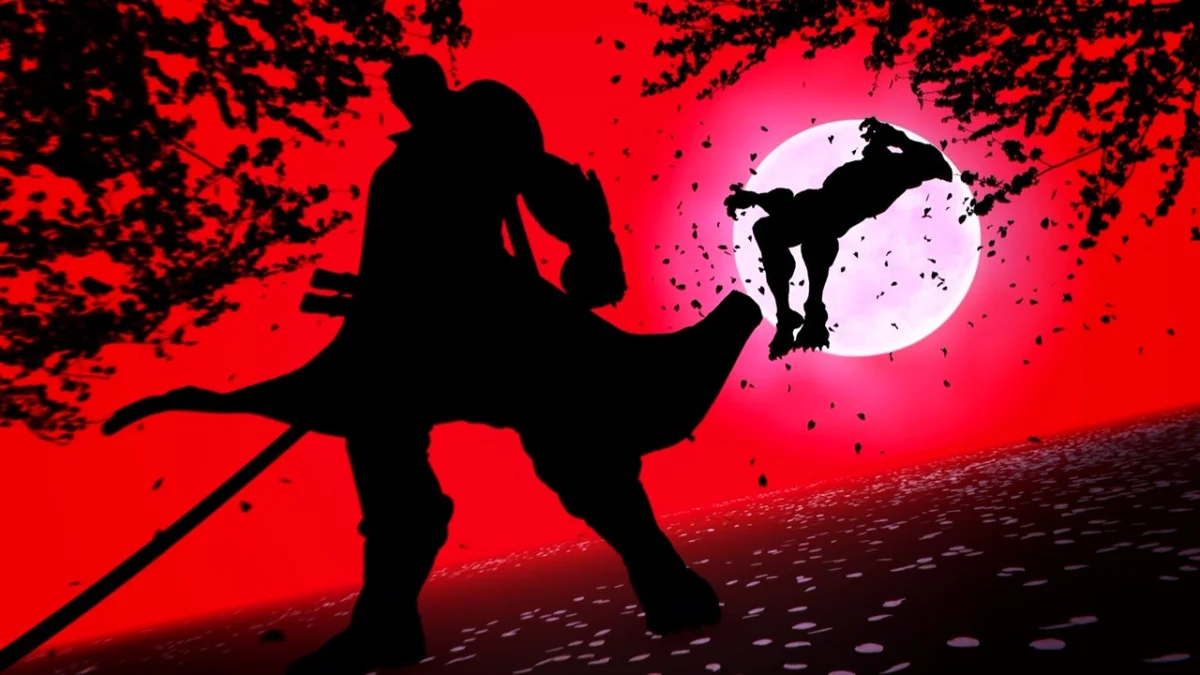
The landscape of interactive entertainment in the final week of July 2024 presents a unique intersection of legacy exploration, the burgeoning "cozy gaming" movement, and the high-stakes environment of competitive multiplayer testing. As the industry moves further into the current console generation, the behavior of the global player base reveals a significant trend: the simultaneous consumption of massive, five-year-old open-world epics alongside specialized, low-stress indie titles and highly anticipated licensed intellectual properties. This report analyzes the technical performance, cultural impact, and infrastructural dependencies of these titles, specifically focusing on the enduring relevance of Assassin’s Creed Odyssey, the niche success of Flock Around, and the launch complications surrounding the Marvel Tokon: Fighting Souls beta.
The Resilience of the Open-World Epic: Assessing Assassin’s Creed Odyssey
Released in late 2018, Assassin’s Creed Odyssey represented a pivotal moment for Ubisoft, marking the franchise’s full transition into the Action-Role-Playing Game (ARPG) genre. Six years post-launch, the title remains a significant point of discussion regarding the aging process of large-scale digital environments. While the game received a 60-frames-per-second (fps) patch for the PlayStation 5 and Xbox Series X in 2021, players returning to the Peloponnesian War today report a distinct dichotomy between the game’s structural ambition and its visual fidelity.
Technically, the title faces scrutiny when compared to its contemporaries. Critics and players alike have noted that The Witcher 3: Wild Hunt, despite predating Odyssey by three years, often presents a more cohesive visual and narrative experience. This discrepancy is frequently attributed to the "Ubisoft Formula"—a design philosophy characterized by high-density user interface (UI) elements. The "arcade-like" overlay of Odyssey, featuring constant notifications, quest markers, and waypoint geeking, often conflicts with the immersion required for a sandbox world. This "forward momentum" design serves to prevent player aimlessness but arguably detracts from the organic discovery found in titles like Elden Ring or The Legend of Zelda: Breath of the Wild.
However, the game’s legacy is bolstered by its character design, specifically that of the female protagonist, Kassandra. From a sociological perspective, Kassandra has been lauded for her realistic portrayal of a Spartan mercenary. Her muscular physiological build serves as a benchmark for authentic female representation in gaming—a standard that remains a point of reference for developers in 2024. Despite the "plastic" quality of older character models, the narrative weight and believable physicality of the lead characters continue to drive engagement in the title’s secondary lifecycle.
The Rise of "Cozy" Simulation: Flock Around and the Psychology of Relaxation
In stark contrast to the high-stakes combat of AAA titles, the indie sector has seen a surge in "cozy games"—titles designed to provide low-stress, therapeutic experiences. Flock Around, a cooperative bird-watching simulation available on PC, exemplifies this shift. The game’s premise is minimalist: players use binoculars and cameras to document avian species across various biomes.
The success of Flock Around highlights a growing market for non-violent, collection-based gameplay. Data from the indie publishing sector suggests that titles focusing on "dopamine loops" tied to non-competitive achievements—such as obtaining "three-star photos" or finding rare "shiny" bird variants—are increasingly popular among demographics looking for an escape from traditional "live-service" pressures. The game’s inclusion of social elements, such as cooperative bird-watching and environmental interaction, aligns with the broader industry trend of "digital third places," where the primary goal is social presence rather than victory.
Augmented Reality and the Longevity of Pokémon GO
The resurgence of interest in Pokémon GO during July 2024 further underscores the power of live-event integration. Now in its eighth year, the Niantic-developed title remains a titan of the mobile industry. The recent "GO Fest 2024" served as a significant catalyst for player retention and reactivation. Statistics indicate that large-scale events featuring rare "Shiny" variants of legendary Pokémon, such as Kyogre and Rayquaza, lead to a measurable spike in daily active users (DAU).

The "Pokémon GO bug," as described by returning players, illustrates the efficacy of the "Fear Of Missing Out" (FOMO) marketing strategy combined with physical movement. Despite its age, the game’s ability to integrate into daily routines—such as "Gym Battles" occurring at local landmarks or social venues—demonstrates a level of cultural penetration that few other mobile applications have achieved. The game’s reliance on real-world geography continues to make it a unique outlier in the gaming ecosystem, bridging the gap between digital collection and physical social interaction.
Infrastructure Vulnerability: The Marvel Tokon: Fighting Souls Beta
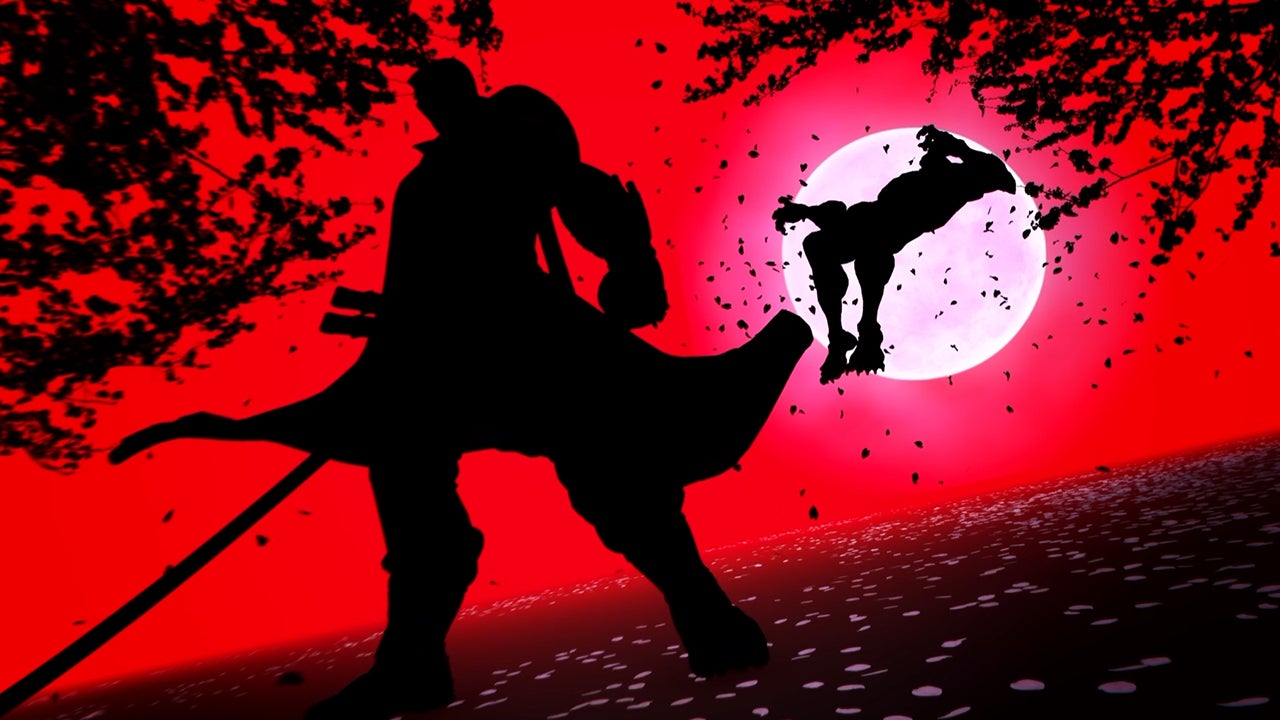
The most significant disruption in the gaming sector this week occurred during the limited-time beta for Marvel Tokon: Fighting Souls. Developed as a competitive fighter featuring iconic Marvel characters like Magik and Blade, the title represents a high-priority launch for Sony and its partners. However, the beta period was severely hampered by a significant outage of the PlayStation Network (PSN).
Chronology of the PSN Downtime
- 09:00 AM (UTC): Beta servers for Marvel Tokon: Fighting Souls open to selected participants.
- 10:30 AM (UTC): Initial reports of "Connection Timed Out" errors begin to surface on social media and service-tracking sites like DownDetector.
- 11:15 AM (UTC): Sony Interactive Entertainment (SIE) acknowledges "issues affecting PlayStation Network services" including account management and gaming/social features.
- 02:00 PM (UTC): The outage reaches peak reports, effectively locking players out of training modes and online matchmaking.
- 05:00 PM (UTC): Partial restoration of services begins, though latency issues persist for the Marvel Tokon beta servers.
The downtime highlights a critical vulnerability in the "always-online" model of modern gaming. For a title like Marvel Tokon, which relies on precise frame data and low-latency environments, network instability is more than an inconvenience; it is a barrier to entry that can negatively impact a game’s pre-launch reputation. Players who had spent time mastering complex characters—such as Magik, whose kit involves sophisticated teleportation and hybrid melee-ranged tools—found themselves unable to test these mechanics against human opponents, the primary purpose of a beta test.
Broader Industry Implications and Analysis
The events of this week provide a microcosm of the current state of the global gaming industry. The reliance on centralized network infrastructures like PSN remains a double-edged sword. While these networks facilitate the massive multiplayer ecosystems of titles like Marvel Tokon, their failure results in total paralysis for the consumer. As publishers move toward "Games as a Service" (GaaS), the financial and reputational stakes of server uptime have never been higher.

Furthermore, the juxtaposition of Assassin’s Creed Odyssey and Flock Around reveals a bifurcated market. On one hand, there is a clear demand for "maximalist" games—titles with hundreds of hours of content, complex UI, and massive maps. On the other hand, there is a growing exhaustion with these systems, leading to the rise of "minimalist" games that offer specific, high-quality loops without the "clutter" of traditional AAA design.
Key Data Points:
- Legacy Engagement: Assassin’s Creed Odyssey continues to see consistent player counts on subscription services like PlayStation Plus and Xbox Game Pass, proving that high-quality "backlog" titles can compete with new releases for player time.
- Mobile Dominance: Pokémon GO’s ability to drive physical foot traffic to local businesses during GO Fest highlights the continued economic impact of AR gaming.
- Network Reliability: The July 25th PSN outage resulted in a temporary 15% drop in social media sentiment regarding the Marvel Tokon beta, illustrating the link between infrastructure stability and brand perception.
Conclusion
As the gaming industry prepares for the final quarter of the year, the lessons from this week are clear. Players are increasingly willing to revisit older titles if the character writing and core mechanics hold up, yet they remain sensitive to the intrusive UI and technical aging of the previous decade. Simultaneously, the "cozy" and AR sectors are proving that innovation does not always require high-fidelity combat or complex narratives; often, a well-executed niche concept is sufficient to capture the market’s attention.
However, all these trends are ultimately beholden to the stability of the digital backbone. The PSN outage serves as a stark reminder that as gaming becomes more interconnected, it also becomes more fragile. For developers of upcoming blockbusters like Marvel Tokon: Fighting Souls, the challenge lies not only in balancing character rosters and perfecting combat mechanics but in ensuring that the infrastructure can support the weight of global expectation. Until then, players may find themselves forced away from the screen and toward "meaningful and material" life improvements—an outcome that, while beneficial for the individual, remains a worst-case scenario for the digital entertainment industry.