Vera Intan Clara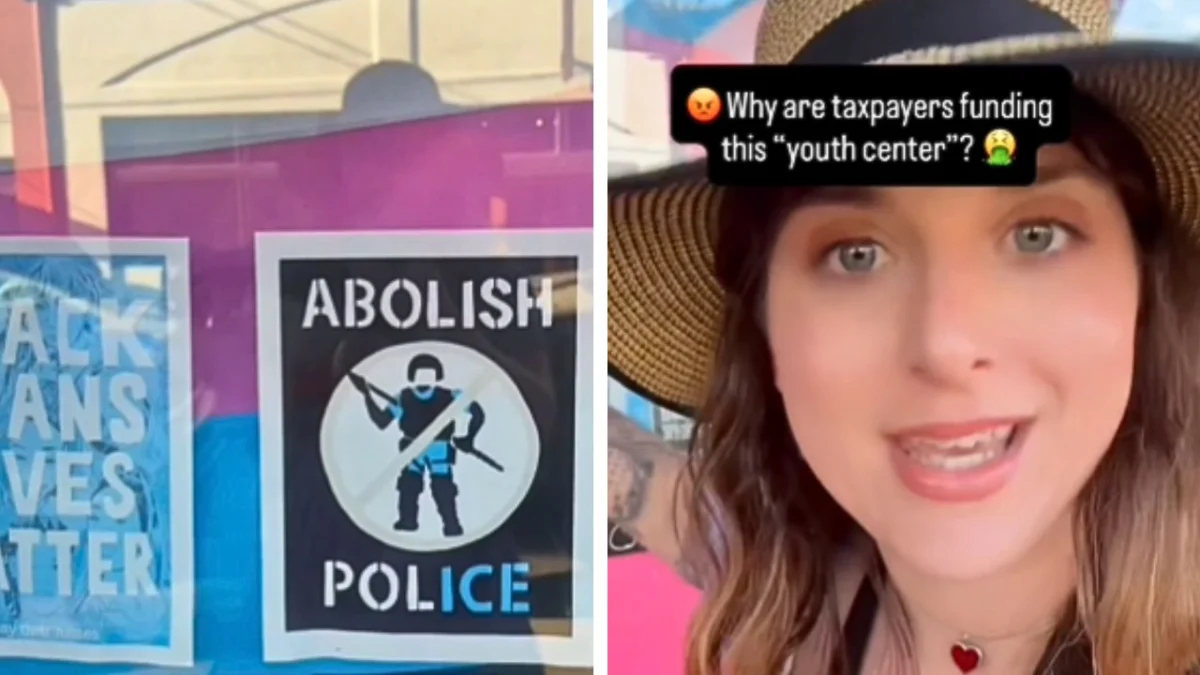
An online video disseminated by the X account @WallStreetApes has sparked a significant public debate, placing a spotlight on Stonewall Youth, an LGBTQ+ youth organization based in Olympia, Washington. The post, which quickly gained traction, scrutinizes the organization’s funding sources and the nature of its messaging directed at young people, drawing sharp criticism and defensive responses across social media platforms. The video, filmed by an unidentified woman outside Stonewall Youth’s Olympia premises, features her commentary on various signs and posters displayed, which she characterizes as promoting "extremist political ideas" and "weaponizing" young individuals.
The incident highlights a growing national tension surrounding the services provided to LGBTQ+ youth and the role of non-profit organizations in community advocacy. Stonewall Youth, established in 1991, describes itself as a youth-led entity dedicated to serving LGBTQ+ young people, particularly those aged 21 and younger. Its comprehensive range of programs includes drop-in services, peer support groups, workshops, leadership development opportunities, and assistance with essential necessities such as food, clothing, school supplies, and gender-affirming items. The organization explicitly states its commitment to empowering young people to educate themselves and their peers, and to organize around issues pertinent to their communities.
The Viral Video and Its Contentious Claims
The video, widely shared across X, captures the woman narrating her observations of the posters adorning the exterior of the Stonewall Youth building. Among the specific examples she cites are a poster emblazoned with "BLACK TRANS LIVES MATTER" in white block letters against a blue background, and another advocating for abortion access and reproductive rights. The latter explicitly states, in both English and Chinese, "We will aid and abet abortion." These visual elements form the basis of her allegations that the center is engaging in the promotion of extremist political ideologies.
The accompanying text from the @WallStreetApes post further escalates these claims, asserting that Stonewall Youth is involved in "taxpayer funded mass indoctrination of our kids." The post alleges that the non-profit’s building displays "every political activist message you can think of," including calls for "abolishing the police, encouraging ‘riots’ and to attack America." These characterizations of the posters and the organization’s mission, however, have not been independently verified by fact-checking entities or mainstream news outlets. The Daily Dot, in its initial reporting, noted the lack of independent verification for the extremism claims. The July 27, 2026, timestamp on the embedded X post indicates the recent nature of this online controversy, though such dates can sometimes be subject to platform anomalies.
Stonewall Youth: A Decades-Long Commitment to LGBTQ+ Youth
Stonewall Youth’s roots trace back to 1991, emerging from a critical need for safe spaces and supportive services for LGBTQ+ youth in the Olympia area. Over its more than three-decade history, the organization has evolved into a cornerstone of the community, recognized for its youth-centric approach. Its operational philosophy emphasizes empowering young people, allowing them to shape programs and services that directly address their needs and concerns. This youth-led model is a defining characteristic, differentiating it from many other non-profits that adopt a top-down service delivery structure.
The services offered by Stonewall Youth extend beyond mere social gatherings. They encompass a holistic approach to youth development and well-being. Drop-in programs provide immediate, accessible support and a safe haven. Peer support groups foster a sense of community and shared experience, crucial for young people navigating complex identity issues. Workshops offer educational opportunities on topics ranging from mental health and sexual health to advocacy skills and leadership development. Critically, the organization also addresses basic survival needs, offering assistance with food, clothing, school supplies, and gender-affirming items such—as binders, wigs, and cosmetics—to help youth express their authentic selves. These services are vital for many LGBTQ+ youth who disproportionately face challenges such as homelessness, family rejection, bullying, and mental health crises. For instance, studies by organizations like The Trevor Project consistently show higher rates of suicidal ideation and attempts among LGBTQ+ youth, underscoring the life-saving importance of supportive environments.
Unpacking the Funding Controversy
A central point of contention in the viral video and subsequent online discourse revolves around Stonewall Youth’s funding, specifically the claim of "taxpayer funded mass indoctrination." Washington’s Department of Commerce, through its Office of Homeless Youth (OHY), announced in January 2024 a significant allocation of $4.8 million in grants to 19 organizations across the state. These grants were specifically earmarked for specialized services targeting young people experiencing homelessness or at risk of homelessness. Stonewall Youth was indeed among the recipients, securing a $300,000 grant designated for its work within Thurston County, where Olympia is located.
It is crucial to understand the nature and intent of these grants. The OHY grants are awarded through a competitive application process, evaluating organizations based on their demonstrated capacity to provide vital services, their track record, and their alignment with state goals to support vulnerable youth populations. The Department of Commerce’s explicit mandate for these funds is to address the multifaceted challenges faced by homeless youth, which often include lack of safe housing, educational disruption, food insecurity, and unmet health and mental health needs. The grant awarded to Stonewall Youth was specifically intended to bolster its programs designed to address these critical needs for LGBTQ+ youth, a demographic known to be overrepresented among homeless youth populations.
However, the state grant does not support the more extreme allegations made in the viral video. The grant was not intended, nor does it stipulate, for the "sterilization" of children or for the sole provision of gender-affirming medical procedures. Public records and the Department of Commerce’s grant descriptions outline a clear focus on basic support services, housing assistance, and general well-being programs. This distinction between the actual terms of the grant and the allegations made by critics forms a core component of the misinformation surrounding the controversy.
The Nuance of "Gender-Affirming" Support
The phrase "gender-affirming" has become a flashpoint in broader cultural debates, often conflated with medical interventions. It is imperative to clarify what Stonewall Youth publicly states it provides versus the allegations. Stonewall Youth’s website and public materials indicate that it offers "gender-affirming items" such as clothing, cosmetics, wigs, and binders. These items are non-medical and are aimed at helping individuals express their gender identity, which can significantly improve mental health and self-esteem for transgender and gender non-conforming youth. The organization also provides referrals and resources related to health care, which is a standard practice for many social service non-profits connecting clients with appropriate professional services.
Crucially, Stonewall Youth’s public materials do not support the woman’s claim in the video that it performs medical gender-affirming procedures on minors. Medical gender-affirming care typically involves a multi-disciplinary approach, often including therapy, hormone therapy, and, in some cases for adults, surgical interventions. For minors, such medical pathways are highly regulated, typically requiring parental consent, extensive psychological evaluation, and are provided by licensed medical professionals within established healthcare systems, not by youth community centers. The allegations of "sterilization" or direct medical procedures being performed by Stonewall Youth appear to be a significant misrepresentation of the organization’s stated services.
Online Reactions and the Amplification of Discourse
The video and its accompanying commentary rapidly generated a storm of reactions on X, indicative of the highly polarized nature of discussions surrounding LGBTQ+ youth issues. Many commenters echoed the sentiments of the original post, expressing strong opposition to Stonewall Youth’s activities and its funding. One user stated, "This is the future they want for America," implying a dystopian vision tied to the organization’s work. Another commenter cautioned parents, writing, "I hope these children aren’t used in a violent revolution. Parents, please realize what you’re signing your children up for." A third user directly called for financial divestment, stating, "Stop funding this."
These reactions underscore a broader pattern of online activism where emotionally charged rhetoric can quickly spread, often without thorough verification of facts. The X account @1776AmPat1776 further contributed to the contentious environment with a post stating, "It’s hilarious that the people we see screaming to defund the police appear to be the least capable of defending themselves against the exact kind of evil that the police protect them from. Idiots." This comment, while not directly addressing Stonewall Youth, connects to the general theme of political messaging and criticisms leveled against progressive social movements, illustrating how these debates often intersect and amplify existing ideological divides. The rapid dissemination of such content on platforms like X can shape public perception, influence policy discussions, and, in some cases, lead to real-world consequences for targeted organizations and individuals.
Broader Implications: Youth Advocacy, Misinformation, and Public Trust
This incident involving Stonewall Youth is not an isolated event but rather a symptom of a larger national trend where LGBTQ+ youth organizations and gender-affirming care are increasingly targeted by political rhetoric and misinformation campaigns. The implications of such campaigns are far-reaching, impacting multiple facets of society.
Impact on Non-Profit Organizations: Organizations like Stonewall Youth, which serve vulnerable populations, often operate on limited budgets and rely heavily on public trust and consistent funding. Allegations of "indoctrination" or promoting "extremism" can severely damage their reputation, jeopardize funding streams, and divert critical resources from direct service provision to crisis management and public relations. This creates an environment of increased vulnerability for staff and volunteers, potentially exposing them to harassment or threats.
Spread of Misinformation: The rapid spread of unverified claims through social media platforms poses a significant challenge to factual reporting and informed public discourse. When allegations are presented as facts without independent verification, they contribute to a climate of distrust and can hinder constructive dialogue on important social issues. The conflation of gender-affirming items with invasive medical procedures is a prime example of how nuanced topics are oversimplified and distorted for political ends.
Vulnerability of LGBTQ+ Youth: At the heart of this debate are the young people whom Stonewall Youth serves. LGBTQ+ youth face unique challenges, including higher rates of mental health issues, homelessness, and experiences of bullying and discrimination. Organizations providing safe spaces and support services are critical lifelines. Attacks on these organizations can exacerbate feelings of isolation and fear among youth, potentially hindering their access to vital support networks.
Government Oversight and Funding: The controversy also raises questions about government oversight of grant funding and the criteria used to allocate taxpayer money. While the Washington Department of Commerce’s Office of Homeless Youth operates under clear guidelines to support vulnerable populations, such incidents can lead to increased scrutiny and politicization of grant processes, potentially impacting future funding for diverse non-profit initiatives.
The Role of Political Messaging in Advocacy: The presence of posters like "BLACK TRANS LIVES MATTER" and "We will aid and abet abortion" on the organization’s premises highlights the inherent intersection of social justice advocacy and youth support. For many LGBTQ+ youth, issues of racial justice and reproductive rights are not separate political debates but are deeply intertwined with their identities and lived experiences. Organizations serving these youth often view advocacy on such issues as integral to creating a truly inclusive and equitable environment. However, this also makes them targets for those who disagree with these political stances, blurring the lines between service provision and perceived political activism.
The Landscape of Youth Services in Washington
Washington State has generally adopted a progressive stance on LGBTQ+ rights and youth support services. The Department of Commerce’s Office of Homeless Youth exemplifies this commitment, recognizing the diverse needs of young people who are experiencing or are at risk of homelessness. The state’s approach often involves partnering with community-based organizations, understanding that they are best positioned to reach and serve specific populations with tailored programs. This decentralized model allows for flexibility and responsiveness to local needs, but it also opens the door to greater scrutiny from those who disagree with the missions or methods of particular organizations.
The ongoing debate about parental rights versus youth autonomy in decisions related to health, identity, and social services further complicates this landscape. While parental involvement is generally encouraged and legally mandated for many aspects of a minor’s life, there are also provisions and philosophical arguments for supporting youth autonomy, especially when parental support is absent or harmful. Organizations like Stonewall Youth often navigate this complex terrain, aiming to provide support while adhering to legal and ethical frameworks that prioritize the well-being and safety of the young people they serve.
Conclusion
The viral video targeting Stonewall Youth in Olympia encapsulates a microcosm of the broader cultural and political battles currently unfolding across the United States. It underscores the critical importance of organizations providing safe spaces and vital services for LGBTQ+ youth, a demographic frequently marginalized and vulnerable. Simultaneously, it highlights the pervasive challenges posed by misinformation, particularly when amplified through social media, and the intense scrutiny faced by non-profits operating in politically charged environments.
As the debate continues, it remains crucial for the public discourse to be anchored in verifiable facts, distinguishing between the stated mission and services of organizations like Stonewall Youth and unsubstantiated allegations. The controversy serves as a stark reminder of the delicate balance between supporting vulnerable youth and navigating the complexities of public funding, political messaging, and the ever-present influence of online narratives in shaping public opinion and policy. The future of youth advocacy and the well-being of LGBTQ+ youth depend on a nuanced understanding of these dynamics and a commitment to fostering inclusive, supportive communities.