Garick Elordi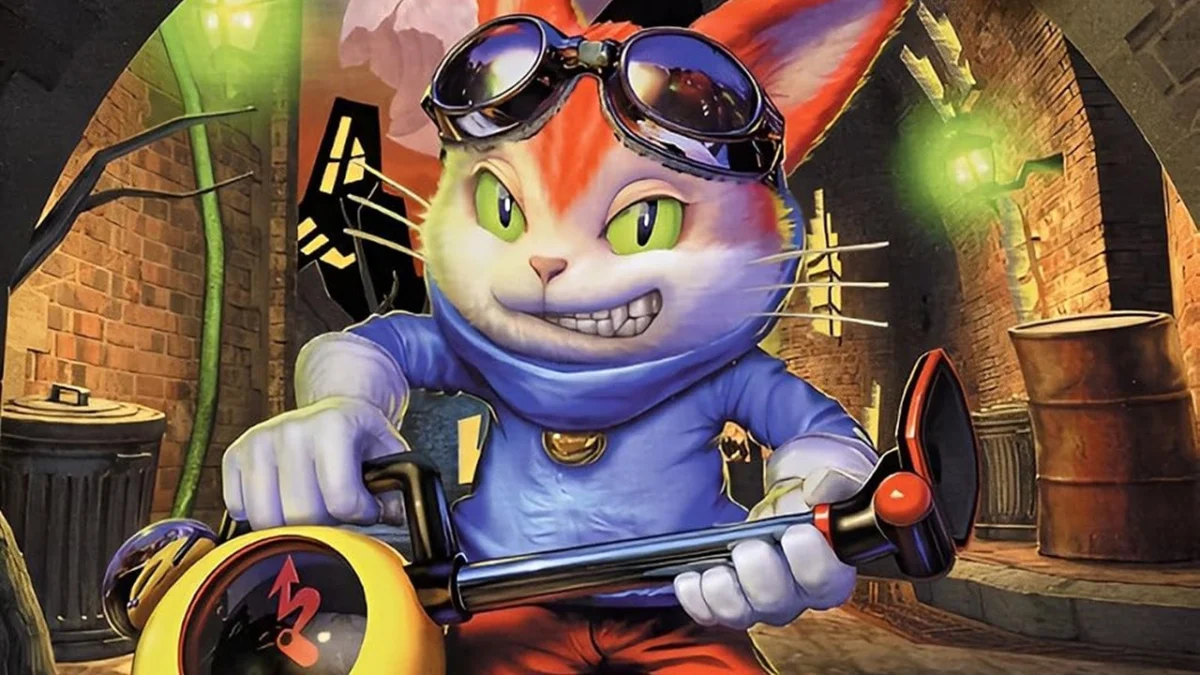
Microsoft has officially launched its Xbox Backward Compatibility program for Windows PC and handheld devices, marking a significant shift in the company’s long-standing effort to preserve its gaming legacy. Announced via the official Xbox Wire platform, the initiative introduces a selection of titles from the original Xbox era to the PC ecosystem, optimized for modern hardware. This move comes at a transformative period for the Microsoft Gaming division, which has recently undergone substantial restructuring, including the elimination of approximately 3,200 positions and the closure of four internal development studios. Despite these internal shifts, the expansion of backward compatibility signals a renewed commitment to leveraging Microsoft’s historical intellectual property across its broader software ecosystem.
The Initial Software Catalog and Technical Enhancements
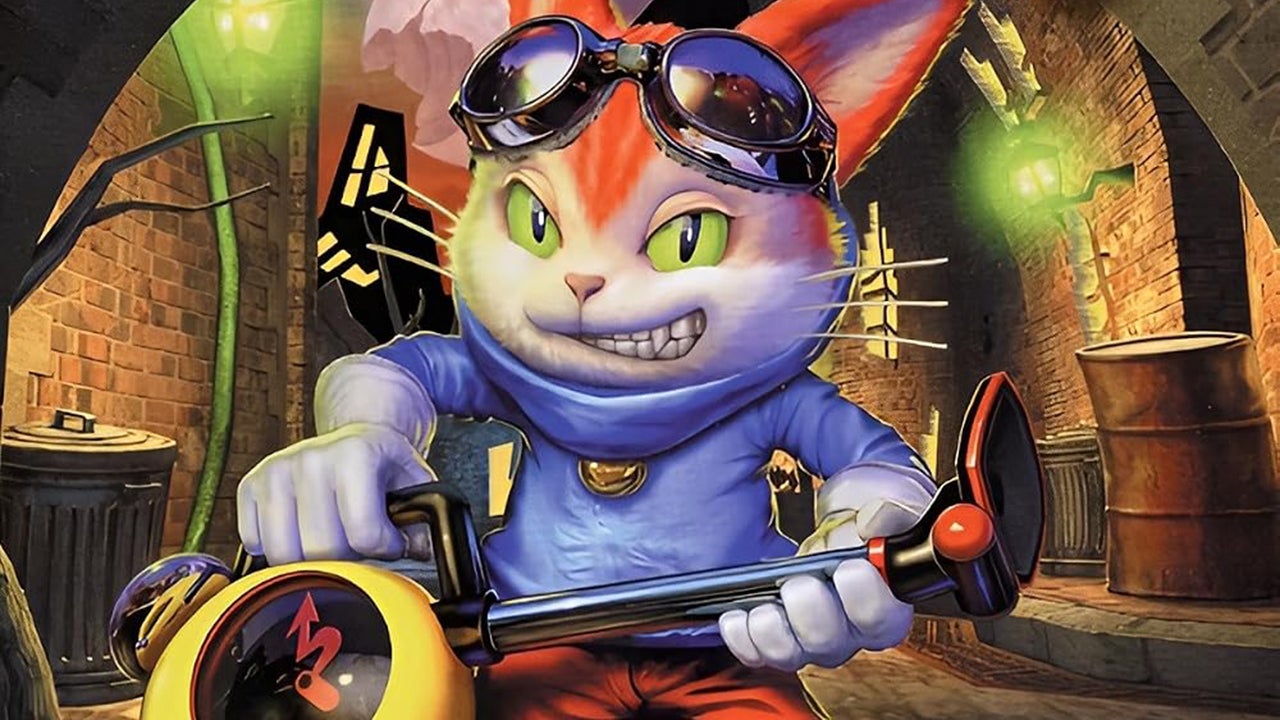
The inaugural wave of the PC backward compatibility program features four distinct titles that originally defined the early years of the Xbox brand. These include the time-manipulation platformer Blinx: The Time Sweeper, the mature-rated platformer Conker: Live and Reloaded, the aerial combat classic Crimson Skies: High Road to Revenge, and the multiplayer party game Fuzion Frenzy. While these titles represent a diverse cross-section of the original Xbox library, industry analysts note that they serve as a technical proof-of-concept for a much larger potential rollout.
To ensure these decades-old titles meet modern standards, Microsoft has integrated a suite of technical enhancements into the emulation layer. Unlike traditional ports, these games utilize a specialized wrapper that allows for significant graphical improvements. Key features include:
- Resolution Upscaling: Support for up to 4x the original internal resolution, allowing games originally designed for 480p displays to output at 4K on compatible monitors.
- Performance Stability: VSync support to eliminate screen tearing and ensure consistent frame delivery.
- Visual Fidelity: Implementation of anisotropic filtering to improve texture clarity at oblique angles and enhanced anti-aliasing to reduce jagged edges.
- Display Versatility: Native support for both Fullscreen and Windowed modes, catering to the multitasking nature of PC environments.
Integration with the Xbox Ecosystem and Game Pass
A central component of this rollout is the seamless integration with existing Xbox services. Microsoft has confirmed that all titles included in the program are available as part of the Xbox Game Pass subscription service across all tiers. For non-subscribers, the games are available for individual purchase at a standardized price point of $9.99, though regional pricing adjustments may apply.
Furthermore, the initiative utilizes a "cross-buy" licensing model. Users who previously purchased digital versions of these titles on Xbox consoles will find the licenses automatically extended to their PC libraries at no additional cost. This ecosystem-wide approach extends to cloud gaming support, allowing users to stream these classics to mobile devices and browsers. Jason Ronald, Vice President of Next Generation at Xbox, indicated that the program is still in its early stages, with plans to integrate Xbox Achievements for these titles in the coming months.
A Chronology of Xbox Backward Compatibility
The journey toward PC backward compatibility is rooted in a decade of technical evolution within Microsoft’s engineering teams.
- June 2015: Microsoft surprises the industry at E3 by announcing that the Xbox One would support Xbox 360 titles via software emulation.
- October 2017: The program expands to include original Xbox games, starting with 13 titles including Star Wars: Knights of the Old Republic.
- November 2021: During the Xbox 20th Anniversary stream, Microsoft adds over 70 titles to the program but announces that it has reached the limits of its ability to bring new games to the catalog due to licensing, legal, and technical constraints.
- July 2024: The program is revived and pivoted toward the PC market, addressing a long-standing request from the community to bridge the gap between console history and the Windows platform.
This timeline highlights Microsoft’s persistent focus on backward compatibility as a brand differentiator, particularly when compared to its primary competitors, Sony and Nintendo, who have historically relied more heavily on remasters or separate subscription-based "classics" catalogs with less emphasis on ownership persistence.
Corporate Context: Strategy Amidst Restructuring
The timing of this announcement is noteworthy, occurring shortly after a series of high-profile layoffs and studio closures that have sparked debate regarding Xbox’s long-term strategy. The closure of studios such as Tango Gameworks and Arkane Austin suggested a consolidation of resources toward "blockbuster" franchises. However, the launch of the PC backward compatibility program suggests a secondary strategy: maximizing the value of the existing library to bolster the attractiveness of the Xbox App on Windows and the Xbox Game Pass service.
Industry observers suggest that this move may be a strategic response to the rising popularity of PC gaming handhelds, such as the ASUS ROG Ally and the Lenovo Legion Go. By making console classics natively playable on these devices via the Xbox ecosystem, Microsoft is positioning itself to capture a larger share of the portable gaming market without requiring users to rely on third-party emulation tools.
Comparative Industry Analysis: Preservation and Physical Media
The preservation of digital software has become an increasingly contentious issue within the gaming industry. As storefronts for older consoles, such as the Xbox 360 and PlayStation 3, face closure, the ability to play older software on modern hardware becomes a matter of cultural and consumer importance.
In contrast to Microsoft’s current trajectory, recent reports regarding Sony Interactive Entertainment suggest a potential shift away from physical media. Internal documents and supply chain rumors indicate that future iterations of PlayStation hardware, potentially including a "PlayStation 6," might omit disc drives entirely by 2028. This move toward an all-digital future has raised concerns among preservationists who argue that physical media is the only reliable way to ensure long-term access to games.

Platforms like GOG (formerly Good Old Games) have long advocated for the removal of Digital Rights Management (DRM) and the preservation of classic PC titles. Microsoft’s entry into the "classic" space on PC brings a corporate weight to the preservation movement, though it remains tethered to the Xbox digital storefront and subscription models.
Technical Hurdles and Licensing Challenges
The expansion of backward compatibility is not without significant hurdles. The original Xbox was built on a unique architecture that combined an Intel Pentium III-based CPU with an NVIDIA NV2A GPU. Emulating this specific hardware configuration on modern x86-64 PC architectures requires sophisticated software translation.
Beyond the technical requirements, licensing remains the primary obstacle to expanding the library. Many titles from the early 2000s involve expired music licenses, defunct development studios, and complex intellectual property rights. For instance, games featuring licensed soundtracks or real-world vehicles often require extensive legal renegotiation before they can be re-released on modern platforms. This explains the relatively small size of the initial four-game wave, as Microsoft likely prioritized titles it fully owns or those with simpler licensing structures.
Future Implications for the Xbox Brand
The introduction of backward compatibility to PC is likely the first step in a broader "Xbox Everywhere" initiative. By decoupling the Xbox software library from specific console hardware, Microsoft is evolving into a platform-agnostic service provider. This strategy aligns with the company’s recent "Bethesda Roadmap" leaks, which suggested a focus on remastering older hits while developing new entries in established franchises like Fallout and The Elder Scrolls.
The long-term success of this program will depend on the frequency of new title additions and the depth of the technical features provided. If Microsoft can successfully navigate the legal complexities of its vast back-catalog, it could create a definitive library that spans four generations of gaming, accessible on consoles, PCs, and mobile devices.
As the industry moves toward a more fragmented landscape of subscriptions and digital-only releases, the ability to carry a digital library across hardware generations remains a powerful incentive for consumer loyalty. For now, the arrival of Blinx, Conker, and Crimson Skies on PC serves as both a nostalgic nod to the past and a calculated step toward a future where the "Xbox" name refers more to a service than a specific box under a television.