Garick Elordi
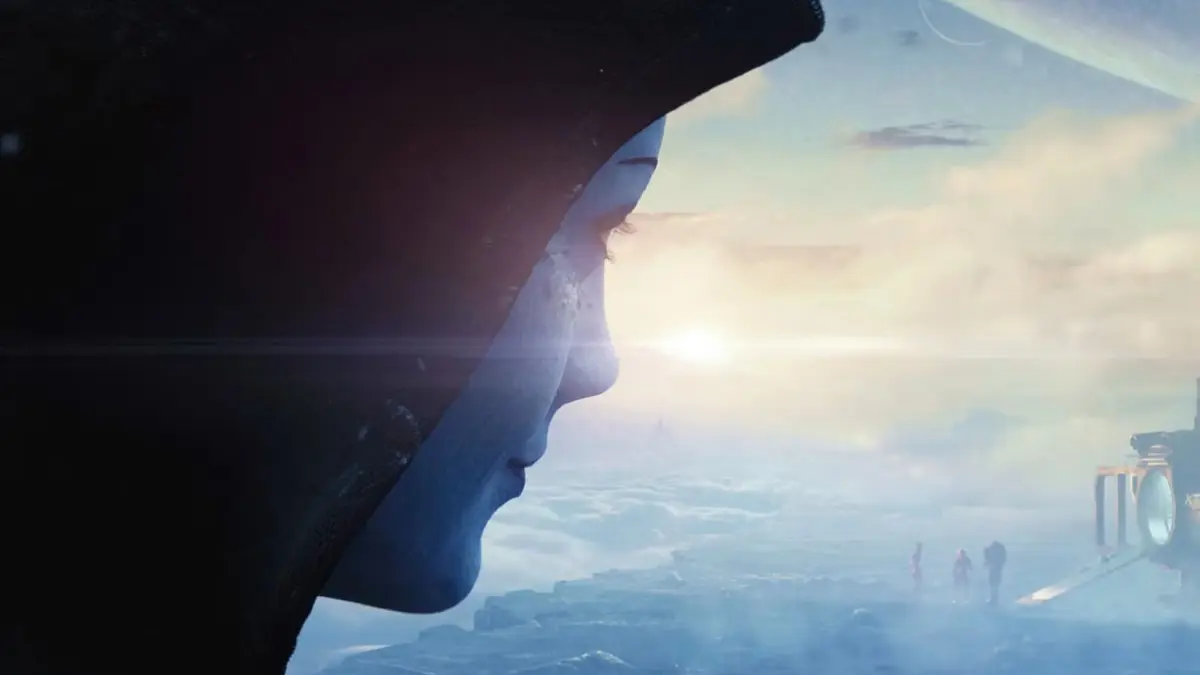
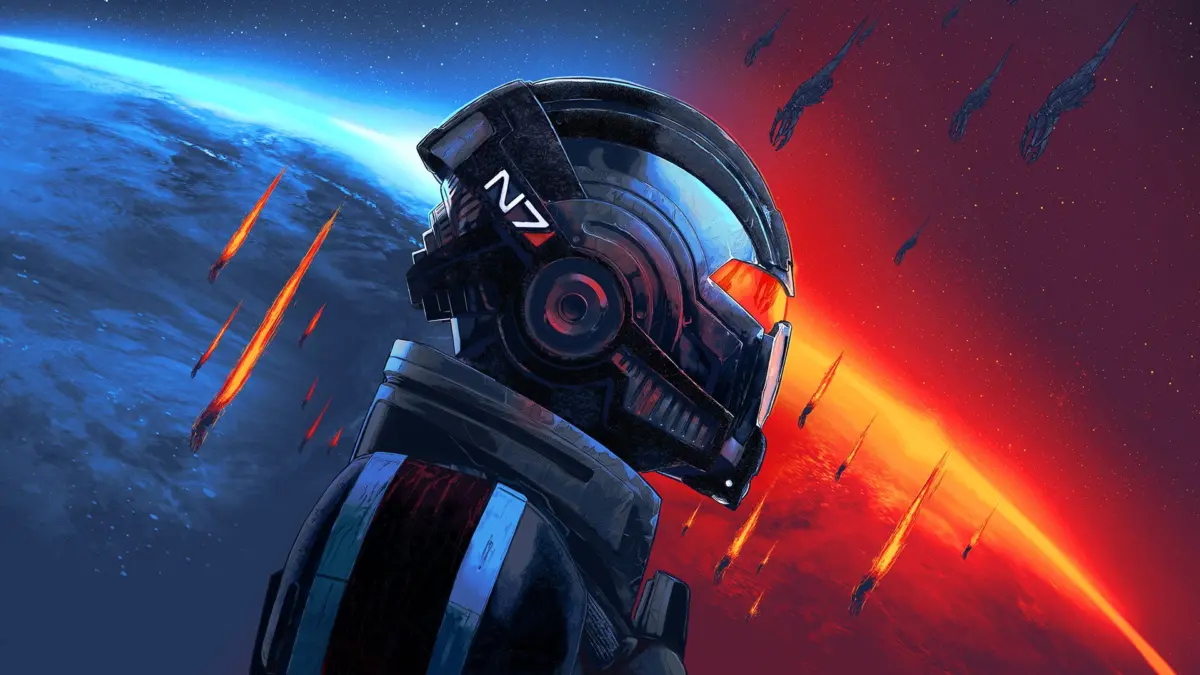
The digital landscape of New York City’s Times Square became the focal point of a massive grassroots movement this week as fans of the Mass Effect franchise initiated a high-visibility campaign to protest the dissolution of BioWare and the reported cancellation of the series’ next installment. Under the banner of "#SaveMassEffect," a community-organized initiative has successfully secured advertising space in one of the world’s most frequented commercial intersections, signaling a significant escalation in the public discourse surrounding Electronic Arts’ (EA) recent corporate restructuring. The campaign, which includes physical demonstrations, digital petitions, and strategic advertising, seeks to pressure the publisher into either resuming development of the science-fiction epic or licensing the intellectual property to a third-party developer capable of continuing the narrative.
The movement gained substantial momentum following the announcement last week that Electronic Arts would be shuttering BioWare, the legendary development studio responsible for the Mass Effect and Dragon Age franchises. Accompanying the closure was the news that the highly anticipated fifth entry in the Mass Effect series—teased for years through cryptic trailers and concept art—had been cancelled. The reaction from the gaming community was immediate and profound, leading to the formation of the "We Are Mass Effect" group, a coalition of fans, content creators, and industry advocates dedicated to preserving the legacy of the franchise.
The Times Square Campaign and Visual Advocacy
On October 26, 2026, the #SaveMassEffect message appeared on a prominent billboard at 1560 Broadway, situated above the Pelé store in Duffy Square. The advertisement, which runs for 15 seconds every hour at the 35-minute mark, was made possible through a collaboration between the "We Are Mass Effect" community group and prominent content creator Kala Elizabeth. The billboard features the rallying cry "Hold the Line," a phrase deeply embedded in the franchise’s lore, first uttered by the character Captain Kirrahe during the pivotal Virmire mission in the original 2007 game.
Adding a layer of narrative depth to the protest, the billboard prominently displays the phrase "Kellah Si’yah." In the context of the Mass Effect universe, specifically within the "Mass Effect: Andromeda" storyline, this phrase translates to "May you find the home you seek." It was the name given to the ship that transported various galactic races to the Andromeda system, symbolizing hope and the search for a new future. By utilizing this specific terminology, the organizers have signaled that their movement is not merely about a product, but about the preservation of a cultural touchstone that has resonated with millions of players globally.
Strategic Expansion of the Movement
The Times Square billboard is only the first phase of a broader, multi-city advertising strategy. Organizers have confirmed that the campaign will expand to several key locations throughout the remainder of the year to coincide with major industry milestones.
- Redwood City and Edmonton: Mobile advertising trucks are scheduled to patrol the areas surrounding EA’s corporate headquarters in Redwood City, California, and the former site of BioWare’s primary studio in Edmonton, Alberta. These locations are symbolic targets, intended to ensure that the message of the fanbase is visible to the executives and decision-makers responsible for the studio’s closure.
- N7 Day (November 7): Traditionally a day of celebration for the Mass Effect community, this year’s N7 Day will instead serve as a day of organized protest. Mobile billboards and digital rallies are planned to maintain pressure on EA during a window when the company typically engages in promotional activities for the franchise.
- The Game Awards (Los Angeles): The group has secured advertising for December in Los Angeles to coincide with The Game Awards. As one of the most-watched events in the gaming industry, the presence of the #SaveMassEffect campaign aims to capture international media attention and highlight the dissatisfaction of the consumer base.
The funding for these initiatives is being sourced entirely through community contributions. A GoFundMe campaign was launched following an "overwhelming response" from fans eager to provide financial support. According to Mer Mora, one of the group’s lead organizers, any capital raised beyond the operational costs of the advertising will be donated to the Game Workers’ Hardship Fund. This fund, managed by the United Videogame Workers union (UVW-CWA), provides financial assistance to developers across North America who have been impacted by the recent wave of industry-wide layoffs.
The Growing Petition and Demands for Recourse
Central to the movement’s digital strategy is a petition on Change.org that has rapidly gained traction, surpassing 226,000 signatures in less than a week. The petition outlines two primary paths for the future of the franchise. First, it calls for EA to reverse its decision and recommit to the internal development of the next Mass Effect title. Second, should EA remain firm on the closure of BioWare, the petition demands that the publisher explore licensing agreements.
The concept of licensing a major intellectual property is not without precedent. In recent years, Disney has successfully utilized a licensing model for the Star Wars franchise, allowing various studios such as Respawn Entertainment, Ubisoft, and Quantic Dream to develop games within that universe. Advocates for #SaveMassEffect argue that a similar approach would allow EA to retain ownership of the IP while permitting a studio with the necessary passion and resources—such as Larian Studios or Obsidian Entertainment—to take the helm.
Contextualizing the Closure of BioWare
The closure of BioWare marks the end of an era for the Western Role-Playing Game (RPG) genre. Founded in 1995, BioWare became a cornerstone of the industry with titles like "Baldur’s Gate," "Star Wars: Knights of the Old Republic," and "Dragon Age." The original Mass Effect trilogy (2007–2012) is widely regarded as one of the most influential narratives in interactive media, praised for its complex world-building, character development, and player-choice mechanics.
However, the studio faced significant challenges following the 2017 release of "Mass Effect: Andromeda," which received a polarized reception due to technical issues and a departure from the original trilogy’s tone. The subsequent failure of the live-service title "Anthem" further strained the relationship between the studio and its parent company. Despite a return to form with the "Mass Effect Legendary Edition" in 2021, which saw strong commercial performance and critical acclaim, internal shifts at EA eventually led to the decision to shutter the studio.
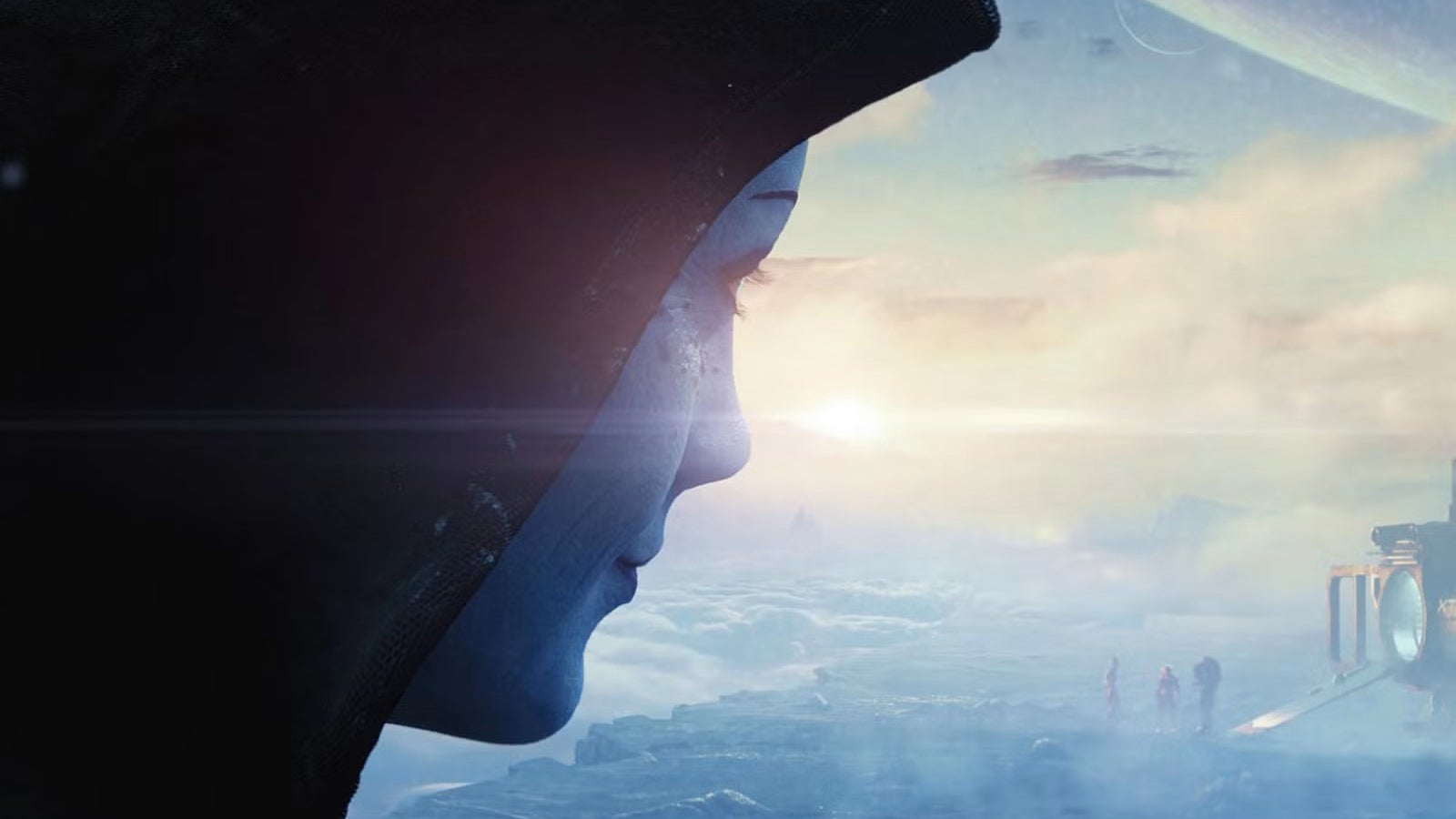
The cancellation of "Mass Effect 5" (or "The Next Mass Effect") is particularly jarring for fans, as the project had been teased as a return to the Milky Way galaxy, featuring the return of fan-favorite character Liara T’Soni. The project was seen by many as a redemption arc for the franchise.
Industry Implications and the Human Cost
The #SaveMassEffect movement is emerging during a period of extreme volatility within the video game industry. Throughout 2024 and 2025, tens of thousands of developers have been laid off as major publishers "right-size" following the post-pandemic market correction. The closure of BioWare is viewed by many industry analysts as a symptom of a broader trend where publishers prioritize immediate fiscal returns and live-service stability over long-term narrative-driven projects.
The decision to donate excess campaign funds to the Game Workers’ Hardship Fund highlights the growing solidarity between consumers and creators. The UVW-CWA has noted that the fund is a critical lifeline for workers who often face sudden termination with limited severance in an increasingly precarious job market. By linking their protest to the welfare of the developers, the "We Are Mass Effect" group is positioning its campaign as a defense of the labor that makes these universes possible, rather than just a demand for more content.
Analysis of Potential Outcomes
As the campaign enters its second week, industry observers are weighing the likelihood of an EA response. Historically, Electronic Arts has been resistant to fan-led pressure regarding studio closures, as seen in the cases of Visceral Games, Maxis, and Westwood Studios. However, the scale and sophistication of the #SaveMassEffect movement—combining high-cost physical advertising with a massive digital signature count—represents a unique challenge for the publisher’s public relations department.
If EA remains silent, the movement’s presence at The Game Awards could create an uncomfortable narrative for the company during a time when it seeks to promote its upcoming slate of sports and live-service titles. Conversely, if EA were to entertain a licensing deal, it could set a new precedent for how "dormant" triple-A IPs are managed, potentially opening the door for other "dead" franchises to find new life under different banners.
For now, the message from the community remains steadfast. As the Times Square billboard cycles through its hourly rotation, the words "Hold the Line" serve as both a tribute to the past and a defiant stance against the permanent retirement of one of gaming’s most storied universes. The eyes of the industry now turn toward November 7, where the strength of this movement will face its next major test.