George Chandra Eka
The United States has initiated a significant policy shift aimed at bolstering national security and stimulating domestic technological production, with the Federal Communications Commission (FCC) announcing a ban on humanoid and other advanced robotic devices, as well as specific types of power inverters, manufactured outside the country. This move, detailed in recent FCC pronouncements, explicitly identifies these foreign-made technologies as posing "unacceptable risks" to U.S. economic stability and national security. The directive aligns with the broader objectives outlined in the White House’s 2025 National Security Strategy, which prioritizes the re-shoring of industrial production, particularly within critical and emerging technology sectors.
The Scope of the Ban: Advanced Robotics and Connected Power Inverters
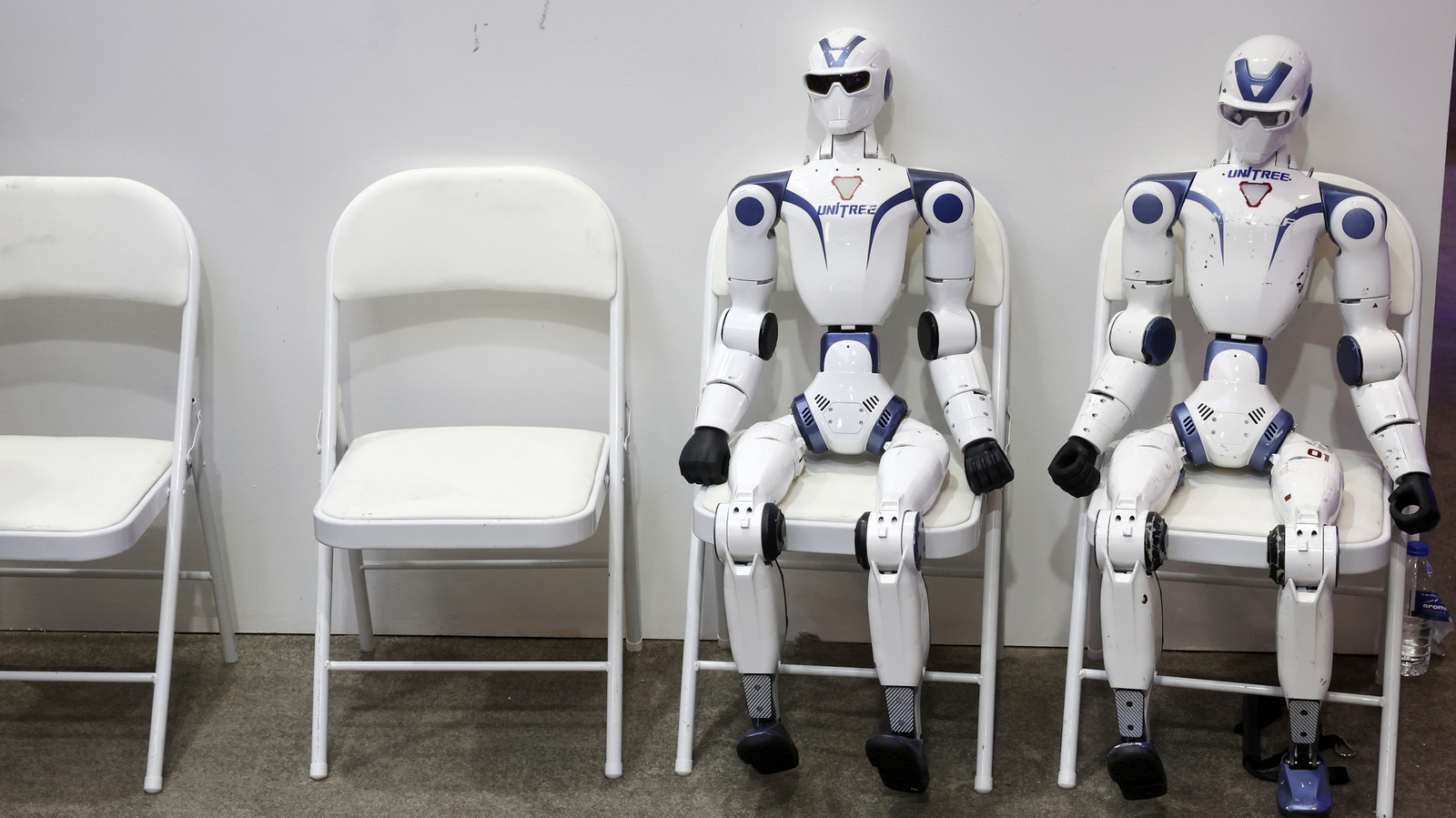
The FCC’s determination, issued after consultation with unnamed national security agencies, targets "advanced robotics devices." While the specific definition is broad, the agency explicitly cites quadrupeds and humanoid robots as examples of the kinds of sophisticated systems covered under the new regulations. These devices, increasingly integral to various sectors from manufacturing and logistics to defense and infrastructure protection, are deemed vulnerable to supply chain disruptions and cybersecurity threats if their origins lie outside the United States. The FCC underscored the growing reliance on these technologies for critical infrastructure protection, manufacturing efficiency, and maintaining U.S. military dominance, emphasizing the imperative for a secure domestic supply chain and industrial base. The networked capabilities inherent in advanced robotic systems are particularly highlighted, as they create extensive vulnerabilities for data manipulation and physical operational control by malicious actors.
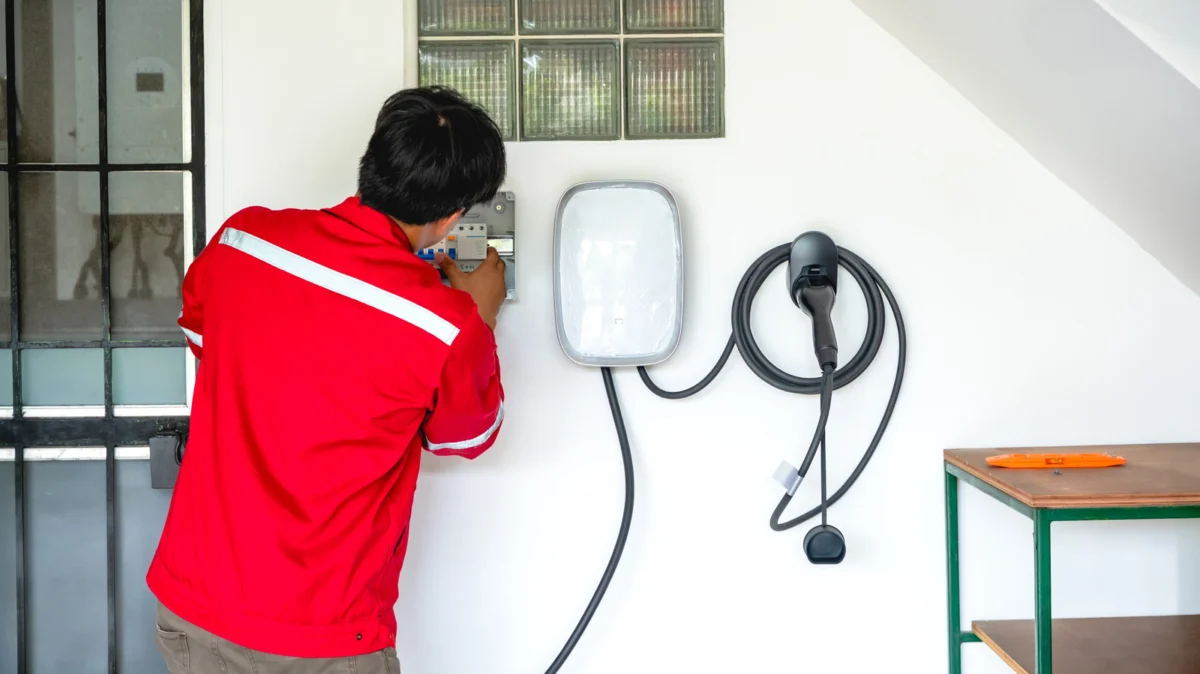
Similarly, the ban extends to foreign-made power inverters, but with a crucial distinction: it specifically targets devices that not only convert electrical current but also possess Wi-Fi, cellular, or Bluetooth connectivity. This connectivity aspect is central to the national security concerns, as it could provide vectors for cyberattacks or allow for remote manipulation that could compromise the stability of the U.S. electricity supply. The FCC’s reasoning posits that any unanticipated manipulation or disruption of the supply or operation of these connected inverters could directly threaten the economic prosperity and national security of the United States. The broad wording of the power inverter definition has raised questions within the industry, with some analysts suggesting it could potentially encompass a wide range of consumer electronics, such as portable backup batteries with AC outlets and companion apps, though specific exemptions or clarifications may follow.
National Security Imperative: Supply Chain and Cybersecurity
The core rationale underpinning these bans is a comprehensive assessment of national security vulnerabilities. National security agencies, whose input was crucial to the FCC’s decisions, referenced the potential for these devices to create significant supply chain dependencies that could be exploited to disrupt critical U.S. economic and national security functions. Beyond the physical supply chain, a paramount concern is the cybersecurity risk. Foreign-made advanced robots and connected power inverters are perceived as potential conduits for cyberattacks against American critical infrastructure. Such attacks could range from espionage and data theft to the sabotage of industrial processes or the destabilization of energy grids, with potentially catastrophic consequences.
The White House’s 2025 National Security Strategy serves as the guiding doctrine for these measures. This strategy articulates a clear vision for strengthening America’s industrial base and technological leadership by focusing on "re-shoring" manufacturing of vital components and systems. The objective is to reduce reliance on foreign supply chains, particularly from geopolitical rivals, and to cultivate robust domestic capabilities in emerging technologies. This proactive approach aims to insulate the U.S. from external pressures and ensure uninterrupted access to critical technologies essential for national defense, economic competitiveness, and societal resilience.
"Buy American" vs. "Made in USA": A Nuanced Approach
Unlike some stricter prohibitions, such as an earlier ban on network routers manufactured outside the United States, the current bans on robots and power inverters leverage the "Buy American" statute. This distinction is significant. The "Buy American" Act, while promoting domestic sourcing, typically allows for a certain percentage of foreign components within a product that is ultimately manufactured in the U.S. This provides a degree of flexibility compared to mandates requiring 100 percent American-made components, which can be exceedingly challenging to achieve in complex global supply chains.
The earlier ban on routers, which also cited national security concerns, faced significant hurdles in implementation due to the deeply integrated global nature of electronics manufacturing. The difficulty in identifying genuinely "100 percent American-made" Wi-Fi routers underscored the complexities of disentangling decades of globalized production. The FCC’s decision to utilize the "Buy American" statute for robots and inverters suggests a more pragmatic, albeit still ambitious, approach to balancing security objectives with industrial realities. Companies seeking to continue selling these devices in the U.S. market can apply for conditional approval, indicating that a complete and immediate cessation of all foreign components might not be the initial expectation, but rather a phased transition towards greater domestic content.
A Precedent: The Router Ban and Lessons Learned
The U.S. government’s recent actions against foreign-made technological products are not without precedent. In late 2023, the FCC implemented a ban on all new foreign-made network routers, citing similar national security concerns related to supply chain vulnerabilities and cybersecurity risks. This earlier ban, more stringent in its initial interpretation, highlighted the profound challenges associated with such directives. The global electronics supply chain is intricately woven, with components often sourced from multiple countries before final assembly. The router ban sparked considerable debate about its feasibility and potential impact on consumer choice and market prices.
The lessons from the router ban likely influenced the nuanced application of the "Buy American" statute for advanced robots and power inverters. While the ultimate goal of fostering a secure domestic supply chain remains paramount, the government appears to be acknowledging the practical difficulties of an immediate, absolute prohibition on all foreign-sourced components. The phased approach, allowing for conditional approvals and leveraging existing "Buy American" thresholds, may offer a more achievable pathway to enhancing domestic production capabilities without completely paralyzing the market or stifling technological adoption in the short term.
Industry Landscape and Market Impact
The advanced robotics and power inverter markets are globalized and highly competitive, with significant players from Asia (particularly China, Japan, and South Korea), Europe, and the United States. In humanoid robotics, companies like Boston Dynamics (U.S.), Agility Robotics (U.S.), Unitree Robotics (China), and UBTech Robotics (China) are prominent. The power inverter market, crucial for solar energy systems and grid infrastructure, sees major players such as Huawei (China), SMA Solar Technology (Germany), Enphase Energy (U.S.), SolarEdge (Israel), and Sungrow (China).
The FCC’s ban is poised to create significant disruptions and opportunities within these sectors. Foreign manufacturers heavily reliant on the U.S. market will face immense pressure to either relocate significant portions of their manufacturing operations to the U.S. or partner with American companies that can meet the "Buy American" criteria. This could lead to increased foreign direct investment in U.S. manufacturing facilities, but also potentially higher costs for consumers as supply chains are restructured and domestic production scales up.
For domestic U.S. companies, the ban presents a substantial opportunity. It provides a protected market environment, incentivizing investment in research, development, and manufacturing capacity. This could accelerate the growth of the U.S. robotics industry and enhance the competitiveness of American power inverter producers, particularly those focused on smart grid solutions. However, the challenge remains in rapidly scaling production and ensuring that domestic manufacturers can meet demand without significant price increases or compromising on innovation.
Challenges and Realities of Domestic Production
Achieving true domestic independence in these complex technology sectors is a formidable task. A Department of Energy assessment, cited by the FCC in its power inverter determination, explicitly notes that many critical components for inverters are "almost entirely produced [outside the US]." The report concludes that without actively moving the production of these foundational components to the U.S., significantly reducing associated security risks will remain "challenging." This highlights a deeper structural issue: the U.S. manufacturing base for certain highly specialized electronic components has atrophied over decades of globalization.
Rebuilding this base requires substantial long-term investment in manufacturing infrastructure, skilled labor development, and research & development. It’s not merely about assembling products in the U.S., but about creating a robust ecosystem that encompasses everything from raw material processing to advanced chip fabrication and specialized component manufacturing. The "Buy American" framework, while helpful, still necessitates a robust supply chain within the U.S. that can provide the necessary components, even if some raw materials or sub-components are initially imported.
Stakeholder Reactions and Future Outlook
While specific official reactions from foreign governments or major corporations have yet to be widely published, industry analysts anticipate a range of responses. Foreign robotics and inverter manufacturers will likely express concerns about market access and the economic implications of the ban, potentially seeking clearer guidance on compliance and the application process for conditional approvals. Diplomatic channels may also be engaged, particularly by countries whose advanced manufacturing sectors are significantly impacted.
Domestically, U.S. manufacturers in the robotics and renewable energy sectors are likely to welcome the move, viewing it as a strategic advantage and a catalyst for growth. However, they will also be acutely aware of the challenges in rapidly expanding capacity and securing domestic supply chains for all necessary components. Consumer advocacy groups might raise questions about potential price increases or limitations on product availability, especially if domestic alternatives struggle to meet demand or match the cost-effectiveness of foreign products.
The carve-outs for the Department of Defense (referred to as "Department of War" in the original source, but updated to current terminology) and the Department of Homeland Security are notable. These exemptions underscore the immediate operational needs of critical government agencies, suggesting that a complete transition to domestic-only sourcing for these highly specialized and often mission-critical applications may take time or require specific, tailored solutions.
Broader Geopolitical Implications
These bans represent another facet of the ongoing geopolitical competition, particularly between the United States and China, over technological supremacy and national security. By restricting access for foreign-made advanced technologies, the U.S. aims to decouple critical sectors from potential adversaries, reduce strategic dependencies, and foster an indigenous innovation ecosystem. This strategy is part of a broader global trend where nations are increasingly viewing technological leadership and secure supply chains as essential components of national power.
However, such protectionist measures can also have unintended consequences, potentially leading to retaliatory actions from affected countries, fragmenting global supply chains further, and potentially slowing down the pace of global innovation if collaboration is stifled. The long-term success of these policies will depend on the U.S.’s ability to rapidly scale its domestic manufacturing capabilities, maintain technological competitiveness, and effectively manage the diplomatic and economic fallout with key international partners and competitors. The bans on foreign-made humanoid robots and power inverters are not merely economic decisions; they are strategic maneuvers with profound implications for technology, trade, and the future of global security.