Metty Iskandar
For years, the Android ecosystem has operated on a predictable model: users access the Google Play Store, search for their desired applications, and install them with a simple tap. This streamlined, secure, and largely unified experience has been the bedrock of Android app distribution. However, this familiar landscape is on the cusp of a profound transformation. The era of third-party app stores is dawning, poised to fundamentally alter how users discover, manage, and acquire software on their Android devices. Major players in the gaming, technology, and regional markets are establishing their own digital storefronts, aiming to bypass Google’s established channels entirely. For the first time in the United States, these alternative app marketplaces will be accessible for download directly through the Google Play Store, ushering in an era of increased choice for consumers, albeit with a new set of considerations regarding app discovery, management, and payment.
The Genesis of a New App Distribution Paradigm
The current shift in Android’s app distribution model is not an overnight development but rather the culmination of years of contention and evolving regulatory landscapes. For over a decade, Google, alongside Apple, has been accused of operating a de facto "digital duopoly" in mobile app distribution. This model has historically mandated that developers wishing to offer their applications on these platforms adhere to strict guidelines and, crucially, cede a significant portion of their revenue – often as much as 30% – on app purchases, subscriptions, and in-app transactions. This "app tax" has been a persistent source of friction for developers.
Prominent industry figures and companies, most notably Epic Games, the creator of the immensely popular Fortnite, have been vocal critics of this model. For years, Epic Games engaged in protracted legal and public relations battles to challenge these restrictions and seek greater autonomy in distributing its software. While these individual corporate efforts brought attention to the issue, the true catalyst for the current changes appears to be a global wave of governmental intervention.
Across the world, regulatory bodies have begun to implement robust anti-monopoly legislation designed to foster greater competition within the digital marketplace. A prime example is the European Union’s Digital Markets Act (DMA). This landmark legislation specifically compels major technology platforms, often referred to as "gatekeepers," to open their ecosystems to competing storefronts and alternative payment processing systems. The intent is clear: to dismantle the walled gardens that have dominated app distribution and empower both developers and consumers with more choices.

As these legal and regulatory barriers begin to recede, the stage is set for a significant restructuring of the Android app economy. Companies now have a clear and viable path to launch their independent app stores, thereby circumventing Google’s revenue-sharing agreements and establishing direct relationships with their user base. The question is no longer if these alternative stores will become a significant presence on Android devices, but rather when and to what extent they will reshape the user experience.
Navigating the Frontier: Security in a Fragmented Ecosystem
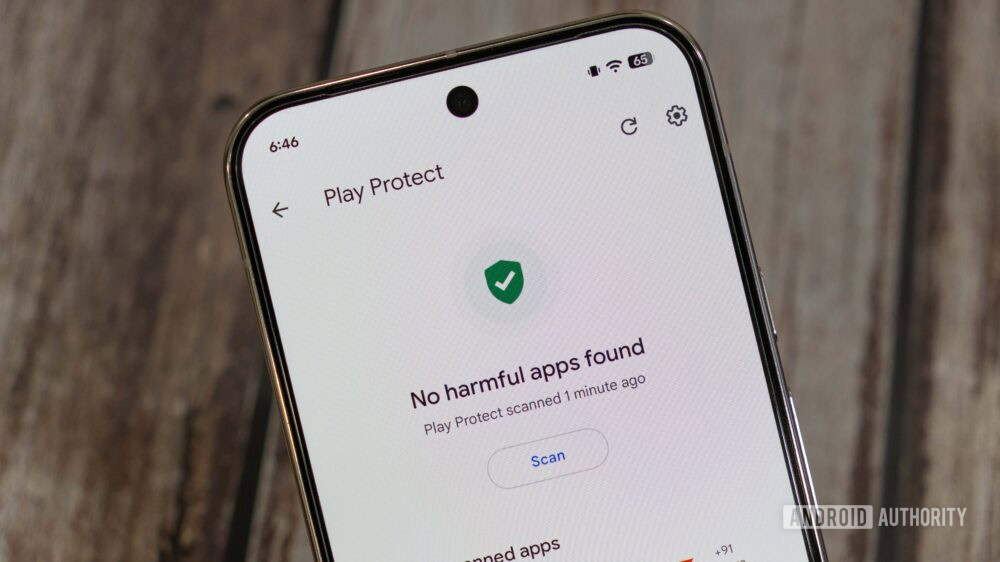
While the prospect of greater choice and potentially lower prices is appealing, the expansion of third-party app stores introduces a significant challenge: security. The Google Play Store, despite its imperfections, has long served as a critical bulwark against malicious software. Google Play Protect, a built-in security feature, conducts billions of scans daily, actively identifying and removing malware, spyware, and deceptive applications before they can compromise user devices.
The introduction of multiple, independent app stores fundamentally alters this security paradigm. When users begin downloading applications from a diverse array of sources, the unified security blanket provided by Google is partially lifted. This fragmentation can inadvertently create a digital "Wild West" environment, where the onus of security shifts more heavily onto the end-user.
Malicious actors are acutely aware of this potential for increased vulnerability. It is highly probable that we will witness an increase in the proliferation of fake or copycat app stores. These deceptive platforms will likely be designed to mimic legitimate storefronts, luring unsuspecting users into downloading malware disguised as popular games, utility tools, or other sought-after applications.
To mitigate these risks, users will need to adopt a more proactive approach to device security. This includes exercising extreme caution when downloading apps from sources outside the familiar Google Play Store. Verifying the legitimacy of an app store, checking developer credentials, and scrutinizing app permissions before installation will become paramount. Furthermore, maintaining updated antivirus software and regularly reviewing installed applications for any suspicious activity will be essential in safeguarding personal data and device integrity.

The Perils of Fragmented Billing and Subscription Management
Beyond the immediate security concerns, the proliferation of third-party app stores presents a significant challenge to the convenience of managing digital payments and subscriptions. Currently, the Android ecosystem offers a highly integrated billing system. Users can conveniently track, manage, and cancel virtually all their app-related subscriptions through a central hub within their Google account. This centralized management simplifies tasks such as updating payment information when a credit card expires, ensuring uninterrupted service across all subscribed applications.
However, this unified billing experience is likely to erode as third-party stores gain prominence. To maximize their revenue, each independent storefront will likely implement its own proprietary payment gateway. This means that a user’s financial information will be disseminated across numerous distinct databases, potentially increasing their exposure to corporate data breaches.
The logistical implications for subscription management are also considerable. Imagine a scenario where a user’s fitness app subscription is managed through an Epic Games Store account, their photo editing software is tied to an Adobe storefront, and their favorite indie games require a separate payment method through yet another digital wallet. This fragmentation will transform subscription management from a simple task into a complex undertaking. Users may find themselves logging into multiple accounts simply to understand why a particular charge appeared on their statement or to cancel a service they no longer wish to use.
To navigate this emerging landscape, users may need to adopt new strategies. Employing a dedicated password manager can help securely store credentials for various digital storefronts. Utilizing personal finance applications to meticulously track all subscriptions and recurring payments will be crucial for maintaining financial oversight. For added protection, consider using virtual credit cards with strict spending limits for purchases made through less familiar third-party stores. This approach can help prevent unauthorized charges and provide an additional layer of security.
The Evolving Landscape of Android Apps and Sideloading
The profound changes underway in Android’s app distribution model will undoubtedly have a significant impact on the broader Android ecosystem. In the immediate future, users can anticipate a period of considerable transition, potentially characterized by "app exclusivity wars," akin to the competitive landscape of modern streaming services. It is conceivable that certain popular applications or games might become exclusive to specific third-party stores, compelling users to download and manage an additional app installer simply to access their preferred content or to engage with friends.
However, this increased competition also holds the potential for positive outcomes. The intense rivalry among app stores could incentivize Google to innovate further and offer more attractive terms and features to developers. This, in turn, could lead to the development of higher-quality applications that benefit all users.
Furthermore, this shift could fundamentally redefine the concept of "sideloading." Historically, the process of downloading and installing an Android application package (APK) file from an untrusted source on the web has been a cumbersome and often intimidating experience, fraught with system warnings and manual installation steps. With the advent of legitimate, reputable third-party app stores, the process of sideloading is poised to become more streamlined, user-friendly, and seamlessly integrated into the core Android user interface. This move towards a more open and flexible app acquisition model will empower users with greater control over their device’s software.
Ultimately, the evolution of the Android app distribution system signifies a move towards a more open and decentralized mobile operating system, drawing parallels to the way traditional desktop computers have operated for decades. Users will gain unparalleled freedom to source their software from a multitude of locations. However, this freedom will be accompanied by an increased responsibility for managing personal security, financial information, and the overall digital health of their devices. The era of a truly open mobile platform is upon us, and as users embrace this new paradigm, vigilance and informed decision-making will be essential for a secure and positive experience.