Metty Iskandar
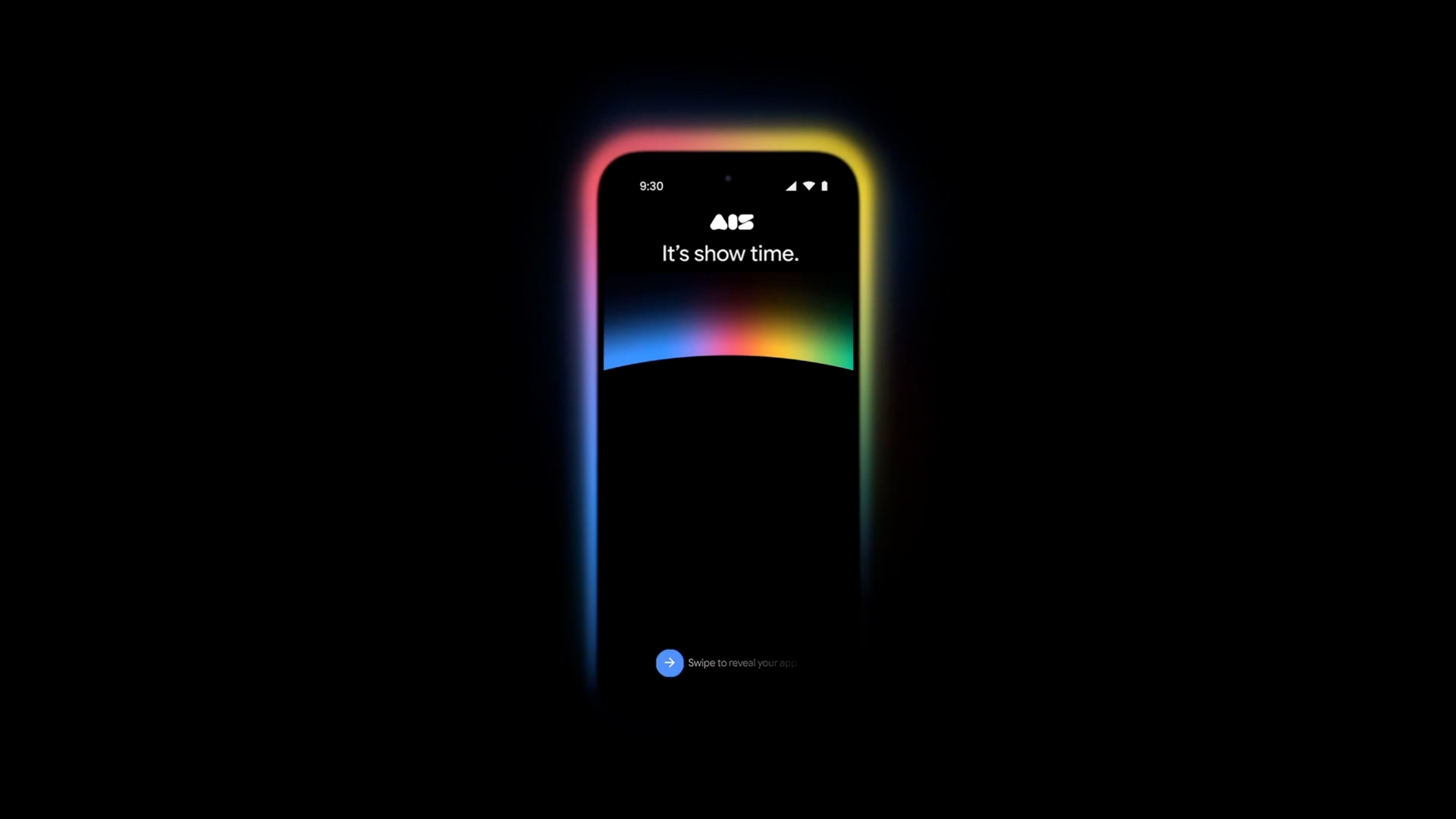
Google has announced a significant pivot in its mobile AI development strategy, opting to integrate the core functionalities of its anticipated Google AI Studio mobile application directly into the existing Gemini app. This decision comes despite a substantial surge of interest, with approximately 800,000 users pre-registering for the standalone AI Studio app across both Android and iOS platforms. The company stated that its rationale behind this move is to streamline the user experience and avoid fragmenting its AI offerings by introducing "yet another app." Instead, Google aims to consolidate its AI Studio capabilities within the Gemini ecosystem, positioning it as a central hub for all its advanced artificial intelligence tools and experiences on mobile and desktop.
The Genesis of Google AI Studio for Mobile
The initial announcement of Google AI Studio for mobile, which occurred in May, generated considerable excitement within the developer and creator communities. Google had envisioned the mobile application as a powerful, on-the-go platform that would empower users to "build, iterate, test, and even publish AI-powered apps directly from their smartphones." Key features highlighted at the time included the innovative "app remixing" capability, which would allow for rapid prototyping and customization of AI models, and cross-device project syncing, ensuring seamless workflow transitions between different devices. This foresight suggested a commitment to democratizing AI development, making sophisticated tools accessible beyond traditional desktop environments.
The promise of a dedicated mobile AI Studio was particularly appealing given the increasing prevalence of smartphones as primary computing devices for many individuals and small businesses. The ability to conceptualize, refine, and deploy AI applications from the palm of one’s hand represented a significant leap forward in making advanced AI technology more accessible and user-friendly. The pre-registration numbers, exceeding 800,000, underscore the strong demand and perceived value of such a tool. This figure suggests a significant addressable market eager to leverage AI for creative and practical applications.
The Strategic Re-evaluation and Integration into Gemini
However, in a recent communication via its official Google AI Studio account on X (formerly Twitter), the company revealed its decision to scrap the standalone mobile app. The post, dated [Insert Date of Original Post if Available, otherwise use a general timeframe like "late last week"], stated, "Instead of asking users to install yet another app, we are bringing AI Studio’s core capabilities directly into the Gemini app." This strategic shift indicates a broader corporate objective to consolidate Google’s AI presence under a unified umbrella.
The Gemini app, which has been steadily evolving as Google’s flagship conversational AI and creative assistant, is now slated to absorb the functionalities previously earmarked for the AI Studio mobile app. This integration is not merely a superficial addition; Google has confirmed that its teams are "working hard on bringing this to life" and intend to make the app-building experience a core component of Gemini across both mobile and desktop platforms. This suggests a deep integration, aiming to provide developers and creators with the full spectrum of AI Studio’s power within the familiar Gemini interface.
Timeline and Pre-registration Implications
The timeline for this integration remains somewhat fluid. While Google has assured its community that the capabilities will arrive as part of Gemini on mobile, a specific rollout date has not yet been disclosed. This lack of a concrete timeline might lead to some uncertainty for those who pre-registered for the AI Studio mobile app, as they will not receive the standalone application they signed up for. Instead, they are being redirected to an enhanced Gemini experience.
The substantial pre-registration numbers provide a clear indication of user anticipation. The approximately 800,000 pre-orders represent a significant pool of early adopters and potential power users. Google’s decision to channel these users into the Gemini app suggests a strategic effort to bolster Gemini’s user base and functionality by leveraging the existing interest in AI Studio’s development capabilities. This move could accelerate Gemini’s adoption as a comprehensive AI platform.
Official Statements and Developer Community Reaction
The official announcement on X serves as the primary source for Google’s reasoning. While the statement is concise, it conveys a clear strategic direction. "We’ve decided to cancel the standalone mobile app," the post stated, "and instead, bring AI Studio’s core capabilities directly into the Gemini app." This directness aims to preempt confusion and clearly articulate the company’s revised plan.
While no direct quotes from specific Google executives were immediately available regarding this shift, the language used by the Google AI Studio account points towards a user-centric approach. The phrasing "instead of asking users to install yet another app" suggests a desire to avoid overwhelming users with multiple applications and to provide a more consolidated and intuitive experience. This resonates with common user feedback regarding app fatigue and the desire for integrated solutions.
The developer community, which had shown significant enthusiasm for the AI Studio mobile app, is likely to react with a mix of understanding and anticipation. The promise of AI Studio’s robust features being integrated into Gemini offers a compelling prospect for continued AI development. However, the absence of a firm timeline could be a point of concern for those who were planning their development workflows around the anticipated mobile app launch. Industry observers suggest that Google’s strategy here is to consolidate its AI efforts, creating a more powerful and cohesive ecosystem under the Gemini brand. This move aligns with broader industry trends where companies are increasingly focusing on integrated platforms rather than fragmented standalone applications.
Broader Impact and Implications for the AI Landscape
The decision to merge Google AI Studio’s mobile ambitions into the Gemini app has several significant implications for the broader AI landscape and for developers:
- Consolidation of AI Platforms: This move reinforces Google’s commitment to Gemini as its central AI platform. By integrating powerful development tools like those of AI Studio, Gemini is positioned not just as a conversational agent but as a comprehensive environment for AI creation and deployment. This could lead to a more streamlined and efficient user experience for those engaging with Google’s AI offerings.
- Democratization of AI Development: Bringing AI Studio’s capabilities to Gemini on mobile and desktop further democratizes AI development. It lowers the barrier to entry for individuals and small teams who may not have access to powerful desktop workstations or extensive development infrastructure. The ability to build, test, and iterate AI models from a smartphone or tablet is a powerful step towards making AI accessible to a wider audience.
- Enhanced Gemini Capabilities: The integration will undoubtedly enrich the Gemini app, transforming it into a more versatile tool. Developers will likely find enhanced features for prototyping, fine-tuning models, and potentially deploying AI-powered applications directly through Gemini. This could lead to a surge in innovative AI applications built on Google’s infrastructure.
- Strategic Competition: In the competitive AI space, this move positions Google to better compete with other platforms offering integrated AI development environments. By consolidating its offerings, Google aims to provide a more compelling and cohesive value proposition to developers and businesses looking to leverage AI.
- Focus on User Experience: Google’s stated reason for the shift—avoiding "yet another app"—highlights a growing emphasis on user experience and reducing app fragmentation. As the AI landscape matures, users are increasingly seeking unified platforms that offer a wide range of functionalities without the clutter of numerous specialized applications.
The development marks a significant evolutionary step in Google’s AI strategy. While the cancellation of a standalone mobile app might initially disappoint some who pre-registered, the promise of bringing its powerful features into the Gemini ecosystem offers a compelling vision for the future of AI development and accessibility. As Google continues to refine and integrate these capabilities, the AI community will be keenly watching to see how this strategic consolidation shapes the future of artificial intelligence tools and their adoption worldwide. The company has indicated that further details regarding the integration will be shared in due course, leaving the industry to anticipate the next phase of Gemini’s evolution as a comprehensive AI powerhouse.