Metty Iskandar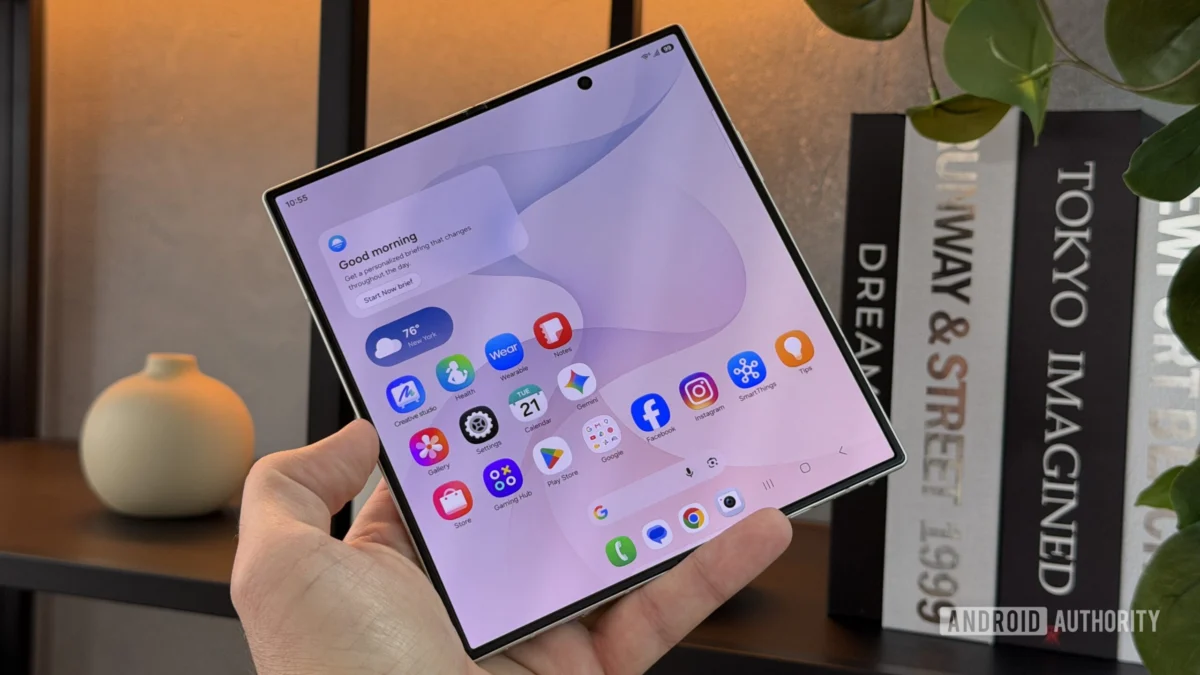
For over a decade, the smartphone industry has been locked in an almost relentless annual release cycle, a pattern that has increasingly led to a sense of déjà vu and dwindling excitement among consumers and critics alike. This year, 2026, has been particularly stark in highlighting this trend, with several prominent manufacturers delivering iterative updates that barely justify the "new" moniker, let alone their often-increased price tags. This pervasive lack of significant innovation has prompted a growing sentiment that the industry needs to fundamentally re-evaluate its product development and marketing strategies.
The core of the issue lies in the inherent difficulty of achieving substantial year-over-year advancements in a mature technology. Smartphone manufacturers, driven by market expectations and a desire to maintain sales momentum, find themselves in a precarious position. They are compelled to launch new models annually, yet the pace of truly groundbreaking hardware and software innovation has slowed considerably. This has resulted in a cycle where "upgrades" often translate to minor specification bumps, incremental design tweaks, and marketing campaigns that inflate the significance of these changes. The consequence is a market saturated with devices that, for many users, offer little compelling reason to upgrade from their existing, perfectly functional smartphones.
Examining the Year’s Most Disappointing Offerings
Several recent launches exemplify the industry’s struggle to deliver meaningful progress. Google’s Pixel A-series, once a benchmark for budget-conscious consumers seeking excellent performance at an affordable price, has seen its appeal diminish. The Google Pixel 10a, released this year, has been widely criticized for its near-identicality to its predecessor, the Pixel 9a. While it remains a strong contender in the sub-$500 market, the incremental hardware adjustments and minor software enhancements have led many to question the necessity of its release. This mirrors a broader concern about brands releasing devices that offer minimal differentiation, forcing consumers to weigh perceived value against diminishing returns.
Motorola’s Razr 2026 series also falls into this category of underwhelming updates. While the devices did receive new color options, subtle refinements to the hinge mechanism, and the adoption of larger silicon-carbon batteries, these changes were largely superficial. More concerningly, the base Razr 2026 model saw a price increase accompanied by a reduction in storage capacity. The introduction of silicon-carbon batteries, while offering the potential for greater energy density without increasing bulk, also comes with its own set of technical considerations and potential drawbacks, which were not adequately addressed in the marketing narrative. The company’s strategy in this instance appears to prioritize incremental improvements while increasing cost, a move that rarely resonates well with consumers seeking tangible value.
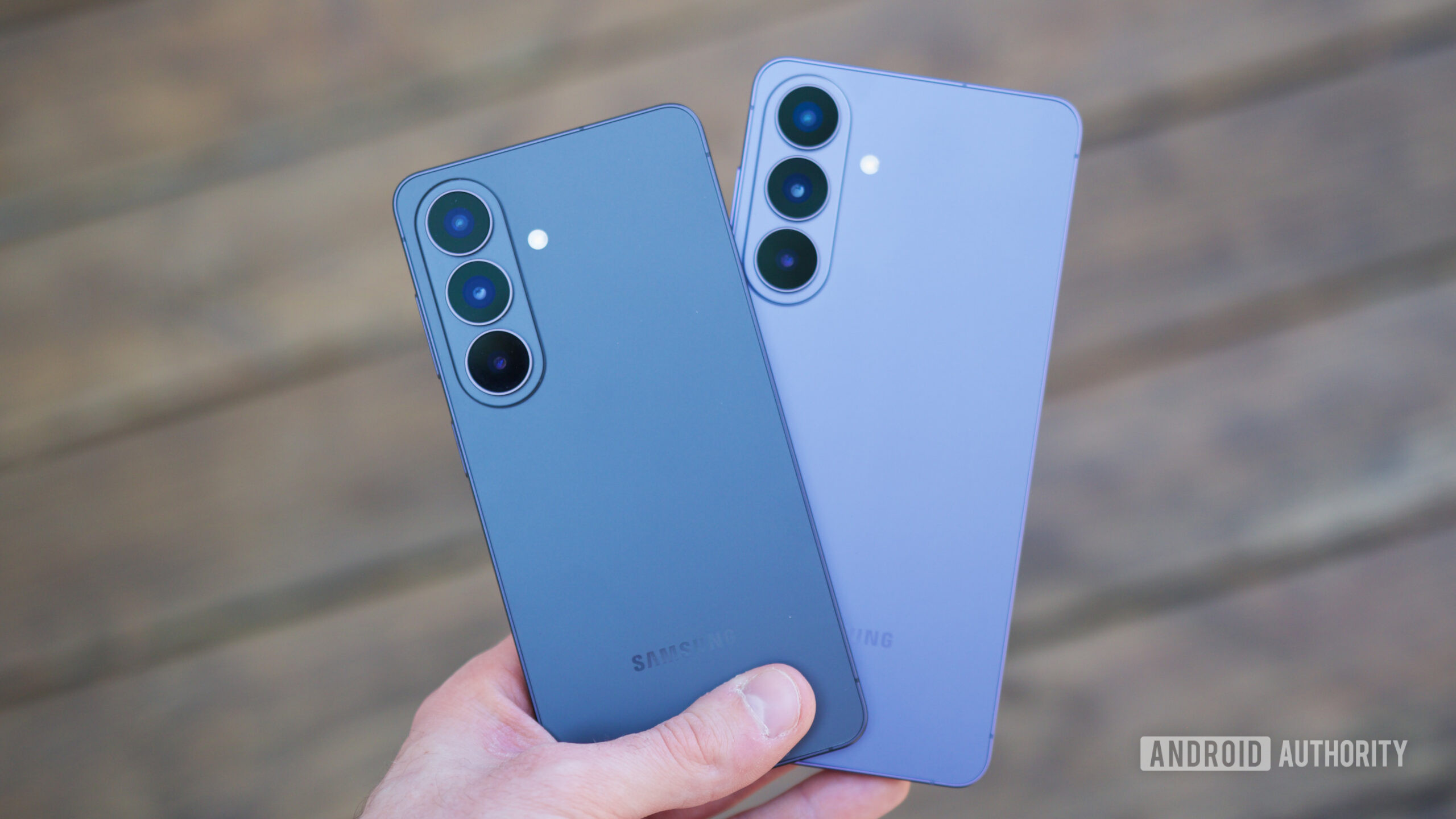
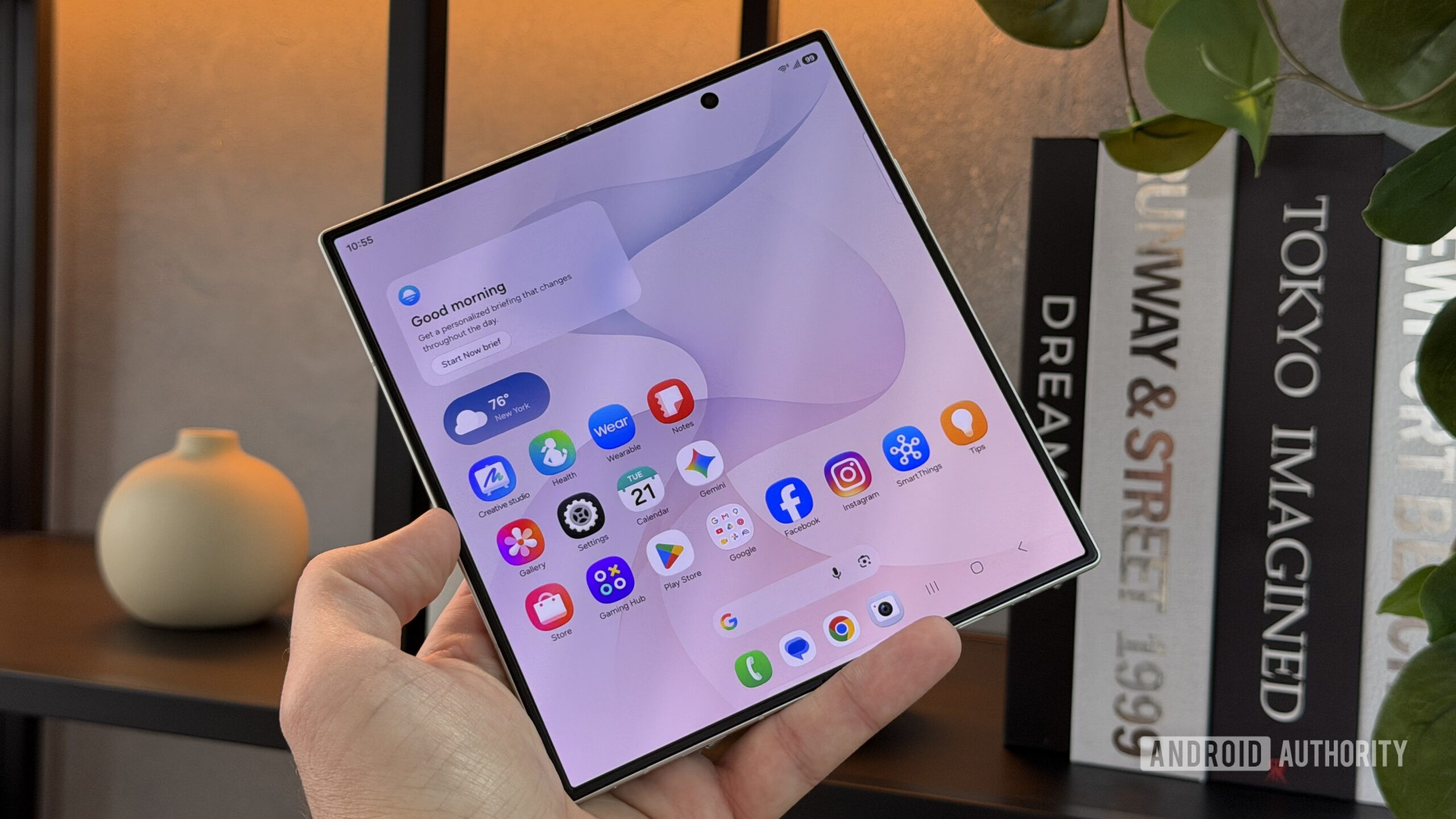
Samsung, a dominant player in the Android market, has also faced scrutiny for its recent flagship releases. The Galaxy S26 and S26 Plus, in particular, have been overshadowed by the more feature-rich Ultra models. The base S26, notably, has experienced a steady increase in price while failing to offer substantial upgrades that would justify the premium over Samsung’s own more affordable Galaxy FE series. Even Samsung’s latest foldable devices, such as the Galaxy Z Flip 8 and the Galaxy Z Fold 8 Ultra, have been met with a muted reception. Reports suggest these foldables offer minimal improvements over their predecessors while simultaneously becoming more expensive, further fueling consumer skepticism about the value proposition of annual hardware refreshes.
This pattern extends beyond these specific examples. Brands that once disrupted the market with bold innovation, like OnePlus, are now perceived to be treading a similar path of incrementalism, marking the end of what many considered a "honeymoon period" for their aggressive market entry strategies. The cumulative effect of these trends is a palpable sense of fatigue surrounding new smartphone releases, a sentiment echoed by a significant portion of the user base.
User Behavior and Evolving Expectations
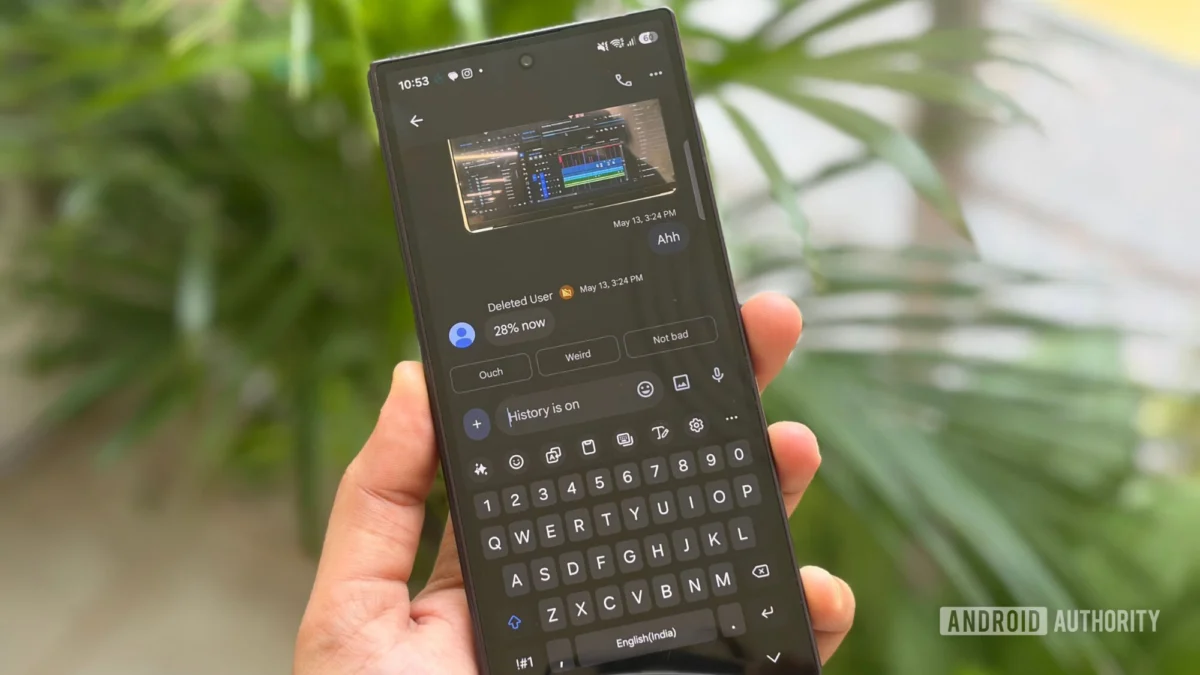
The industry’s reliance on an annual upgrade cycle is increasingly at odds with actual consumer behavior and needs. A recent survey conducted by Android Authority revealed a significant trend: a substantial majority of users are extending the lifespan of their smartphones. Over 44% of respondents indicated they keep their phones for three to five years, while an impressive 28% reported holding onto their devices for more than five years. This data underscores a fundamental shift in consumer priorities, moving away from the pursuit of the latest model towards a more pragmatic approach focused on longevity and value.
Personal anecdotes further illustrate this point. Many individuals are content with smartphones that are several years old, finding them perfectly capable of handling their daily tasks. For instance, devices like the OnePlus 9RT and the Nothing Phone 1 continue to serve their users well, with owners expressing satisfaction and seeing no immediate need for an upgrade. The author’s own experience with the CMF Phone 2 Pro, purchased at a discount, highlights how mid-range devices can offer a surprisingly high percentage of the functionality found in premium flagships for a fraction of the cost, further diminishing the perceived necessity of frequent upgrades.
A crucial factor contributing to this extended device usage is the significant improvement in software support. Both Samsung and Google have committed to providing six to seven years of operating system and security updates for their recent devices. This extended support window ensures that phones remain secure, compatible with the latest applications, and benefit from new features and optimizations long after their initial release. Apple has long been a leader in this area, and it is encouraging to see the broader Android ecosystem finally adopting a similar approach, providing users with a compelling reason to retain their devices for longer periods.
Furthermore, the demands placed on modern smartphones by the majority of applications and games have plateaued. While processor manufacturers continue to tout increased CPU and GPU performance with each new chipset generation, the practical impact on everyday usage for most users is minimal. Games like Candy Crush Saga and Roblox, consistently among the most downloaded on app stores, do not necessitate the cutting-edge performance offered by the latest flagship processors. The "interesting features" often touted in new System-on-Chips (SoCs) frequently go unused or underutilized, either due to manufacturer branding strategies or a simple lack of compelling real-world applications that truly leverage these advancements. This disconnect between marketing hype and user experience further erodes the perceived benefit of upgrading annually.
A Call for Industry-Wide Re-evaluation
The current annual smartphone launch cycle is proving unsustainable and increasingly out of touch with consumer realities. The industry could learn valuable lessons from sectors like camera manufacturing, where a two- to four-year release cycle for new models is more common. Imagine a scenario where flagship Android devices were released every two years. This extended timeframe would provide manufacturers with the necessary breathing room to:
- Deliver Meaningful Hardware Innovations: An extra year would allow for more substantial advancements in areas like battery technology, display capabilities, camera sensors, and processing efficiency, rather than minor iterative improvements.
- Enhance Software Polish: Companies could invest more time in refining software, ensuring that new features are stable and fully functional at launch, rather than relying on subsequent updates to patch critical issues or introduce promised functionality.
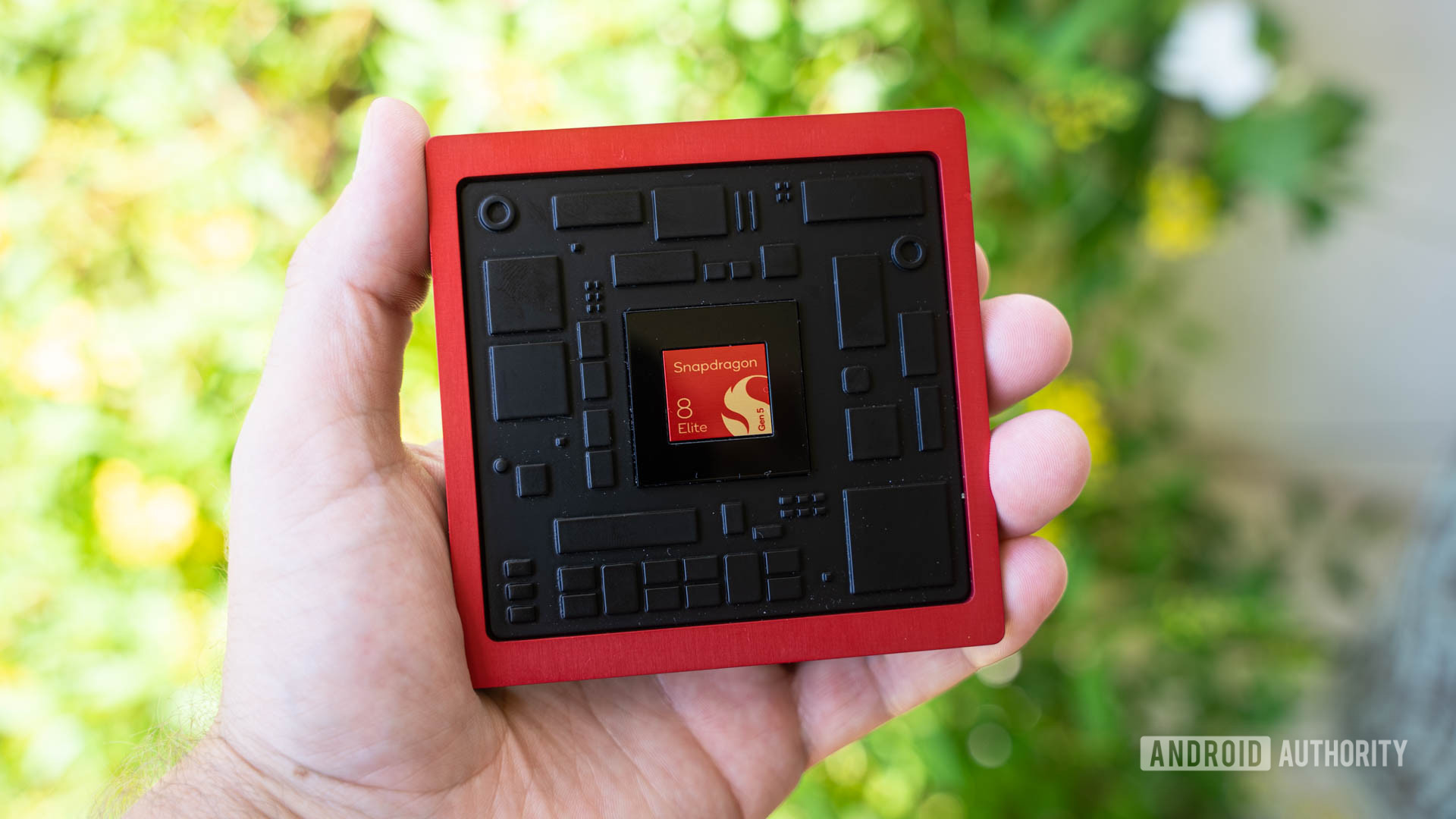
- Develop More Efficient Processors: Chipset manufacturers could focus on creating truly groundbreaking and efficient processors, moving beyond simple die shrinks and clock speed increases. This could lead to tangible benefits in battery life and thermal management.
Beyond the product itself, the financial implications of the current cycle are also significant. The immense marketing budgets allocated to annual launches could be redirected towards research and development, fostering more genuine innovation. This would not only benefit consumers but also contribute to a more sustainable and responsible industry.
The current economic climate, marked by low consumer demand and soaring component costs, further amplifies the need for a strategic shift. Reports indicate that the smartphone market is facing significant headwinds, with some analysts predicting the worst annual decline in shipments. In this environment, a move away from the relentless annual cycle could prove to be a financially prudent and strategically advantageous decision for manufacturers.
While the immediate future may still hold some anticipated releases, such as Google’s Pixel 11 series with its intriguing "Pixel Glow" notification light feature, and Apple’s rumored first foldable, the iPhone Ultra, the overall trend points towards a need for change. These potential innovations, while noteworthy, represent smaller, less impactful shifts compared to the transformative product cycles of the past. The smartphone industry stands at a crossroads, and a fundamental re-evaluation of its annual release strategy is not just desirable but increasingly necessary for its long-term health and relevance. The question remains whether industry leaders possess the courage to break free from the established paradigm and usher in a new era of more thoughtful, impactful, and consumer-centric product development.