Vera Intan Clara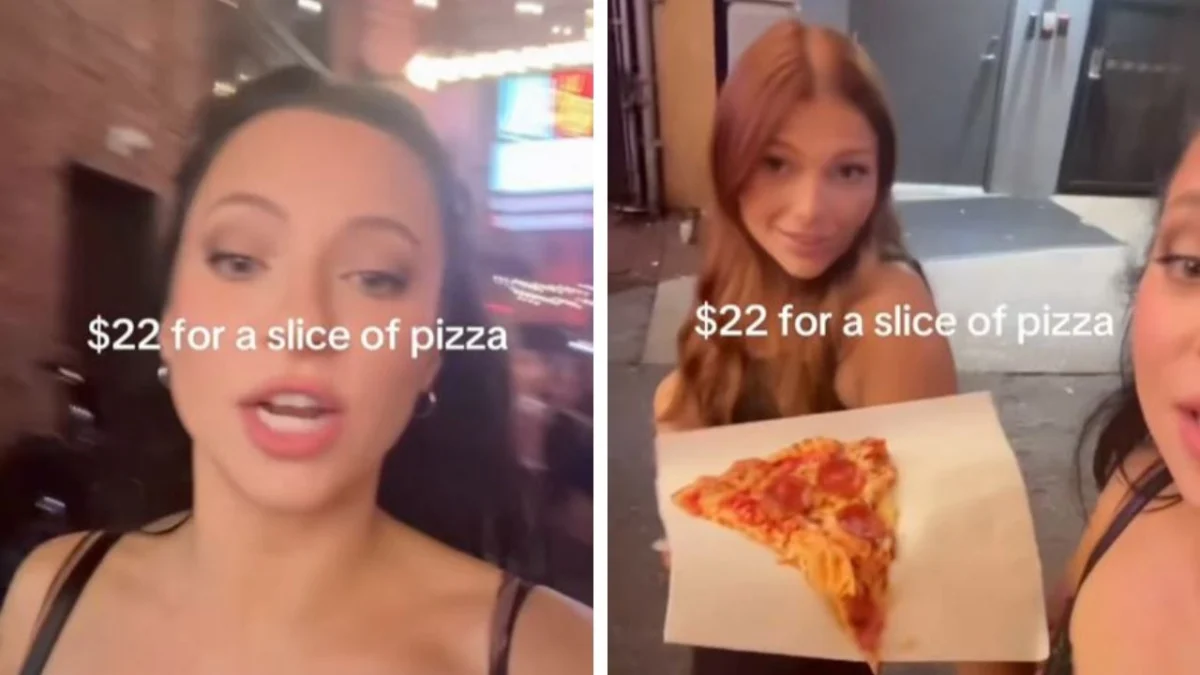
A recent social media post featuring a woman expressing disbelief over the cost of a single slice of pizza in Nashville’s iconic Printers Alley has rapidly gone viral, sparking a wider conversation about the escalating prices in the city’s popular entertainment districts. The video, shared on X by the account @WallStreetApes, captured the woman repeatedly criticizing the $22 price tag for her pizza slice, exclaiming her outrage at "Printers Alley." This incident has resonated with countless social media users, many of whom echoed sentiments about Nashville becoming increasingly unaffordable, not just for tourists but for long-time residents as well.
The video, which quickly garnered significant attention across various platforms, shows a woman holding a lone slice of pizza, visibly upset. "This is $22 pizza," she states emphatically, reiterating the figure for clarity when questioned by a companion. Her frustration is palpable throughout the clip, as she directs her expletive-laden critique at Printers Alley, questioning the exorbitant cost. The post accompanying the video amplified these concerns, with the X user asserting that such pricing signifies a significant problem within the district and is symptomatic of Nashville’s overall rising cost of living. The post further alleged that parking in the same vicinity could range anywhere from $65 to an astonishing $100, reinforcing the narrative of a pervasive affordability crisis in the bustling downtown area.
The Incident Unfolds: A Slice of Viral Discontent
The exact date of the original video’s recording is not specified, but its re-sharing on August 4, 2026, by @WallStreetApes quickly catapulted the complaint into the public consciousness. The raw, unfiltered reaction of the woman struck a chord, transforming a seemingly isolated incident of consumer dissatisfaction into a symbol for broader economic anxieties. The immediate virality underscored a widespread perception among the public that costs for basic goods and services, particularly in popular tourist destinations, have reached unprecedented levels. The woman’s repeated exclamations, "Printers Alley, you’re a b—h. No, you’re a f–king b—h, Printers Alley. You’re a b—h. This is $22 pizza. Excuse me? This is a $22 pizza. Yeah," became a refrain for many who felt similarly exploited by high prices.
The incident quickly moved beyond a simple complaint about pizza. It tapped into a vein of frustration concerning the increasing financial burden placed on consumers, whether they are tourists seeking entertainment or locals attempting to navigate daily life in their hometown. The unverified nature of the pizza price and the parking figures did little to stem the tide of discussion, as the emotional resonance of the woman’s reaction superseded the need for immediate factual verification for many online commentators. This digital firestorm highlighted the power of individual experiences, amplified by social media, to ignite widespread public discourse on economic issues.
Printers Alley: A Historic Backdrop to Modern Price Shocks
Printers Alley holds a unique and storied place in Nashville’s history. Tucked away between Third and Fourth Avenues, just off Union Street, this narrow, gas lamp-lit alley has served as a vibrant hub of activity for over a century. Its origins date back to the late 19th and early 20th centuries, when it was home to the city’s burgeoning publishing industry, hosting numerous printing presses, newspapers, and publishing houses. By night, it transformed, secretly housing speakeasies and clubs during Prohibition, becoming a clandestine center for nightlife and entertainment.
In the decades that followed, Printers Alley continued its evolution, solidifying its reputation as a premier entertainment district. It became known for its blues and jazz clubs, attracting legendary musicians and offering a grittier, more intimate alternative to the honky-tonks of Broadway. Venues like the Carousel Club, the Olde Spaghetti Factory, and the Printers Alley Jazz Club became iconic, drawing both locals and visitors seeking authentic Nashville experiences. The district’s historic charm, with its brick facades, iron gates, and vintage streetlights, offers a distinct atmosphere that contrasts with the more overtly commercialized areas of downtown.
In recent years, as Nashville has experienced an unprecedented tourism boom, Printers Alley has undergone further revitalization. New bars, restaurants, and entertainment venues have opened, catering to the ever-growing influx of visitors. While this rejuvenation has breathed new life into the historic district, it has also brought with it the challenges associated with rapid commercialization and increased demand. The quaint, historic alley, once a hidden gem, now finds itself at the forefront of Nashville’s economic expansion, with prices that reflect its prime location and heightened popularity. This transformation provides crucial context for understanding the shock expressed by the woman in the viral video; the perception of Printers Alley as an accessible, albeit historic, entertainment spot clashes with the reality of its current premium pricing.
Nashville’s Economic Boom and the Price of Popularity
The conversation around the $22 pizza slice is inseparable from the broader narrative of Nashville’s explosive growth over the past decade. Often dubbed "Boomtown," Nashville has witnessed a dramatic surge in population, tourism, and corporate investment. Major companies have relocated or expanded their operations in the city, driving up demand for housing, services, and amenities. The city’s vibrant music scene, particularly country music, continues to draw millions of tourists annually, making it one of the most visited cities in the United States. In 2023, Nashville welcomed over 16 million visitors, contributing billions to the local economy. This influx of people and capital has undoubtedly spurred economic prosperity, but it has also brought significant challenges, chief among them being a rapidly increasing cost of living.
According to data from the Council for Community and Economic Research (C2ER), Nashville’s cost of living index has steadily climbed, often exceeding the national average in key categories such as housing, transportation, and miscellaneous goods and services. While groceries might remain relatively stable, discretionary spending on dining out and entertainment has seen substantial increases. The median home price in Nashville has nearly doubled in the last five to seven years, pushing many long-term residents out of the urban core. This phenomenon creates a ripple effect: as property values and rents rise, businesses face higher operational costs, which are then passed on to consumers. The average price for a casual meal in downtown Nashville, for instance, has seen a consistent upward trend, reflecting not only inflation but also the premium associated with prime real estate and high tourist traffic.
The Economics Behind the Slice: Inflation, Operations, and Location Premiums
From a business perspective, the pricing of a single pizza slice at $22, while startling to many, can be understood through a confluence of economic factors. The current global economic climate, characterized by persistent inflation, plays a significant role. The Consumer Price Index (CPI) for food away from home has seen consistent increases, with ingredients like flour, cheese, and meat experiencing notable price hikes due to supply chain disruptions, energy costs, and labor shortages. For a restaurant, particularly one located in a high-demand area like Printers Alley, the cost of raw materials for a single slice of pizza has likely increased significantly over the past few years.
Beyond ingredients, operational costs are substantial. Rent for commercial spaces in prime downtown Nashville locations is among the highest in the region, reflecting intense competition for limited real estate. Labor costs have also risen, driven by competitive wages necessary to attract and retain staff in a tight labor market. Restaurants must also account for utilities, insurance, maintenance, and the specialized equipment required for food preparation. Moreover, the "convenience factor" and the "experience premium" associated with dining in a historic entertainment district are often baked into the price. Businesses in such areas operate with the understanding that they are catering to a clientele, often tourists, who are willing to pay a premium for location, atmosphere, and accessibility during peak hours. A single slice of pizza, often purchased as a quick, late-night snack in a bustling bar district, falls into this category of convenience-driven, premium-priced consumption. While a whole pizza might offer a better per-slice value, the individual slice is priced for immediate gratification and low commitment in a high-traffic environment.
Beyond the Pizza: Parking and the Pervasive Affordability Crisis
The X post sharing the pizza video also drew attention to another significant cost barrier in downtown Nashville: parking. Claims of parking rates ranging from $65 to $100 for an evening echoed the sentiment of prohibitive expenses. While these specific figures could not be independently verified, the general complaint about exorbitant parking fees in urban entertainment districts is a common and well-documented issue across major U.S. cities, and Nashville is no exception. Downtown parking garages and lots, especially during weekends, major events, or peak evening hours, frequently implement dynamic pricing models that drive costs sky-high.
This issue of parking, much like the pizza price, symbolizes a broader affordability crisis that extends far beyond individual transactions. For tourists, it can significantly inflate the overall cost of a visit, potentially deterring repeat trips or encouraging them to seek entertainment in less expensive areas. For locals, it makes enjoying their own city’s attractions an increasingly expensive endeavor, contributing to the feeling of being "priced out" of their own community. The cumulative effect of high costs for dining, entertainment, and essential services like parking creates a barrier that can alienate both visitors and residents, raising questions about the sustainability of Nashville’s current growth model.
Community Reactions: A Divided Digital Discourse
The online reaction to the viral pizza video was swift and diverse, highlighting a deeply divided public discourse. One segment of commenters expressed little sympathy for the woman’s plight, suggesting that consumers who pay such prices are enabling the problem. "If the restaurant can find dim bulbs like these to pay $22 for a slice of pizza, more power to them!" one commenter wrote, reflecting a viewpoint that places responsibility on individual consumer choices. This perspective often argues that market forces will naturally correct prices if demand for overpriced goods dwindles. Another user articulated this, writing, "The problem quickly corrects itself as the number of customers willing to pay $22 for a slice of pizza goes to zero. But then, if you are high, and have the money, a slice of pizza is priceless," hinting at niche markets for high-priced convenience.
Conversely, a significant portion of the online community expressed strong agreement with the woman’s frustration, viewing the pizza price as a symptom of a much larger, systemic issue. Many shared their own experiences with rising costs, not just in Nashville but across the nation. Some highlighted lifestyle changes forced by these economic pressures. "I’ve grown accustomed to making my own pizza at home. It tastes better in my pocket," one person commented, illustrating a shift towards home consumption as a cost-saving measure. This sentiment resonates with broader trends indicating a decrease in discretionary spending on dining out among certain demographics.
Perhaps the most poignant reactions came from those who felt the rising costs were impacting their fundamental quality of life. One comment, echoing the X user’s initial analysis, powerfully articulated this despair: "We’re being priced out of life. You can’t enjoy anything anymore unless it’s what nature we still have to explore. Everything else is too damn expensive when we’re already just trying to afford groceries." This statement encapsulates the profound impact of inflation and increased cost of living on everyday citizens, where basic necessities are becoming a struggle, and simple pleasures are increasingly out of reach. This emotional resonance is what truly propelled the video beyond a mere anecdote, turning it into a symbol of a collective economic struggle.
Official and Business Responses: Navigating the Narrative
While no direct official statements were issued specifically in response to this particular viral video, city officials, tourism boards, and local business associations in Nashville are undoubtedly aware of the ongoing public discourse surrounding rising costs. Their inferred responses often involve a delicate balance between promoting the city’s economic vitality and addressing concerns about affordability.
City officials might emphasize the robust economic growth and job creation that have accompanied Nashville’s boom, highlighting the benefits of increased tourism and investment for the tax base and public services. They might point to initiatives aimed at affordable housing or public transportation improvements, even if these do not directly address the price of a pizza slice. The Mayor’s office, for example, frequently champions Nashville’s status as a top-tier destination and a rapidly growing urban center, framing high prices as a byproduct of success and high demand, rather than an indication of predatory pricing.
The Nashville Convention & Visitors Corp, the city’s primary tourism marketing organization, would likely focus on promoting the diverse range of experiences Nashville offers, emphasizing value beyond just individual transaction costs. They might highlight free attractions, diverse dining options at various price points, and the overall unique cultural experience that justifies a visit. Their messaging typically aims to maintain Nashville’s appeal as an exciting, must-visit destination, while subtly acknowledging that, like any major tourist city, it has premium experiences.
Local business associations, representing restaurants and entertainment venues in areas like Printers Alley, would likely defend their pricing by citing the escalating operational costs previously discussed—rent, labor, ingredients, and insurance. They might argue that the prices reflect the quality of service, the unique ambiance of their establishments, and the economic realities of operating in a highly competitive, high-demand market. For many small businesses, increased prices are a matter of survival, not just profit maximization, especially after navigating the economic uncertainties of recent years. They might also highlight the significant economic contribution these businesses make to the city, employing thousands and sustaining the local economy.
Implications for Tourism and City Image
The viral incident, and the broader discussion it ignited, carries significant implications for Nashville’s image as a tourist destination and its appeal to potential new residents. On one hand, a city’s popularity often comes with a premium, and many tourists are prepared to spend more for unique experiences in vibrant urban centers. Nashville’s brand as "Music City" and a dynamic cultural hub is strong, and a single viral complaint may not fundamentally deter all visitors.
However, repeated instances of perceived price gouging, amplified by social media, can gradually erode a city’s reputation. If enough potential visitors begin to view Nashville as "too expensive" or feel that they are not receiving commensurate value for their money, it could lead to a shift in tourism demographics or a decline in visitor numbers over time. This is particularly true for budget-conscious travelers or families who are sensitive to cumulative costs. The negative perception could also impact the city’s attractiveness for corporate relocations if the cost of living for employees becomes a significant barrier.
For residents, the implications are more profound. A city that becomes unaffordable for its working class, artists, and long-term residents risks losing its unique character and cultural fabric. The sentiment of being "priced out of life" is not just an economic complaint; it is a social and cultural one. If locals can no longer afford to patronize the very venues that define their city, or if the city becomes a playground exclusively for the wealthy, it can lead to a homogenization that diminishes its appeal for everyone.
The Road Ahead: Navigating Growth and Affordability
The viral $22 pizza slice incident, while seemingly minor, serves as a powerful microcosm of the complex challenges facing rapidly growing cities like Nashville. It encapsulates the tension between economic development, tourism success, and the imperative to maintain affordability and quality of life for all.
Moving forward, Nashville, like many other boomtowns, will need to continue exploring strategies that balance its impressive growth with sustainable urban development. This includes ongoing efforts to address affordable housing shortages, improve public transportation to reduce reliance on expensive downtown parking, and support a diverse ecosystem of businesses, including those that cater to a range of price points. Dialogue between city planners, business owners, and community residents will be crucial in finding solutions that ensure Nashville remains a vibrant, welcoming, and accessible city for everyone, not just those willing or able to pay a premium for every experience. The incident underscores that while economic growth is celebrated, its social costs are increasingly under public scrutiny, demanding thoughtful and comprehensive responses from city leaders and stakeholders.