Metty Iskandar
The long-anticipated phase-out of Google Assistant on Android mobile devices has officially begun, with Google initiating notifications to users about the transition. Starting September 4, Google Assistant will be progressively removed from eligible Android devices, paving the way for Gemini, Google’s advanced AI model, to assume the role of the primary digital assistant. This move marks a significant shift in Google’s ecosystem, signaling the end of an era for a feature that has been a ubiquitous presence on Android smartphones for years.
The rollout of Gemini as the default assistant will not be instantaneous for all users. Google has indicated that the process will span several weeks following the September 4 commencement date. Once the update is applied to a specific device, users will find that Google Assistant is no longer accessible. Attempts to invoke the assistant through voice commands like "Hey Google" or by long-pressing the power button will now launch Gemini. This change will affect not only smartphones and tablets but also extend to paired devices that previously relied on Google Assistant, including Wear OS smartwatches and compatible headphones or earbuds.
This development refines the previously established timeline for Google Assistant’s retirement. While Google had initially communicated that Assistant would remain available on Android until March 2026, the recent user notifications provide the first concrete date for the commencement of its removal from mobile platforms. This suggests that Google is accelerating its integration of Gemini across its product suite, aiming for a more unified and intelligent assistant experience.
The Strategic Shift: From Assistant to Gemini
The transition from Google Assistant to Gemini is a strategic pivot for Google, reflecting its broader commitment to integrating artificial intelligence more deeply into its services. Gemini, introduced as Google’s most capable AI model to date, is designed to understand and process information more effectively than its predecessor. It boasts enhanced capabilities in natural language understanding, reasoning, and multimodal processing, allowing for more nuanced and context-aware interactions.
Google’s decision to replace Assistant with Gemini is rooted in the evolving landscape of AI and user expectations. As AI technology advances, users are increasingly seeking digital assistants that can perform more complex tasks, engage in more natural conversations, and offer proactive assistance. Gemini is positioned to meet these demands, promising a more intuitive and powerful user experience.
The implications of this transition extend beyond mere functionality. Gemini’s architecture allows it to learn and adapt more rapidly, potentially leading to a continuous improvement in its performance and the range of tasks it can handle. This ongoing evolution is a key differentiator, suggesting that the user experience will improve over time as Gemini gains more data and refines its algorithms.
A Gradual Retirement and a New Dawn
The retirement of Google Assistant on mobile devices is not an abrupt discontinuation but rather a phased migration. For users whose devices do not meet Gemini’s minimum system requirements or who reside in unsupported geographical regions, Google Assistant may continue to function until the company’s broader retirement timeline is fully realized. This approach aims to minimize disruption for a significant portion of its user base, ensuring a smoother transition for as many users as possible.
Google’s support pages are now featuring a prominent banner that elaborates on the ongoing changes. This notice confirms that Gemini is indeed replacing Google Assistant on most mobile devices. It highlights Gemini’s ability to handle the same commands as Assistant while offering more natural conversational capabilities. Google has pledged to provide further details as it works towards a "seamless transition" to Gemini throughout 2026, underscoring its commitment to transparency and user support during this significant shift.
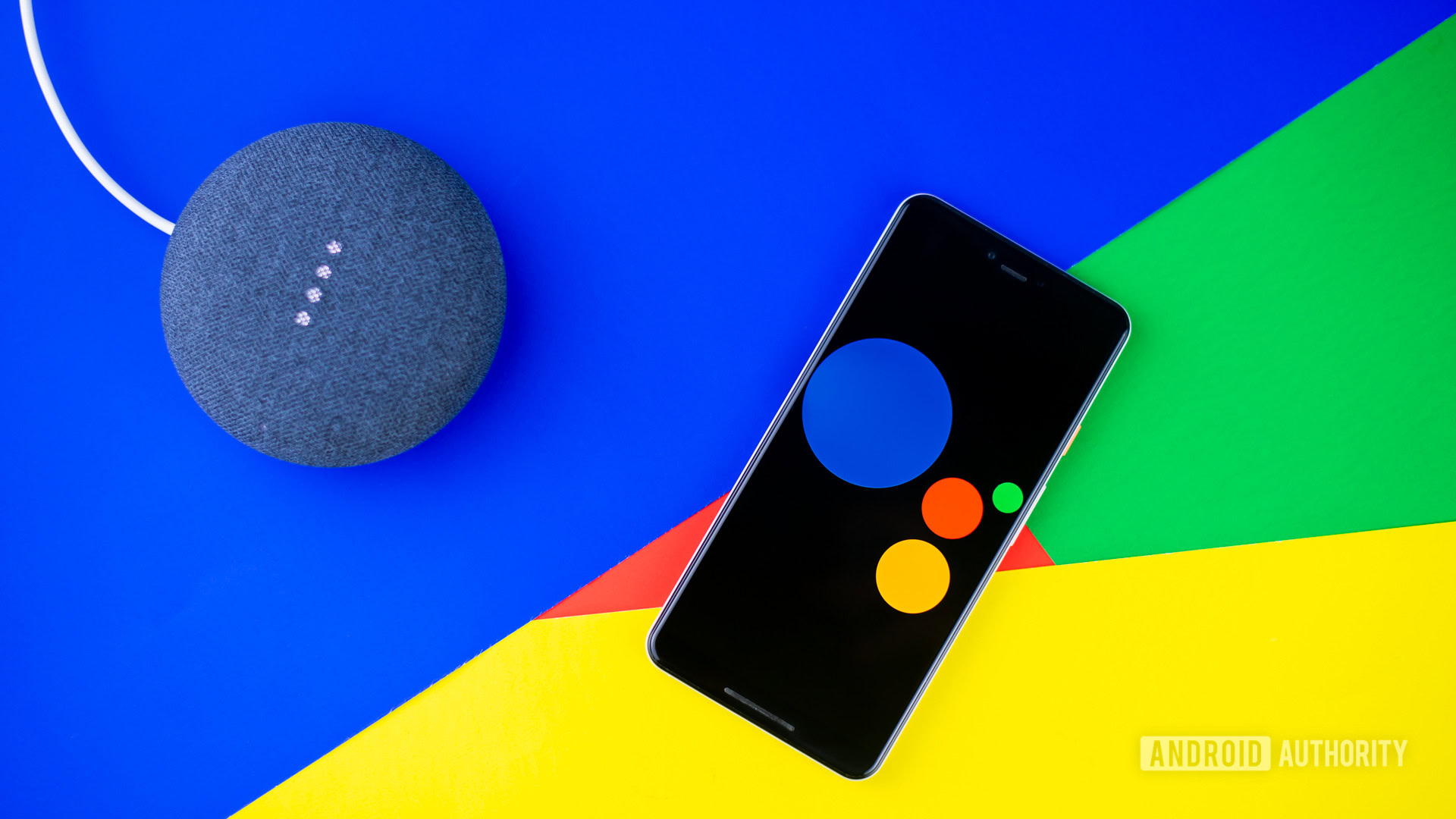
The company’s earlier announcements had foreshadowed this migration, indicating that Gemini would eventually supplant Google Assistant across a wide array of Google products, including Android phones, tablets, vehicles, smartwatches, televisions, and other connected devices. The recent notifications signify that the mobile migration phase is now entering its most critical stage.
Supporting Data and User Impact
The shift to Gemini is expected to impact millions of Android users worldwide. Google Assistant has been a standard feature on Android devices for nearly a decade, having been first unveiled in 2016. Its integration has become deeply ingrained in the daily routines of many, from setting reminders and managing calendars to controlling smart home devices and accessing information on the go.
The move to Gemini represents a significant upgrade in AI capabilities. While specific benchmarks for Gemini’s performance compared to Google Assistant are still emerging, Google has consistently positioned Gemini as its most advanced AI model. Its multimodal nature, meaning it can understand and operate across different types of information like text, code, audio, image, and video, sets it apart from previous generations of digital assistants. This opens up possibilities for more sophisticated interactions and task completion.
For instance, a user might be able to show Gemini a picture of a plant and ask for care instructions, or present it with a snippet of code and ask for debugging assistance – tasks that were either difficult or impossible for Google Assistant. This enhanced versatility is a key driver behind Google’s strategic decision to consolidate its AI efforts under the Gemini umbrella.
Broader Implications and Future Outlook
The retirement of Google Assistant on mobile devices is a clear indicator of Google’s long-term vision for AI-powered interaction. By consolidating its efforts under Gemini, Google aims to create a more cohesive and intelligent ecosystem. This move is likely to influence the development of future Google products and services, with AI playing an increasingly central role.
The implications of this transition are multifaceted:
- Enhanced User Experience: Gemini’s advanced AI capabilities are expected to lead to more natural conversations, faster responses, and a deeper understanding of user intent, ultimately enhancing the overall user experience.
- Streamlined Development: Consolidating its AI development efforts under a single, advanced model like Gemini allows Google to allocate resources more efficiently and accelerate innovation.
- Competitive Positioning: In an increasingly AI-driven market, this strategic move positions Google to compete more effectively with other tech giants investing heavily in artificial intelligence.
- Evolving Ecosystem: As Gemini becomes the default assistant across various Google platforms, it will foster a more integrated and intelligent ecosystem where devices and services communicate and collaborate more seamlessly.
However, the transition may also present challenges. Users accustomed to the specific functionalities and behaviors of Google Assistant might require a period of adjustment to Gemini’s interface and capabilities. Ensuring that Gemini can fully replicate or surpass the utility of Assistant for all users will be crucial for a successful migration. Furthermore, the success of Gemini will depend on its ability to maintain user privacy and security while leveraging vast amounts of data to provide personalized assistance.
The shift marks a significant milestone in the evolution of digital assistants. As Google Assistant recedes from mobile devices, it leaves behind a legacy of innovation and widespread adoption. In its place, Gemini is poised to usher in a new era of intelligent interaction, promising a more powerful, intuitive, and integrated experience for Android users and beyond. The coming months will be critical in observing how effectively this transition unfolds and how Gemini shapes the future of how we interact with technology.