Metty Iskandar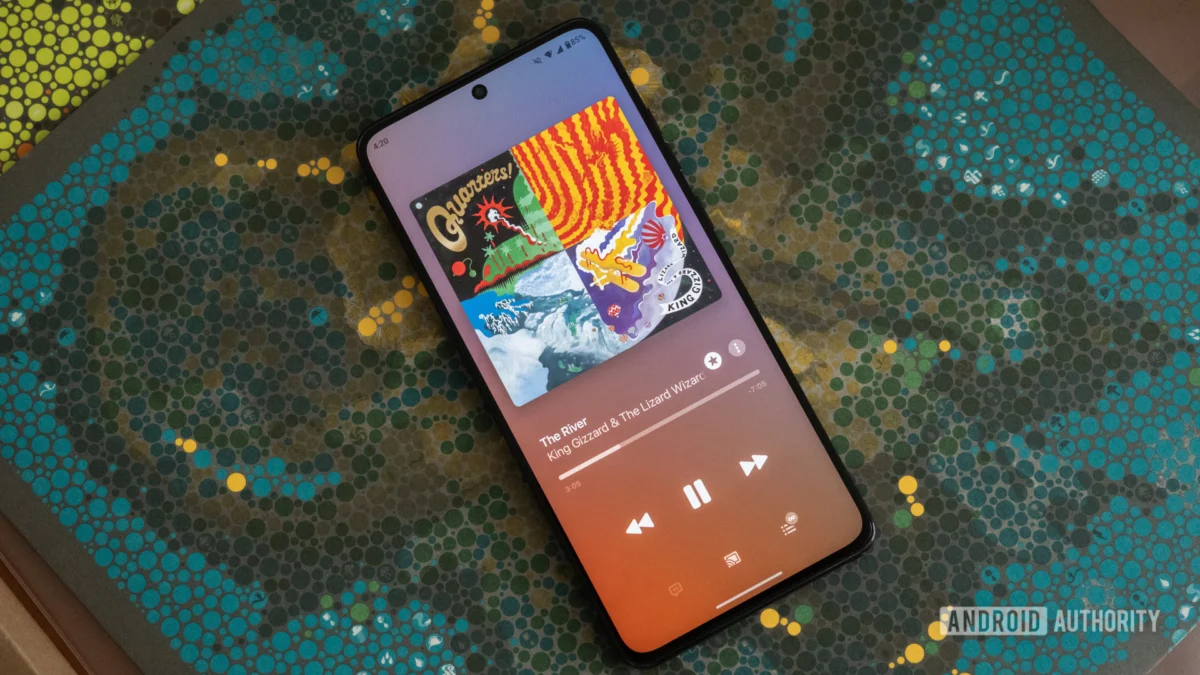
Apple Music has recently implemented a series of price adjustments for its various subscription tiers, a move that has subsequently triggered a ripple effect for its partner, Verizon, which offers the streaming service as a perk to its customers. The streaming giant’s decision to increase monthly rates for its Student, Individual, and Family plans marks the first such adjustment in nearly four years, prompting Verizon to update its own perk rates accordingly. These changes, effective September 1, signal a significant shift in the cost of accessing Apple Music, particularly for those who have come to rely on Verizon’s promotional offers.
Apple Music’s Strategic Price Revision
The initial price hike was announced by Apple Music, impacting its core offerings. The Student plan, previously a more accessible entry point for younger users, has seen a $1 per month increase. Similarly, the Individual plan, catering to single users, has also been subject to a $1 per month increment. The most substantial adjustment, however, has been applied to the Family plan, which allows multiple users to share a subscription. This tier now costs an additional $3 per month. These increases, while seemingly modest on a per-month basis, represent a notable escalation in the overall cost of Apple Music for its dedicated user base, especially when viewed over an annual period.
This strategic decision by Apple Music comes at a time when the music streaming market is intensely competitive. While Apple Music has consistently held its ground as one of the top-tier streaming platforms, the pricing adjustments place it in a new competitive position relative to its rivals, most notably Spotify and YouTube Music. The absence of a free, ad-supported tier, a feature offered by both Spotify and YouTube Music, has long been a point of differentiation for Apple Music. However, recent industry speculation suggests that Apple may be considering introducing such an option, a move that could fundamentally alter its market strategy if realized.
Verizon’s Response to Apple’s Pricing Changes
In direct response to Apple Music’s revised pricing structure, Verizon has updated the terms and rates for its Apple Music perk. A formal announcement on Verizon’s support page details the new perk rates that will become effective on September 1. This means that the value proposition of Verizon’s Apple Music offering will be recalibrated for its subscribers.
The specific updated perk rates, as outlined by Verizon, are as follows:
- New Perk Rates: While the exact new rates for Verizon’s specific plans were not fully detailed in the provided snippet, the implication is that these will reflect the increased underlying costs of the Apple Music subscriptions they are subsidizing or offering. Historically, Verizon has provided various levels of Apple Music access, ranging from fully subsidized periods to discounted rates, depending on the customer’s plan and tenure. The new rates will dictate how much of the Apple Music subscription cost Verizon will cover or charge for going forward.
Furthermore, Verizon continues to offer its "Apple Music on us" promotion for eligible users on certain legacy or grandfathered plans. This promotion typically grants six months of free Apple Music access. However, the terms of this offer also stipulate that after the initial six-month period, subscribers will transition to a paid plan, with the new rate of $10.99 per month now applying. This continuation of the promotional offer, albeit with a revised post-promotion rate, indicates Verizon’s commitment to retaining its subscribers by offering them continued access to the popular streaming service, albeit at a slightly higher cost for those who continue beyond the complimentary period.
Competitive Analysis: Apple Music vs. Competitors
The recent price adjustments position Apple Music in a renewed competitive landscape. While Apple Music historically maintained a price advantage over some competitors, the new pricing strategy brings it closer to, or on par with, other major players.
-
Comparison with Spotify: Even with the recent price increase, Apple Music’s individual subscription price of $11.99 per month remains competitive when compared to Spotify’s premium individual plan, which is often priced similarly. However, the absence of a free ad-supported tier on Apple Music continues to be a significant differentiator, as Spotify offers a robust free service that attracts a large segment of users.
-
Comparison with YouTube Music: The updated Individual plan for Apple Music at $11.99 per month is now directly comparable to YouTube Music’s individual plan. Similarly, Apple Music’s Family plan at $19.99 per month is now $1 more expensive than YouTube Music’s family offering. This parity in pricing, and in some cases a slight premium for Apple Music, intensifies the competition, forcing consumers to weigh the features and content libraries of each service more carefully.
The broader implication of these pricing shifts is the increasing financial pressure on consumers who subscribe to multiple streaming services. As prices gradually ascend across the board, the cumulative cost of entertainment subscriptions becomes a more significant line item in household budgets. This could lead to increased subscription fatigue, where consumers re-evaluate their spending and potentially reduce the number of services they maintain.
The Evolving Streaming Market: Key Trends and Future Outlook
The music streaming industry has undergone a dramatic transformation over the past decade, evolving from a niche digital offering to a dominant form of music consumption. Several key trends have shaped this evolution:
-
Subscription Dominance: The subscription model has become the cornerstone of revenue generation for music streaming services. Platforms have refined their tiered offerings, from student and individual plans to family and premium bundles, catering to diverse user needs and price sensitivities.
-
Content Diversification: Beyond music, streaming services are increasingly venturing into other audio content, such as podcasts and audiobooks, to enhance user engagement and create more comprehensive entertainment hubs. Apple Music, for instance, has been actively expanding its podcast offerings.
-
The Free Tier Debate: The presence or absence of a free, ad-supported tier remains a critical strategic decision for streaming platforms. While services like Spotify and YouTube Music leverage free tiers to attract a wider audience and upsell premium subscriptions, Apple Music’s historical stance has focused on a premium, paid-only experience. However, the rumored introduction of a free tier by Apple could signal a shift in strategy to capture a larger market share.
-
Partnerships and Bundling: Strategic partnerships, like the one between Apple Music and Verizon, are crucial for subscriber acquisition and retention. Bundling streaming services with mobile plans, internet packages, or other digital subscriptions can offer significant value to consumers and create ecosystem lock-in for providers.
-
Global Expansion and Localization: Streaming services are continuously expanding their reach into new global markets, tailoring their content libraries and pricing strategies to local preferences and economic conditions.
The recent price adjustments by Apple Music and the subsequent adjustments by Verizon are symptomatic of the ongoing maturation of the music streaming market. As the industry consolidates and competition intensifies, companies are forced to balance revenue growth with subscriber retention. The delicate act of adjusting prices without alienating a loyal customer base is a challenge that Apple Music and Verizon, along with their competitors, will continue to navigate. The long-term implications of these price changes will likely be observed in subscriber churn rates, market share shifts, and the potential acceleration of new pricing models or feature introductions, such as the rumored free tier for Apple Music. Consumers, in turn, will need to remain vigilant in assessing the value proposition of their subscriptions in an ever-evolving digital entertainment landscape.