Garick Elordi
Indie game publishing powerhouse Devolver Digital has officially announced its intention to transition back to private ownership, signaling a strategic retreat from the public markets following a tumultuous three-year period as a listed entity. The decision, revealed in a comprehensive press release directed at investors and stakeholders, comes as the company’s leadership asserts that its current share price fails to reflect the intrinsic market value and long-term potential of the organization. This move highlights the broader challenges facing the mid-tier video game sector in a post-pandemic economy characterized by fluctuating consumer spending and investor skepticism toward growth-oriented tech stocks.
According to the proposal, Devolver Digital’s board of directors believes that the requirements of maintaining a public listing have become a distraction from the company’s core mission of identifying and nurturing unique independent gaming talent. The board has formally recommended a delisting from the London Stock Exchange’s Alternative Investment Market (AIM), citing "difficult sector conditions" and a disconnect between the company’s operational successes and its equity performance.
A Drastic Shift in Valuation: From IPO Heights to Market Lows
The financial trajectory of Devolver Digital since its initial public offering (IPO) in late 2021 serves as a stark illustration of the volatility within the gaming industry’s capital markets. When Devolver first went public in November 2021, it was greeted with significant investor enthusiasm, achieving a valuation of approximately £694.6 million (roughly $950 million USD). At the time, the gaming industry was experiencing an unprecedented surge in engagement and revenue, driven largely by global lockdowns that kept consumers at home and increased digital entertainment consumption.
However, the subsequent years have seen a dramatic reversal of these fortunes. As of the latest reporting, Devolver Digital’s share price has plummeted by 96.27 percent from its peak. This collapse has eroded the company’s market capitalization to approximately £34.64 million ($46.63 million USD). This precipitous decline is not unique to Devolver; several other gaming firms that went public during the 2020-2021 boom—such as tinyBuild and Team17—have faced similar downward pressure on their stock prices as the "COVID-19 bump" subsided and interest rates rose, leading investors to favor cash-flow-positive stability over speculative growth.
In its communication to investors, Devolver noted that it has "faced the ongoing challenge of delivering growth in line with market expectations despite those difficult sector conditions." The company argues that the public market’s focus on short-term quarterly results is often at odds with the unpredictable and hit-driven nature of independent game publishing.
Strategic Rationale for Delisting and Projected Savings
The move to go private is framed as a pragmatic solution to several structural issues. Foremost among these is the financial burden of maintaining a public listing. Devolver estimates that by delisting and removing the need for public audits, investor relations departments, and compliance with the stringent regulatory frameworks of the London Stock Exchange, the company will save approximately $1.6 million per year. For a company of Devolver’s current size, these administrative savings represent a significant boost to its operational budget, which can be redirected toward game development and marketing.
Beyond the financial metrics, a spokesperson for Devolver Digital emphasized the operational freedom that private ownership affords. In a statement provided to industry analysts, the spokesperson noted: "Devolver and its board are seeking shareholder approval to delist, believing becoming a private company is in the best interests of Devolver, its employees, its partners, and its shareholders as a whole. The purpose is simple and positive. Being private will allow the Devolver Digital team, especially the finance, legal, and executive team, to singularly focus on the long-term health of the company and less on satisfying the requirements of the public market, which have nothing to do with being a successful game publisher."
This sentiment echoes a growing trend in the technology sector where "founder-led" companies find the transparency and scrutiny of public markets to be an impediment to creative risk-taking. Devolver has long been known for its unconventional marketing and its portfolio of avant-garde titles; the board suggests that a private environment is more conducive to maintaining this "indie" identity.
Timeline and Shareholder Approval Process
The transition to private status is not yet finalized and remains subject to the approval of the company’s shareholders. Devolver has scheduled its Annual General Meeting (AGM) for September 8, at which point a formal vote on the delisting proposal will occur.
For the resolution to pass, a specific majority of voting shareholders must support the board’s recommendation. Given that a significant portion of Devolver’s stock is still held by its original founders—including Harry Miller, Rick Stults, and Graeme Struthers—as well as strategic partners like NetEase and Sony (which took a minority stake during the IPO), analysts expect the motion to carry. If the shareholders provide their consent on September 8, the company expects the delisting to become effective on September 16.
Following the delisting, the company will likely implement a matched-bargain facility to allow existing shareholders to trade their shares in a private capacity, though liquidity will be significantly reduced compared to the public exchange.
Contextualizing the Industry Downturn
The difficulties faced by Devolver Digital are emblematic of a wider malaise within the global video game industry. The period between 2023 and 2024 has been marked by record-breaking layoffs and studio closures across the spectrum, from indie outfits to AAA giants. Companies like Microsoft (Xbox), Sony (PlayStation), and Electronic Arts have all undergone significant restructuring to account for a market that is no longer growing at the exponential rates seen in 2020.
The "hyper-growth" expectations set during the pandemic led many companies to over-hire and over-invest. When consumer behavior normalized and the cost of capital increased due to inflation-fighting measures by central banks, the gaming sector faced a harsh correction. Devolver’s experience—where a fundamentally creative and successful publisher sees its stock price crater due to macro-economic shifts—is a case study in the risks of public listing for mid-sized creative enterprises.
Operational Resilience Amidst Financial Volatility
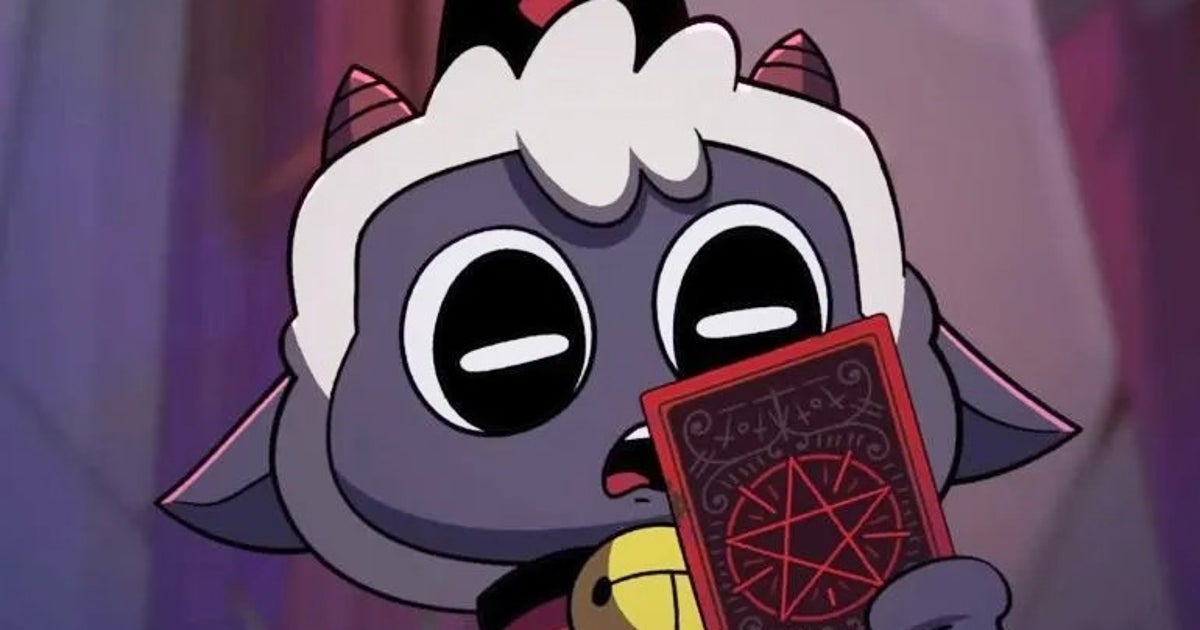
Despite the poor performance of its stock, Devolver Digital’s creative output has remained robust. The company has continued to secure critical and commercial hits during this period of financial uncertainty. Cult of the Lamb, developed by Massive Monster and published by Devolver, has emerged as a major cultural phenomenon, selling millions of copies and maintaining a dedicated player base through consistent content updates.
Furthermore, the company has maintained its reputation for identifying "prestige" indie titles. Recent and upcoming projects such as The Talos Principle 2, Children of the Sun, and the highly anticipated Skate Story demonstrate that Devolver’s scouting and editorial departments are still functioning at a high level. The disconnect between these creative successes and the company’s $46 million market valuation is exactly what the board hopes to rectify by moving away from public price discovery.
By returning to private status, Devolver aims to insulate its development partners from the anxieties of the stock market. Developers working under the Devolver banner have often cited the publisher’s "hands-off" and "developer-first" approach as a primary reason for their partnership. Leadership believes that being private will allow them to double down on this philosophy without the pressure to provide "forward-looking guidance" to analysts who may not understand the long tail of indie game sales.
Implications for the Future of Indie Publishing
Devolver Digital’s retreat from the public market may serve as a cautionary tale for other independent publishers considering an IPO. The allure of a massive influx of capital must be weighed against the loss of autonomy and the volatility of investor sentiment. For the broader industry, Devolver’s move could signal a "flight to quality" and a return to more traditional, sustainable business models for indie labels.
As the September 8 vote approaches, the gaming and financial communities will be watching closely. Should Devolver successfully go private, it will join a list of companies that have decided that the benefits of being "publicly traded" no longer outweigh the costs. The company’s focus will then shift entirely to its 2024-2025 release slate, free from the daily fluctuations of the AIM ticker, as it attempts to rebuild its value away from the public eye.
In the long term, this move may allow Devolver to be more agile in its acquisitions and partnerships. Without the need to justify every expense to a diverse pool of public shareholders, the publisher can return to the "gut-feeling" investment strategy that defined its early success with titles like Hotline Miami and Enter the Gungeon. For the fans of Devolver’s eclectic library, the transition to private ownership is likely to result in a company that looks much more like the rebellious, risk-taking entity that first disrupted the industry over a decade ago.