Vera Intan Clara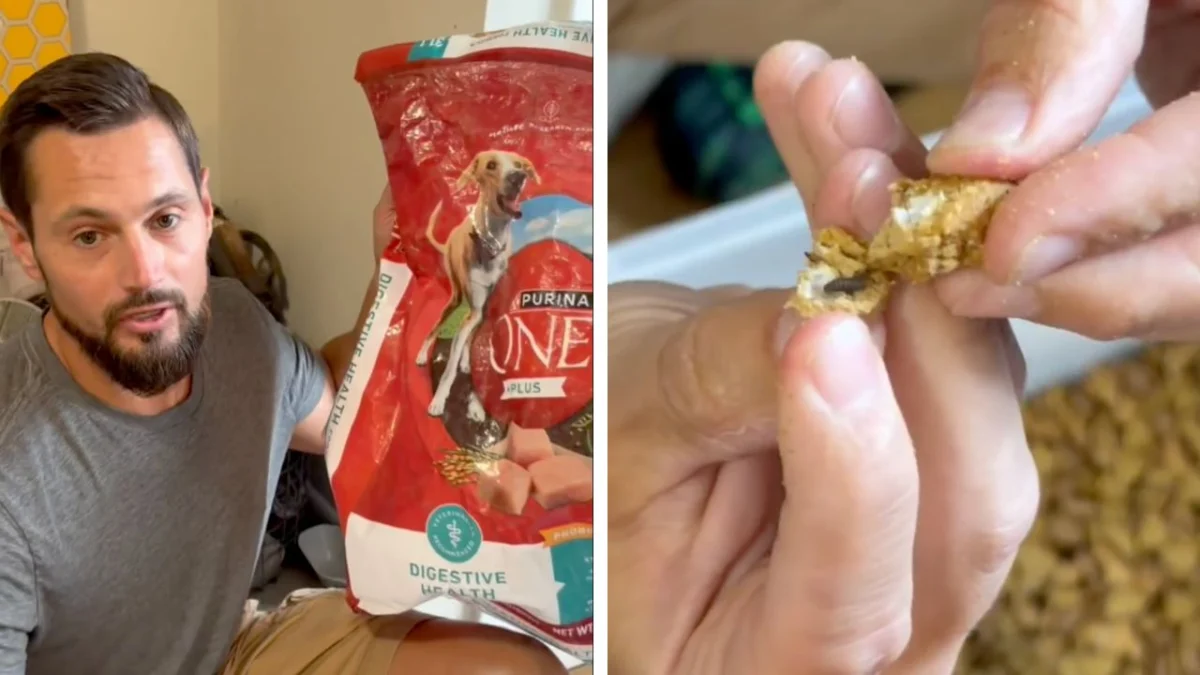
A recent incident involving a pet owner’s discovery of maggots and black bugs within a bag of Purina One dog kibble has triggered significant disgust and alarm across online platforms, prompting renewed discussions about pet food quality and safety standards. The owner, whose video documentation of the infestation rapidly went viral, urged fellow pet parents to exercise extreme caution, particularly when purchasing Purina One products, where he claimed the contamination was found. This event underscores persistent challenges within the pet food industry regarding quality control, supply chain integrity, and consumer trust.
The Discovery and Viral Dissemination
The unsettling discovery began when the unnamed pet owner reportedly noticed an unusual proliferation of black bugs throughout his home shortly after purchasing a new bag of Purina One dog food. This observation prompted him to investigate the potential source of the infestation, leading him to the dog food bag itself. A video documenting his findings, though its original source remains unconfirmed, was widely reposted by the X account @WallStreetApes on July 28, 2026, quickly garnering over 584,000 views and sparking a torrent of online reactions.
In the viral footage, the pet owner meticulously examines the dry kibble, initially observing numerous black insects actively moving through the food. Taking his investigation a step further, he demonstrates the depth of the problem by breaking open a single piece of kibble with his fingers. To the visible shock of both the owner and a child present in the background, a small black maggot is revealed, wriggling from within the broken piece. As he manipulates the kibble, another black bug is seen crawling onto his fingers and arm, intensifying the graphic nature of the discovery and the palpable disgust it generated among viewers. The owner reported that this was not an isolated incident, claiming that "every other piece of kibble; even a random one" appeared to be similarly infested.
Identification of Pests and Associated Health Risks
Following the video’s widespread circulation, the X account that reposted the footage conducted preliminary research into the identity of the insects and their potential toxicity to pets. The findings indicated that the pests were primarily beetle larvae, commonly known as weevils. Weevils are a type of beetle well-known for infesting grain products, including dry pet food, cereals, flour, and pasta. They are often referred to as "pantry pests" due to their prevalence in stored food items.
The life cycle of a weevil typically involves the adult female laying eggs inside individual grains. Upon hatching, the larvae consume the grain from the inside out, making detection challenging until the infestation becomes advanced or the affected kernels are opened. As an X user, @AdamG507, commented on the viral post, "It’s called a Weevil they feed on grain. We had an infestation due to having feed corn in our garage. They lay their larva into the grain and it hatches and eats inside out. By the time we found it the entire bag of corn was dust." This vivid description highlights the destructive and pervasive nature of such infestations.
While weevil larvae are generally considered harmless if consumed by pets in small quantities, their presence in excess is a clear indicator of significant contamination. The research also noted that while the bugs themselves are not toxic, their fine hairs can cause irritation to both dogs and humans if ingested. Consequently, experts and the X account strongly advise against merely attempting to remove the visible insects. Instead, the recommendation is to discard the entire contaminated food product to prevent further consumption of potentially irritating hairs, larvae, or other contaminants that may not be immediately visible.
Broader Context: Pet Food Quality Control and Industry Standards
The incident sheds light on ongoing concerns regarding quality control within the multi-billion-dollar pet food industry. Dry pet food, largely composed of grain-based ingredients, is inherently susceptible to pest infestations if proper preventive measures are not meticulously followed throughout the supply chain.
The Food and Drug Administration (FDA) is the primary regulatory body overseeing pet food safety in the United States, working in conjunction with state feed control officials and organizations like the Association of American Feed Control Officials (AAFCO). The FDA establishes standards for pet food manufacturing, labeling, and ingredient safety, including guidelines for preventing contamination by pests and other harmful substances. Manufacturers are expected to adhere to Good Manufacturing Practices (GMPs), which encompass strict pest control protocols, proper storage of raw materials and finished products, and thorough inspection processes.
However, vulnerabilities can arise at various stages:
- Ingredient Sourcing: Grains can become infested at farms or storage facilities before reaching the pet food manufacturer.
- Manufacturing Facilities: Inadequate sanitation or pest control within a plant can lead to contamination during processing or packaging.
- Distribution and Retail: Improper storage conditions in warehouses or retail stores (e.g., humid environments, damaged packaging) can create entry points for pests.
- Consumer Storage: Even after purchase, pet food can become infested if stored improperly at home, particularly in open bags or humid conditions.
This particular incident, where the infestation appeared deep within the kibble pieces, suggests a potential issue originating earlier in the supply chain or during the manufacturing process, rather than solely due to improper storage by the consumer post-purchase. Such a deep-seated infestation raises questions about the efficacy of quality checks on raw ingredients and finished products.
Public Outcry and Consumer Reactions
The graphic nature of the video and the widespread concern for pet health fueled a significant online backlash. The comments section of the viral X post, along with other social media discussions, reflected a collective sense of disgust and frustration among pet owners. Many expressed sentiments akin to, "It’s beyond disgusting that pet food has zero quality control and these companies should be held accountable!!" This highlights a deep-seated demand for greater transparency and accountability from pet food manufacturers.
Numerous individuals who identified as current or former Purina users shared their own experiences, with some advising against the brand, while others expressed immediate intentions to discard their existing Purina One food and switch to alternative brands. The incident also reignited a broader debate among pet parents about the merits of highly processed dry kibble versus more "natural whole foods" or fresh pet food diets, with many advocating for the latter as a safer and healthier option. This trend reflects a growing consumer awareness and desire for higher quality, less processed options for their pets, driven by concerns over ingredients, manufacturing processes, and safety incidents.
The rapid virality and strong negative sentiment underscore the power of social media in shaping consumer perception and holding brands accountable. In an era where visual evidence can be shared instantly with a global audience, incidents of product contamination can quickly escalate into significant reputational crises for companies.
Purina’s Stated Commitment and Lack of Current Response
Nestlé Purina PetCare, a major player in the global pet food market, has historically faced various forms of public scrutiny and, as the original article notes, "immense backlash from its customers in the past." While the specific reasons for past backlash are not detailed in the provided context, common issues across the industry have included ingredient controversies, product recalls due to contamination (e.g., salmonella, melamine), and concerns about manufacturing practices.
In response to such pressures, Purina, like other leading pet food brands, consistently emphasizes its commitment to producing "the highest quality" pet food through rigorous scientific research, ingredient sourcing, and manufacturing processes. Their official statements typically highlight multi-step quality checks, adherence to regulatory standards, and dedication to pet health and safety.
However, as of the time of the original article’s publication (which implies a period shortly after the X post dated July 28, 2026), Purina had "yet to respond to the recent review" or the viral video specifically. This delay in official communication, while potentially indicative of an internal investigation or the drafting of a comprehensive statement, can further exacerbate consumer anxiety and fuel negative perceptions. In such situations, prompt and transparent communication from the brand is often crucial in managing public relations and rebuilding trust. A typical corporate response would involve acknowledging the concern, advising affected customers to contact their consumer affairs department for product replacement or refund, and reiterating their commitment to product quality and safety.
Implications for Pet Owners and the Pet Food Industry
This incident serves as a critical reminder for both pet owners and manufacturers regarding the ongoing vigilance required to ensure pet food safety. For pet owners, the key takeaways include:
- Thorough Inspection: Always inspect pet food, especially dry kibble, before feeding it to pets. Look for visible signs of pests, mold, or unusual discoloration.
- Proper Storage: Store dry pet food in airtight containers, preferably off the floor and in a cool, dry place, to prevent pest infestation and maintain freshness. Avoid leaving large bags open or exposed.
- Batch Information: Note the lot number and best-by date on pet food packaging, as this information is crucial for reporting issues and for manufacturers to trace potential contamination.
- Reporting Concerns: Report any suspected contamination or adverse reactions to the pet food manufacturer directly and, if necessary, to regulatory bodies like the FDA.
For the pet food industry, incidents like this underscore the imperative for continuous improvement in quality control and supply chain management. Investing in advanced pest prevention technologies, enhancing ingredient inspection protocols, and ensuring robust sanitation practices at every stage of production and distribution are paramount. The increasing consumer demand for transparency and accountability means that brands must not only meet safety standards but also effectively communicate their efforts and respond swiftly and empathetically when issues arise.
Ultimately, the discovery of maggots and black bugs in Purina One kibble is more than an isolated incident of product contamination; it is a catalyst for broader conversations about the integrity of the food we provide our beloved animal companions and the responsibilities of the companies that produce it. The viral nature of the pet owner’s video ensures that these discussions, and the lessons learned, will resonate widely across the pet-owning community.