Metty Iskandar
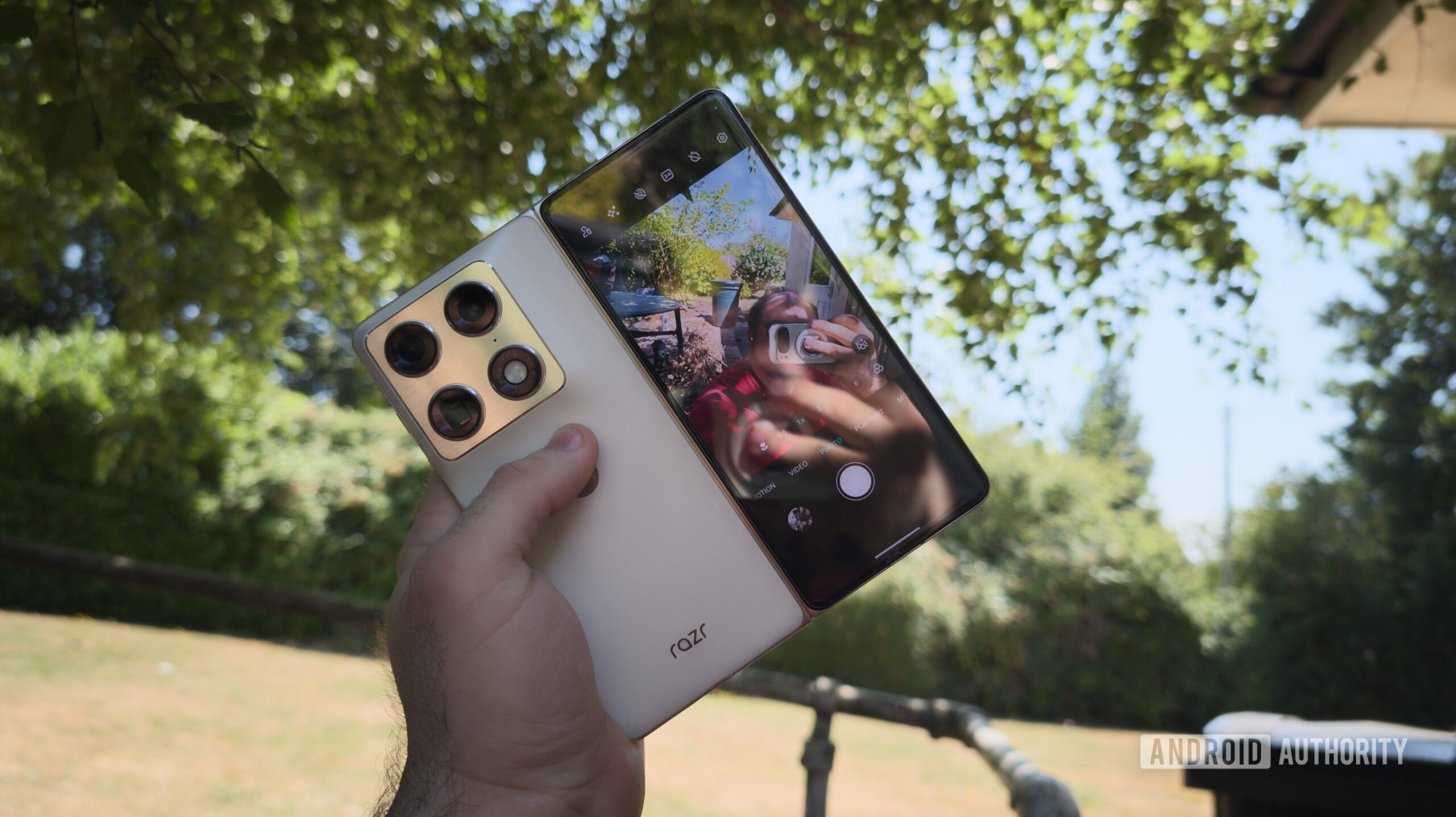
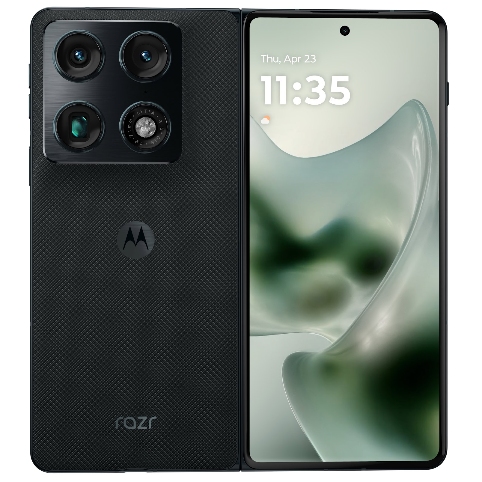
The perception that foldable phones are inherently fragile is a common one, and while they may not be as delicate as some might believe, the need for robust protection remains paramount. This necessity is amplified by the scarcity of quality protective accessories, a challenge starkly highlighted by the experience of using the Motorola Razr Fold. While the device itself has garnered praise, its lack of readily available, reputable cases and screen protectors presents a significant hurdle for users seeking to safeguard their investment.
The Accessory Desert: A Growing Concern for Foldable Flagships
The Motorola Razr Fold, a device lauded for its innovative design and user experience, finds itself in a peculiar predicament: a near-void when it comes to third-party accessory support. Unlike established players such as Samsung and Google, whose flagship devices benefit from a vast ecosystem of cases and screen protectors from renowned brands like Spigen, Otterbox, and Casetify, the Razr Fold is largely left to the mercy of lesser-known manufacturers or generic offerings.
A perusal of major online marketplaces reveals a stark reality. Prominent accessory brands, typically quick to cater to popular smartphone releases, are conspicuously absent from the Razr Fold’s accessory listings. The majority of available cases are sourced from brands such as Rukey and FNTCASE, or are entirely unbranded. While budget-friendly options are not inherently problematic, their suitability for a premium, and often expensive, foldable device is questionable. Users often seek accessories that not only offer protection but also enhance the tactile experience and instill confidence in the device’s durability.
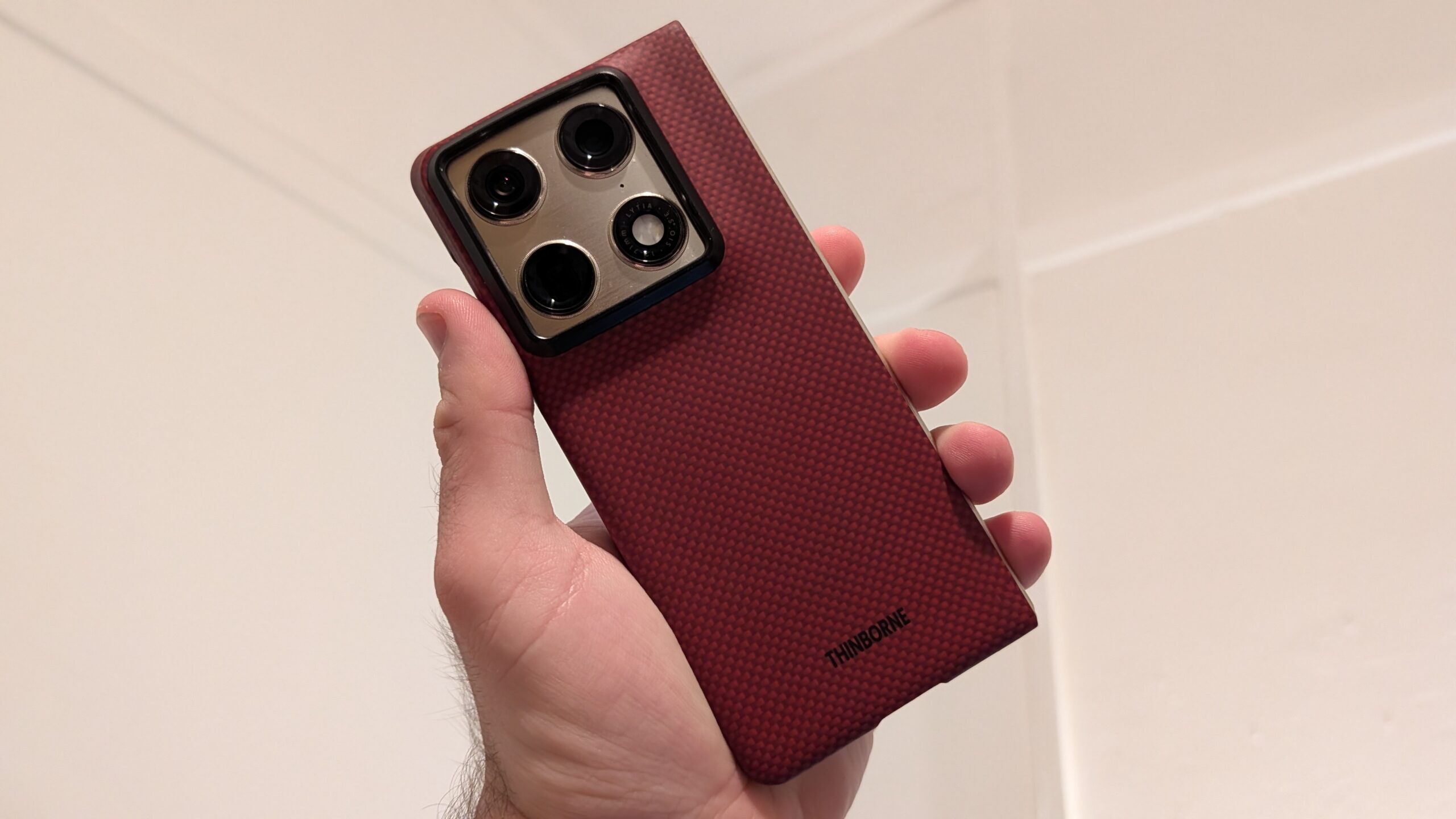
The current accessory landscape for the Razr Fold presents a dichotomy of protection: on one end, the Poetic case, a robust and bulky option designed for maximum impact resistance; on the other, the Thinborne, a sleek and minimalist case crafted from aramid fiber, prioritizing ergonomics and style over extreme ruggedness. While both offer a degree of protection, they represent polar opposites, leaving a significant gap for users seeking a balanced approach. This limited selection not only restricts consumer choice but also raises questions about Motorola’s commitment to supporting its flagship devices post-launch.
The Screen Protector Predicament: A Critical Vulnerability
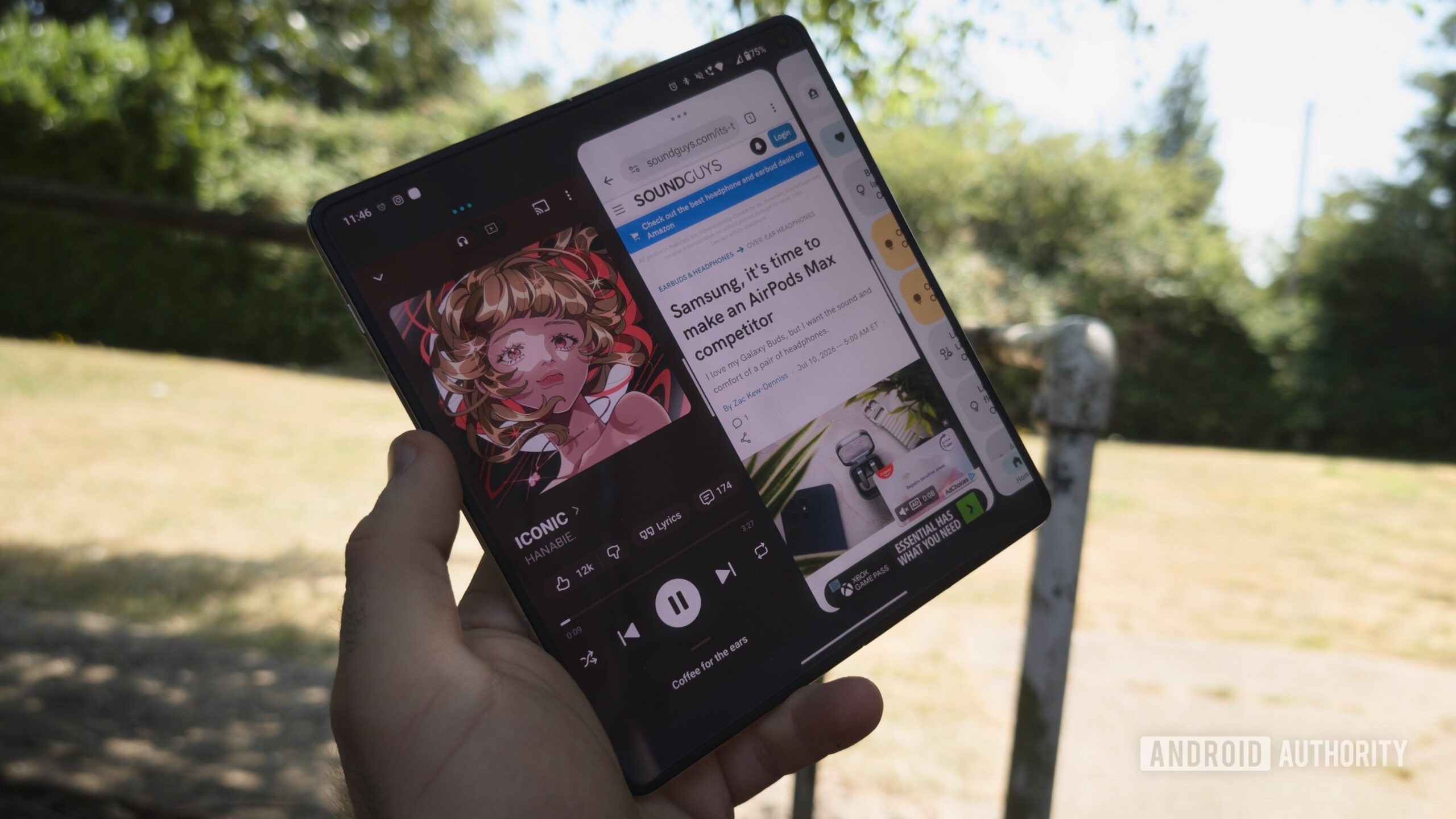
The issue of accessory scarcity is exacerbated by the critical need for screen protectors on foldable devices. The inner display, being the primary interactive surface, is particularly susceptible to scratches and wear. The author’s daily routine, which involves propping the phone open at a 90-degree angle on kitchen counters while watching videos, underscores the immediate threat of surface damage. Without adequate screen protection, such daily use can lead to noticeable scratches within a week, diminishing the visual appeal and potentially impacting touch responsiveness.
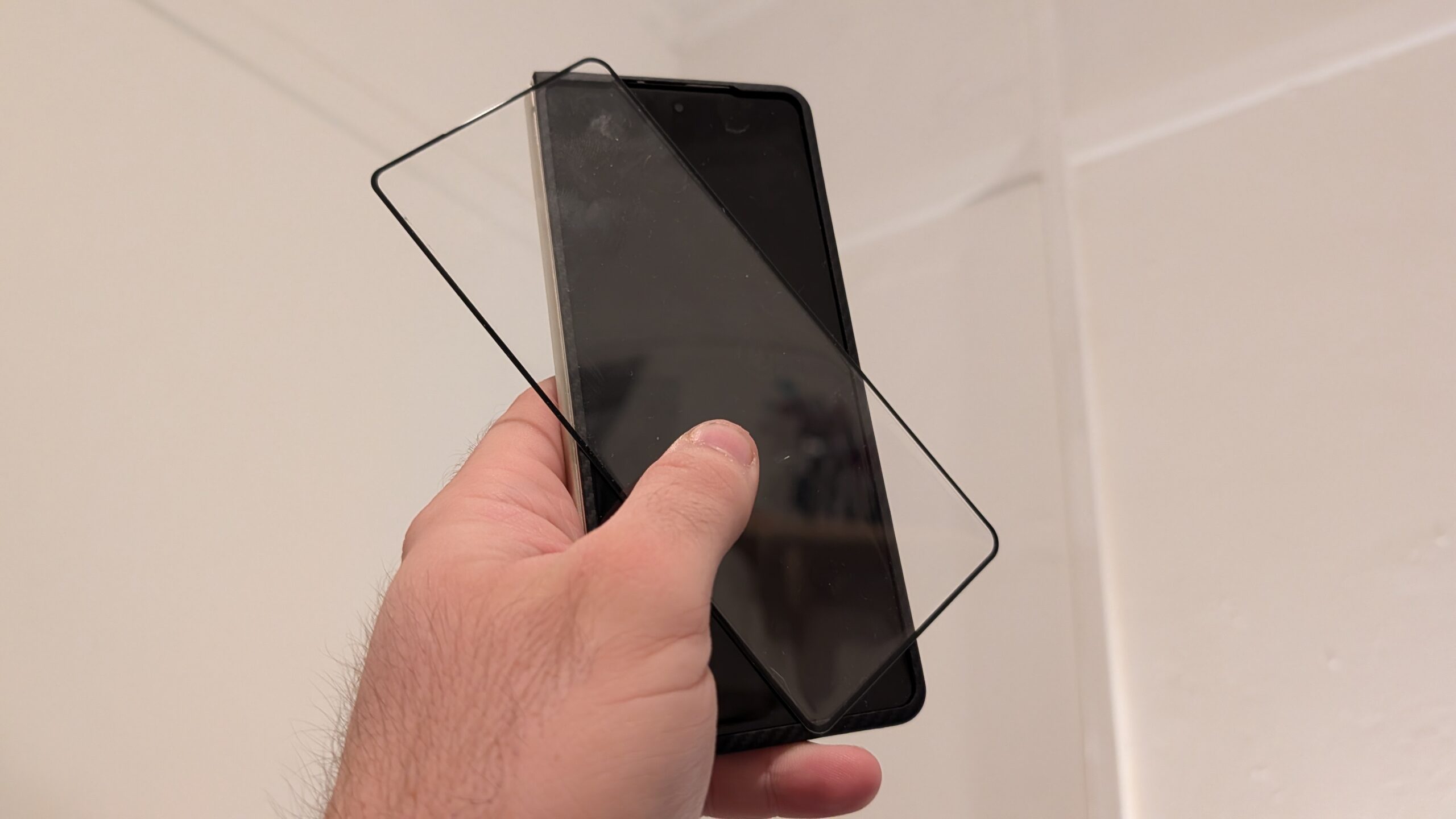
The availability of screen protectors for the Razr Fold is even more dire than that of cases. In the UK, for instance, users are often faced with two uninspiring choices: a low-quality plastic protector that feels unpleasant to the touch and may not fit precisely, or a glass protector with a flawed adhesive design. These glass protectors often feature adhesive only along the bezel, leading to a significant air gap between the clear portion of the protector and the display. This gap not only compromises touch accuracy, leading to missed inputs, but also allows dust ingress, further degrading the user experience. The repeated application and shifting of these protectors, due to insufficient adhesion, render them largely ineffective.
While the US market offers a slightly broader selection, including glass protectors that appear to have full adhesive coverage in product images, customer reviews frequently echo the same concerns: edge chipping and the persistent air gap issue. This suggests a systemic problem with the design and manufacturing of screen protectors for this specific foldable form factor.
The integrated screen protector within the Poetic case, while seemingly a solution, presents its own set of drawbacks. Its plastic construction, despite claims of being glass, offers a less premium feel and is prone to scratching. Furthermore, its integration into the case makes independent replacement difficult. A significant practical concern arises from the placement of the SIM tray on the cover screen side of the Razr Fold. Removing the case, and by extension its integrated screen protector, becomes a necessary, albeit inconvenient, step for SIM card swaps or access.
Motorola’s Role: A Call for Enhanced Manufacturer Support
The current state of the Razr Fold’s accessory market points to a critical need for greater involvement from Motorola itself. The company offers a single first-party case, which is notably unavailable in all markets where the phone is sold, including the UK. This geographical limitation further exacerbates the accessory shortage for a significant portion of its customer base. Moreover, Motorola does not produce any first-party screen protectors for the Razr Fold.
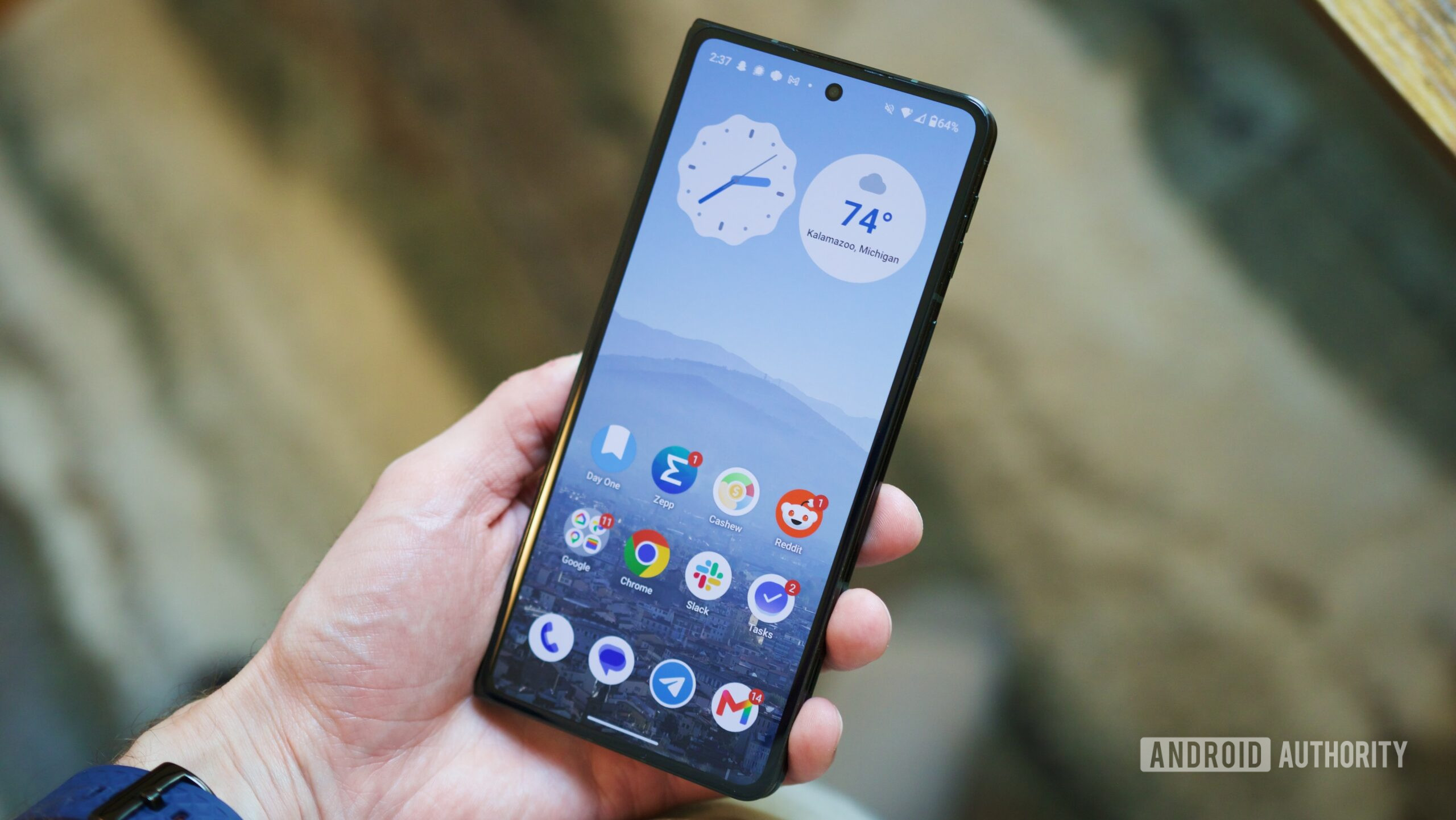
This lack of comprehensive first-party support stands in stark contrast to competitors like Samsung and Google. These manufacturers not only offer their own official accessory lines but also foster strong relationships with third-party accessory makers, resulting in a wide array of high-quality options for their devices. While Motorola’s market share may be smaller, the premium nature of its foldable devices warrants a more robust ecosystem of protective solutions.
The limited availability of accessories forces users into a position of being a "captive audience." Without readily accessible and diverse options, consumers are often compelled to rely on the few available, potentially lower-quality, third-party products or risk damaging their expensive devices. This situation is particularly frustrating for a device that, by all accounts, is a strong contender for phone of the year. The author’s personal admiration for the Razr Fold, to the point of considering a personal purchase, is tempered by the significant concern over maintaining its pristine condition. The effort and expense already incurred in acquiring screen protectors for a review unit highlight the user’s commitment to protection, a commitment that should be met with readily available and reliable solutions.
The Broader Implications for the Foldable Market
The accessory scarcity surrounding the Motorola Razr Fold is not an isolated incident but rather a microcosm of a larger challenge facing the burgeoning foldable smartphone market. As these devices become more sophisticated and gain wider consumer appeal, the demand for protective accessories will undoubtedly increase. Manufacturers must proactively address this need by:
- Collaborating with Third-Party Accessory Makers: Fostering stronger partnerships with established accessory brands is crucial. This could involve providing early access to device specifications, facilitating testing, and potentially co-marketing efforts.
- Expanding First-Party Accessory Offerings: Developing a comprehensive range of first-party cases and screen protectors for all major markets is essential. This sets a benchmark for quality and availability.
- Innovating in Protective Technologies: The unique form factors of foldables require innovative solutions. This could include exploring new materials for screen protectors that offer better adhesion and durability, or designing cases that integrate seamlessly without compromising functionality.
- Educating Consumers: Clearly communicating the specific protection needs of foldable devices and the best available solutions can empower consumers to make informed decisions.
The Motorola Razr Fold, despite its technological prowess, serves as a cautionary tale. The long-term success and adoption of foldable phones hinge not only on their innovative features but also on the ability of consumers to protect and personalize them. Until the accessory ecosystem catches up, the full potential of these groundbreaking devices may remain somewhat constrained by the practicalities of daily use and the fear of accidental damage. The industry, and particularly manufacturers like Motorola, must step up to ensure that the future of foldable phones is as secure and well-accessorized as it is innovative.