George Chandra Eka
The recent "Surprise and shine" keynote delivered by Apple unveiled a considerably more robust slate of updates for the Apple Watch Series 12 than many industry observers had anticipated. While some enhancements, such as readiness scores and increased sampling rates, bring the device in line with offerings from competing wearable manufacturers, a significant portion of the announced features, particularly the innovative Audio Intelligence suite and refined material finishes, represent novel advancements. This generation of the Apple Watch demonstrates Apple’s continued commitment to integrating sophisticated health monitoring with cutting-edge artificial intelligence, all while attempting to address burgeoning privacy concerns in the realm of ambient computing.
Initial hands-on opportunities following the keynote provided a glimpse into the hardware revisions and an overview of the software capabilities, though comprehensive testing of features like Siri Recap and Live Rewind will require extended use. A key focus of the Series 12 is a comprehensively re-architected sensing system, a change immediately apparent upon visual comparison with its predecessor, the Series 11. The underside of the new smartwatch reveals a distinct configuration: a prominent ring of 12 lights, a stark contrast to the four LEDs arranged in a diamond shape on last year’s model. This re-engineering of photodiodes and LEDs underpins a fundamental shift in how the device gathers biometric data.
Revolutionizing Health Monitoring: The New Sensing System
The core of the Apple Watch Series 12’s advancements lies in its re-engineered health sensing system. A detailed examination of the device’s underside reveals not only the altered LED arrangement but also subtle differences in the number and layout of other components, including diodes and electrodes. This meticulous redesign significantly increases the surface area that maintains direct contact with the wearer’s skin. The rationale behind this physical modification, combined with upgraded internal hardware, is to achieve demonstrably more accurate and consistent readings across a spectrum of physiological metrics.
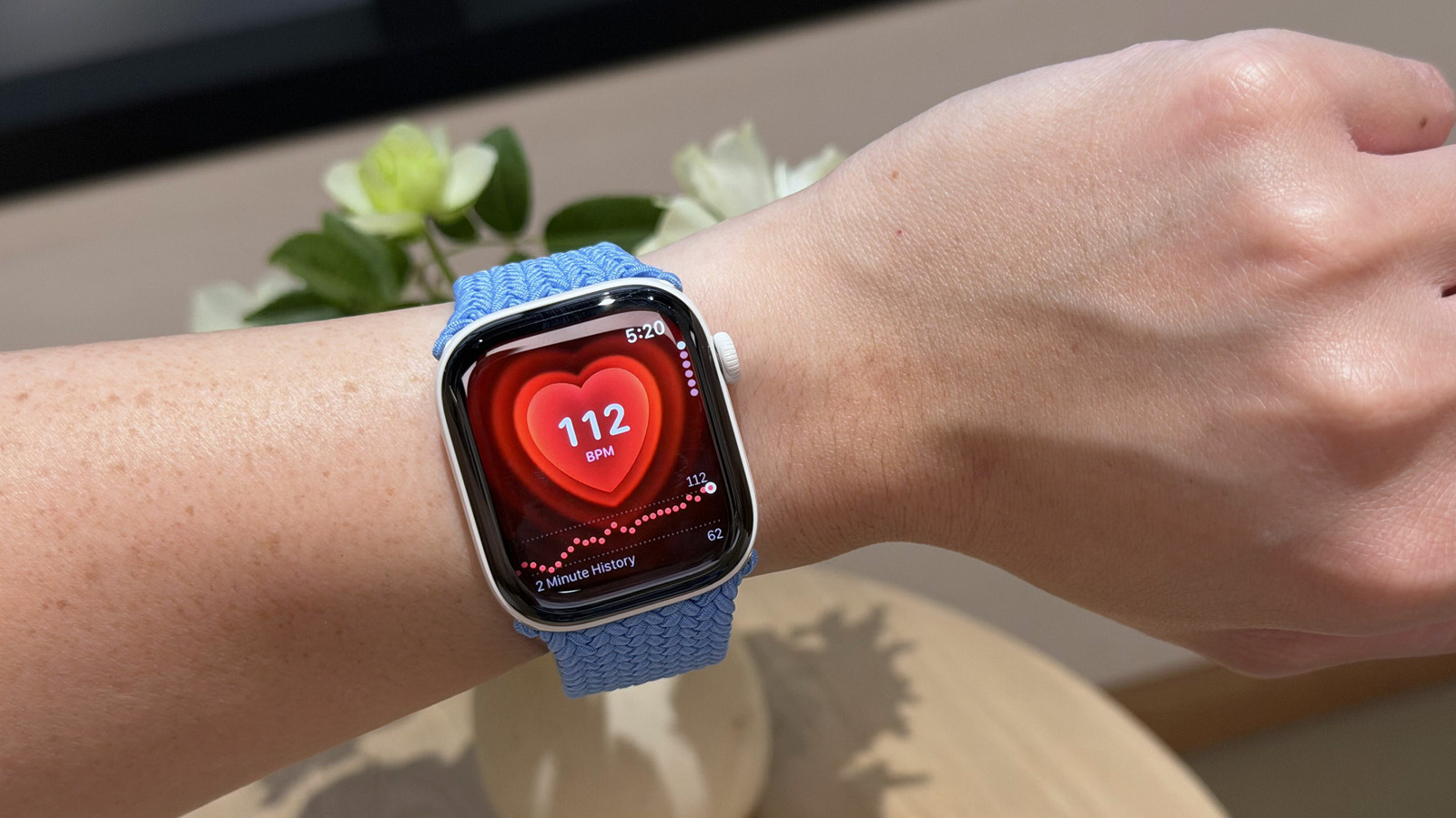
Beyond hardware, Apple has also bolstered its data acquisition strategy by increasing the sampling rates for crucial measurements. This means the Series 12 is now collecting heart rate data—and by extension, related metrics such as VO2 Max (maximal oxygen uptake) and Heart Rate Variability (HRV)—with unprecedented frequency. The company has gone on record, citing its own internal studies, to claim that the Series 12 is the most accurate wearable device available for heart rate sensing. This claim, if validated by independent research, could set a new benchmark in the competitive wearables market, where accuracy remains a critical differentiator for health-focused consumers and medical professionals alike. The enhanced accuracy and higher sampling rates are not merely technical improvements; they form the bedrock for more reliable and actionable health insights delivered through the device and its companion applications.
Deep Dive into Health Features: HRV, Readiness, and Vitals
The improved sensing system directly feeds into several new and enhanced health-related features within the Apple Watch Series 12, significantly expanding its utility as a personal health companion.
One of the most notable additions is an updated Heart Rate Variability (HRV) metric, now integrated into the redesigned heart rate application. HRV, a measure of the variation in time between heartbeats, is a crucial indicator of the autonomic nervous system’s balance between its sympathetic (fight or flight) and parasympathetic (rest and digest) branches. High HRV generally suggests a more adaptable and resilient nervous system, often associated with better physical fitness, stress resilience, and recovery. Conversely, consistently low HRV can indicate stress, overtraining, or underlying health issues. On previous Apple Watch models, HRV measurements were typically taken every two to four hours; the Series 12 drastically improves upon this, capturing HRV data as frequently as every five minutes. This granular data allows for a much more dynamic and responsive understanding of a user’s physiological state throughout the day, providing deeper insights into stress levels, recovery status, and overall well-being.
The HRV information is a cornerstone of the new Readiness app, a feature that brings Apple into direct competition with established players in the recovery tracking market, such as Whoop and Oura. The Readiness app provides users with a daily readiness score, presented on a scale of 0 to 10, designed to offer a holistic assessment of their physical and mental preparedness for the day ahead. This score is algorithmically derived by synthesizing data from various inputs, including activity levels, sleep quality and duration, and key vital signs, with HRV being a particularly influential factor. While the feature requires at least seven days of continuous wear to establish a baseline and generate meaningful scores, its potential impact on user behavior is significant. A low readiness score might prompt a user to prioritize rest, engage in lighter exercise, or focus on stress-reduction techniques, thereby helping to prevent overtraining, burnout, and injury. Conversely, a high score could encourage optimal performance during workouts or demanding tasks. During initial demonstrations, a company representative’s watch displayed a readiness score of "3," with the Health app attributing the low score to poor sleep and HRV performance, vividly illustrating the app’s diagnostic capabilities.
Minor adjustments have also been made to the Vitals app, primarily concerning the language used to describe performance metrics, aiming for clearer and more actionable feedback for users. These iterative improvements underscore Apple’s commitment to refining the user experience across its health monitoring ecosystem.
The Transformed Health App: A Hub for Personalized Wellbeing
Perhaps the most significant overarching update to the Apple Watch experience transcends the device itself, manifesting as a comprehensive redesign of the Health app on the iPhone. This overhaul promises to address long-standing user feedback regarding the app’s complexity and difficulty in interpreting personal health data.
The revamped Health app leverages the power of Apple Intelligence, meaning its advanced features will require a compatible iPhone to function. Users without a compatible device will continue to experience the current version of the app. Scheduled for release later this year, the updated app’s most striking feature is an Apple Intelligence-generated summary positioned prominently at the top of the home screen. This dynamic summary adapts to the time of day, delivering the most relevant health insights to the user at that specific moment. For instance, in the morning, it might highlight sleep quality and readiness, while in the afternoon, it could focus on activity goals and hydration.
Below this intelligent summary, users will find a series of dynamically ordered tiles displaying key metrics such as activity, heart rate, and sleep. The arrangement of these tiles will also intelligently adjust throughout the day to reflect current priorities and user behavior. Navigating the app is streamlined with sideways swipes on the home screen, transitioning between dedicated pages for sleep, fitness, and heart health. A persistent bottom navigation bar provides quick access to new sections, notably the "Longevity" and "Data" tabs.
The Longevity tab introduces an entirely new interface designed to offer a holistic view of an individual’s wellbeing across seven distinct areas, encompassing physical activity, sleep, cardiovascular health, and more. A particularly intriguing feature within this tab is the "health age" metric, which aims to provide users with a digestible, albeit potentially abstract, representation of their overall physiological age based on their lifestyle and biometric data. While the distinction between various wellness metrics and the overarching "health age" might initially seem nuanced, Apple anticipates that extended interaction with the app will clarify these relationships.
Furthermore, the redesigned Health app will incorporate new assessments aimed at providing deeper insights into specific physiological functions. An example cited is a VO2 Max assessment, which guides users through a series of instructions, such as jogging in place, while simultaneously analyzing heart rate data streamed from their Apple Watch or compatible AirPods. This method promises a more accessible and integrated way for users to measure and track their aerobic fitness, offering actionable feedback to improve cardiovascular health.
While the refreshed Health app is not exclusive to the Apple Watch Series 12 and will be rolled out later in the year, its profound impact on how users interact with and interpret their health data cannot be overstated. It transforms the app from a mere data repository into an intelligent, personalized health coach, leveraging AI to present information in an intuitive and actionable manner. This strategic move solidifies Apple’s position in the digital health ecosystem, aiming to empower users with proactive tools for long-term health management.
Audio Intelligence: AI, Privacy, and Smart Listening on Your Wrist
The Apple Watch Series 12 introduces an ambitious suite of "Audio Intelligence" features, marking a significant foray into ambient AI capabilities. Central to these innovations is the S11 chip, engineered with what Apple terms the "secure exclave." This dedicated hardware component is crucial for safeguarding user privacy. Within the secure exclave, raw audio captured by the watch’s microphone undergoes immediate processing and transcription. Crucially, Apple states that only the results of this interpretation—such as a transcribed summary or identified sound—are permitted to leave the exclave. The raw audio itself is neither stored nor accessible outside this secure environment, providing a foundational layer of privacy for these new listening features.
With this secure architecture in place, the Series 12 introduces four key updates related to sound and listening:
Enhanced Audio Recognition: Shazam and Sound Alerts
The first improvement focuses on the Shazam integration. Previously, identifying a song required users to manually navigate to and tap the Shazam widget on their watch, initiating a listening period. On the Series 12, the system maintains a rolling 15-second buffer of ambient audio. This pre-listening capability means that as soon as a user scrolls past the Shazam widget in the smart stack, the watch can potentially begin identifying the song using the buffered audio, leading to significantly faster recognition times. This subtle but effective enhancement streamlines a popular utility, making it more responsive and less interruptive.
The second feature is an expansion of the sound recognition tool, which has long served as an accessibility feature on iPhones. This tool utilizes the device’s microphones to alert users to important environmental sounds, such as alarms, sirens, crying babies, or breaking glass. The Series 12 extends this critical functionality, enabling the watch to deliver these alerts autonomously, even when a companion iPhone is not in close proximity. This independent capability significantly enhances safety and awareness for individuals who are deaf or hard of hearing, providing crucial alerts directly on their wrist in various scenarios where an iPhone might not be readily accessible.
Live Rewind: Capturing Fleeting Moments
The Live Rewind feature is one of the most intriguing, yet potentially contentious, additions to the Audio Intelligence suite. It allows users to instantly retrieve a transcript of the last 15 seconds of spoken audio from their surroundings. Activated by a simple double-click of the digital crown, a screen promptly appears on the watch face, accompanied by a microphone indicator in the top right corner, signaling that the device is accessing buffered audio data. During demonstrations, this process yielded surprisingly accurate on-screen transcriptions of recent conversations.
Apple’s explanation of Live Rewind emphasizes its privacy-centric design. The watch does not technically "record" audio in a traditional sense. Instead, it maintains a constantly overwriting, rolling buffer of audio within the secure exclave. Transcription occurs only within this secure hardware component and only when the feature is explicitly activated by the user’s double-click. This means the watch is not perpetually transcribing ambient sound, and raw audio data never leaves the secure exclave, addressing potential privacy concerns by design. The effectiveness of Live Rewind is heavily dependent on the quality and accuracy of the underlying transcription models operating within this secure environment.
Siri Recap: Intelligent Summaries for Your Day
Siri Recap offers a more structured and proactive approach to ambient listening, designed to provide "high-level" summaries of events rather than full transcripts. Users can actively set up Siri Recap to listen to their surroundings on a pre-defined schedule or activate it manually for specific situations, such as meetings or lectures. While this feature was not available for hands-on testing, demonstrations showcased its output within a new "Recaps" tab in the companion iPhone’s Siri App.
A critical privacy distinction for Siri Recap is detailed in Apple’s comprehensive 11-page privacy overview: when generating a recap, the watch transfers encrypted audio from its secure exclave to the iPhone’s secure exclave. However, Apple explicitly states that this encrypted file remains "inaccessible to the operating systems, apps, the user or Apple." This multi-layered security protocol is intended to ensure that even during data transfer, the content of the audio remains protected. The difference between Live Rewind’s on-demand, local transcription and Siri Recap’s more active, summary-oriented, and inter-device processing highlights Apple’s nuanced approach to privacy across its Audio Intelligence features. The company is clearly attempting to balance utility with stringent data protection, betting that its "secure exclave" architecture will build user trust in these novel capabilities.
Design Evolution: The Ceramic Series 12
Beyond the technological advancements, the Apple Watch Series 12 also introduces new aesthetic and material options. The Ceramic variant, in particular, garnered positive attention during initial hands-on sessions. Its smooth finish, akin to porcelain, provided a distinct tactile experience. While brief exposure prevents a definitive assessment of its long-term durability, the ceramic option signals Apple’s continued exploration of premium materials and finishes to differentiate its wearable offerings. This material choice not only enhances the device’s visual appeal but also contributes to its overall premium feel, aligning with Apple’s brand philosophy of combining cutting-edge technology with sophisticated design.
Broader Impact and Future Outlook
The Apple Watch Series 12 represents a significant evolutionary step for Apple’s wearable platform, characterized by an unexpected breadth of updates across health monitoring, artificial intelligence, and user experience. By re-architecting its sensing system and dramatically increasing sampling rates, Apple aims to solidify its position as a leader in accurate biometric data collection, providing users with more reliable insights into their physiological state. The introduction of features like advanced HRV tracking and the Readiness app demonstrates Apple’s strategy to catch up with and innovate beyond competitors in the proactive health management space. These tools empower users to make more informed decisions about their daily activities, exercise routines, and recovery strategies.
The redesigned Health app, powered by Apple Intelligence, is poised to transform how users interact with their health data. Its intelligent summaries, dynamic interfaces, and holistic "Longevity" tab signify a strategic shift towards a more personalized and actionable health platform. This move positions the Apple Watch and iPhone ecosystem as a central hub for long-term wellbeing, extending beyond mere fitness tracking to encompass comprehensive health management.
Perhaps the most groundbreaking, and potentially transformative, aspect of the Series 12 is the Audio Intelligence suite. By introducing features like Live Rewind and Siri Recap, Apple is venturing into the complex territory of ambient computing. The emphasis on the S11 chip’s "secure exclave" and detailed privacy protocols underscores Apple’s awareness of the heightened privacy concerns surrounding always-listening devices. The company’s meticulous design to process and transcribe audio locally, without storing raw data or making it accessible to external systems, is a crucial differentiator that aims to build and maintain user trust. These features, if adopted widely, could redefine how individuals capture and process information from their immediate environment, offering new levels of convenience and productivity for tasks ranging from identifying music to summarizing meetings.
However, the real-world performance of these sophisticated features, particularly their impact on battery life and their accuracy in diverse acoustic environments, will be critical points of evaluation in comprehensive reviews. The ethical implications and user adoption rates of ambient AI features, even with robust privacy safeguards, will also be closely watched by the industry and consumers alike.
In conclusion, the Apple Watch Series 12 is more than an iterative update; it is a clear statement of Apple’s ambitious vision for the future of wearable technology. It blends hardware innovation with intelligent software, all wrapped in a carefully constructed privacy framework. As these features roll out and are subjected to extensive real-world testing, the full extent of their impact on personal health, productivity, and the broader wearable market will become clearer. The "Surprise and shine" keynote indeed delivered on its promise, laying the groundwork for a new generation of smartwatches that are not just monitoring devices, but intelligent companions.