Evan Lee Salim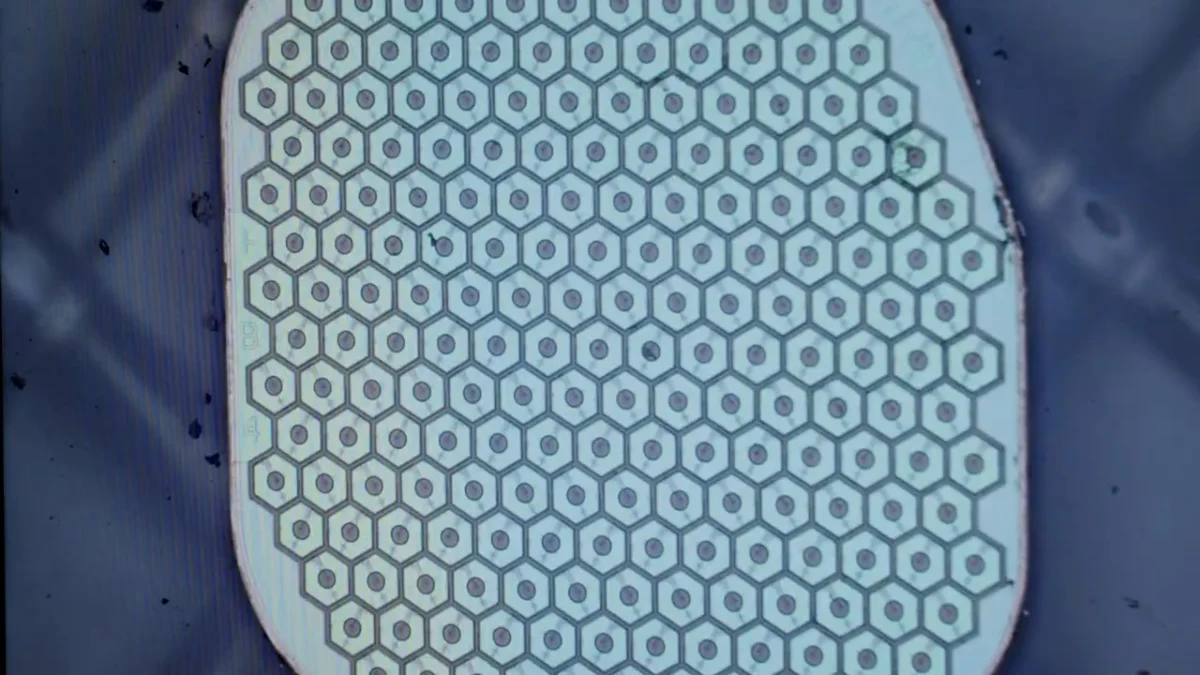
Dr. Murat Günel, the esteemed chair of Yale Medical School’s Department of Neurosurgery, has officially joined Science Corporation as a scientific adviser, marking the culmination of two years of intensive discussions. His immediate objective is to facilitate the surgical implantation of the first sensor for Science’s ambitious interface, a device uniquely designed to integrate lab-grown neurons with advanced electronics, directly into a patient’s brain. This strategic appointment and the imminent commencement of human trials signal a pivotal moment in the evolution of brain-computer interface technology, potentially ushering in a new era of neurological treatment and human augmentation.
Pioneering the Biohybrid Frontier: Science Corporation’s Vision
Science Corporation, established in 2021, is not merely another player in the burgeoning BCI landscape; it represents a distinct philosophical and technological departure from conventional approaches. The company’s core innovation lies in its "biohybrid" design, which aims to overcome the inherent limitations of purely electronic implants. Max Hodak, a co-founder of Neuralink alongside Elon Musk, departed from his previous venture with a refined vision: to forge reliable, long-term communication pathways between the human brain and computers, not only to treat debilitating diseases but also to explore the frontiers of human enhancement, such as the addition of novel senses.
Hodak’s career trajectory underscores this unwavering dedication. From his early days as a college student talking his way into a graduate neuroscience lab to founding his first biotech computing startup, his focus has consistently been on unraveling and leveraging the brain’s complex capabilities. His experience at Neuralink, while groundbreaking, led him to a critical conclusion: the conventional method of influencing the brain with electricity via metallic probes or electrodes, while achieving remarkable short-term results, often causes micro-damage to brain tissue. This damage, according to Dr. Günel, is likely to compromise device performance and longevity over time. This insight propelled the Science Corporation founding team towards a more organic and biologically integrated methodology.
"The idea of using natural connections through neurons and creating a biological interface between the electronics and the human brain is genius," Dr. Günel articulated in an interview with TechCrunch, highlighting the profound potential he sees in Science’s approach. This endorsement from a neurosurgical luminary underscores the scientific community’s growing interest in solutions that prioritize long-term biocompatibility and neural integration.
The Technological Leap: Lab-Grown Neurons and Light Stimulation
At the heart of Science Corporation’s biohybrid sensor is a sophisticated integration of cutting-edge biology and electronics. Alan Mardinly, a co-founder and the company’s chief science officer, has spearheaded the development of this revolutionary device with a dedicated team of 30 researchers. The final iteration of the sensor will be embedded with lab-grown neurons. These cultured neurons are designed to be stimulated by precise pulses of light, offering a potentially gentler and more targeted form of interaction with brain tissue compared to electrical stimulation. Crucially, these engineered neurons are intended to naturally integrate with the patient’s existing neural networks, forming a seamless bridge between the electronic components of the interface and the intricate biological machinery of the human brain.
The feasibility of this approach has already been demonstrated in preclinical studies. In 2024, Science Corporation released a working paper, published on bioRxiv, showcasing that the device could be safely implanted in mice and successfully used to stimulate brain activity. This crucial milestone provided initial validation for the core concept, paving the way for human trials. Currently, the company’s internal focus is on refining prototypes and meticulously developing protocols for growing neuron cells to the exacting standards required for medical use, a critical step for therapeutic applications.
Dr. Günel’s Strategic Role and the Path to Human Trials
Dr. Murat Günel’s appointment is instrumental in navigating the complex landscape of human clinical trials. His deep expertise in neurosurgery and extensive experience with medical ethics boards position him as a key figure in ensuring the safety and ethical rigor of the upcoming studies. He is actively advising Science Corporation’s team as they prepare their submissions and engage in discussions with the institutional review boards that oversee experiments involving human subjects.
The initial phase of the human trials will involve testing the company’s advanced sensor – specifically, the electronic component without the embedded lab-grown neurons – within a living human brain. This phased approach allows for a meticulous evaluation of the sensor’s safety and its efficacy in accurately measuring brain activity before introducing the more complex biohybrid elements.
A significant distinction from some other BCI devices, such as those developed by Neuralink, lies in the intended placement of Science Corporation’s sensor. Unlike devices inserted directly into brain tissue, Science’s sensor will be implanted inside the skull but designed to rest on top of the brain, rather than penetrating its delicate structures. This difference in implantation strategy is significant. The company argues that this less invasive placement, coupled with the tiny dimensions of the device – which packs 520 recording electrodes into an area roughly the size of a pea – poses no significant risk to patients. Consequently, Science Corporation states it does not plan to seek full FDA approval for these initial exploratory trials, believing the device falls outside the scope of higher-risk classifications that mandate such extensive regulatory oversight for early-stage studies. However, the broader regulatory path for any commercial product will undoubtedly involve rigorous FDA scrutiny.
The selection of patient candidates for these pioneering trials will be highly specific. The team plans to identify individuals who already require significant brain surgery for other medical conditions, such as stroke victims who need a piece of their cranium removed to alleviate brain swelling. In such cases, Dr. Günel anticipates placing the sensor on top of the patient’s cortex during the existing surgical procedure, allowing for simultaneous evaluation of its safety and its capability to measure brain activity without requiring an additional, separate invasive procedure.
Addressing Neurological Disorders: Beyond Symptom Management
If successful, Dr. Günel believes Science Corporation’s biohybrid device could offer novel and more effective treatments for a wide spectrum of neurological conditions. An early application could involve delivering gentle, localized electrical stimulation to damaged brain or spinal cord cells, potentially encouraging healing and functional restoration. A more advanced application might entail continuous monitoring of neurological activity in patients with brain tumors, providing early warnings of impending seizures or changes in brain function to caregivers and clinicians.
The true transformative potential, however, lies in its capacity to address conditions like Parkinson’s disease, a progressive neurodegenerative disorder that gradually strips patients of motor control and independence. Current treatment options for Parkinson’s include deep brain stimulation (DBS) with electrical implants and experimental brain cell transplants. While DBS can alleviate motor symptoms like tremors, it does not halt disease progression. Similarly, cell transplants are still in early stages and haven’t reliably stopped the disease’s advance.
Dr. Günel envisions the biohybrid system as a synergistic combination of these existing modalities. "I imagine this biohybrid system as combining those two – you have the electronics, and you have the biological system," he explained. "In Parkinson’s, for example, we cannot stop the progression of the disease; in neurosurgery, all we are doing is putting an electrode to stop the tremors. Whereas if you can really put the [transplanted] cells back in the brain, protect those circuits, there’s a chance, and I believe it’s a good chance, that we can stop progression of the disease." This perspective suggests a paradigm shift from merely managing symptoms to actively combating the underlying pathology of neurodegenerative conditions. The ability to integrate therapeutic cellular components with precise electronic monitoring and stimulation could fundamentally alter the treatment landscape.
Science Corporation’s Broader Trajectory and Financial Strength
Science Corporation’s ambitious BCI project is supported by substantial financial backing and a diversified product portfolio. Founded in 2021, the company recently completed a highly successful $230 million Series C fundraising round last month, which propelled its valuation to an impressive $1.5 billion. This significant investment underscores strong investor confidence in Hodak’s vision and the company’s technological capabilities, especially in a competitive and capital-intensive sector.
While the biohybrid BCI represents Science Corporation’s long-term, transformative goal, the company is also making strides with more immediate applications. Its most advanced product currently is PRIMA, a device designed to restore vision in individuals suffering from blindness caused by macular degeneration and similar conditions. Science acquired this promising technology in 2024 and has since aggressively advanced it through clinical trials. The company has ambitious plans to make PRIMA more widely available in Europe, pending regulatory approval, potentially as early as this year. This dual approach – pursuing both near-term commercial products and revolutionary long-term research – provides Science Corporation with both financial stability and a platform for continuous innovation.
The Broader BCI Landscape and Ethical Considerations
The brain-computer interface field is experiencing an unprecedented surge in research and development, with numerous organizations vying to unlock the brain’s secrets. Companies like Neuralink and others have demonstrated remarkable success in enabling patients with conditions such as ALS or spinal injuries to control computers or generate text merely by thought, utilizing implanted electronic sensors to detect brain activity. These achievements represent significant breakthroughs for individuals whose communication with the body has been severed.
However, the path to a widespread commercial market for these purely electronic devices remains complex and, as the original article notes, "murky." Regulatory challenges, the relatively small number of patients with applicable diagnoses for certain high-risk implants, and the long-term biocompatibility issues of metallic electrodes present substantial hurdles. This is precisely where Science Corporation aims to differentiate itself with its biohybrid approach, seeking to offer a more durable and biologically integrated solution.
The advent of biohybrid BCIs also brings with it profound ethical considerations. While the immediate focus is on therapeutic applications for severe neurological conditions, Hodak’s "bigger vision" extends to human enhancement. The ability to add entirely new senses or integrate biological and electronic systems raises questions about identity, autonomy, accessibility, and the very definition of being human. While these are long-term considerations, they underscore the need for careful ethical frameworks to evolve alongside the technology. Current discussions with medical ethics boards for the initial trials will primarily focus on patient safety and informed consent for therapeutic purposes, but the broader societal implications will inevitably become more prominent as the technology matures.
Challenges and the Road Ahead
Despite the immense promise, there is much work to be done before Science Corporation’s biohybrid BCI can realize its full potential. Growing neuron cells to meet stringent medical standards, ensuring long-term integration with host brain tissue without adverse immune reactions, and maintaining the stability and functionality of the electronic components over decades are formidable scientific and engineering challenges.
The timeline for widespread adoption of such advanced biohybrid systems is also a critical factor. While Dr. Günel’s involvement marks a significant step towards human trials, he candidly acknowledges that it would be "optimistic" to expect these trials to commence in 2027. The rigorous processes of regulatory review, patient recruitment, and careful execution of initial safety and efficacy studies will undoubtedly require meticulous planning and execution.
Nevertheless, the collaboration between Science Corporation and Dr. Murat Günel represents a bold leap forward in neurotechnology. By embracing a biohybrid approach that seeks to harmonize electronics with living neural tissue, Science Corporation is positioning itself at the forefront of a potential revolution in how we understand, interact with, and ultimately heal the human brain. The journey will be long and arduous, but the potential rewards – from restoring lost function to redefining human capabilities – are immeasurable.