George Chandra Eka
A groundbreaking study published by Harvard Medical School researchers in JAMA Network Open has revealed a concerning correlation: traffic fatalities in the United States experience a measurable surge in the immediate aftermath of major music album releases. The comprehensive analysis indicated a 15 percent increase in road deaths, translating to an estimated 182 additional fatalities across the ten album release days observed within the study’s timeframe. This alarming finding casts a new light on the pervasive issue of distracted driving, suggesting that the allure of new music, facilitated by readily accessible streaming services and increasingly complex in-car infotainment systems, may be contributing to a heightened risk on our roads.
Methodology Behind the Startling Discovery
The research team meticulously examined 233,809 fatal collisions that occurred between 2017 and 2022, drawing upon publicly available data from the federal Fatality Analysis Reporting System (FARS). FARS, maintained by the National Highway Traffic Safety Administration (NHTSA), is a national database that provides information on all crashes occurring on public roadways that result in the death of a person within 30 days of the crash. This robust dataset allowed researchers to establish a baseline incidence rate for car accidents.
To identify periods of heightened musical interest, the study cross-referenced this crash data with Spotify’s daily streaming charts. The researchers specifically focused on ten albums that achieved the highest single-day streaming numbers during the study period, featuring releases from global music titans such as Taylor Swift and Drake. These artists command immense fanbases and their album drops often become significant cultural events, driving unprecedented levels of engagement across digital platforms. The analysis revealed a staggering 43 percent surge in nationwide music streaming activity on the first day of these major album releases, indicating a widespread increase in listener interaction with music platforms.
By comparing the incidence rate of fatal crashes on these specific album release days against the 10 days immediately preceding and following each release, the researchers were able to isolate the effect. The consistency of the 15 percent increase across these distinct events, resulting in approximately 18.2 excess deaths for each day when music streaming activity surged, points towards a significant and statistically relevant correlation. While the study acknowledges it cannot definitively prove that smartphone use or music streaming was directly responsible for every single one of these fatalities, the strong correlation suggests a causal link where drivers, compelled by the novelty of new music, are more likely to interact with their phone’s music controls or in-car infotainment systems, diverting their attention from the primary task of driving.
Unpacking the Nuances: Beyond Conventional Distractions
What makes these findings particularly intriguing are the specific circumstances under which these increased fatalities occurred. Distracted driving is generally understood to be exacerbated by challenging conditions, such as nighttime driving, inclement weather, or impaired states. However, the Harvard study unearthed a counterintuitive pattern: fatal accidents linked to increased music streaming activity were far more likely to occur on days with clear weather conditions. Neither night-time driving nor poor weather appeared to significantly increase accident rates on these album release days. This suggests a different psychological mechanism at play, where drivers might be letting their guard down in what they perceive as safer, calmer driving environments.
Further supporting this theory was the observation regarding driver sobriety. Sober drivers experienced an adjusted surge of 13.9 excess fatalities on album release days, whereas collisions involving alcohol consumption showed no such increase. This data implies that drivers who are already operating under altered states or in high-risk conditions may not be significantly more distracted by new music, perhaps because their attention is already compromised or their driving behaviors are already outside the norm. Conversely, typically attentive drivers in routine, clear-condition scenarios might be more susceptible to the novel distraction of a new album.
The demographic analysis also provided critical insights. Young and male drivers emerged as the single largest demographic group to see an uptick in fatal collisions, with male drivers specifically experiencing an additional 13.5 deaths on release days. This demographic is often associated with higher rates of distracted driving incidents and a greater propensity for risk-taking behavior. Additionally, single-occupant drivers were found to be more likely to be involved in life-endangering accidents. The absence of a passenger who could handle music controls, navigate, or simply engage the driver in conversation removes a potential layer of safety and vigilance, leaving the driver solely responsible for managing both the vehicle and any external distractions.
These findings contribute to a growing body of evidence highlighting the multifaceted nature of distracted driving. While texting and talking on the phone remain major culprits, the study illuminates a more subtle, yet equally dangerous, form of cognitive distraction driven by cultural phenomena and technological advancements.
The Evolving Threat: Modern Car Infotainment Systems
The study strongly implicates modern car infotainment systems as a significant amplifier of distracted driving and, potentially, a direct cause of these increased fatalities. The automotive industry has undergone a radical transformation in recent years, with physical buttons and dials increasingly replaced by large, multi-touch screens that mimic the functionality of smartphones and tablets. These sophisticated systems offer an array of features, from navigation and climate control to comprehensive media libraries and app integration.
While ostensibly designed for convenience and connectivity, the researchers posit that these systems might inadvertently lower the barrier for interaction, lulling drivers into a false sense of security. The perception that an infotainment system, integrated into the car’s dashboard, is somehow safer to operate than a handheld smartphone can be misleading. Even with the integration of advanced voice assistants like Siri and Gemini, and interfaces designed to be simpler to navigate than a smartphone, the sheer volume of information and options presented on these screens can be overwhelming. The natural human impulse to browse, select, or skip tracks, especially when encountering unfamiliar new music, requires visual and cognitive attention that can be critically diverted from the road.
When a new album drops, the unfamiliarity of the tracklist, the desire to hear the next song, or the urge to check details like track titles or elapsed time can compel drivers to glance away from the road for extended periods. This brief lapse in attention, even for a few seconds, can be catastrophic, particularly at highway speeds where a vehicle covers significant distances in a very short time. The study’s estimate that drivers are nearly twice as likely to be involved in a fatal crash on album release days underscores the profound impact these seemingly innocuous interactions can have.
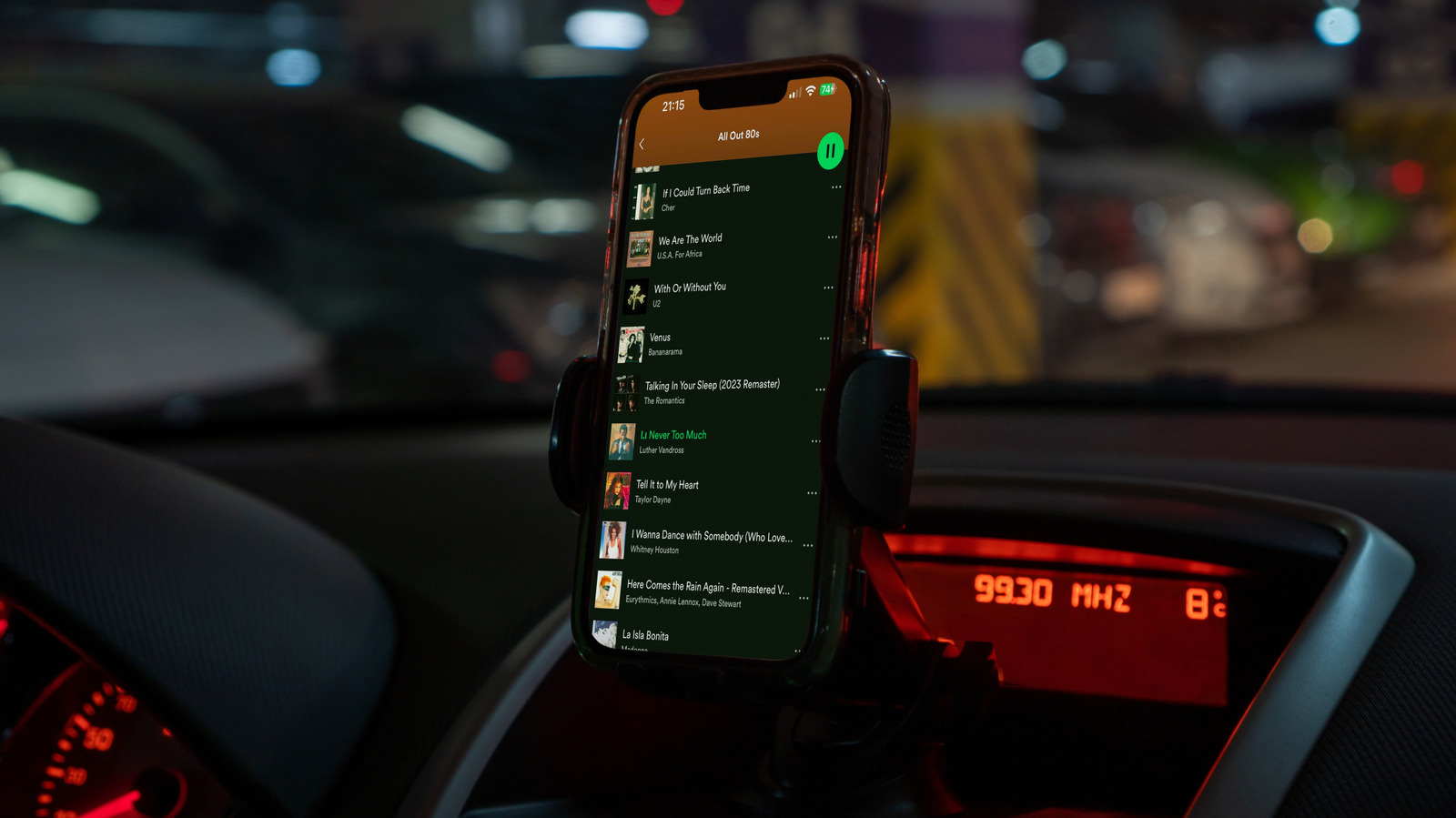
This concern is not new. The National Highway Traffic Safety Administration (NHTSA) has long warned against the dangers of any activity that diverts a driver’s attention, whether visual, manual, or cognitive. The increasing complexity of in-car systems presents a unique challenge, as they integrate deeply into the driving experience, making it harder for drivers to resist interaction.
Industry Backlash and the Push for Physical Controls
The findings of the Harvard study resonate with a growing public backlash against screen-heavy car interiors. Consumers and safety advocates alike have voiced concerns that the proliferation of touchscreens for essential vehicle functions compromises safety and usability. This sentiment has begun to force the hand of the auto industry, prompting a notable shift in design philosophy among several major manufacturers.
For instance, companies like Volkswagen and Hyundai have publicly acknowledged these concerns and are backtracking on their previous wholesale embrace of touchscreen-only interfaces. Volkswagen, in particular, has announced plans to reintroduce more physical buttons and tactile controls in its upcoming models, recognizing that drivers often prefer the intuitive, "eyes-off" operation that physical controls provide for critical functions like volume, climate, and driving modes. Similarly, luxury brands known for their cutting-edge technology, such as Porsche and Mercedes-Benz, have also started reintroducing physical buttons and rockers for essential controls, blending digital sophistication with ergonomic practicality. This strategic pivot reflects an understanding that while technology can enhance the driving experience, it must not compromise safety or user-friendliness.
This shift is not merely anecdotal; it is supported by hard data. A recent JD Power survey of new car owners, which assesses initial quality and user satisfaction, revealed that a significant 46 percent of driver-reported distractions originated from the infotainment system or built-in touchscreen. This statistic provides compelling evidence that the problem is widespread and directly linked to the design of modern vehicle interfaces. Manufacturers shifting back to physical controls should, hopefully, contribute to bringing that figure down, but the ultimate responsibility for safe driving remains with the individual behind the wheel.
Broader Implications for Road Safety and Driver Behavior
The study’s findings carry significant implications for public health and road safety policy. Firstly, it highlights the need for targeted public awareness campaigns. While general campaigns against distracted driving are ubiquitous, there may be a case for specific messaging around periods of high cultural engagement, such as major album releases, or when drivers are interacting with new or unfamiliar media content in their vehicles. Educating drivers about the subtle yet profound risks associated with even momentary distraction during these times could save lives.
Secondly, the research underscores the ongoing challenge of regulating and designing safer in-car technologies. As vehicles become increasingly connected and autonomous features evolve, the balance between technological advancement and driver safety must be continuously re-evaluated. This could lead to discussions around industry standards for infotainment system design, potentially influencing how features are presented, how much interaction they demand, and whether certain functions should be locked out when the vehicle is in motion. Regulatory bodies like NHTSA might consider incorporating these findings into their guidelines for vehicle safety and driver assistance systems.
The economic cost of traffic accidents is staggering, encompassing medical expenses, lost productivity, property damage, and insurance premiums. An additional 182 fatalities, and potentially many more non-fatal injuries and property damage incidents, represent a substantial societal burden. Any measure that can mitigate this increase, however niche its apparent cause, warrants serious consideration.
Ultimately, while external factors and technological designs play a role, the responsibility for safe driving fundamentally rests with each individual. The study serves as a potent reminder that even seemingly innocuous activities, like enjoying new music, require conscious management when behind the wheel. Drivers are urged to pre-select playlists, utilize voice commands judiciously, or, ideally, have a passenger manage media controls, especially when new and unfamiliar content is being introduced. The psychological pull of novelty and the desire for immediate gratification are powerful human traits, but their indulgence must be tempered by an unwavering commitment to road safety.
Study Limitations and Future Research Directions
The researchers, while confident in their findings, were careful to note the inherent limitations of their observational study. They acknowledged that they could not definitively prove a direct causal link between specific smartphone interactions or music streaming events and individual fatalities. While adjustments were made for confounding variables such as holiday travel, seasonal variations, and weekend driving patterns, other unobserved variables could potentially influence the correlation. For instance, the general excitement or social buzz surrounding a major album release might contribute to a heightened state of distraction or even altered driving behaviors in ways not directly tied to in-car media interaction.
Despite these limitations, the strong statistical correlation observed across multiple album releases provides compelling evidence that cannot be dismissed. The study serves as a critical catalyst for further research, suggesting several avenues for future investigation. These could include more granular analyses of specific types of phone interactions during driving, the impact of different music genres or tempos on driver attention, and the efficacy of various infotainment system designs in mitigating distraction. Controlled experiments with driving simulators could offer a more direct examination of causal links between new music interaction and driving performance.
In conclusion, the Harvard Medical School study offers a stark, data-driven warning: the joy of discovering new music, a seemingly harmless pleasure, can inadvertently contribute to a measurable increase in tragic road fatalities. As our lives become increasingly intertwined with digital media and our vehicles evolve into connected hubs, understanding and mitigating these subtle yet significant sources of distraction will be paramount to enhancing road safety for everyone.