Metty Iskandar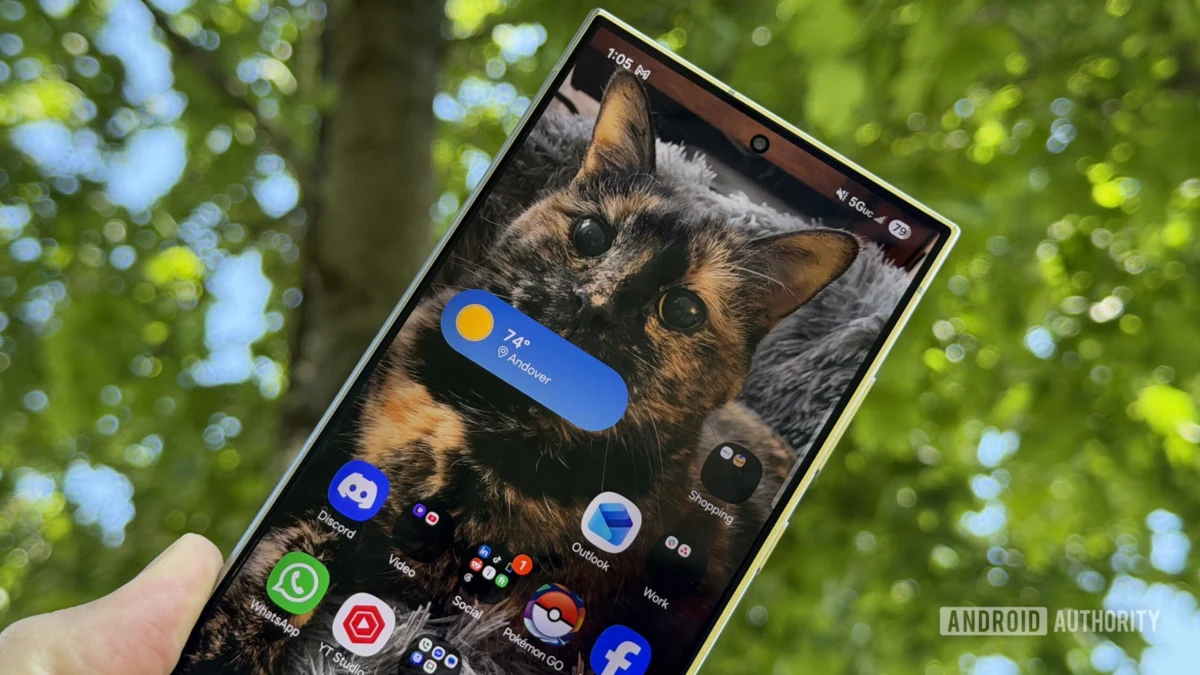
The recent unveiling of the Pixel 11 Pro has ignited a discourse surrounding Google’s strategy for encouraging consumer upgrades, moving beyond traditional hardware specifications to emphasize an "experience-driven" model centered on artificial intelligence. While the Pixel line has historically appealed to a specific segment of Android enthusiasts, the latest iterations suggest a broader shift in how Google intends to engage the mainstream smartphone market. This evolution, characterized by a focus on AI capabilities powered by proprietary chipsets, raises questions about the longevity of older devices and the potential for subscription-based access to advanced features.
Pixel 11 Pro: A Price Hike and a RAM Reduction
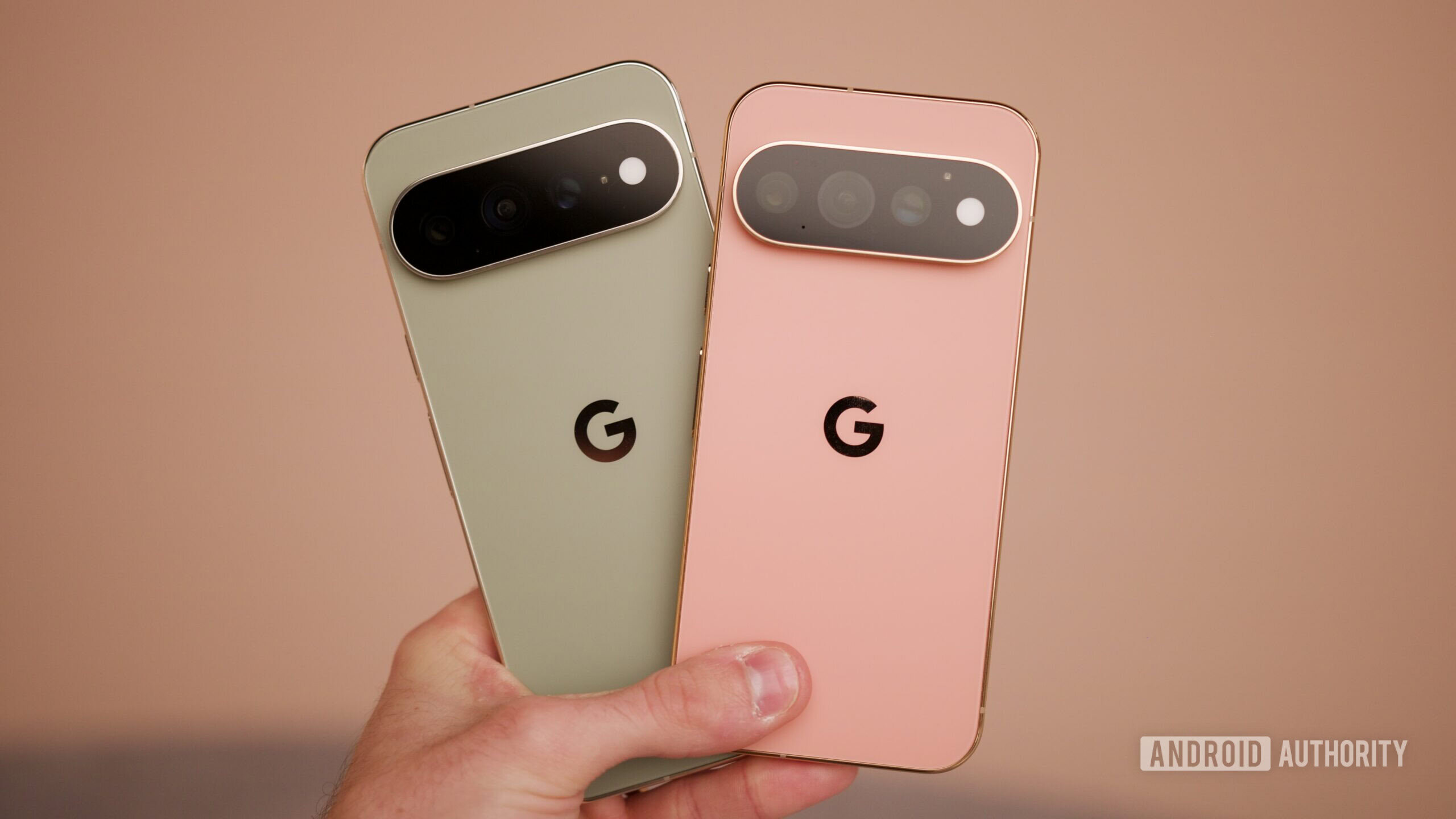
One of the immediate points of contention following the Pixel 11 Pro announcement was the increase in the flagship phone’s price. This price adjustment was coupled with a reduction in RAM for the base Pro models. While Google asserts that 12GB of RAM is sufficient for current user experiences, the decision to charge more for what some perceive as less has drawn criticism. This move, combined with the emphasis on AI-driven functionalities, indicates a strategic pivot by Google. The company appears to be less reliant on raw specifications to drive sales and more focused on showcasing the unique capabilities enabled by its Tensor chipsets, particularly their advanced AI processing units (TPUs).
The AI Imperative: Selling an Experience, Not Just Hardware
Google’s strategy for the Pixel 11 Pro and future devices appears to be centered on delivering an AI-powered experience rather than solely competing on hardware benchmarks. The company dedicated significant attention to the improved TPU performance of the Tensor G6 chipset, highlighting new features like "Rambler." This AI tool is designed to transcribe spoken thoughts into coherent text, demonstrating Google’s continued investment in sophisticated natural language processing. The impressive demonstrations of Rambler suggest that Google aims to leverage its strengths in AI and machine learning to differentiate its devices.
This focus on AI capabilities, however, has a significant implication for older Pixel models. When new features are explicitly tied to chipset improvements, it creates a convenient justification for Google to withhold these advancements from devices not equipped with the latest hardware. This pattern was observed with the Tensor G5 and features like "Magic Cue" in previous generations. The exclusion of such functionalities from older, yet still capable, devices raises concerns about planned obsolescence and the value proposition for consumers who invested in previous Pixel generations. The argument that a custom-designed SoC, built with AI in mind, cannot support the company’s latest AI features less than a year after its release undermines the initial rationale for developing proprietary hardware.
A Broader Industry Trend: The AI Upgrade Cycle
The strategy of tying advanced features to newer hardware is not unique to Google. This approach reflects a broader industry trend as smartphone manufacturers grapple with a market where hardware innovation has plateaued, and consumers are holding onto their devices for longer periods. The increasing power of mobile processors means that most devices are more than capable of handling everyday tasks, from social media browsing to demanding applications, for several years. Enhanced RAM and extended software support further contribute to device longevity, reducing the perceived need for frequent upgrades.
Camera technology, once a primary driver of smartphone upgrades, has also reached a point of diminishing returns for many consumers. Computational photography has significantly improved image quality across a wide range of devices, making it challenging to differentiate new models solely on their camera prowess. Even budget-friendly smartphones now offer competent camera systems in favorable lighting conditions. Consequently, manufacturers are actively seeking new avenues to incentivize consumers to purchase newer devices. Artificial intelligence, with its potential for transformative applications, has emerged as a key battleground in this quest.
Samsung’s Precedent: Galaxy AI and the Snapdragon Debate
Samsung’s experience with the Galaxy S24 Ultra provides a relevant case study. Initially, the company faced criticism for stating that Galaxy AI features would not be available on the S24 Ultra, citing a lack of the Snapdragon 8 Elite chipset. This explanation was met with skepticism, as the Snapdragon 8 Gen 3, present in the S24 Ultra, was considered a highly capable processor. The justification that a high-end chipset from less than a year prior was suddenly insufficient for cutting-edge AI features fueled perceptions of artificial limitations designed to drive hardware sales.
This situation highlights the delicate balance manufacturers must strike between showcasing technological advancements and ensuring customer satisfaction. While the performance gains from newer chipsets can be substantial, the marketing of AI features as exclusive to specific hardware can alienate existing users and erode trust. The long-term implications of such strategies could lead to increased consumer skepticism and a demand for more transparent upgrade paths.
Google’s Mitigation Strategies: Cloud Computing and Feature Rollouts
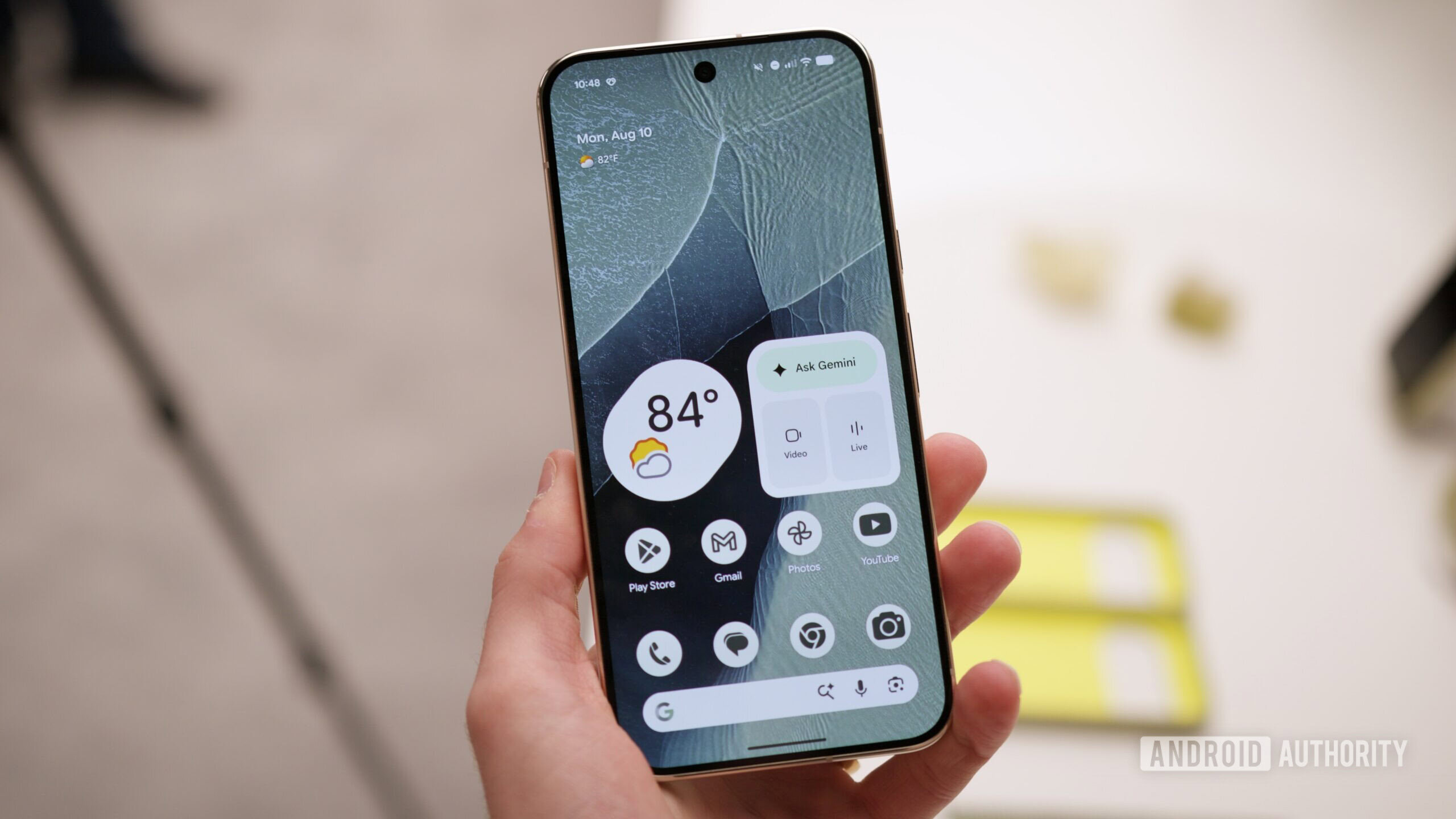
Google has previously employed workarounds to extend AI capabilities to older devices. The Pixel 8, for instance, was initially not slated to receive Gemini Nano due to RAM limitations. However, Google eventually provided some AI functionality through cloud-based processing. While this approach offered a solution for users who wished to experience the new features, it came with drawbacks: slower performance, reduced security, and potentially less refined results compared to on-device processing. Nevertheless, it demonstrated Google’s willingness to explore alternative methods for delivering AI benefits to a wider user base.
The advancements in cloud computing and the increasing integration of AI across various services suggest that more sophisticated cloud-based AI features could be delivered to older devices. Features like Magic Cue and other AI advancements have found their way to devices they were not originally intended for, often through software updates that leverage cloud infrastructure. This trend offers a glimmer of hope that Google might avoid a purely hardware-gated approach to its latest AI innovations.
The Specter of Subscription Models and the Future of Ownership
The current trajectory raises concerns about a future where accessing the latest AI functionalities on Pixel phones might require a subscription. The model of paying for firmware updates, as seen with some hardware devices like Cricut machines, where the physical hardware remains the same but its capabilities are enhanced through paid updates, is a potential scenario. Google could potentially introduce a Google One subscription tier or a similar package that unlocks advanced Gemini functionality for older devices. Alternatively, the pressure to upgrade to a new phone to access these features could become significant.
The appeal of AI features like Rambler lies in their ability to provide tangible benefits without requiring deep technical knowledge. The prospect of a tool that can effortlessly transform rambling thoughts into polished communication is attractive to a broad audience. As Google continues to define the Pixel experience through increasingly useful AI applications, consumers may find themselves compelled to upgrade their devices much sooner than they would have in the past, driven by the desire to access these cutting-edge functionalities.
Google may attempt to soften the financial impact of these upgrades through attractive trade-in offers or financing options. However, the underlying trend suggests a move towards a model where consumers feel increasingly pressured to "lease" their phones to consistently access the latest features. This shift towards a subscription-based or perpetually upgrading model for core functionalities is a concerning development for smartphone ownership and could fundamentally alter the consumer-manufacturer relationship in the coming years. The industry’s reliance on AI as a key differentiator is reshaping upgrade cycles, and consumers must remain vigilant about the long-term implications for device longevity and affordability.