Clarissa Hana
The Cybersecurity and Infrastructure Security Agency (CISA) has issued a critical directive, mandating that all U.S. federal civilian executive branch (FCEB) agencies immediately address a severe security vulnerability within the Zimbra Collaboration Suite (ZCS). This directive, stemming from the agency’s recognition of the flaw as actively exploited in the wild, requires agencies to implement the necessary patches within a stringent three-day window, setting August 24th as the deadline for compliance. The vulnerability, identified as CVE-2026-73570, poses a significant risk of remote code execution, enabling unauthenticated attackers to compromise sensitive systems.
The Nature of the Threat: CVE-2026-73570 Explained
The newly identified vulnerability, CVE-2026-73570, lies within the SNMP (Simple Network Management Protocol) monitoring component of the Zimbra Collaboration Suite. Researchers have detailed that the flaw arises from "improper sanitization of untrusted input during SNMP notification processing." This means that when an attacker sends specially crafted SNMP requests to a vulnerable Zimbra system where SNMP notifications are enabled, the system fails to adequately validate the incoming data. This oversight allows for a command injection weakness, effectively granting an unauthenticated attacker the ability to execute arbitrary operating system commands with the privileges of the Zimbra user. The implications of such a breach are far-reaching, potentially leading to complete system compromise, data exfiltration, or the deployment of further malicious tools.
Zimbra Collaboration Suite is a widely adopted enterprise-grade platform that offers email, calendaring, contacts, and collaboration tools. Its popularity spans across hundreds of millions of users globally, including a significant number of government agencies, educational institutions, and businesses of all sizes. This broad deployment footprint makes any critical vulnerability within the platform a matter of national security concern, particularly when actively exploited.
Chronology of Discovery and Escalation
The urgency surrounding CISA’s directive is underscored by a rapid escalation of awareness regarding CVE-2026-73570. The vulnerability first came to the attention of the broader cybersecurity community when CERT Polska, the Polish Computer Emergency Response Team, issued an alert last Monday, flagging that the flaw was already being targeted in active attacks. This initial warning served as a critical catalyst, prompting further investigation and verification by cybersecurity entities worldwide.
Following CERT Polska’s alert, CISA confirmed the severity of the situation. On Friday, August 21st, CISA officially added CVE-2026-73570 to its catalog of Known Exploited Vulnerabilities (KEV). This inclusion in the KEV catalog signifies that CISA has credible evidence of active exploitation and that the vulnerability poses a substantial risk to U.S. federal networks. The subsequent issuance of Binding Operational Directive (BOD) 23-02, which mandates the patching of all vulnerabilities listed in the KEV catalog within specified timeframes, directly led to the three-day ultimatum for Zimbra users.
Supporting Data and Scope of Exposure
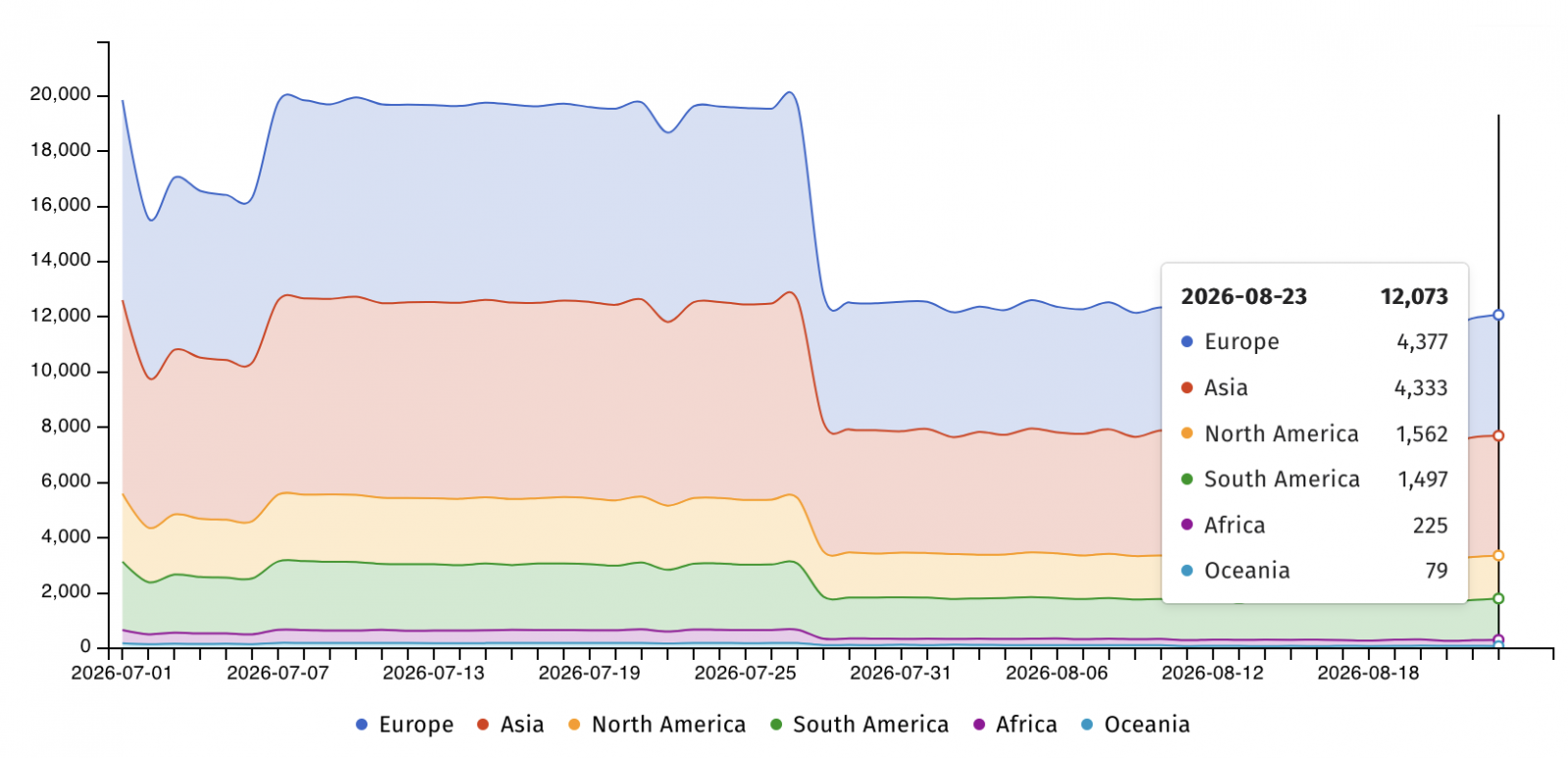
The potential impact of CVE-2026-73570 is amplified by the sheer number of Zimbra servers exposed to the internet. Threat intelligence provider Shadowserver has been instrumental in tracking the global exposure of these systems. Their data indicates that more than 12,000 Zimbra servers are currently accessible online. While this figure represents the total number of exposed servers, it is important to note that not all of these are necessarily vulnerable. Some may be running patched versions of the software, or they might be honeypots intentionally deployed to detect malicious activity. However, the large number still presents a substantial attack surface.
Further alarming data emerged from Shadowserver’s recent investigations. On Monday, August 24th, the organization announced it had identified over 270 compromised Zimbra Collaboration Suite instances while specifically searching for exploitation artifacts related to CVE-2026-73570. This finding provides concrete evidence that attackers are not only aware of the vulnerability but are actively exploiting it to gain unauthorized access to these systems. The presence of these compromised instances suggests that the attacks have been ongoing for some time, potentially predating the widespread public awareness of the vulnerability.
The Zimbra security team, in response to the escalating threat, had already released a patch for CVE-2026-73570. This patch was incorporated into Zimbra Collaboration Suite version 10.1.20, which was made available on July 20th. The proactive release of the patch by Zimbra highlights the company’s commitment to security, but it also underscores the critical need for timely application of these updates by all users.
Official Responses and Mitigation Efforts
CISA’s directive is a clear indication of the U.S. government’s proactive stance on cybersecurity threats. By mandating immediate patching, CISA aims to prevent a potential wave of successful attacks that could compromise sensitive government data and infrastructure. The inclusion of CVE-2026-73570 in the KEV catalog is a significant step, as it triggers immediate action for federal agencies.

While CISA has not publicly disclosed details about the ongoing attacks, the Polish CERT team has provided actionable guidance for security professionals to detect potential compromises. They recommend that organizations review their system logs for unusual activity, such as unexpected restarts of the Zimbra service. Additionally, they advise checking for the creation of suspicious files within specific directories known to be targeted by attackers. These directories include /opt/zimbra/jetty/webapps/, /opt/zimbra/jetty_base/webapps/, and /tmp/, particularly if these files were created by the zimbra user within the last 30 days. This proactive threat hunting advice is crucial for organizations to identify and remediate any breaches that may have already occurred.
The urgency of the situation cannot be overstated. The three-day deadline set by CISA for federal agencies reflects the real-time nature of cyber threats and the critical need for rapid response to mitigate immediate risks. Failure to comply with such directives can result in significant security incidents, leading to data breaches, service disruptions, and reputational damage.
Broader Implications and Historical Context
The targeting of Zimbra Collaboration Suite by malicious actors is not a new phenomenon. This latest vulnerability, CVE-2026-73570, adds to a growing list of security issues that have plagued the platform in recent years, making it a frequent target for sophisticated threat actors. This history of exploitation suggests that Zimbra’s architecture or its widespread use by organizations holding valuable data makes it an attractive target for espionage, data theft, and disruption.
In March of this year, Seqrite Labs reported that APT28, a state-sponsored threat group with links to Russia’s military intelligence service, was exploiting a stored cross-site scripting (XSS) vulnerability in Zimbra. These attacks were specifically aimed at Ukrainian government ZCS servers, underscoring the geopolitical implications of these cyber threats.
Furthermore, in October 2024, U.S. and UK cyber agencies issued a joint warning regarding APT29, also known as Midnight Blizzard and Cozy Bear, a group associated with Russia’s Foreign Intelligence Service. APT29 was reportedly targeting Zimbra servers, along with TeamCity servers, using a flaw that had previously been exploited to steal email account credentials. This persistent targeting by well-resourced state-sponsored groups highlights the enduring appeal of Zimbra as an entry point for cyberespionage operations.
More recently, the "Russian Winter" campaign saw cyber spies identified as Vivern abusing a reflected XSS vulnerability in Zimbra webmail portals. Their objective was to steal emails belonging to individuals and organizations affiliated with NATO, demonstrating the platform’s role in facilitating intelligence gathering for various state actors.
The consistent exploitation of Zimbra vulnerabilities by diverse threat actors, including nation-state sponsored groups, raises important questions about the platform’s security posture and the diligence of its users in maintaining up-to-date security measures. While Zimbra provides security patches, the responsibility ultimately lies with individual organizations to implement these updates promptly and effectively. The current situation with CVE-2026-73570 serves as a stark reminder that even a single, actively exploited vulnerability can have widespread consequences, especially when it affects critical infrastructure and government systems.
The implications of this ongoing trend are significant. For organizations utilizing Zimbra, it necessitates a robust vulnerability management program that prioritizes timely patching and continuous monitoring. For cybersecurity agencies like CISA, it highlights the persistent challenge of tracking and mitigating threats across a vast and complex digital landscape. The continuous emergence of new vulnerabilities and their rapid exploitation in the wild underscore the need for ongoing vigilance, advanced threat intelligence, and a collaborative approach between software vendors, cybersecurity researchers, and government agencies to safeguard critical digital assets. The race against time to patch CVE-2026-73570 is a microcosm of the broader cybersecurity battle, where swift and decisive action can mean the difference between security and compromise.