Clarissa Hana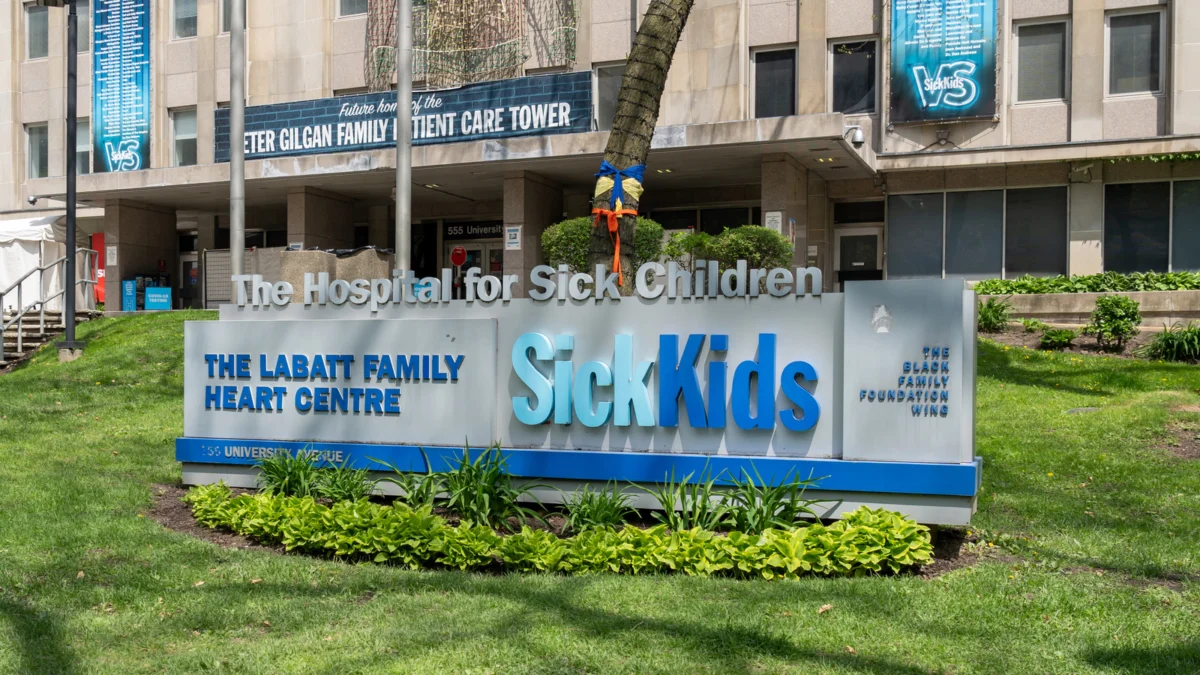
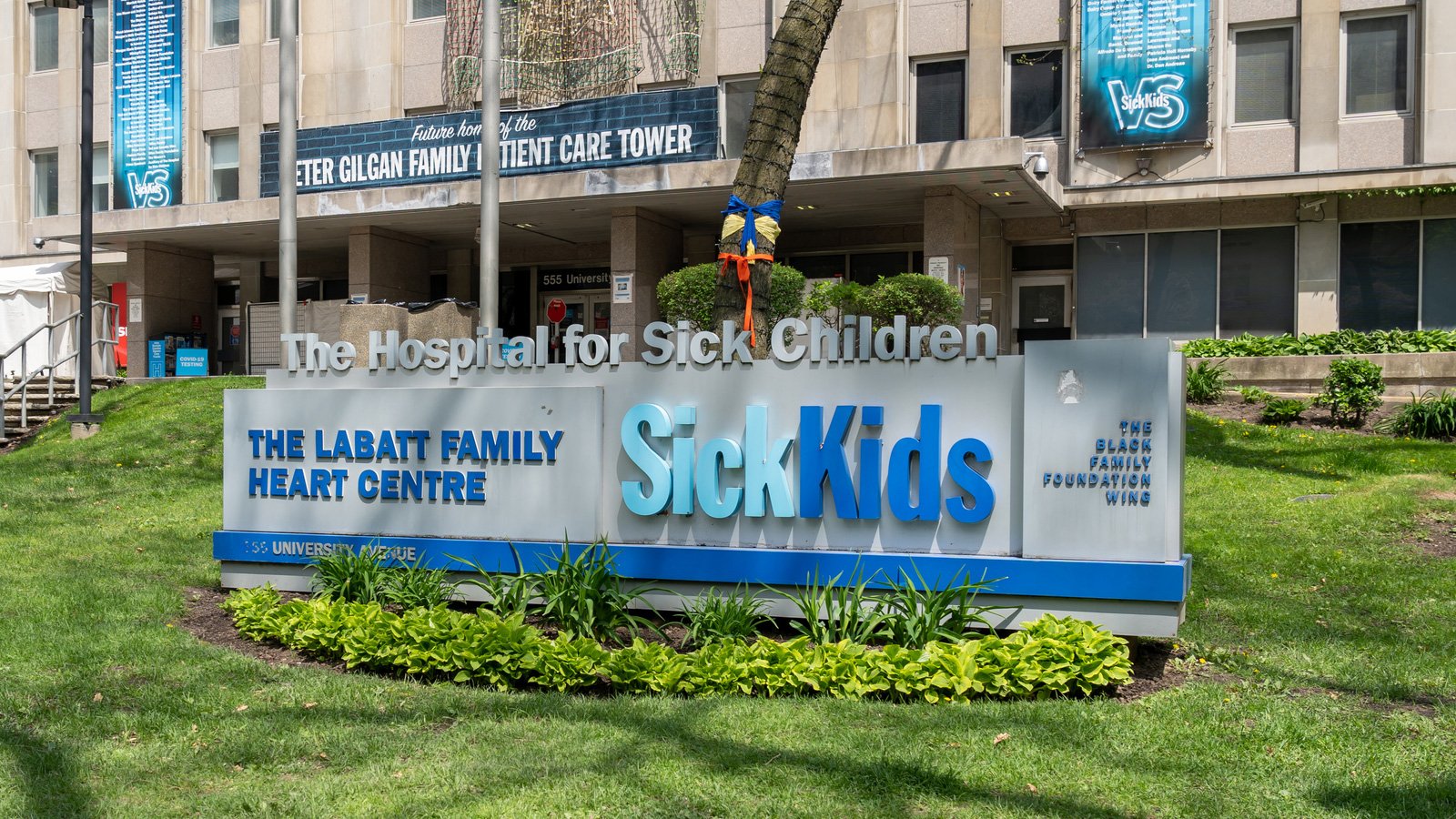
The Hospital for Sick Children (SickKids) has announced a significant cybersecurity incident that has resulted in the unauthorized access of personal information belonging to current and former employees, as well as job applicants. The breach, disclosed this week, is attributed by the Toronto-based pediatric hospital to a vulnerability within a third-party software application utilized by the institution. While the hospital has emphasized that clinical systems and patient records remain unaffected, its public-facing Careers website was temporarily taken offline as a precautionary measure.
Incident Unveiled: Scope and Immediate Actions
SickKids revealed the breach in a statement this week, detailing that the incident led to unauthorized access to employee data. The hospital attributes the compromise to a flaw in a third-party software application, which it notes is used by SickKids and potentially other organizations. This suggests the possibility of a wider cyberattack targeting users of the same product, although the vendor, the specific application, and the identified vulnerability (CVE) have not yet been publicly disclosed by the hospital.
In response to the incident, the external Careers website, which serves as the primary portal for prospective employees, was temporarily suspended. However, the hospital has confirmed that the site has since been "safely restored." Crucially, SickKids has reiterated that its core clinical systems and all patient information were not compromised, and patient care has continued without disruption.
Upon learning of the breach, SickKids initiated a comprehensive investigation, enlisting the assistance of external cybersecurity experts to thoroughly assess the situation. The preliminary findings of this investigation indicate that personal information pertaining to current and former employees of SickKids, Boomerang (a pediatric clinic owned by SickKids), and the SickKids Foundation, as well as individuals who applied for positions at the hospital, may have been exposed.
At this time, the hospital has not specified the exact categories of personal data that were compromised, nor has it released an estimated number of individuals affected or the precise timeframe of the intrusion. The review of the impacted information is ongoing, and the hospital has committed to directly notifying all individuals who are confirmed to have been affected by the breach.
Out of an abundance of caution, SickKids has proactively alerted all individuals potentially impacted by the incident. Furthermore, the hospital is offering 24 months of complimentary credit monitoring and identity protection services to those affected, a measure designed to mitigate the potential risks associated with compromised personal data.
The Allure of Applicant Data
Job application portals, like the one operated by SickKids, represent a particularly attractive target for cybercriminals. These platforms often contain a wealth of sensitive personal information that applicants routinely submit, including full names, home addresses, phone numbers, detailed employment histories, and, in some jurisdictions, government-issued identifiers. This data can be exploited for various malicious purposes, ranging from identity fraud to the creation of sophisticated social engineering schemes aimed at hospital staff. The aggregation of such information makes these portals a rich repository for data thieves looking to profit or gain unauthorized access.
A History of Cybersecurity Challenges
This latest incident is not the first publicly known security challenge faced by the Hospital for Sick Children in recent years, underscoring a persistent vulnerability within the healthcare sector.
December 2022 Ransomware Attack: In a notable event in December 2022, SickKids fell victim to a ransomware attack. This incident caused significant disruption to internal hospital systems, impacted hospital phone lines, rendered its website inaccessible, and led to delays in the processing of laboratory and imaging results. The LockBit ransomware gang, responsible for the attack, later issued a rare public apology, stating that the affiliate involved had violated its internal policies by encrypting a medical institution. The group provided a free decryptor, although this occurred after the hospital had spent nearly two weeks manually restoring its systems.
September 2023 MOVEit Transfer Breach: More recently, in September 2023, SickKids was among several Ontario healthcare providers affected by a data breach originating from a third-party organization with which it shares perinatal and child health data. This breach stemmed from the mass exploitation of a zero-day vulnerability in the MOVEit Transfer file transfer software (identified as CVE-2023-34362). The incident resulted in the exposure of information for approximately 3.4 million individuals, including names, home addresses, dates of birth, and health card numbers.
Broader Implications for the Healthcare Sector
The healthcare industry continues to be a prime target for both ransomware gangs and data extortion groups. Hospitals, and particularly pediatric hospitals, possess decades’ worth of highly sensitive patient records. This extensive and valuable data trove makes them exceptionally attractive targets for attackers, regardless of any purported ethical guidelines that criminal operations might claim to observe.
The reliance on third-party software in the healthcare ecosystem, while often necessary for operational efficiency and technological advancement, introduces inherent risks. Vulnerabilities in these external applications can create widespread attack vectors, affecting multiple organizations simultaneously. The fact that SickKids attributes this latest breach to a third-party software flaw highlights the critical need for robust vendor risk management and stringent cybersecurity protocols throughout the supply chain.
Supporting Data on Healthcare Cyberattacks:
According to various industry reports, the healthcare sector consistently ranks among the most targeted industries for cyberattacks. For instance, a recent analysis indicated that healthcare data breaches in the United States cost an average of $10.10 million per incident in 2023, significantly higher than the average cost across all industries. These breaches often involve the theft of Protected Health Information (PHI), which is highly valuable on the dark web due to its sensitive nature and potential for long-term exploitation.

The increasing sophistication of cyber threats, coupled with the critical nature of healthcare services, places immense pressure on healthcare organizations to maintain resilient security postures. The financial and reputational damage from such breaches can be substantial, impacting patient trust and operational continuity.
Analysis of the Impact
The exposure of employee and applicant data, even without direct impact on patient records, carries significant implications. For individuals affected, the compromise of personal information can lead to identity theft, financial fraud, and considerable personal distress. The offering of credit monitoring and identity protection services by SickKids is a crucial step in mitigating these risks, but the long-term effects of data exposure can be far-reaching.
From an organizational perspective, repeated cybersecurity incidents can erode public trust and confidence in an institution’s ability to safeguard sensitive information. For a renowned pediatric hospital like SickKids, maintaining the highest standards of data security is paramount to its mission of providing care and conducting research.
The incident also underscores the broader challenge of securing interconnected digital ecosystems. As healthcare providers increasingly rely on cloud-based services and third-party vendors, the attack surface expands, necessitating a more holistic and proactive approach to cybersecurity. This includes not only strengthening internal defenses but also ensuring that all partners and vendors adhere to rigorous security standards.
Future Considerations and Recommendations
The ongoing investigation by SickKids and external experts is vital for understanding the full scope of the breach and for implementing appropriate remediation measures. The eventual identification of the third-party vendor and the specific software vulnerability will be crucial for preventing similar incidents in the future, not only for SickKids but for other organizations utilizing the same technology.
Healthcare institutions are strongly advised to:
- Conduct Regular Vendor Risk Assessments: Thoroughly vet all third-party vendors and service providers to ensure they meet robust cybersecurity standards.
- Implement Strong Access Controls: Enforce the principle of least privilege, granting access to sensitive data only on a need-to-know basis.
- Invest in Advanced Threat Detection and Response: Deploy sophisticated security technologies capable of identifying and responding to evolving cyber threats in real-time.
- Provide Continuous Cybersecurity Training: Regularly educate employees on cybersecurity best practices, phishing awareness, and incident reporting procedures.
- Develop and Test Incident Response Plans: Maintain up-to-date incident response plans and conduct regular drills to ensure preparedness for cyber events.
- Prioritize Data Encryption: Encrypt sensitive data both in transit and at rest to protect it even if unauthorized access occurs.
The persistent threat landscape faced by healthcare organizations demands a proactive, layered, and continuously evolving approach to cybersecurity. SickKids’ experience serves as a stark reminder of the vulnerabilities inherent in digital systems and the critical importance of robust security measures to protect both institutional integrity and the personal information of those entrusted to their care and employment.