Metty Iskandar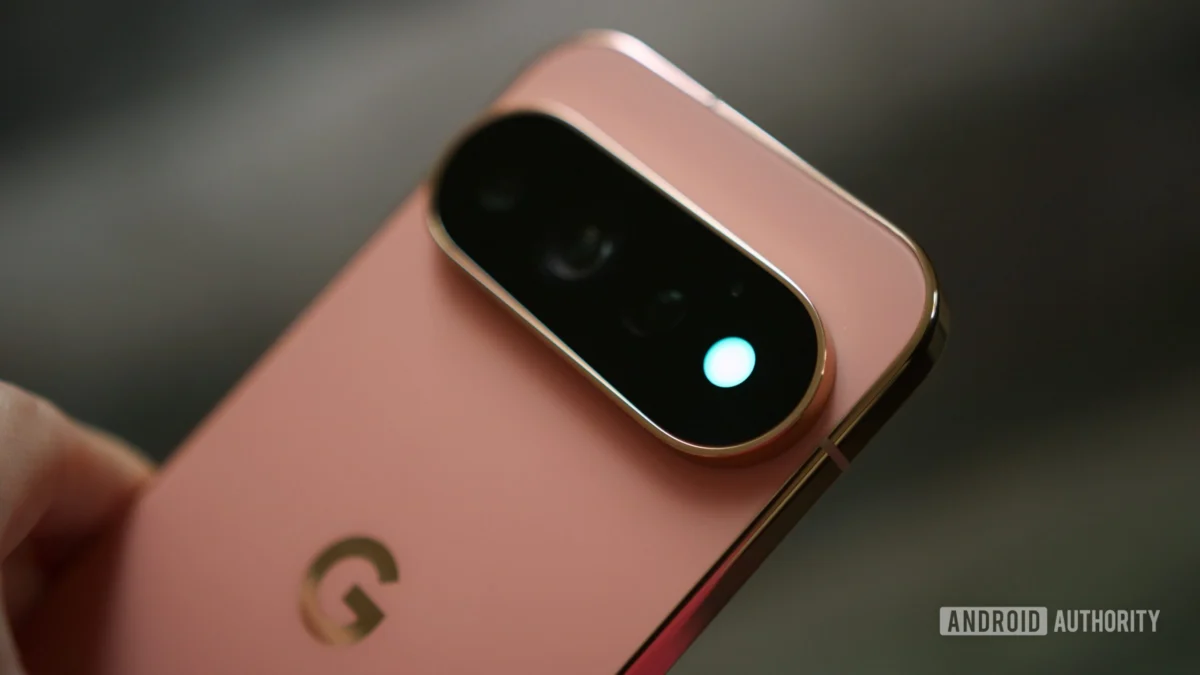
The recent introduction of Google’s HiLight feature on the Pixel 11 Pro series has rekindled a sense of nostalgia for the ubiquitous notification LEDs of yesteryear, while simultaneously presenting a vision for a more integrated and informative smartphone experience. While the current implementation offers a subtle and modern take on a beloved feature, its limited functionality has sparked discussions and generated a clear roadmap for how this innovative lighting system could evolve to become an indispensable tool for Pixel users.
A Modern Echo of a Classic Feature
For many smartphone users, the days of a distinct blinking light signaling an incoming message or missed call are a fond memory. Devices like the BlackBerry famously employed a vibrant red LED that provided an immediate, at-a-glance understanding of device status. As smartphone designs evolved and screens became the primary interface for all information, these physical indicators largely disappeared. More recently, companies like Nothing have attempted to revive the concept with their "Glyph Interface," which, while visually striking, has been perceived by some as overly elaborate.
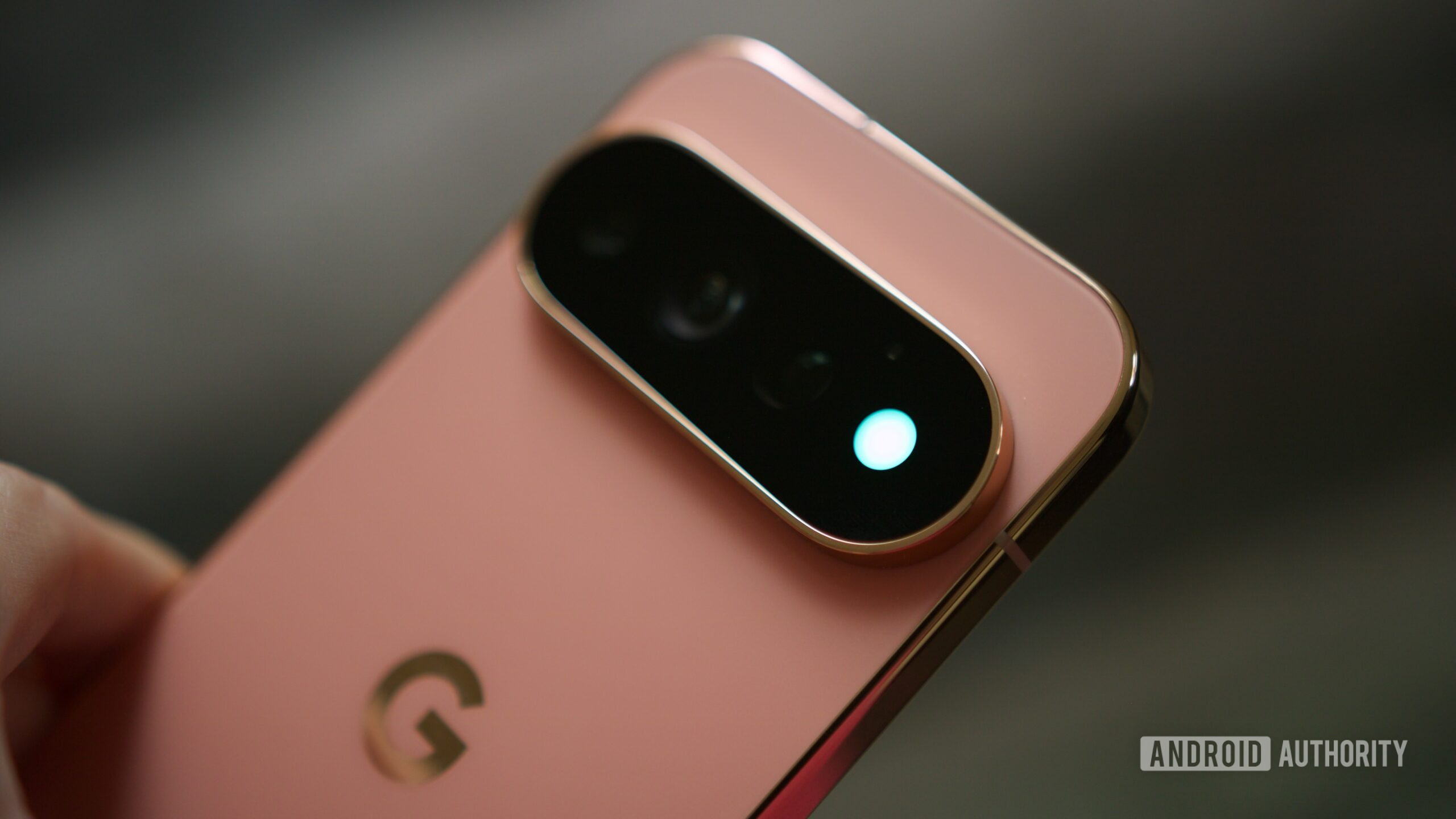
Google’s HiLight, however, offers a more restrained and sophisticated approach. Nestled discreetly within the Pixel 11 Pro’s camera visor, this multi-colored light aims to provide notification cues without being ostentatious. Its subtle glow and ability to display various colors immediately caught the attention of users and tech enthusiasts alike, drawing parallels to the functional elegance of older notification LEDs.
Current Capabilities and the Call for Expansion
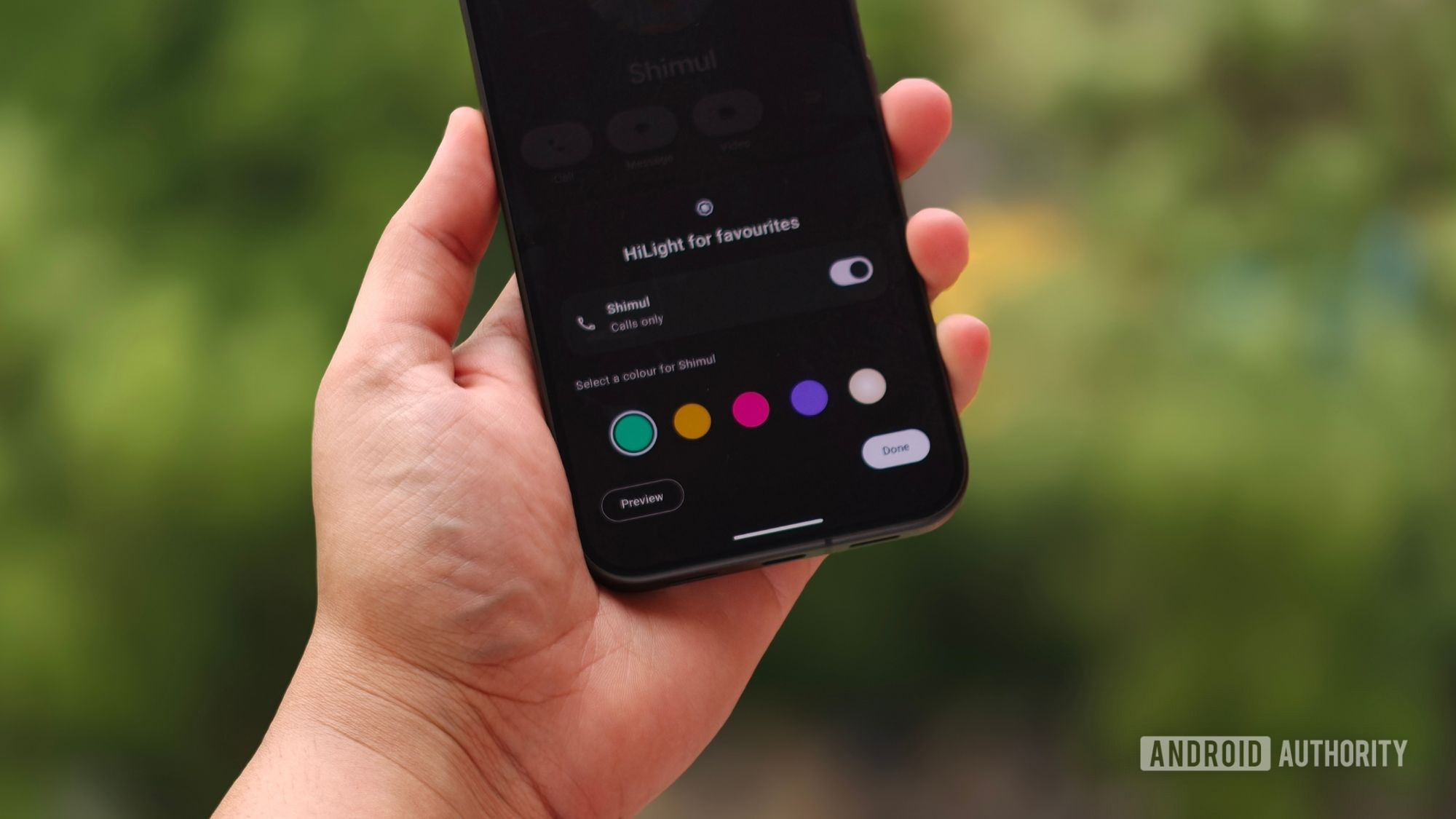
Currently, the HiLight feature is primarily utilized for two specific functions: alerting users to incoming calls from designated favorite contacts and indicating the activity status of Google’s Gemini AI, such as when it is thinking, responding, or speaking. While these additions are certainly useful, they represent a fraction of the potential that such a versatile lighting system could offer. The very existence of this embedded, customizable light has naturally led to widespread speculation and desire for its expanded capabilities.
Harnessing HiLight for Comprehensive Notification Management
One of the most significant areas for improvement lies in expanding HiLight’s notification capabilities beyond just calls. The current limitation to favorite contacts, while a good starting point, leaves a substantial gap in providing granular information about incoming alerts. A more robust implementation would allow users to assign unique colors to specific applications, transforming the HiLight into a powerful, at-a-glance notification interpreter.
Imagine a scenario where a soft pink glow indicates an Instagram notification, a vibrant green signals a WhatsApp message, and a classic white hue denotes a standard SMS. Over time, this color-coding would become intuitive, enabling users to discern the nature of an incoming alert without even picking up their device. This level of immediate information is particularly valuable in professional settings. Assigning distinct HiLight colors to work-related applications like Slack or Microsoft Teams would allow users to prioritize incoming communications. A specific color could immediately signal an urgent work message, while less critical notifications, such as those from social media platforms, could be visually differentiated, allowing users to maintain focus on their tasks.
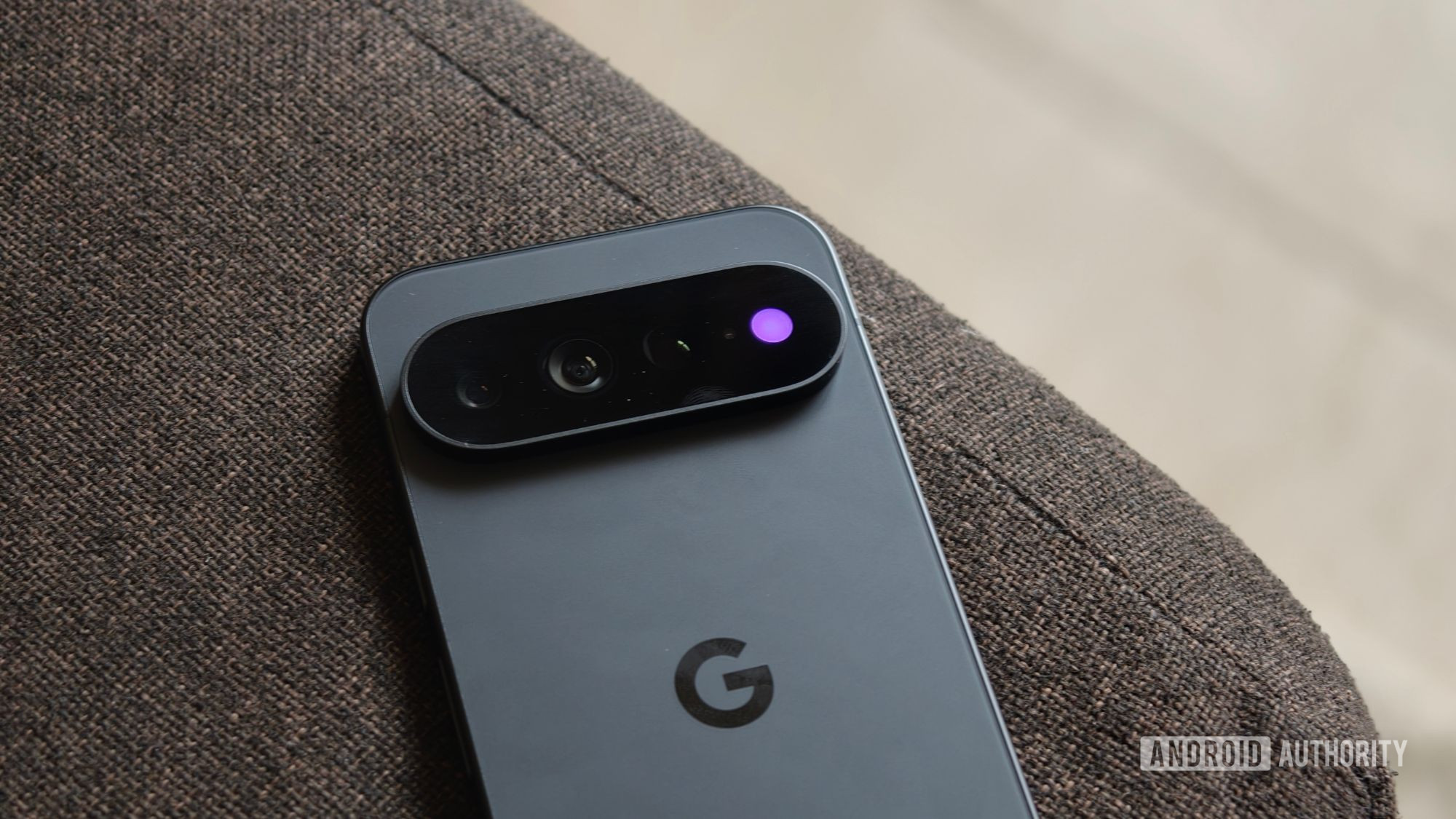
This intelligent notification filtering could also serve as a powerful tool against digital overload. By providing a quick visual cue, HiLight can help users make informed decisions about whether to engage with their device, potentially mitigating the tendency to fall into extended periods of "doomscrolling" – a term often used to describe the compulsive consumption of negative news online. The ability to preemptively assess the importance of a notification could lead to more mindful engagement with technology.
Personalized Alerts for Key Contacts
Building upon the concept of app-specific color assignments, a highly desirable enhancement for HiLight would be the ability to associate specific colors with individual contacts. This would elevate the notification experience from application-based to person-based, offering an even deeper level of personalization and immediate recognition. This functionality would complement the existing capability to customize lights for favorite contacts during calls, expanding it to encompass all forms of communication.
For instance, a user might choose to assign a unique, unmistakable color, such as a dynamic rainbow effect, to messages from a parent or a significant other. The moment this distinctive glow appears, the user would instantly know who is trying to reach them, regardless of the application used. This is particularly impactful for individuals who find themselves easily distracted by less urgent notifications. The ability to identify an important message from a loved one before unlocking the phone can prevent the potential for getting sidetracked by unrelated conversations or endless scrolling through group chats.
This personalized contact notification system could fundamentally alter how users interact with their devices, providing a more efficient and less intrusive way to stay connected with the people who matter most. It addresses the common user experience of accidentally getting lost in the digital ether, offering a direct pathway to prioritize essential communications.
Integrating HiLight Across the Google Ecosystem
Google’s ambition for its hardware ecosystem could extend HiLight’s utility beyond the Pixel phone itself. The company could leverage this visual indicator as a cross-device status update mechanism, enhancing the seamless integration of its various products. Given that many users habitually place their phones face down, and common routines involve connecting accessories like earbuds and smartwatches, HiLight could serve as a quick confirmation of successful device pairing and readiness.
A brief, distinct color pulse from the HiLight could signify that a Pixel Watch has successfully connected to the phone, or that Pixel Buds are paired and ready for audio. This provides an immediate, non-intrusive confirmation that essential accessories are operational, offering peace of mind and streamlining daily transitions.
Furthermore, the HiLight could be integrated with charging solutions. For example, dropping a Pixel phone onto a Pixelsnap charger could trigger a subtle pulse of light, confirming that charging has initiated. While these may seem like minor conveniences, they contribute to a smoother and more intuitive user experience across the Google hardware landscape. Such integrations would underscore Google’s commitment to a cohesive and user-friendly ecosystem.
The Indispensable Low Battery Warning
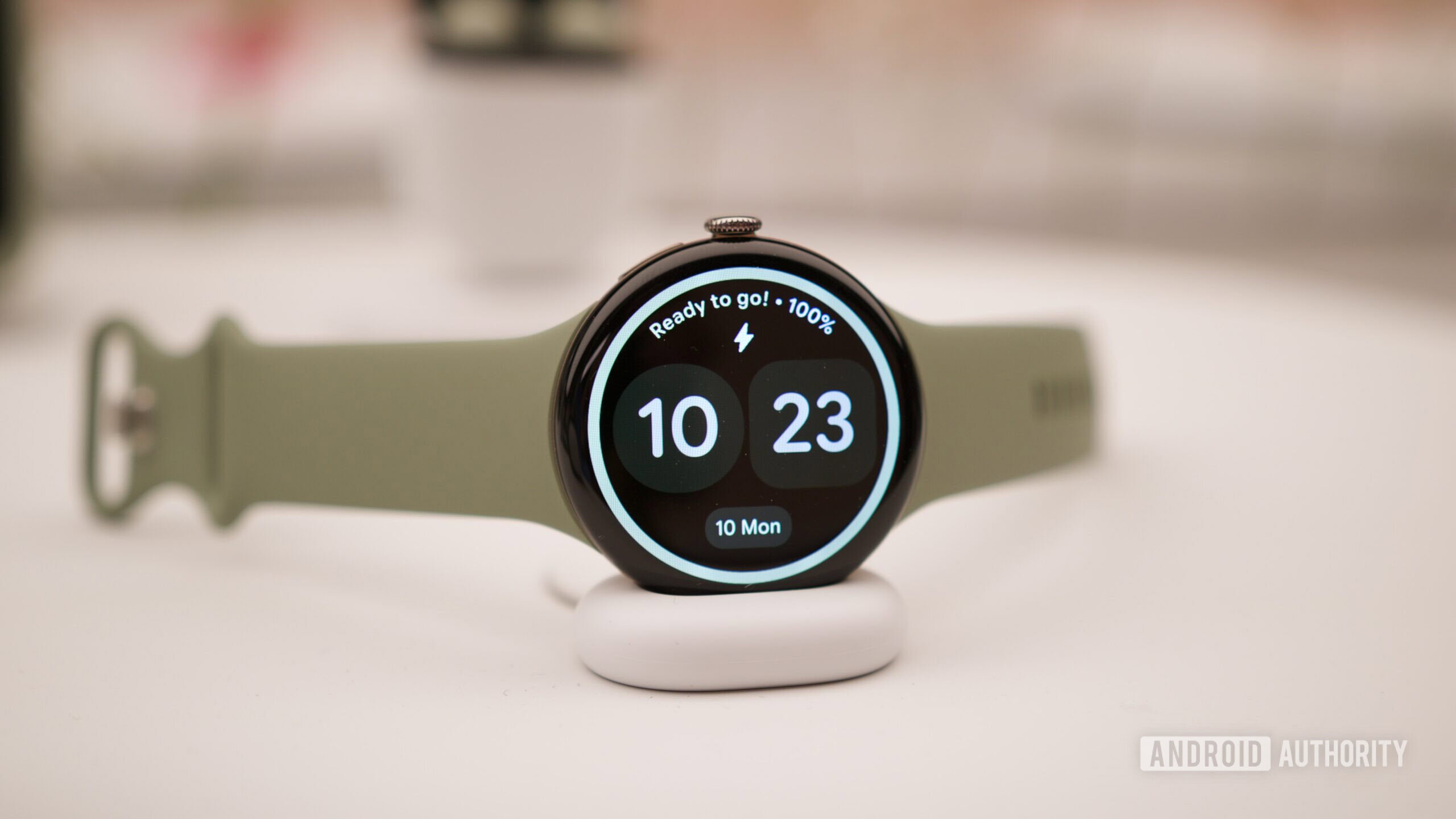
A particularly practical application for the HiLight feature lies in its potential to serve as a more prominent and unmissable low battery indicator. Many users, including the author, admit to a tendency to overlook standard low-battery notifications, often realizing their device is critically depleted only when it’s too late. The practice of placing phones face down exacerbates this issue, making visual cues on the screen less apparent.
By implementing a distinct and attention-grabbing alert, such as a rapid blinking in a deep red hue, when the battery level drops below a critical threshold, HiLight could provide a much-needed nudge. This visual "red flag" would serve as an unambiguous signal to connect the device to a power source, preventing the inconvenience and potential disruption of a dead phone. This functionality, while seemingly simple, addresses a common user pain point and could significantly improve battery management habits.
Enhancing the Photography Experience with a Visual Timer
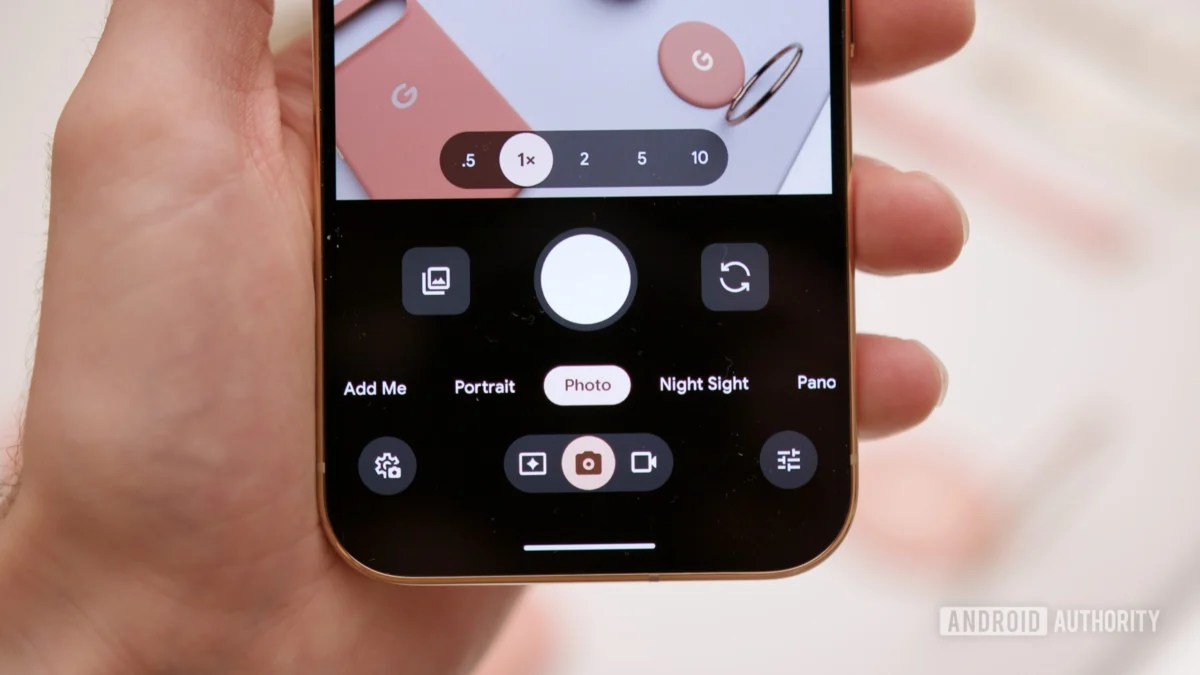
The HiLight feature also presents an innovative opportunity to enhance the photography experience, particularly for group shots. While the standard camera flash can sometimes serve as a rudimentary timer, the HiLight offers a more sophisticated and universally understandable visual countdown.
When setting up a group photo with a self-timer, the HiLight could progressively flash, with the speed and intensity increasing as the shutter release approaches. This would provide all participants with a clear and immediate indication of when the photo will be taken, eliminating the awkward uncertainty of waiting for the shutter to click. A final, distinct flash in a different color just before the image is captured would ensure everyone is prepared to smile, potentially leading to fewer instances of blinking or missed expressions in photographs. Given the prevalence of group photos in social contexts, this application of HiLight could prove to be a widely appreciated feature.
HiLight Studio: A Testament to Untapped Potential
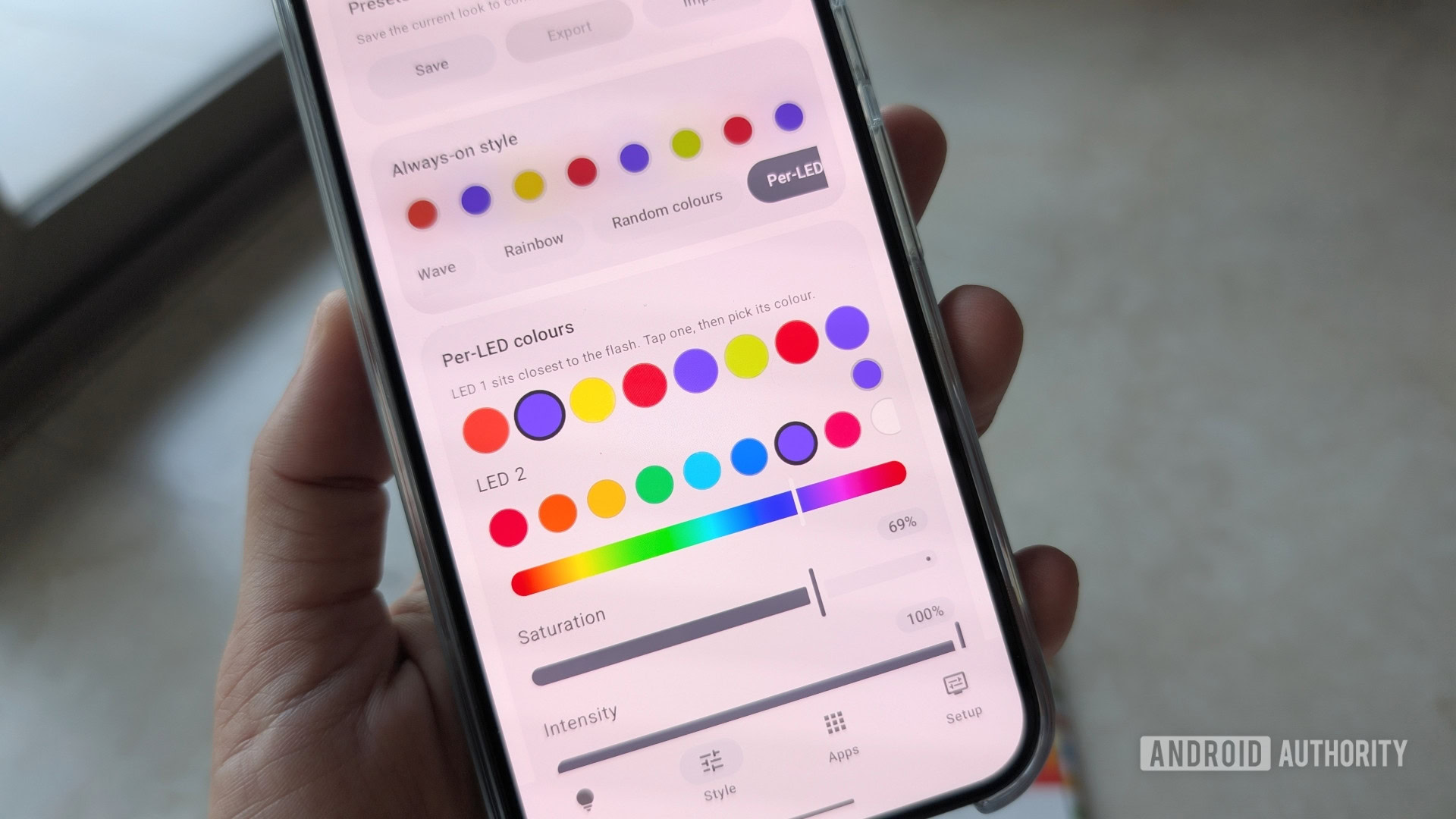
The current limitations of the HiLight feature, while evident, are not necessarily insurmountable. The existence of third-party applications, such as the open-source "HiLight Studio," demonstrates the significant untapped potential of this hardware. Developed by independent creators, HiLight Studio already pushes the boundaries of the feature, allowing users to configure HiLight for notifications from a far wider array of applications than officially supported. This underscores the fact that the foundational technology is capable of far more than its current software implementation.
The ability for a third-party app to unlock such extensive functionality highlights a clear opportunity for Google to expand the native capabilities of HiLight. While HiLight Studio provides a valuable workaround for enthusiasts, the ideal scenario involves these enhanced features being integrated directly into the Pixel operating system. This would democratize the use of HiLight’s full potential, making it accessible to all users without requiring additional software installations.
Conclusion: A Bright Future for a Subtle Indicator
Google’s HiLight feature on the Pixel 11 Pro series represents a thoughtful and elegant reintroduction of a classic smartphone element. It has successfully reignited interest in subtle, physical notification indicators within a modern design. However, its current utility, while positive, is merely a glimpse of its true promise. By expanding its functionality to encompass comprehensive app and contact-specific notifications, integrating it across the Google ecosystem, and leveraging it for essential alerts like low battery warnings and photography timers, HiLight has the potential to become an indispensable tool for Pixel users. The impressive capabilities demonstrated by third-party applications like HiLight Studio serve as a compelling argument for Google to further invest in and unlock the full potential of this innovative feature, ensuring that HiLight truly lives up to its luminous promise.