Metty Iskandar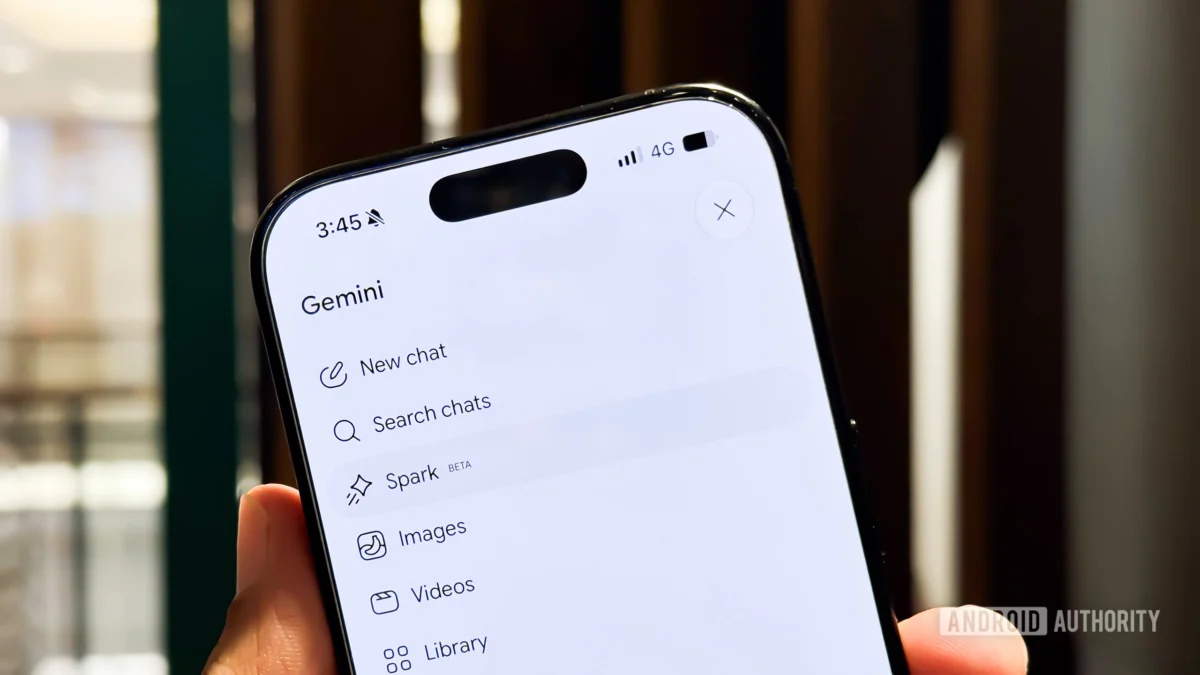
Google is actively refining the user experience of its Gemini mobile application, with recent code analysis revealing a significant push to streamline access to its powerful Gemini Spark AI. This ongoing effort, as evidenced by an APK teardown of the Google app version 17.54.10, suggests a strategic move to integrate Gemini Spark more seamlessly into the daily mobile workflow of users. The company appears to be exploring an intuitive interface shift on the Gemini app’s home screen, potentially replacing the current sidebar navigation for Spark with a more direct, two-button approach: "Chat" and "Assign."
This development follows a series of observed experiments by Google aimed at making Gemini Spark more readily available on mobile devices. Just last month, the discovery of an "Assign Task" feature within the Gemini app hinted at a broader strategy to empower users with more direct command over AI functionalities. The current method for accessing Gemini Spark on mobile requires users to open a sidebar menu and then specifically select "Spark." While functional, this multi-step process can be time-consuming for users who frequently switch between the standard Gemini conversational interface and the more task-oriented capabilities of Gemini Spark.
The newly uncovered interface modification proposes a more streamlined solution. By introducing distinct "Chat" and "Assign" buttons directly on the Gemini home screen, Google aims to offer immediate access to the core functionalities of its AI offerings. When the "Chat" button is active, users will engage with Gemini in its conventional conversational mode. However, selecting the "Assign" button would reroute user input to Gemini Spark, enabling them to leverage its advanced task execution and information synthesis capabilities without navigating through menus. This proposed change could significantly reduce the friction for power users who rely on both aspects of Gemini for various tasks, from general queries to complex assignments.
A Growing Focus on Mobile AI Integration
Google’s persistent experimentation with the Gemini app’s interface underscores a broader industry trend: the increasing importance of artificial intelligence on mobile platforms. As smartphones become ever more central to daily life, the demand for sophisticated AI tools that can be accessed and utilized efficiently on the go is rapidly growing. Gemini Spark, positioned as a more advanced iteration of Google’s AI, is likely being groomed to become a primary tool for users needing to accomplish specific tasks, generate content, or retrieve synthesized information directly from their mobile devices.
The timeline of these developments suggests a methodical approach by Google. The initial discovery of the "Assign Task" option indicated a desire to provide more explicit control over Gemini Spark’s functions. The subsequent emergence of the "Chat" and "Assign" button concept represents a refinement of that idea, aiming for a more elegant and user-friendly presentation. The fact that these features are being uncovered through APK teardowns, which involve analyzing pre-release code, implies that Google is actively developing and testing these enhancements, even if their public rollout is not imminent.
Understanding APK Teardowns and Feature Rollouts
It is crucial to understand the nature of APK teardowns in the context of feature development. An APK (Android Package Kit) teardown involves dissecting the code of an application to identify hidden features, strings, and functionalities that are under development but not yet publicly available. These teardowns provide valuable insights into a company’s future product roadmap and technological direction.
However, it is equally important to note that code found within an APK does not guarantee that a feature will ever be released to the public. Companies like Google frequently experiment with numerous features, some of which may be prototypes, internal tools, or concepts that are ultimately shelved due to various factors, including user feedback, technical challenges, or strategic shifts. The previously spotted "Assign Task" feature, for instance, has not yet appeared in public builds of the Gemini app, suggesting that Google may be carefully considering the optimal implementation and timing for such significant UI changes.
The current "Chat" and "Assign" button proposal, based on the analyzed code, appears to be a more polished and integrated approach compared to the initial "Assign Task" concept. This suggests that Google’s product teams are iterating based on internal testing and potentially early feedback, striving for a solution that balances functionality with ease of use. The visual implication of having these distinct modes directly accessible on the home screen is a significant departure from the current sidebar reliance, potentially catering to a wider range of user preferences and usage patterns.
Analyzing the Potential Impact and Implications
The successful implementation of a dual "Chat" and "Assign" interface within the Gemini app could have several significant implications for users and the broader AI landscape:
- Enhanced User Productivity: For individuals who regularly utilize Gemini for both conversational queries and task-oriented actions, the streamlined access could lead to substantial time savings and a more efficient workflow. This is particularly relevant for professionals, students, and anyone managing multiple digital tasks.
- Democratization of Advanced AI: By making Gemini Spark’s capabilities more accessible on mobile, Google could be empowering a larger user base to leverage advanced AI for a wider array of applications, from summarizing lengthy documents to drafting complex emails or planning itineraries.
- Competitive Differentiation: In the rapidly evolving AI assistant market, offering a superior and more intuitive user experience can be a key differentiator. This move could position Gemini as a more user-friendly and powerful alternative to other AI-powered applications.
- User Interface Innovation: The exploration of distinct modes for conversational AI versus task-execution AI on a mobile home screen represents a potential innovation in how users interact with artificial intelligence. This could set a precedent for other AI-driven applications.
- Data and Usage Patterns: The rollout of such features could also provide Google with valuable data on how users engage with different AI functionalities on mobile, informing future development and personalization efforts. The distinct usage patterns for "Chat" versus "Assign" could reveal insights into user needs and preferences.
Background Context: The Evolution of Google Gemini
Google’s Gemini family of AI models represents a significant leap in artificial intelligence development for the company. Launched with the promise of multimodal capabilities, Gemini models are designed to understand and operate across different types of information, including text, images, audio, video, and code. Gemini Spark, as suggested by its name and the context of its integration, likely represents a specialized or advanced iteration of these models focused on delivering powerful, actionable outputs.
The initial integration of Gemini into Google’s ecosystem began with a phased rollout across various products and services. The Gemini app itself serves as a dedicated platform for users to directly interact with the AI, offering a more focused experience than integrated features within other Google applications. The ongoing refinements to the Gemini app, particularly concerning mobile access to Gemini Spark, indicate Google’s commitment to making its most advanced AI tools readily available and user-friendly across all platforms.
The competitive landscape in AI is intense, with major technology players investing heavily in developing and deploying sophisticated AI assistants. Google’s strategic maneuvers with Gemini and its app interface are clearly aimed at maintaining and expanding its market share in this critical domain. The company’s history of leveraging its vast user base and data to improve its AI offerings suggests that these experiments are part of a long-term vision to embed AI deeply into the user experience.
Future Outlook and Potential Challenges
While the prospect of a more intuitive Gemini Spark interface on mobile is exciting, several factors will influence its eventual success. The clarity and effectiveness of the "Assign" functionality will be paramount. Users will need to understand precisely what kinds of tasks Gemini Spark can handle and how to best formulate their requests to achieve optimal results.
Furthermore, Google will need to ensure that the transition between "Chat" and "Assign" modes is seamless and that the AI’s performance remains consistent and reliable across both contexts. Any perceived degradation in speed or accuracy could undermine the benefits of the new interface.
The ongoing development and testing of these features highlight Google’s dedication to refining its AI offerings. As the company continues to evolve its AI models and their integration into user-facing applications, the mobile experience is poised to become an increasingly critical battleground for AI dominance. The success of initiatives like the proposed "Chat" and "Assign" interface will play a significant role in shaping how users interact with and benefit from artificial intelligence on a daily basis. The market will be watching closely to see when and how these promising developments will be made available to the wider public.