Metty Iskandar
Google is rolling out a significant enhancement to the battery management capabilities of its Pixel phones, introducing a new "Battery Usage Summary" feature designed to provide users with a more intuitive and actionable understanding of their device’s power consumption. This update, which appears to be commencing with the Pixel 10 and extending to subsequent models, aims to simplify the process of identifying battery-draining applications and background activities, thereby empowering users to optimize their device’s longevity.
Streamlined Battery Insights for the Everyday User
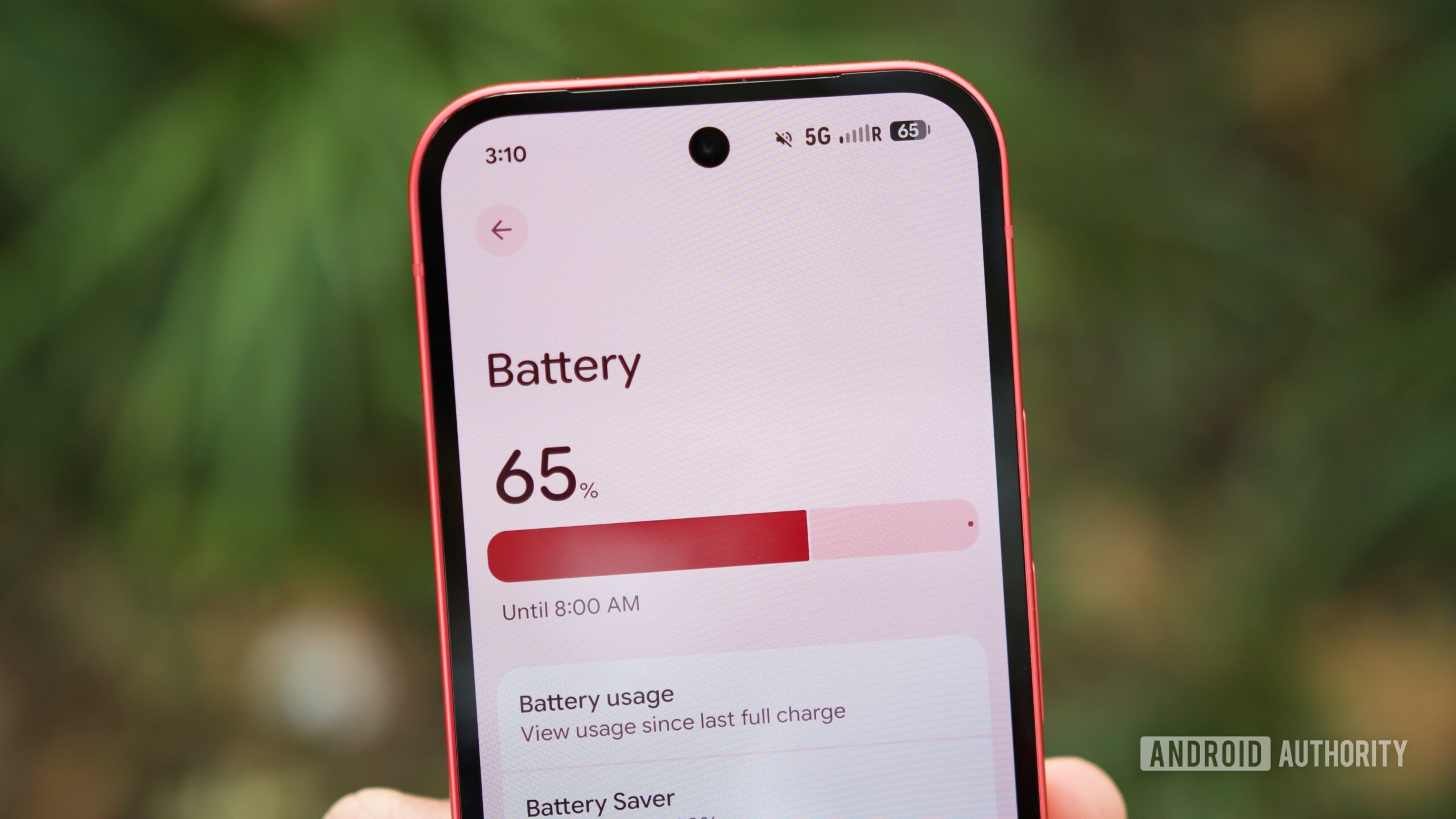
The core of this new feature lies in its ability to present a concise overview of battery usage directly at the top of the Battery usage page within the device’s settings. Previously, users had to navigate through detailed graphs and lists of individual applications to pinpoint power-hungry culprits. The Battery Usage Summary aims to distill this information into easily digestible insights.
A compelling example of this new functionality was shared by Telegram user @avasthiamit. The screenshot revealed a summary indicating approximately 15% of the battery had been consumed. Crucially, the summary also flagged this usage as "more than usual for that time of day," immediately alerting the user to a potential anomaly. Furthermore, it pinpointed WhatsApp and the Google app as the primary contributors to this increased drain. This level of immediate context and identification is a significant departure from the more granular, albeit potentially overwhelming, data previously presented.
A Feature Under Development: From Teardown to Rollout
The unveiling of the Battery Usage Summary is the culmination of diligent development and testing by Google. Android Authority first identified the feature in an APK teardown approximately two weeks prior to its wider rollout. At that stage, the interface was accessible, but its full functionality was not yet realized. The initial analysis also provided a crucial insight into the technology powering these summaries: Gemini Nano. This suggests that Google is leveraging its advanced on-device AI capabilities to generate these summaries locally, enhancing both privacy and efficiency by avoiding the need for constant cloud processing.
The integration of Gemini Nano signifies a commitment to intelligent, context-aware features within the Pixel ecosystem. By processing data directly on the device, the summaries can be generated in near real-time and tailored to individual usage patterns without compromising user data. This also positions the Pixel line at the forefront of on-device AI applications, moving beyond simple task execution to offer proactive and informative user assistance.
Official Confirmation and Enhanced Support
Google has officially acknowledged the rollout of Battery Usage Summaries by updating its Pixel support page. This official documentation provides a clear overview of the feature’s purpose and functionality. According to Google’s official statement, the Battery Usage Summary is designed to:
- Identify Top Battery Consumers: It will clearly highlight the applications that are drawing the most power from the device.
- Monitor Background Activity: The feature will provide insights into how background processes are impacting battery life, a common area of concern for many smartphone users.
- Compare Against Averages: A key aspect of the summary is its ability to compare current battery consumption, both overall and for individual apps, against the user’s recent historical averages. This comparative data is vital for distinguishing normal usage from unusual drains.
The support page also clarifies the technical requirements for the feature, stating that it necessitates the latest version of AI Core and is automatically enabled when available on compatible devices. As previously noted, the feature is explicitly marked for availability on the Pixel 10 and subsequent models. This targeted rollout suggests a phased approach to ensure stability and gather user feedback before a broader release to older devices, if applicable.
The Broader Implications for Smartphone Battery Management
The introduction of Battery Usage Summaries represents a significant step forward in democratizing battery management for smartphone users. Historically, understanding and optimizing battery life has often required a degree of technical savviness. Users had to interpret complex graphs, understand the difference between foreground and background app usage, and often resort to third-party applications for more detailed analytics.
By presenting this information in a simplified, narrative format, Google is effectively lowering the barrier to entry for battery optimization. For the average user, the ability to see a clear statement like "WhatsApp used 10% of your battery today, which is 2% more than usual" is far more actionable than a percentage breakdown in a long list. This can lead to more informed decisions about app usage, background restrictions, and even when to seek further assistance for persistent battery issues.
Data-Driven Context: The Growing Importance of Battery Life
The emphasis on battery life in smartphones is not a new phenomenon, but it continues to be a paramount concern for consumers. According to various industry surveys, battery life consistently ranks among the top three most important factors when purchasing a new smartphone, alongside camera quality and performance. For instance, studies have shown that a significant majority of smartphone users experience battery anxiety at some point during their day.
The average smartphone user spends several hours a day interacting with their device. During this time, various factors contribute to battery drain, including screen-on time, Wi-Fi and cellular signal strength, background app refresh, GPS usage, and the processing demands of applications. The complexity of these interactions makes it challenging for users to precisely identify the primary causes of rapid battery depletion.
Chronology of Development and Rollout:
- Early 2026 (Hypothetical based on image date): Development of enhanced battery usage summary features begins within Google, potentially as part of a broader AI integration initiative.
- Mid-March 2026 (Based on image metadata): Initial findings and screenshots of the "Battery Usage Summary" feature emerge, indicating it’s under development. Early analysis suggests the use of Gemini Nano for on-device processing.
- Late March 2026: Android Authority reports on the feature, providing details from an APK teardown and early interface access.
- Early April 2026 (Current Report): The feature begins to roll out to Pixel 10 and later devices. Google updates its official support documentation to reflect the new functionality.
Analysis of Implications:
The strategic rollout of Battery Usage Summaries to newer Pixel devices suggests a tiered approach to feature adoption. This allows Google to refine the feature with a smaller, more engaged user base before a potential wider release. The reliance on Gemini Nano for on-device processing also highlights Google’s ongoing investment in edge AI, aiming to deliver powerful features without compromising user privacy or requiring constant internet connectivity for core functionalities.
This move could also influence competitors. As the smartphone market becomes increasingly competitive, features that enhance user experience and provide practical benefits like simplified battery management can become significant differentiators. Other manufacturers may be compelled to develop similar intuitive interfaces for their battery monitoring tools to remain competitive.
Furthermore, the feature’s ability to compare current usage against historical averages is a subtle yet powerful addition. It moves beyond simply stating what’s draining the battery to providing context. A user might be accustomed to their social media apps using a certain percentage, but if that percentage suddenly spikes, the summary will flag it as unusual, prompting investigation. This proactive approach can help users address potential issues before they become critical, such as malware or rogue apps consuming excessive power.
The integration of AI-powered summaries also aligns with Google’s broader strategy of making its devices and services more intelligent and helpful. By simplifying complex technical data into actionable insights, Google is empowering users to take greater control of their device’s performance and longevity. This can lead to increased user satisfaction and a more positive overall experience with the Pixel ecosystem.
In conclusion, Google’s Battery Usage Summary feature represents a thoughtful and user-centric enhancement to Pixel devices. By leveraging advanced AI and a commitment to clear communication, Google is making it easier than ever for users to understand and manage their phone’s battery life, ultimately contributing to a more seamless and empowered mobile experience. The rollout to Pixel 10 and later models signals a clear direction for future battery management innovations within the Android ecosystem.