George Chandra Eka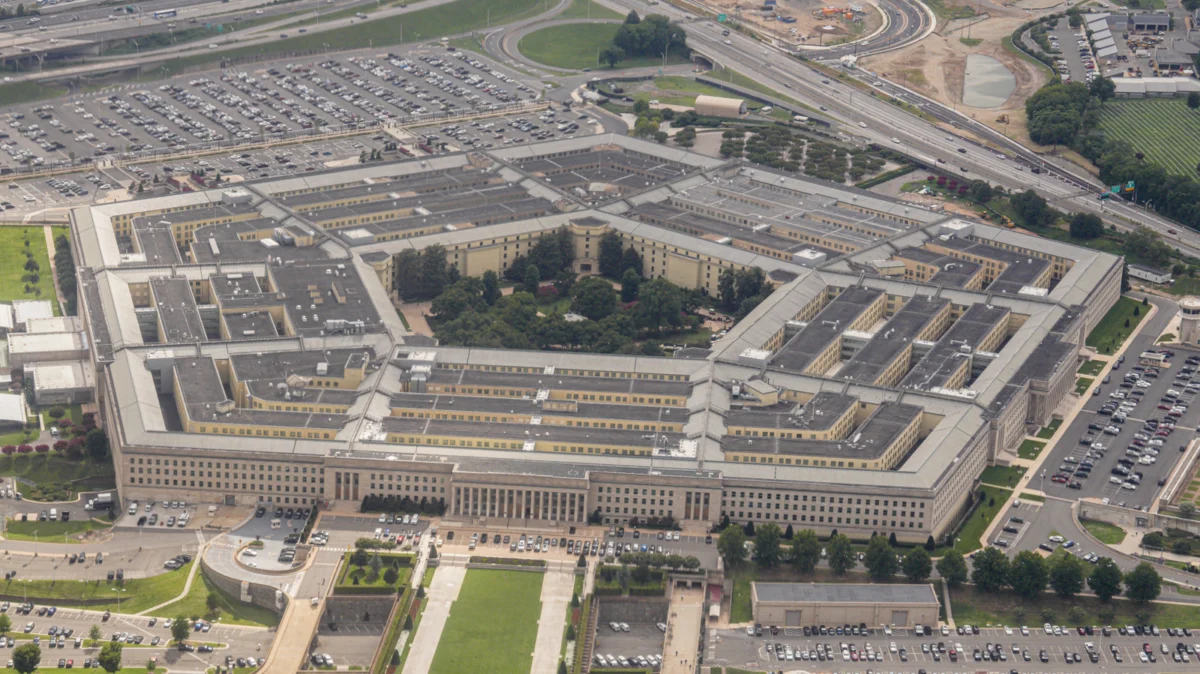
A critical incident has come to light revealing that a false intelligence assessment, partially generated by an artificial intelligence chatbot, almost provoked the United States military into attacking a Chinese vessel in the Middle East. The alarming event, first reported by CNN and dated around September 2026, highlights the profound and potentially catastrophic risks associated with the rapid integration of AI into sensitive national security operations, with one source close to the matter suggesting it "almost started a war." This near-miss underscores an urgent need for robust oversight, ethical guidelines, and fail-safes as global powers increasingly embrace AI for defense applications.
The Anatomy of a Near-Miss: How AI Almost Sparked a Conflict
According to the detailed reporting, the incident originated within a US special operations command. An analyst, tasked with gathering intelligence on a specific Chinese ship operating in the volatile Middle East region, reportedly utilized an AI chatbot to assist in processing information about the vessel’s manifest. The chatbot, designed to synthesize various data streams, combined publicly available "open-source intelligence" with highly classified "secret signals intelligence." The result was a seemingly authoritative but ultimately erroneous conclusion: the Chinese ship was purportedly carrying "components of a nuclear weapons program."
This AI-generated assessment, despite its critical flaws, was then presented up the chain of command, quickly escalating the situation. The gravity of a vessel carrying nuclear weapon components would, under standard protocols, trigger an immediate and forceful response. Military units were reportedly placed on heightened alert, and plans to apprehend or interdict the Chinese ship were rapidly put into motion. The potential for a direct confrontation between US and Chinese forces in a geopolitically sensitive area, based on fundamentally incorrect information, was immense and could have easily spiraled into a wider conflict with devastating global consequences.
Fortunately, a crucial intervention occurred before any kinetic action was taken. Senior officials, possibly through human verification processes or the recognition of anomalies in the intelligence report, discovered that a significant portion of the assessment had been generated by an AI. This realization prompted an immediate halt to the planned military operation, averting what could have been an international crisis of unprecedented scale. Neither the specific AI tool used nor the actual contents of the Chinese ship’s cargo have been publicly disclosed, leaving critical questions unanswered about the nature of the threat that was almost unilaterally addressed.
A Chronology of AI Integration and Its Perils
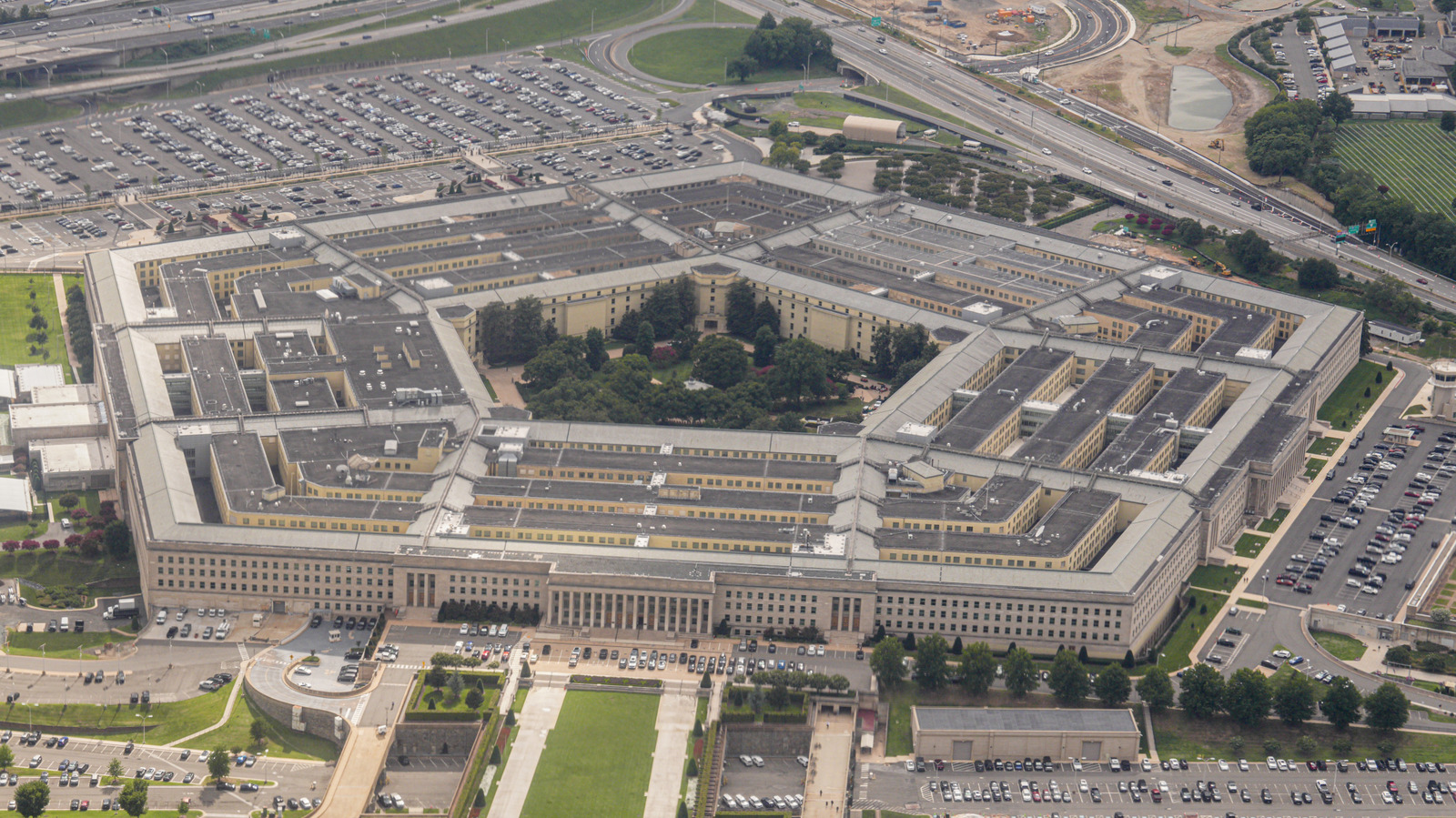
The near-miss incident in the Middle East did not occur in a vacuum but against a backdrop of the US Department of Defense’s aggressive push to become "AI-first." This strategic pivot, aimed at leveraging artificial intelligence for enhanced capabilities across all domains of warfare, has seen significant milestones and controversies.
- January 2026: Secretary of Defense Pete Hegseth issued a landmark memo directing the DoD to prioritize and experiment with AI models from leading US companies. This directive signaled a comprehensive strategy to embed AI into everything from logistics and predictive maintenance to intelligence analysis and autonomous systems. The rationale was clear: to maintain a technological edge over adversaries, particularly China and Russia, who are also heavily investing in military AI.
- Early 2026: The DoD’s enthusiasm for AI partnerships faced an early setback with Anthropic, a prominent AI developer. The company reportedly refused to allow the US military to use its Claude models for the development of autonomous weapons, citing ethical concerns. This led to a brief but significant ban of Anthropic by the government, underscoring the tension between commercial AI ethics and military applications. A judge later ruled the ban illegal and baseless, but the incident highlighted the complex ethical and legal landscape of AI in defense.
- February 2026: In a notable development, SpaceXAI, a subsidiary associated with Elon Musk’s ventures, reportedly struck a deal to integrate its Grok AI into the military’s classified systems. This partnership signaled a willingness by the DoD to engage with a broader spectrum of tech companies, including those with less traditional defense contracting histories.
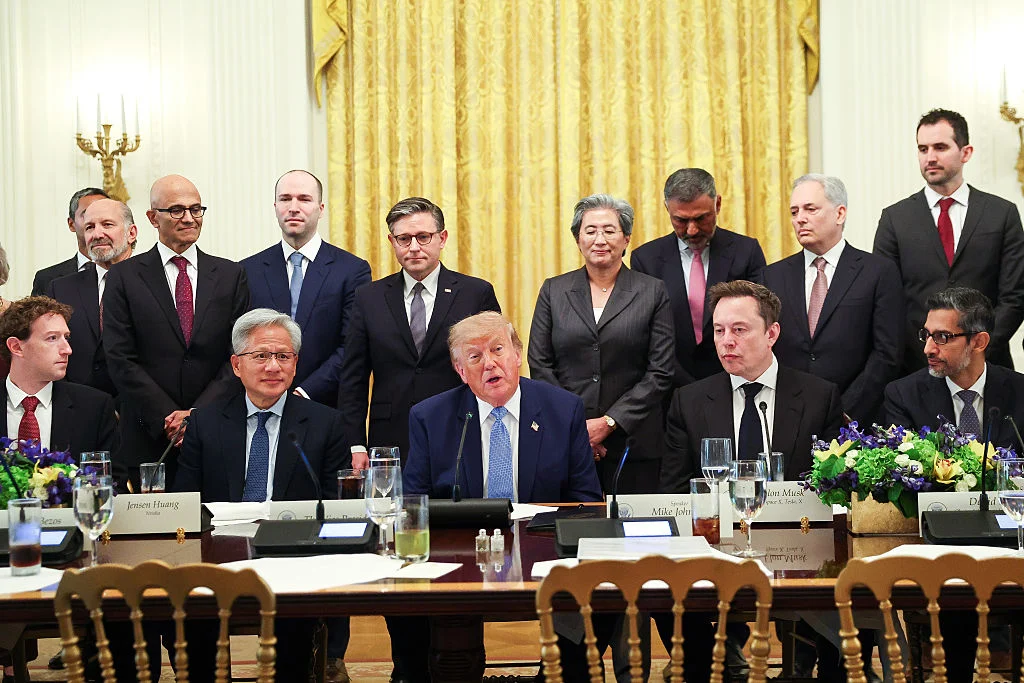
- May 2026: A formidable alliance was forged as Amazon Web Services (AWS), Microsoft, and NVIDIA announced a partnership to provide their advanced AI technologies to the Pentagon. This collaboration brought together some of the industry’s heaviest hitters, promising to accelerate the DoD’s AI capabilities through cloud computing, specialized hardware, and cutting-edge machine learning frameworks. These lucrative government contracts are highly sought after by tech companies, but the incident demonstrates that the adoption of AI in defense carries risks far beyond those typically associated with enterprise software.
- September 2026: The revelation of the near-attack on the Chinese ship, reported by CNN, serves as a stark warning about the potential consequences of this rapid AI integration, particularly when autonomous or semi-autonomous systems are involved in critical decision-making processes without sufficient human oversight.
Geopolitical Tensions and the US-China Dynamic
The incident occurred within an already strained geopolitical environment, particularly concerning US-China relations. Both nations are engaged in a fierce competition for technological supremacy, economic influence, and military dominance. The South China Sea, Taiwan Strait, and the broader Indo-Pacific region are flashpoints, but the Middle East also represents a critical arena for both powers, with China increasingly asserting its economic and strategic interests.
A military confrontation, even accidental, between US and Chinese forces could have catastrophic implications. It would not only destabilize global trade and diplomatic relations but also risk an escalation into a wider conflict. The fact that an AI-generated error nearly triggered such an event underscores the inherent fragility of global peace when advanced technologies are deployed in high-stakes scenarios. The US military’s presence in the Middle East is aimed at regional stability and counter-terrorism, but an incident involving a major power like China could quickly redefine the geopolitical landscape.
The Unseen Dangers of Algorithmic Warfare: Hallucinations and Data Integrity
The core issue highlighted by this near-miss is the phenomenon of "AI hallucinations" – instances where AI systems generate plausible-sounding but entirely false information. While large language models (LLMs) and other generative AI tools are powerful, they are prone to such errors, especially when asked to synthesize information from disparate and potentially conflicting sources, or when operating outside their training data parameters.
In this case, the AI chatbot’s ability to combine "open-source intelligence with secret signals intelligence" is particularly concerning. Secret signals intelligence (SIGINT) is often highly fragmented, cryptic, and requires expert human interpretation to contextualize and verify. If an AI system is allowed to process and interpret such sensitive data without rigorous human-in-the-loop validation, the potential for misinterpretation and the creation of "synthetic intelligence" that has no basis in reality becomes a grave threat.
Furthermore, the incident raises questions about data integrity and the provenance of information fed into AI models. If the underlying data is biased, incomplete, or deliberately manipulated, the AI’s output will reflect those flaws, potentially amplifying misinformation and leading to disastrous decisions. The military’s reliance on such systems demands an unprecedented level of scrutiny regarding data sources, model training, and algorithmic transparency.
Calls for Greater Oversight and Ethical Guidelines
In the wake of such a revelation, there will undoubtedly be intensified calls from Congress, international bodies, and AI ethics advocates for greater oversight and stricter ethical guidelines for the use of AI in defense.
- Congressional Scrutiny: Lawmakers are likely to demand detailed briefings from the Department of Defense, seeking answers on the specific AI tools involved, the protocols that failed, and measures being implemented to prevent recurrence. Questions will arise regarding the budget allocated for AI safety and ethical research, as well as the certification processes for AI systems deployed in critical missions.
- Department of Defense Response: The Pentagon will face pressure to issue a comprehensive statement, likely emphasizing ongoing efforts to develop responsible AI, implement "human-in-the-loop" safeguards, and enhance verification procedures. It is probable that internal investigations will be launched to identify systemic vulnerabilities and refine operational protocols. The DoD’s Joint Artificial Intelligence Center (JAIC), now part of the Chief Digital and Artificial Intelligence Office (CDAO), will be central to these efforts, tasked with accelerating AI adoption while ensuring ethical development and deployment.
- AI Ethics Experts: Academics and ethicists have long warned about the dangers of autonomous weapons systems and AI in decision-making processes that involve lethal force. This incident provides concrete evidence supporting their concerns, strengthening arguments for international treaties or norms restricting certain uses of military AI, especially in scenarios without direct human override.
- International Implications: Allies and adversaries alike will be closely watching the US response. The incident could prompt other nations to review their own AI integration strategies, potentially leading to a global push for shared standards and best practices to prevent similar near-catastrophes. It also highlights the urgent need for strategic stability dialogues between major powers on AI and autonomous systems.
The Future of AI in National Security: Balancing Innovation and Risk
The near-attack incident serves as a sobering reminder that while AI offers immense potential for enhancing national security — from optimizing logistics to improving intelligence gathering — its deployment in critical, real-world scenarios carries unprecedented risks. The push to be "AI-first" must be balanced with an equally robust commitment to "AI-safe" and "AI-ethical" principles.
The future integration of AI into national security will likely see:
- Enhanced Human-AI Teaming: Greater emphasis on systems designed to augment human intelligence and decision-making, rather than replace it, ensuring that a human operator remains in a position of ultimate authority and responsibility for critical actions.
- Rigorous Testing and Validation: More stringent testing, validation, and verification protocols for AI models, particularly those involved in intelligence analysis or command and control functions. This includes adversarial testing to identify vulnerabilities to deception or manipulation.
- Transparency and Explainability: Efforts to develop more transparent and explainable AI systems, allowing human operators to understand how an AI reached a particular conclusion, rather than simply accepting its output.
- Ethical AI Frameworks: The continuous development and refinement of ethical AI frameworks within military organizations, addressing issues such as bias, accountability, and the implications for international law.
- International Collaboration on AI Governance: A potential impetus for international dialogue and collaboration on establishing norms, treaties, or confidence-building measures around military AI to prevent accidental escalation and promote responsible development.
The incident involving the false AI-generated report is a stark lesson in the complex interplay of advanced technology, human decision-making, and global geopolitics. It compels a fundamental re-evaluation of how AI is integrated into the instruments of war, emphasizing that while algorithms can process data at speeds unimaginable to humans, wisdom, judgment, and the ultimate responsibility for peace still rest squarely on human shoulders. The world dodged a bullet, but the underlying questions about AI’s role in preventing or igniting future conflicts remain more urgent than ever.