Galang Taruna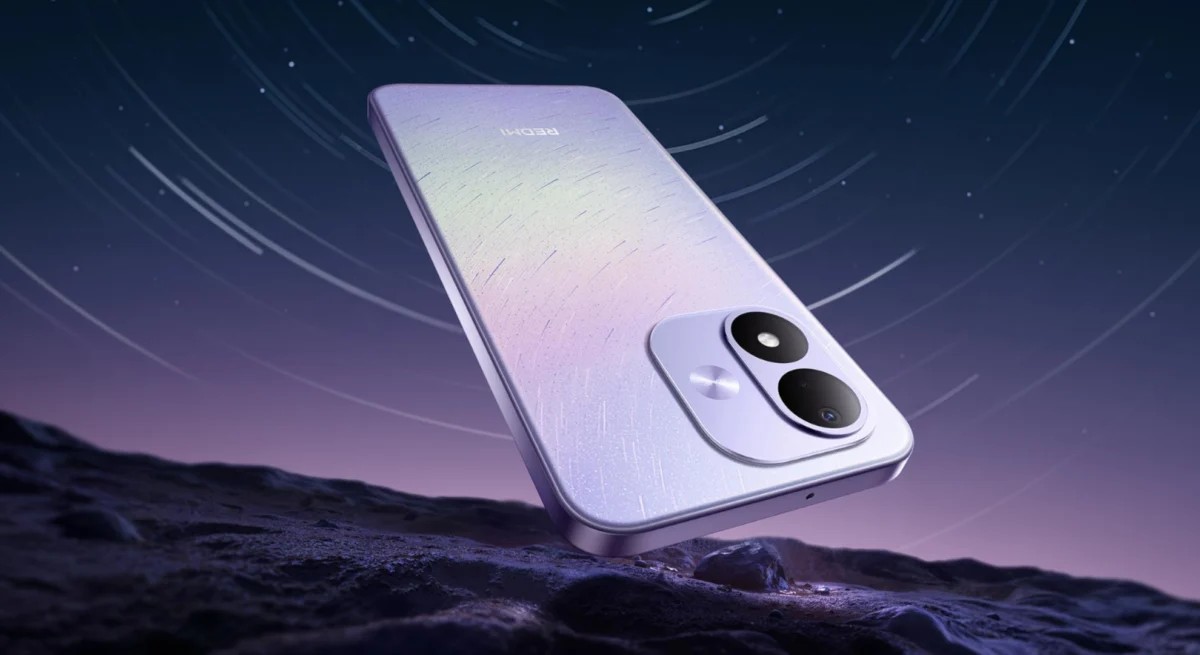
Officially launched in August, the Xiaomi Redmi Note 17, a smartphone notable for its expansive 6.99-inch OLED display and a formidable 7,700 mAh battery, has experienced an immediate and significant price drop. Originally priced at 303 euros, it is now available for 238 euros on Amazon, a reduction facilitated by a specific promotional code exclusively for Prime subscribers during the retailer’s "French Week" sales event. This aggressive pricing strategy positions the device as a highly competitive option in the budget to mid-range smartphone segment, offering features typically associated with higher-tier models.
Launch and Market Positioning of the Redmi Note 17 Series
Xiaomi, a global leader in consumer electronics, introduced the Redmi Note 17 series this summer, succeeding the popular Redmi Note 15 line. The new series aims to push boundaries in the entry-level and mid-range markets, particularly by integrating premium features such as larger displays and enhanced battery capacities. The standard Redmi Note 17 4G model, despite its classification as an entry-level device, stands out with what Xiaomi touts as the largest OLED panel ever incorporated into a Redmi smartphone, coupled with a massive 7,700 mAh power unit. This strategic upgrade reflects a growing consumer demand for immersive viewing experiences and extended battery life without necessarily venturing into flagship price points. The series’ introduction in August set a new benchmark for what users can expect from accessible smartphone technology, aiming to capture a significant share of the market that prioritizes media consumption and daily endurance.
The Amazon "French Week" Opportunity
The current price reduction for the Xiaomi Redmi Note 17 4G (6GB RAM + 256GB storage configuration) is part of Amazon’s "French Week" promotional event, which commenced on Tuesday, September 22. Initially listed at 303 euros, the device saw an initial reduction to 253 euros. An additional markdown brings the price down to 238 euros for Amazon Prime subscribers who apply the code FRPRIME15 at checkout. This exclusive offer is valid until Monday, September 28, at 23:59, presenting a limited-time opportunity for Prime members to acquire the device at a significantly discounted rate. Such promotional events are critical for boosting sales, clearing inventory, and attracting new subscribers to Amazon Prime by offering exclusive benefits. For Xiaomi, these sales provide an excellent platform to increase the initial adoption rate of its new models and reinforce its market presence. The strategic timing of this deal, shortly after the device’s official launch, suggests a proactive approach to penetrate the market rapidly and capitalize on early adopter enthusiasm.
Design, Durability, and Aesthetics
The Redmi Note 17 4G maintains the design language characteristic of its predecessors, featuring flat edges and subtly rounded corners that contribute to a modern and ergonomic feel. A notable design evolution from the Redmi Note 15 is the repositioning of the camera module. While the Redmi Note 15 featured a centrally aligned camera block at the top of its rear panel, the Redmi Note 17 shifts this island to the upper-left corner, aligning with contemporary smartphone aesthetic trends. The rear panel itself boasts an attractive "shooting star rain" motif, adding a touch of visual flair and premium appeal to what is typically a more utilitarian segment.
Beyond aesthetics, the Redmi Note 17 emphasizes robust construction. Its expansive display is protected by Corning Gorilla Glass 7i, a durable solution designed to withstand daily wear and tear, including scratches and accidental drops. This particular iteration of Gorilla Glass signifies an enhanced level of protection, aiming to reduce the risk of screen damage, which is a common concern for smartphone users. Furthermore, the chassis carries an IP65 certification, indicating a high level of resistance to dust ingress and splashes of water. While not fully submersible, this rating assures users that the device can comfortably endure everyday environmental challenges such as light rain or dusty conditions, significantly enhancing its longevity and usability in various scenarios. The combination of an appealing design, advanced screen protection, and environmental resistance underscores Xiaomi’s commitment to delivering a well-rounded and durable product even in the entry-level category.
Revolutionary Display: Size and Quality
One of the most compelling features of the Xiaomi Redmi Note 17 is its colossal 6.99-inch AMOLED display. This marks a substantial increase from its predecessor, the Redmi Note 15, which featured a 6.77-inch screen. In a market where screen real estate is increasingly valued for media consumption, gaming, and productivity, the Redmi Note 17 positions itself as a leader among smartphones in its price range. The adoption of an AMOLED panel is particularly noteworthy, as this technology offers superior color reproduction, deeper blacks, and excellent contrast compared to traditional LCD screens.
The display boasts a Full HD+ resolution of 2396 x 1080 pixels, ensuring crisp and detailed visuals for all types of content. Furthermore, it supports an adaptive refresh rate of up to 120 Hz. This dynamic refresh rate allows the screen to adjust its refresh speed based on the content being displayed, providing ultra-smooth scrolling and fluid animations when needed, while conserving battery life during static viewing. The declared peak brightness of 1,800 cd/m², with a high brightness mode typically settling around 1,200 cd/m², promises excellent visibility even in bright outdoor conditions. While real-world testing is always crucial to verify these figures, such specifications suggest a vibrant and highly readable display experience. The decision to equip an entry-level smartphone with such a large, high-quality OLED display with a high refresh rate is a strategic move by Xiaomi to democratize premium screen technology, setting a new standard for user expectations in this segment.
Performance and Software Ecosystem
Under the hood, the Redmi Note 17 4G is powered by a Snapdragon 6s 4G Gen 2 SoC. Manufactured using a 6 nm process, this chipset is clocked at up to 2.9 GHz, providing a solid foundation for daily tasks. While categorized as an entry-level processor, it is designed to handle general smartphone usage with efficiency, including web browsing, social media applications, light gaming, and multimedia playback. This same chip is also found in devices like the Redmi Pad 2 9.7 tablet, indicating its suitability for devices that prioritize efficient performance without requiring the raw power of flagship processors. The SoC is paired with 6GB of LPDDR4X RAM, which can be virtually expanded up to 12GB by utilizing a portion of the internal storage. This virtual RAM expansion helps in multitasking and ensures smoother transitions between applications, enhancing the overall user experience.
The smartphone operates on Xiaomi’s proprietary HyperOS 3 interface, which is built on Android. HyperOS is designed to offer a seamless and integrated experience across Xiaomi’s ecosystem of devices, focusing on optimization, personalization, and enhanced connectivity. A significant highlight of the software offering is the integration of Gemini, hinting at advanced AI capabilities that could range from intelligent task management and personalized recommendations to enhanced photography features. Moreover, Xiaomi has committed to providing security updates for the Redmi Note 17 for an impressive six years. This long-term software support is a crucial factor for consumers, ensuring the device remains secure and up-to-date against evolving cyber threats, and significantly extends the usable lifespan of the smartphone, aligning with growing trends in sustainable technology consumption.
Camera Capabilities
In terms of photography, the Redmi Note 17 4G features a streamlined camera setup. The rear optical block houses a single 50-megapixel primary sensor. While it foregoes an ultra-wide-angle lens, a common inclusion in many contemporary smartphones, the high-resolution main sensor is expected to capture detailed and vibrant images in various lighting conditions. For selfies and video calls, the front of the device is equipped with a 16-megapixel sensor. This configuration is typical for devices in its segment, focusing on delivering strong performance from the main camera rather than a multitude of less capable lenses.
A notable software feature integrated into the Redmi Note 17 is "Dual Video." This function allows users to record video simultaneously using both the front and rear cameras. This capability is particularly useful for content creators, vloggers, or anyone wishing to capture both their reaction and the scene in front of them in a single recording, adding a dynamic dimension to video capture. While the absence of an ultra-wide sensor might be a limitation for some users, the overall camera package aims to provide a reliable and engaging photography experience for its target audience.
Endurance and Advanced Battery Technology
The most striking feature of the Redmi Note 17, apart from its display, is its colossal 7,700 mAh battery. This immense capacity is achieved through the integration of silicon-carbon battery technology. This innovative technology offers a superior energy density compared to traditional lithium-ion batteries that typically use a graphite anode. By replacing or supplementing graphite with silicon, which can store significantly more lithium ions, silicon-carbon batteries can pack more power into the same or even smaller volume, or, as in this case, achieve an exceptionally high capacity.
Xiaomi promises an impressive two days of autonomy under standard usage conditions, or up to 26 hours of continuous video playback. These figures suggest that the Redmi Note 17 is designed to cater to users who demand extended usage without frequent recharging, making it ideal for travelers, heavy media consumers, or professionals on the go. To complement this large battery, the smartphone supports 45-watt wired fast charging, allowing for rapid replenishment of power when needed. Additionally, it features 22.5-watt wired reverse charging, a practical capability that enables the smartphone to act as a power bank, providing charge to other compatible devices such as earbuds or smartwatches. This combination of groundbreaking battery capacity, advanced charging speeds, and reverse charging functionality solidifies the Redmi Note 17’s position as a powerhouse in terms of endurance, directly addressing one of the primary pain points for many smartphone users.
Competitive Landscape and Consumer Value
The Xiaomi Redmi Note 17 4G enters a highly competitive smartphone market, particularly in the budget and mid-range segments. Its aggressive pricing strategy, especially during promotional events like Amazon’s "French Week," is crucial for distinguishing it from a multitude of rivals from brands like Samsung, Realme, and Motorola. By offering a combination of a massive 6.99-inch OLED display, a class-leading 7,700 mAh battery, IP65 certification, Gorilla Glass 7i, and a commitment to six years of security updates, Xiaomi is setting a new benchmark for value.
The implications of such a device being available at 238 euros are significant. It lowers the barrier to entry for consumers seeking high-end features without a premium price tag. This strategy not only expands Xiaomi’s market share but also pressures competitors to innovate and offer more compelling features at similar price points. The focus on screen size and battery life directly addresses key consumer preferences, making the Redmi Note 17 an attractive option for users prioritizing immersive entertainment and long-lasting power. Furthermore, the extended software support contributes to the device’s overall value proposition, positioning it as a more sustainable and future-proof investment in a rapidly evolving technological landscape.
Broader Market Impact and Future Trends
The launch and subsequent immediate discount of the Xiaomi Redmi Note 17 highlight several broader trends within the smartphone industry. Firstly, there is an undeniable move towards larger displays across all price segments, driven by increased consumption of video content and mobile gaming. The 6.99-inch screen of the Redmi Note 17 exemplifies this trend, pushing the boundaries of what is considered a "large" smartphone. Secondly, battery endurance remains a critical differentiator, and Xiaomi’s integration of a 7,700 mAh battery with silicon-carbon technology demonstrates a significant leap in this area, potentially foreshadowing a wider adoption of such advancements to meet consumer demands for multi-day usage.
The aggressive pricing during Amazon’s "French Week" also underscores the increasing importance of strategic retail partnerships and timed promotional events in generating sales momentum and market visibility. For consumers, this translates into more frequent opportunities to acquire advanced technology at reduced prices, fostering a dynamic and competitive retail environment. Finally, the commitment to six years of security updates reflects a growing industry focus on device longevity and sustainability, moving away from a purely upgrade-driven cycle towards a more value-conscious and environmentally aware approach to product lifecycle management. The Redmi Note 17, with its blend of innovative features and accessible pricing, is poised to influence consumer expectations and competitive strategies in the global smartphone market.