Garick Elordi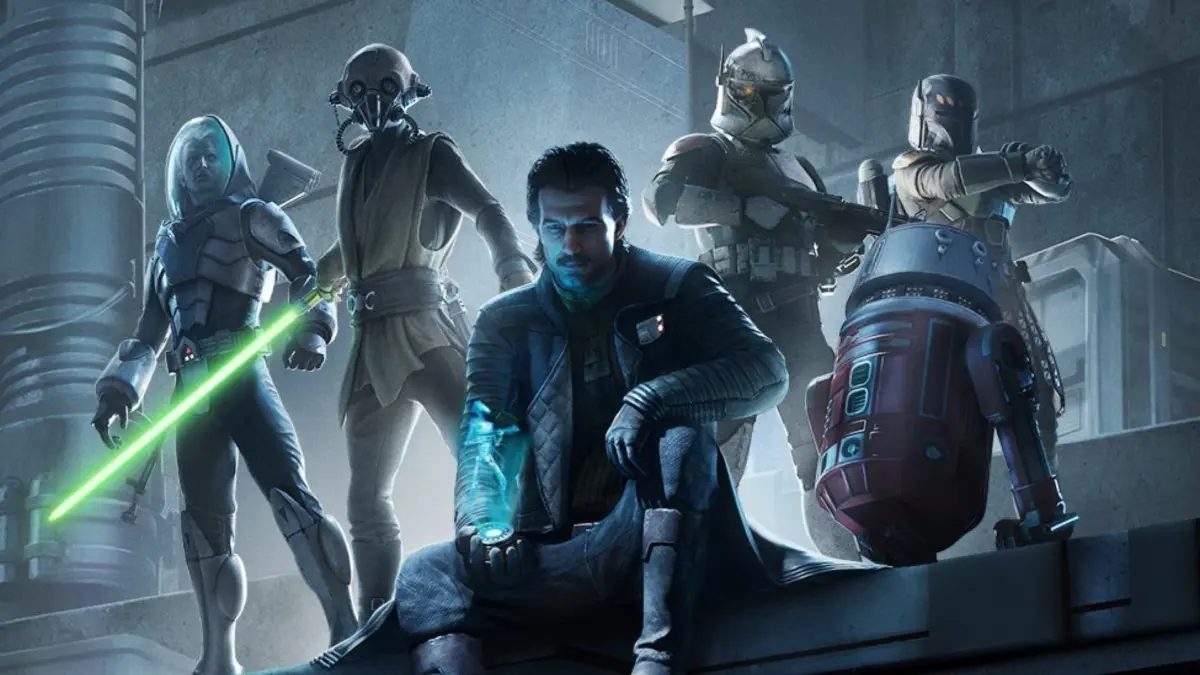
Bit Reactor, the independent development studio behind the critically acclaimed tactical title Star Wars: Zero Company, has officially initiated the process of bringing back staff members who were placed on furlough shortly before the game’s release. CEO Greg Foertsch announced the move this week, characterizing the reinstatement of the workforce as an essential milestone in the studio’s recovery and its ongoing commitment to supporting the title. The decision follows a tumultuous period for the developer, which saw the majority of its employees sidelined due to financial constraints and internal legal disputes, even as the game itself achieved significant commercial and critical success.
According to a statement released by Foertsch, the studio has begun transitioning team members back onto the active payroll, marking a shift from the "leave of absence" status that had affected approximately 80% of the workforce. While the studio has not publicly confirmed the exact number of returning employees, reports from industry analysts and internal sources suggest that more than half of the original headcount has been reinstated. This development provides a glimmer of hope for a studio that had been teetering on the edge of insolvency despite producing one of the most successful Star Wars-licensed games in recent years.
The Financial and Legal Crisis at Bit Reactor
The circumstances leading to the furlough of nearly the entire Bit Reactor team were as complex as they were sudden. Founded by veterans of Firaxis Games—the studio renowned for the XCOM and Civilization franchises—Bit Reactor was positioned as a premiere developer of high-end strategy games. However, just weeks before the launch of Star Wars: Zero Company, the studio reportedly ran out of operational capital. This cash flow crisis was largely attributed to an protracted legal battle between the studio’s co-founders, Alison Kelly and Greg Foertsch.
The dispute ultimately concluded with Foertsch gaining sole ownership of the company, but the legal fees and the distraction of the proceedings left the studio’s coffers depleted at a critical juncture. The decision to furlough 80% of the staff was described by Foertsch as a "necessary" but "incredibly difficult" measure intended to preserve the company’s long-term viability. Unlike standard layoffs, which involve a permanent severance of employment, the furlough was intended to be a temporary suspension of pay and benefits, allowing the studio to retain its talent pool in the hopes of a post-launch financial recovery.
For the developers involved, the timing was particularly jarring. The furlough occurred while the game was in its final polishing stages and heading into its marketing crescendo. While a small skeleton crew remained to oversee the actual release and day-one patching, the bulk of the creative and technical team was left in professional limbo during what should have been the pinnacle of their project’s lifecycle.
Star Wars: Zero Company and the XCOM Legacy
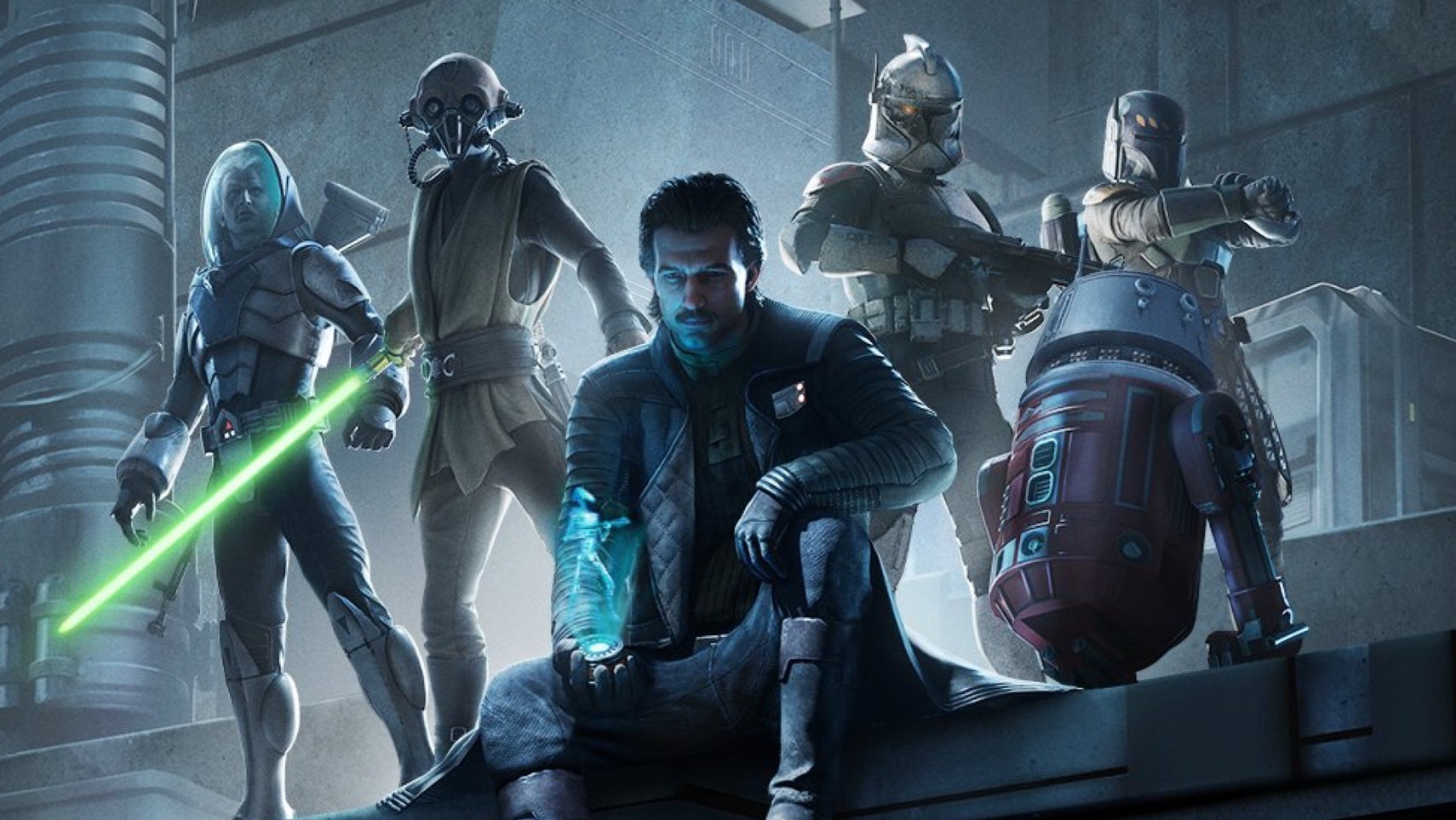
Despite the internal chaos, Star Wars: Zero Company launched to widespread acclaim. The game was lauded for its sophisticated tactical depth, successfully marrying the punishing, high-stakes combat of the XCOM series with the expansive lore of the Star Wars universe. Players take command of a specialized unit known as "Zero Company," navigating various planetary theaters and engaging in turn-based skirmishes that require meticulous planning and resource management.
The market response was immediate. Within its first few weeks of availability, the game surpassed one million units sold, a significant achievement for a tactical strategy game, which is often considered a niche genre compared to first-person shooters or open-world action-adventures. Critics praised the game’s "toy-box" aesthetic—a nod to the tactile feel of Star Wars action figures—combined with a brutal difficulty curve that appealed to veteran strategy enthusiasts.
The commercial success of the game is the primary driver behind the current reinstatement of staff. The revenue generated from these sales has provided Bit Reactor with the necessary liquidity to resume operations and address the backlog of personnel costs. For the industry, the success of Zero Company serves as a proof of concept that high-budget, licensed strategy games remain a viable and lucrative segment of the market when handled by experienced developers.
A Chronology of Uncertainty
To understand the significance of the current reinstatement, it is necessary to look at the timeline of Bit Reactor’s development cycle and the subsequent crisis:
- Early 2022: Bit Reactor is founded by Greg Foertsch and other former Firaxis leads, announcing a partnership with Respawn Entertainment and Electronic Arts (EA) to develop a new Star Wars strategy game.
- 2023 – Early 2024: Development proceeds on Star Wars: Zero Company. The game gains significant "wishlist" traction on digital storefronts.
- Late Spring 2024: Internal legal disputes between co-founders culminate in a restructuring of the company. Greg Foertsch assumes full control.
- Summer 2024 (Pre-Launch): Reports surface that 80% of the staff has been furloughed due to a lack of operational funds. The studio enters a "survival mode" to reach the finish line.
- Launch Period: Star Wars: Zero Company releases to high review scores and hits the one-million-sales milestone shortly after debut.
- Current Month: Bit Reactor officially begins the process of ending the furlough, bringing more than 50% of the team back to active status.
Industry Reactions and the Furlough Trend
The situation at Bit Reactor has been closely watched by labor advocates and industry analysts alike. The video game industry has faced a brutal 18-month period characterized by mass layoffs, with an estimated 10,000 jobs lost in 2023 and similar trends continuing into 2024. Bit Reactor’s use of the furlough, rather than permanent layoffs, is a rarer occurrence in the sector.
While the furlough protected the studio from losing its institutional knowledge permanently, it placed a significant burden on the employees, who were left without income or health insurance during the suspension. Some industry observers have questioned whether the success of the game justifies the risks taken with the livelihood of the staff. However, others argue that in the current volatile climate, the fact that a studio is actively bringing people back—rather than shuttering entirely—is a positive anomaly.
"The team means a tremendous amount to me, and I am incredibly proud of what we have accomplished together," Foertsch said in his recent address. This sentiment is echoed by many in the community who hope that the studio’s "important step forward" leads to a full restoration of all roles.
Broader Implications for Strategy Gaming and Licensed IP
The return of the Bit Reactor team has broader implications for the future of the Star Wars gaming portfolio. Under the current agreement with Lucasfilm Games, several studios are working on various projects within the franchise. The success of Zero Company demonstrates that there is a hunger for Star Wars experiences that move beyond the traditional action-adventure mold of titles like Jedi: Survivor.
With the developers returning to their desks, the focus now shifts to the post-launch roadmap for Zero Company. Fans have been vocal about their desire for downloadable content (DLC), including new character classes, additional planetary campaigns, and expanded multiplayer features. The reinstatement of the technical team is a prerequisite for any such expansions, as well as for the continued technical support and balancing required for a complex strategy game.
Furthermore, the stability of Bit Reactor is crucial for the reputation of independent "AA" or "Triple-I" studios. These mid-sized entities are often the most vulnerable to the "hit or miss" nature of the gaming market. By navigating a legal crisis and a near-collapse to emerge with a hit product and a rehired workforce, Bit Reactor could serve as a case study in crisis management—albeit a controversial one.
Looking Ahead: The Path to Full Recovery
While the return of more than half the staff is a major victory, Bit Reactor is not yet back to its full pre-furlough strength. A significant portion of the workforce remains in limbo, and the studio has not provided a definitive timeline for when, or if, the remaining employees will be invited back. The long-term health of the studio will depend on sustained sales of Zero Company and the potential for future projects under the Star Wars banner or other intellectual properties.
The gaming community’s response to the news has been largely supportive of the developers, though tempered by concerns for those still waiting for their jobs to return. On social media platforms and gaming forums, the consensus remains that the quality of Star Wars: Zero Company is a testament to the talent of the team—a talent pool that Bit Reactor is now fighting to keep intact.
As the studio continues to process the return of its personnel, the industry will be watching to see if Bit Reactor can maintain its momentum. For now, the lights are turning back on at one of the strategy genre’s most promising new houses, signaling that even in a galaxy of corporate uncertainty, a successful launch can still provide a path home for those who built it. Greg Foertsch’s promise to share "more updates soon" suggests that the story of Bit Reactor and Star Wars: Zero Company is far from over, as the studio seeks to turn a successful debut into a sustainable future.