Garick Elordi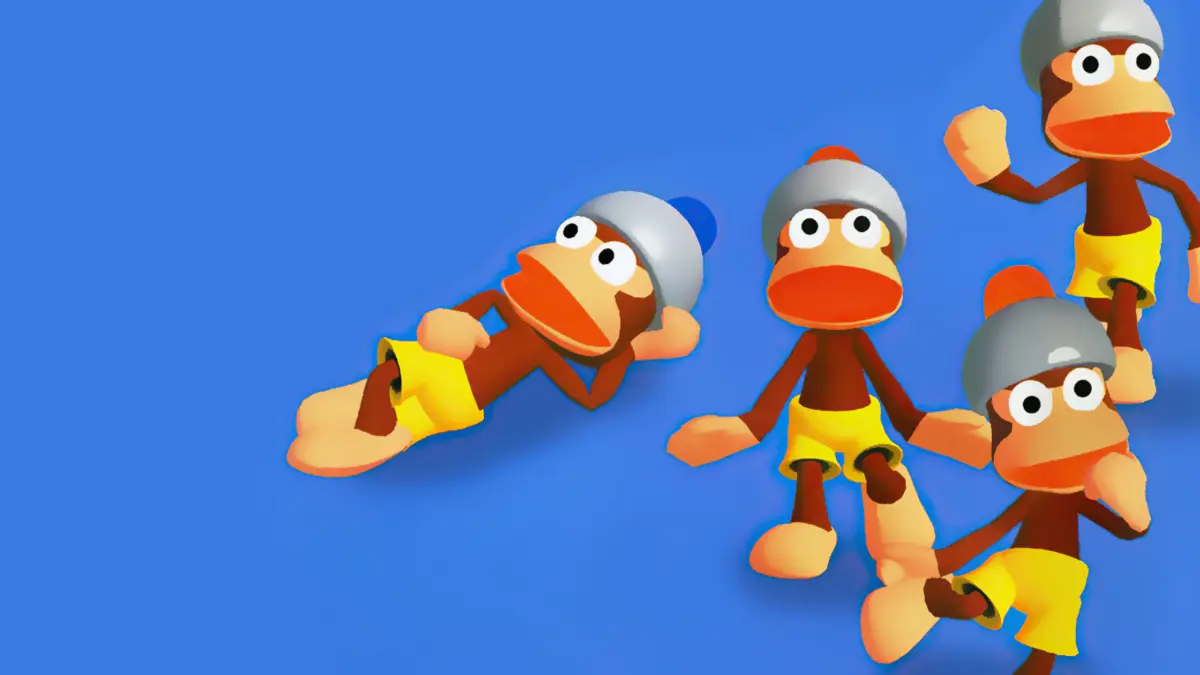
Sony Interactive Entertainment is reportedly preparing to breathe new life into its extensive catalog of dormant intellectual properties, beginning with a long-awaited revival of the Ape Escape franchise. According to industry reports and veteran analysts, the project is being handled by Evening Star, an independent development studio renowned for its work on Sonic Mania and the recently released 3D platformer Penny’s Big Breakaway. This move signals a significant shift in Sony’s publishing strategy, suggesting a newfound willingness to collaborate with external, third-party developers to maintain its classic franchises while its primary first-party studios remain focused on high-budget, cinematic blockbusters.
The information regarding the Ape Escape revival first surfaced via The Jeff Gerstmann Podcast, where the titular host and industry veteran revealed that the project has been in discussion for approximately a year. Gerstmann clarified that while many fans initially suspected Team Asobi—the internal Sony studio behind the critically acclaimed Astro Bot—might be the developer, his understanding points toward Evening Star. This report was subsequently corroborated by VGC, citing its own sources familiar with Sony’s internal planning. While the game is not believed to be close to a public release, the choice of developer suggests a return to the series’ creative, platforming-centric roots.
The Evolution of Evening Star and the Choice of Developer
The selection of Evening Star as the steward for a new Ape Escape title is a move that has garnered significant interest from industry observers. Evening Star was founded by Christian Whitehead, Dave Padilla, Tom Fry, Hunter Bridges, and Brad Forth—the core team behind Sonic Mania. Sonic Mania remains one of the highest-rated entries in the Sonic the Hedgehog franchise in decades, praised for its deep understanding of classic physics and inventive level design.
Following the success of Sonic Mania, the team transitioned to original intellectual property with Penny’s Big Breakaway. That title showcased the studio’s ability to handle complex 3D movement and physics-based gameplay, which are essential components of the Ape Escape formula. The Ape Escape series has always been defined by its unique control scheme and gadget-based navigation. By entrusting the IP to a studio with a proven track record in the platforming genre, Sony appears to be prioritizing mechanical depth and genre expertise over internal proximity.
A Historical Overview of the Ape Escape Franchise
Ape Escape holds a unique position in the history of the PlayStation brand. The original game, released in 1999 for the PlayStation 1, was the first title to require the use of the DualShock analog controller. It utilized the dual sticks in a way that was revolutionary at the time: the left stick controlled movement, while the right stick manipulated various gadgets, such as the "Stun Club" and the "Time Net."
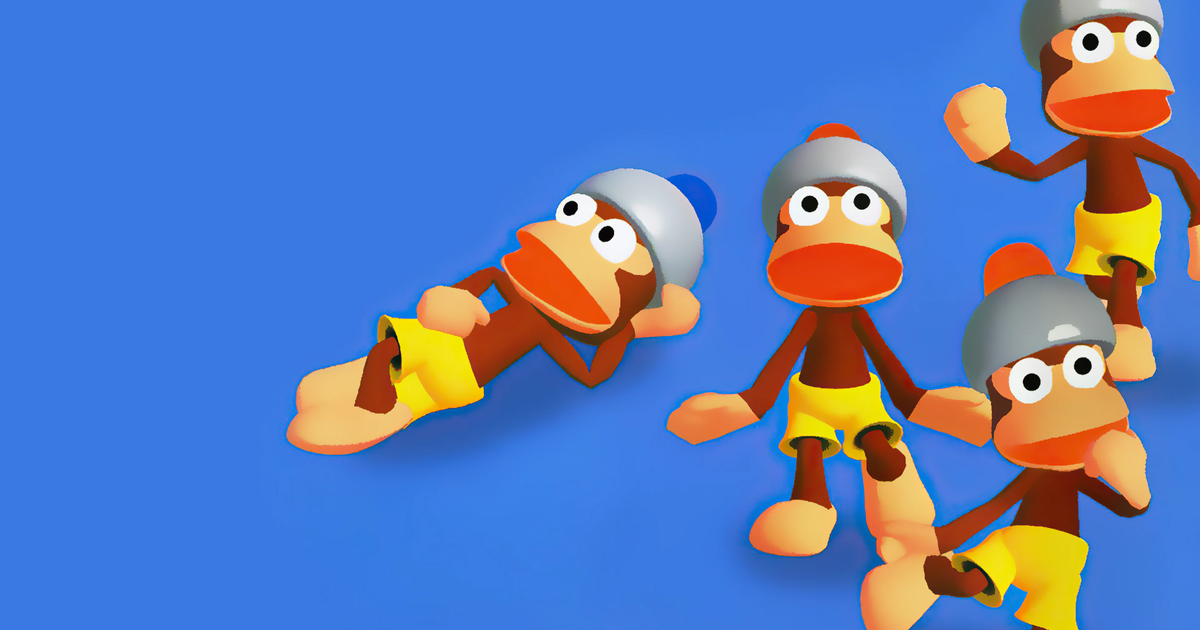
The series centers on a group of monkeys who gain heightened intelligence and a desire for world domination after donning "Peak Point Helmets" created by a rogue primate named Specter. Players take on the role of a "Catcher" tasked with traveling through time to capture the escaped apes. The franchise saw two direct sequels, Ape Escape 2 (2002) and Ape Escape 3 (2005), both released on the PlayStation 2.
Despite its popularity, the mainline series went dormant after 2005. The IP saw several spin-offs, including the racing game Ape Escape: Pumped & Primed and the motion-controlled PlayStation Move Ape Escape in 2010, but a traditional 3D platforming entry has been absent for nearly two decades. The franchise’s recent resurgence in the public consciousness is largely attributed to the heavy presence of Ape Escape-themed "VIP Bots" and levels in Astro Bot, which served as a reminder of the character’s enduring charm.
The Shift Toward External Development for Legacy IP
The reported revival of Ape Escape is part of a broader tactical pivot by Sony Interactive Entertainment. For much of the PlayStation 4 and PlayStation 5 eras, Sony’s first-party "PlayStation Studios" (such as Naughty Dog, Guerrilla Games, and Santa Monica Studio) have focused on massive, "prestige" titles with budgets often exceeding $200 million and development cycles lasting five to seven years.
This focus on AAA blockbusters has left little room for the "B-tier" or "AA" franchises that helped define the PlayStation brand in the late 90s and early 2000s. To address this gap, Sony is reportedly looking toward a "Second-Party" model, where Sony owns the IP but hires specialized external studios to develop new entries.
This strategy has already seen implementation in other areas. The upcoming revival of Everybody’s Golf (previously known as Hot Shots Golf) is being handled by Bandai Namco, despite the IP being a Sony-owned classic. Similarly, rumors have persisted that Sony is exploring a return to the Killzone franchise through a partnership with People Can Fly, the developers of Outriders and Gears of War: Judgement. By leveraging external talent, Sony can maintain a diverse software lineup without diverting the resources of its primary studios from their flagship projects.
Analyzing the Market Demand for Classic Platformers
The decision to revive Ape Escape comes at a time when the market for 3D platformers is experiencing a notable renaissance. The success of Nintendo’s Super Mario Odyssey and the overwhelming critical and commercial reception of Sony’s own Astro Bot have demonstrated that there is a massive audience for high-quality, inventive platforming games that prioritize fun and creativity over narrative grit.

Industry data suggests that "nostalgia-driven" revivals are increasingly viable. The Crash Bandicoot N. Sane Trilogy and the Spyro Reignited Trilogy both saw sales in the millions, proving that older audiences are eager to revisit childhood favorites while new generations are receptive to these classic gameplay loops. For Sony, Ape Escape represents a low-risk, high-reward opportunity to capture this demographic. Unlike a new Horizon or God of War title, an Ape Escape game can be produced on a more modest budget with a smaller team, making it a sustainable way to pad the PlayStation release calendar.
Implications for Other Dormant PlayStation Franchises
If the Ape Escape revival proves successful, it could open the floodgates for other long-lost PlayStation icons. Fans have long campaigned for the return of franchises such as Sly Cooper, Jak and Daxter, and Resistance.
- Sly Cooper: Last seen in 2013’s Thieves in Time (which was also developed by an external studio, Sanzaru Games), the thieving raccoon remains a top candidate for a revival.
- Jak and Daxter: While Naughty Dog has moved on to The Last of Us, the studio has frequently expressed affection for the duo, and a third-party developer could potentially take the reins.
- The Legend of Dragoon: As Sony looks to compete in the RPG space, a remake or sequel to this cult classic JRPG remains a frequent request among the core fanbase.
The reported Killzone project with People Can Fly further suggests that Sony is not limiting this strategy to platformers, but is looking across all genres to see which IPs can be revitalized through external partnerships.
Official Responses and Expected Timeline
As of this writing, Sony Interactive Entertainment has not officially confirmed the existence of a new Ape Escape game or its partnership with Evening Star. The company typically maintains a strict "no comment" policy regarding rumors and speculation. Evening Star has also remained silent on the matter, focusing on the post-launch support for Penny’s Big Breakaway.
However, the corroboration from multiple reputable sources suggests that the project is in the active development phase. Given the typical development cycles for "AA" titles, industry analysts speculate that a formal announcement could occur within the next 12 to 18 months, possibly during a major State of Play or PlayStation Showcase event.
The potential return of Ape Escape marks a turning point for Sony’s management of its legacy. By acknowledging that its first-party studios cannot—and perhaps should not—do everything, Sony is finding a way to honor its history while looking toward the future. For the fans who have spent years hoping for the return of the chaotic, helmet-wearing monkeys, this report offers the most substantial glimmer of hope in nearly twenty years. Whether this leads to a full-scale revival of the "Classic PlayStation" era remains to be seen, but the capture of the first few apes seems to be well underway.