
 George Chandra Eka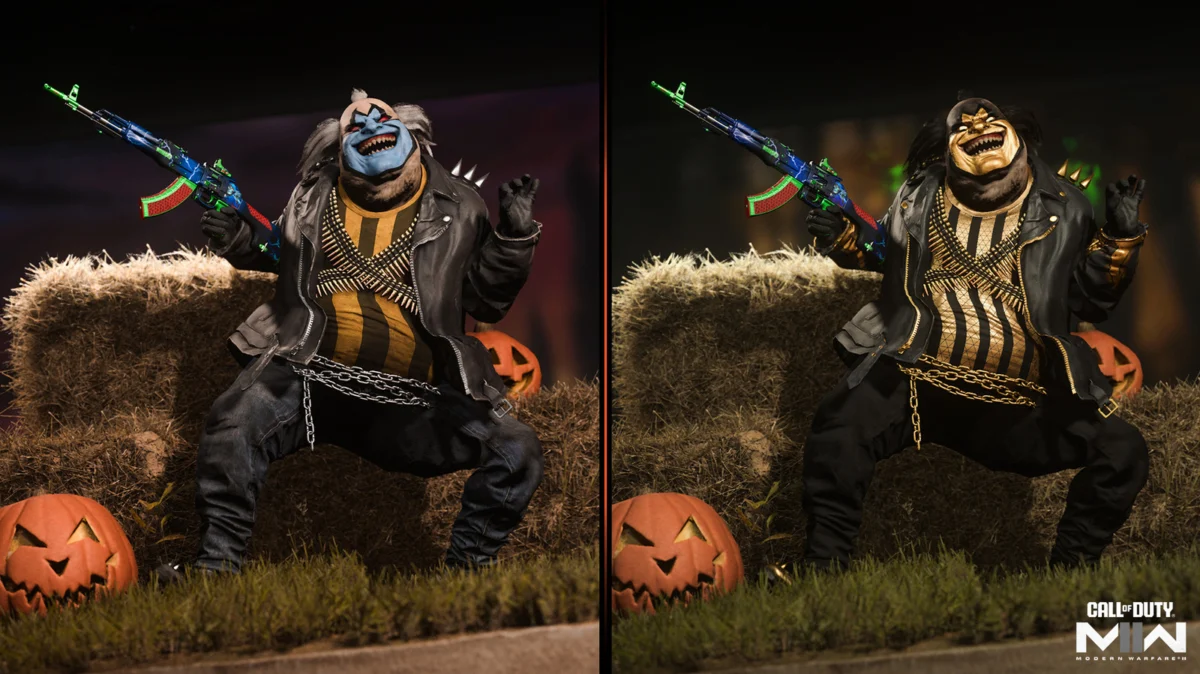
Activision has announced a significant new feature for Call of Duty: Warzone players, set to debut with Season 1 of Modern Warfare III: an optional toggle that allows individuals to replace all "non-standard" cosmetic Operator skins with generic, tactical appearances during matches. This client-side rendering option, which will be turned off by default, is designed to address a long-standing point of contention within the game’s massive community, offering a solution for those who prefer a more grounded and visually consistent combat experience. The introduction of this feature marks a notable developer response to the growing aesthetic diversity, and sometimes absurdity, of character customization options that have proliferated across the Call of Duty universe in recent years.
The forthcoming toggle will specifically affect Warzone matches, transforming any Operator skins acquired from various sources outside of the standard military-themed offerings into generic, faction-appropriate soldier models for the player who enables the setting. Crucially, this change is purely visual and client-specific; it does not alter the appearance of other players’ Operators on their own screens, nor does it impact the player’s own chosen skin, which will remain visible to them. This nuanced implementation ensures that players who enjoy the more outlandish cosmetics can continue to display them, while those seeking a more traditional military aesthetic can achieve it without dictating the experience for others. The decision to implement such a feature underscores a balancing act between catering to diverse player preferences and maintaining the franchise’s identity.
The Aesthetic Shift: From Military Realism to Pop Culture Crossovers
The Call of Duty franchise, particularly since the resurgence of Modern Warfare in 2019 and the launch of Warzone in 2020, has undergone a profound transformation in its approach to character cosmetics. Historically, Call of Duty games largely adhered to a realistic, military-centric aesthetic, with Operator skins reflecting authentic soldier gear, uniforms, and tactical equipment. Customization was present but generally subtle, focused on different camouflage patterns or slight variations in tactical loadouts. This commitment to realism was a hallmark of the series, distinguishing it from more stylized or fantastical shooters.
However, the advent of the "games-as-a-service" model and the immense success of microtransactions in the broader gaming industry prompted a significant shift. To sustain engagement and revenue beyond initial game sales, Call of Duty embraced Battle Passes and an in-game store featuring a vast array of cosmetic items. This strategic pivot opened the floodgates for an explosion of increasingly diverse, and often outlandish, Operator skins.
Initially, this expansion brought more creative interpretations of military archetypes, but it quickly evolved to include characters and designs far removed from conventional warfare. Iconic action movie characters like Rambo and John McClane were among the first major pop culture crossovers, proving incredibly popular. This paved the way for an even broader spectrum of collaborations and original designs. Players could soon embody figures such as the legendary rapper Snoop Dogg, the pop superstar Nicki Minaj, or even characters from popular animated series like Beavis and Butt-Head. Beyond licensed characters, the game introduced fantastical creatures, brightly colored mascots like "Wubz," and even Operators with supernatural or sci-fi aesthetics, blurring the lines of the franchise’s original grounded identity.
These "goofy" skins, as they are often termed by the community, became a significant revenue stream for Activision. In-game purchases, including Operator bundles, weapon blueprints, and Battle Passes, contribute billions of dollars annually to Activision Blizzard’s net bookings. The allure of unique, limited-time, or pop-culture-infused cosmetics proved a powerful monetization tool, appealing to a wide segment of the player base eager to personalize their in-game presence.
Community Discord: The Debate Over Immersion and Expression
The proliferation of these diverse cosmetics ignited a passionate and often divisive debate within the Call of Duty community. Two primary factions emerged, each with valid arguments regarding the direction of the game’s aesthetic.
On one side were players who prioritized immersion, realism, and competitive integrity. These veterans of the franchise, many drawn to Call of Duty for its gritty, tactical combat, found the increasingly outlandish skins to be jarring and immersion-breaking. Encountering a brightly colored cartoon character or a monstrous creature in a supposedly realistic urban warfare scenario detracted significantly from their experience. For these players, the visual cacophony created by a match populated by diverse, non-military Operators undermined the game’s atmosphere and its core identity. Beyond aesthetics, concerns were raised about competitive fairness. Certain skins, due to their size, color, or visual effects, could potentially offer unintended advantages or disadvantages. A brightly glowing Operator might be easier to spot against a dark background, while a particularly dark or camouflaged skin could blend too effectively, creating a "pay-to-win" or "pay-to-lose" scenario in the eyes of some. The visual clutter in fast-paced engagements, where split-second target acquisition is crucial, also became a point of frustration.
Conversely, a substantial segment of the player base embraced the variety and expressive potential of the new skins. For them, the ability to play as their favorite movie character, pop culture icon, or a uniquely designed Operator added a layer of fun and personalization to the game. They viewed the cosmetic options as a way to stand out, showcase their personality, or simply enjoy the lighter side of gaming. This group often argued that Call of Duty, particularly Warzone, is ultimately an arcade shooter, not a military simulator, and therefore should not be constrained by strict adherence to realism. For these players, the "goofy" skins contributed to the game’s entertainment value and helped keep the experience fresh and exciting.
The debate intensified with each new Battle Pass and store bundle release, with social media platforms and gaming forums becoming arenas for heated discussions. While some praised Activision’s willingness to experiment and collaborate, others lamented what they perceived as a departure from the franchise’s roots and a concession to monetization over artistic integrity. Community managers, serving as a direct link between players and developers, were undoubtedly privy to this ongoing dialogue, relaying feedback that highlighted a clear division in player sentiment.
Chronology of Cosmetic Integration and Player Reaction
The journey from subtle customization to extravagant cosmetics in Call of Duty can be charted through key titles and development cycles:
- Pre-2019 Era: Earlier Call of Duty titles, such as the original Modern Warfare trilogy, Black Ops, and Ghosts, featured relatively restrained cosmetic options. Player models were largely generic, with customization limited to weapon camos, emblems, and calling cards. The focus remained firmly on military authenticity.
- Modern Warfare (2019) & Warzone Launch (2020): This period marked a pivotal shift. While Modern Warfare (2019) initially presented a more grounded aesthetic, the introduction of Warzone and its accompanying Battle Pass system opened the door to more elaborate Operator skins. Early additions were still largely tactical, but the groundwork for future expansion was laid.
- Black Ops Cold War (2020) & Vanguard (2021): These titles saw an acceleration in the diversity of cosmetic offerings. While still rooted in their respective historical periods, the boundaries began to stretch with more vibrant colors, stylized designs, and the first major pop culture crossovers like Rambo and John McClane, coinciding with in-game events.
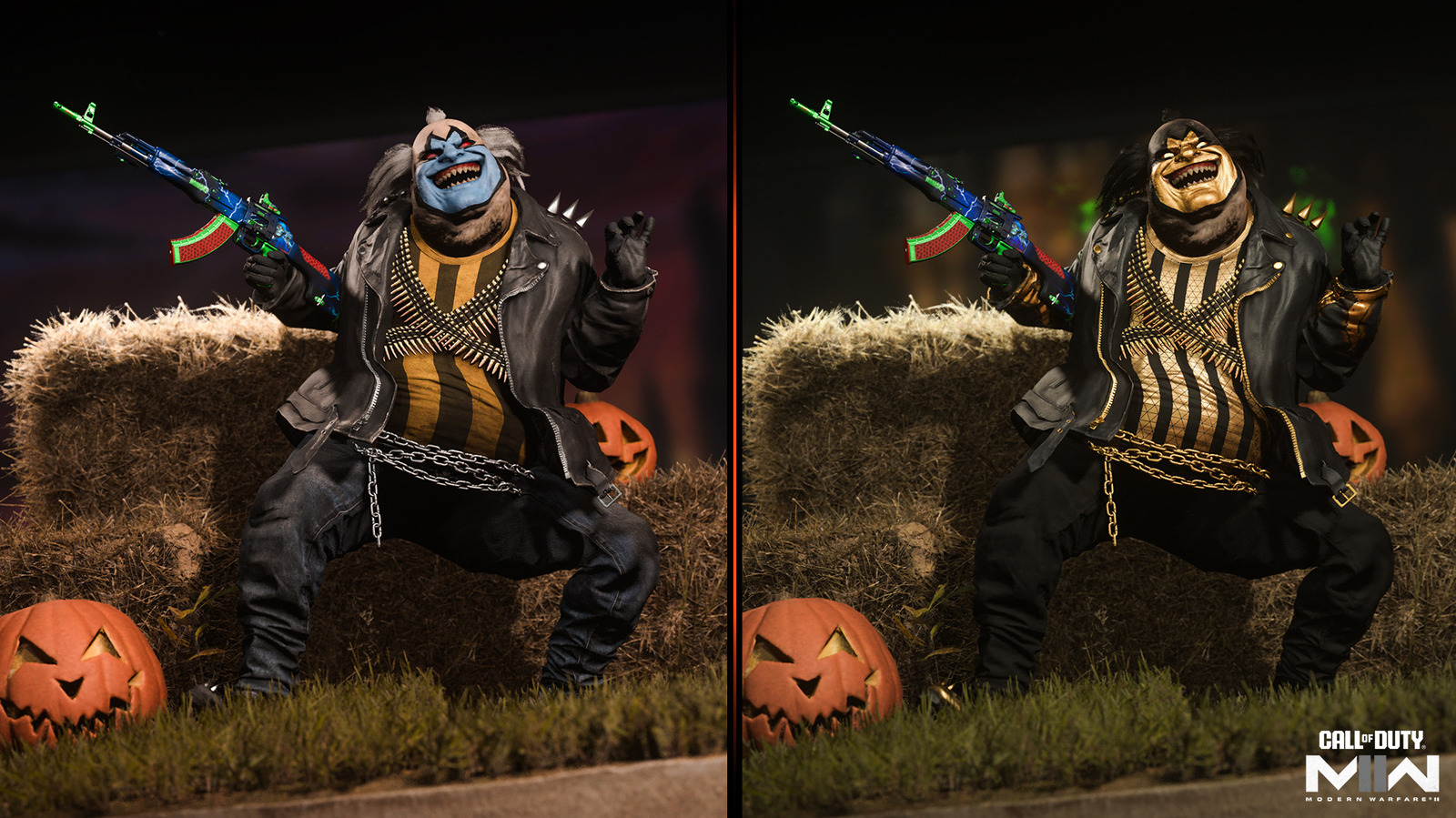
- Modern Warfare II (2022) & Current Warzone 2.0: This era witnessed an explosion of highly unconventional skins. Collaborations became more frequent and outlandish, featuring characters like Snoop Dogg, Nicki Minaj, Shredder from Teenage Mutant Ninja Turtles, Spawn, and characters from The Boys and Diablo. The introduction of the "Wubz" creature, a brightly colored, furry monster, became a particular flashpoint, epitomizing the extreme end of the cosmetic spectrum and drawing widespread criticism for its perceived incongruity with the game’s setting. It was during this period that player complaints about "goofy" skins reached a fever pitch, prompting many discussions about whether the game had lost its original identity.
- Modern Warfare III (2023) & Future Warzone Integration: The upcoming Season 1 of Modern Warfare III and its integration with Warzone is the direct context for this new toggle. The timing suggests that developer Sledgehammer Games (for MWIII) and Raven Software (for Warzone), under Activision’s umbrella, have been actively listening to player feedback regarding the visual direction of the game, particularly in the battle royale mode.
Implementing the Toggle: Mechanics and Player Experience
The mechanics of the new cosmetic toggle are straightforward yet strategically designed to minimize negative impact while maximizing player choice. When activated in the Warzone settings menu, the toggle will essentially replace specific Operator models with default, faction-appropriate avatars for the player who has enabled it. For example, a player with the toggle on would see a generic SpecGru or KorTac Operator where another player might be sporting the Beavis or Butt-Head skin.
Key aspects of its implementation include:
- Client-Side Rendering: The toggle operates locally on the player’s machine. This means the game client processes and displays the generic skins only for that specific player. The actual Operator choice of other players remains unchanged on their own screens. This avoids forcing an aesthetic choice on anyone and ensures that players who have purchased or earned unique skins can still enjoy seeing their own customization.
- Default-Off Setting: The feature will be disabled by default. This decision likely reflects Activision’s primary business model, which heavily relies on the visibility and desirability of cosmetic items to drive sales. Keeping it off by default ensures that the majority of players will continue to see the full range of skins, potentially encouraging further purchases. It also prevents any inadvertent alteration of the game’s visuals for players who are content with the current aesthetic.
- Player’s Own Skin Unaffected: A crucial detail is that the toggle does not hide the player’s own chosen Operator skin. If a player wants to be the "lone cartoon character" in a match while everyone else appears in camo to them, that is entirely possible. This caters to players who enjoy owning unique skins but wish for a more uniform visual experience from their opponents and teammates.
- Warzone Specific: The announcement explicitly states this feature is for Warzone matches. The reasons for this specificity are likely multi-faceted. Warzone, with its large-scale battles (up to 150 players), varied environments, and longer match durations, presents a greater potential for visual clutter and immersion-breaking encounters compared to traditional 6v6 multiplayer modes. The competitive stakes in Warzone also tend to be higher for many players, making visual distractions more impactful.
This feature represents a sophisticated compromise, acknowledging both the commercial success of diverse cosmetics and the persistent demands for a more traditional Call of Duty aesthetic. It allows for a personalized visual experience without fragmenting the player base or undermining the monetization strategy built around unique Operator skins.
Broader Implications: Balancing Player Choice and Monetization
The introduction of the "goofy skins" toggle carries several significant implications for Call of Duty, its player base, and potentially the wider gaming industry.
Player Satisfaction and Retention: The most immediate impact is likely on player satisfaction. A substantial portion of the Call of Duty community has vocalized their desire for such a feature for years. By providing this option, Activision directly addresses a core complaint from a segment of its loyal player base, particularly those who have felt alienated by the game’s evolving aesthetic. This responsiveness could lead to increased player retention among those who previously felt their preferred gameplay experience was being compromised. It signals that developer feedback channels are active and that community concerns are being taken seriously.
Competitive Integrity: While the toggle doesn’t fundamentally change hitboxes or gameplay mechanics, it does offer a psychological benefit for competitive players. By removing visual distractions and homogenizing enemy appearances, players can focus more effectively on target acquisition and tactical decision-making, rather than being momentarily disoriented by an unexpected character model. This move could contribute to a perceived leveling of the playing field, making Warzone feel more "serious" and skill-based for those who opt into it. However, it’s important to note that unique skins will still exist for those who don’t use the toggle, so competitive benefits are purely client-side.
Monetization Strategy and Future Content: A key question revolves around the impact on Activision’s robust monetization strategy. Will players be less inclined to purchase outlandish skins if they know a significant portion of the player base might not see them? The answer is likely nuanced. Since the toggle is off by default and doesn’t affect the purchaser’s own view, the desire for self-expression and ownership of unique, high-profile collaborations will likely remain strong. Players buy skins primarily for their own enjoyment and to showcase them to friends, rather than solely for anonymous opponents. The toggle primarily serves those who are annoyed by others’ skins, not those who buy them. Therefore, while there might be a marginal impact, it is unlikely to severely diminish the lucrative market for Call of Duty cosmetics. This feature represents a smart compromise that balances player satisfaction with ongoing revenue generation. It allows for continued creative freedom in cosmetic design while mitigating the negative aesthetic externalities for a specific player group.
Developer Responsiveness and Industry Trends: This move could set a precedent within the broader gaming industry, particularly for games that have ventured into highly diverse cosmetic offerings. As more games adopt "games-as-a-service" models and rely on cosmetic sales, the potential for aesthetic fatigue or division within player bases increases. Call of Duty‘s solution offers a blueprint for how developers can cater to divergent aesthetic preferences without sacrificing monetization or alienating either camp. It demonstrates a sophisticated understanding of player psychology and community management, moving beyond a one-size-fits-all approach.
In conclusion, the introduction of a cosmetic toggle in Call of Duty: Warzone is more than just a minor feature; it is a strategic decision that addresses years of player feedback, reflects a mature approach to game monetization, and signals a commitment to fostering a diverse yet accommodating player experience. By offering players the choice to tailor their visual environment, Activision aims to reinforce Warzone‘s appeal across its vast and varied community, ensuring that both those who embrace the chaotic fun of pop culture crossovers and those who yearn for tactical realism can find their preferred battlefield experience. This move could well define a new standard for customization and player agency in the ever-evolving landscape of live-service games.







