Sisilia Frederika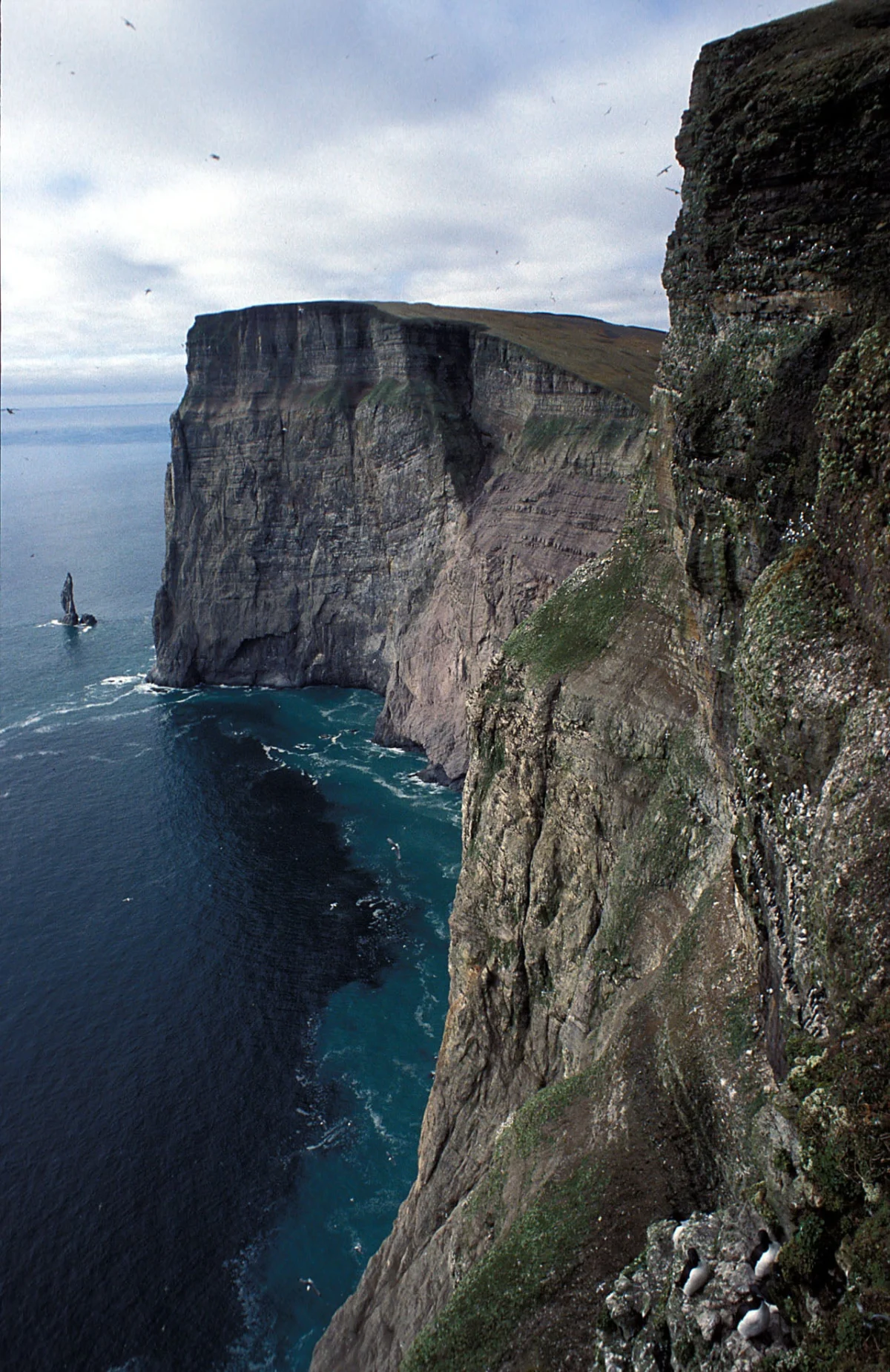
The quest to identify the origins of complex life on Earth is often overshadowed by the high-profile search for biosignatures on Mars or the subsurface oceans of icy moons like Europa and Enceladus. However, for the scientific community, understanding the emergence of the first eukaryotes—cells with a nucleus and specialized organelles—remains a cornerstone of astrobiology. This pursuit is not merely a look backward into terrestrial history but a vital roadmap for identifying life elsewhere in the cosmos. For approximately 90 percent of Earth’s history, life was exclusively microbial, and the transition from simple prokaryotic cells to complex eukaryotic organisms represents perhaps the most significant evolutionary leap in the history of the biosphere.
Dr. Ross Anderson, a prominent paleontologist at the University of Oxford, emphasizes that the narrative of life on Earth is one of long-duration microbial dominance interrupted by pivotal moments of biological innovation. According to Anderson, the timeline of Earth’s biological evolution is vast: the origins of life itself date back more than 3.5 billion years, yet the rise of the animal kingdom occurred only within the last 570 million years. Between these two points lies the critical, yet often enigmatic, development of the eukaryotic cell, an event that Anderson considers the true beginning of complex life.
The Biological Architecture of Complexity
To understand why eukaryotes are fundamental to the story of life, one must examine their cellular architecture. Unlike bacteria and archaea (prokaryotes), which are relatively simple and lack internal membrane-bound structures, eukaryotes possess a defined nucleus to house their DNA. More importantly, they contain organelles such as mitochondria, which act as the cell’s power plants. These structures allow for more energy-intensive lifestyles, enabling cells to grow larger, develop multicellularity, and eventually evolve into the macroscopic forms we recognize today.
"It’s the eukaryotes which have developed complex multicellularity and macroscopic forms," Anderson explains. All animals, plants, and fungi are eukaryotic. This evolutionary branch allowed for the diversification of life into the vast array of organisms that inhabit the modern world. Without the emergence of the eukaryotic cell roughly 1.7 billion years ago, the Earth might have remained a planet of "slime," dominated by biofilms and single-celled organisms with little morphological diversity.
The common ancestor of the plant and animal kingdoms is estimated to have existed around 1.6 billion years ago. This "crown eukaryote" ancestor represents the point of divergence that eventually led to the massive diversity of the Ediacaran and Cambrian periods. However, tracing this lineage is a "herculean task" for paleontologists due to the fragile nature of these early organisms.
A Chronology of Terrestrial Evolution
The history of life on Earth is characterized by several major milestones that researchers use to frame the evolution of complexity:
- 3.5+ Billion Years Ago: The earliest evidence of life appears, likely in the form of simple, single-celled prokaryotes.
- 2.3 Billion Years Ago: The Great Oxygenation Event occurs, driven by the rise of cyanobacteria and oxygenic photosynthesis. This transformed the Earth’s atmosphere and set the stage for more energetically demanding life forms.
- 1.7 to 1.8 Billion Years Ago: The first eukaryotes appear in the fossil record. These early cells are significantly larger than their bacterial counterparts but remain microscopic.
- 1.6 Billion Years Ago: The estimated divergence of the last common ancestor shared by plants, animals, and fungi.
- 1 Billion Years Ago: The emergence of multicellular algae, representing an early experiment in complex structure.
- 570 to 540 Million Years Ago: The Ediacaran period sees the rise of soft-bodied multicellular biota, followed by the "Cambrian Explosion," where mobility, shells, and skeletons first appear.
For paleontologists like Anderson, the vast gap between the first eukaryotes (1.7 billion years ago) and the rise of animals (570 million years ago) is the most intriguing "black box" in Earth’s history. During this billion-year span, life was evolving the genetic and structural tools necessary for the later explosion of diversity, yet the fossil record for this era is notoriously sparse.
The Challenge of the Ancient Record
The primary obstacle in studying early eukaryotes is the lack of "hard parts." No organism older than approximately 500 million years possessed shells or skeletons, as biomineralization had not yet evolved. Consequently, early life consisted entirely of soft tissue, which is prone to rapid decay and degradation over geological timescales.
"Paleontologists are reliant on quite unusual environmental settings where cellular remains and soft tissues can be preserved," Anderson notes. Most fossils from this era are "microfossils"—tiny organic structures that must be extracted from rock using precise chemical and physical methods. Because these fossils have been subject to billions of years of tectonic activity, heat, and pressure, their preservation is rare.
The degradation of eukaryotic microfossils means that the current fossil record is significantly under-sampled. To fill these gaps, researchers must act as geological detectives, identifying specific "sweet spots" where the chemistry of the ancient environment favored the preservation of delicate cellular walls.
Searching the Frontiers: From Svalbard to Australia
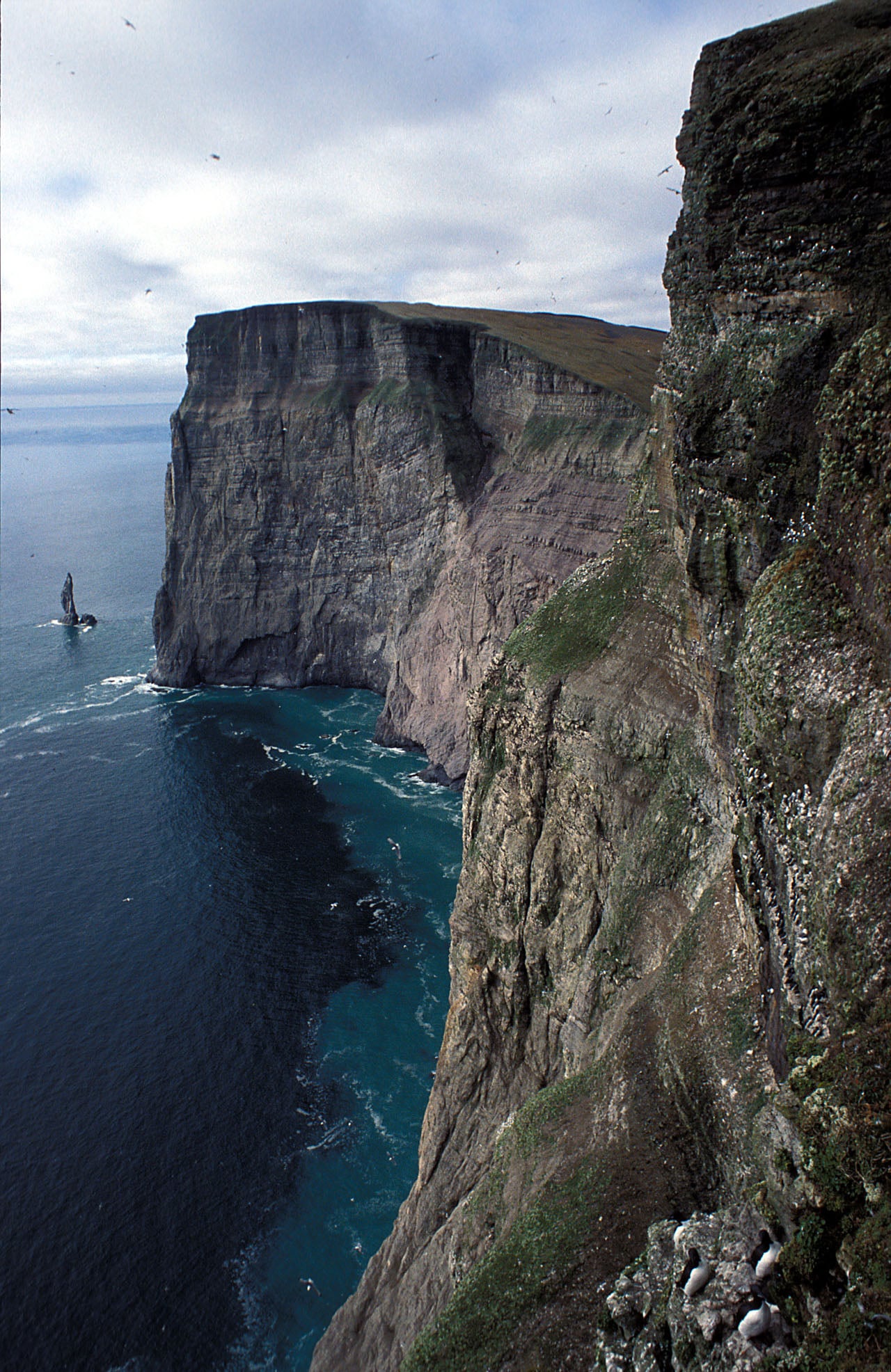
The search for these elusive fossils has led researchers to some of the most remote and inhospitable regions on Earth. Anderson and his colleagues have focused their efforts on a 100-square-kilometer area in a remote group of islands near Svalbard, Norway. Located at 80 degrees North, this region was once a shallow sea where ancient sediments accumulated in a way that protected organic matter.
Similarly, in 2023, researchers in Australia announced the discovery of some of the oldest eukaryotic microfossils ever found, dating back 1.75 billion years. These discoveries often occur in ancient coastal areas. In the Proterozoic eon, these coastal zones were nutrient-rich environments where early eukaryotes could thrive, benefiting from organic runoff and sunlight.
Anderson’s specific expertise lies in the role of clay minerals in fossil preservation. Certain types of clay, when deposited in massive quantities, can coat and protect microscopic organisms, sealing them off from the oxygen and bacteria that would otherwise cause them to rot. "A lot of the work we’ve done on clays was motivated by finding life on other planets," says Anderson. By understanding how clay preserves life on Earth, scientists can better target locations on Mars—such as the clay-rich Jezero Crater—where ancient Martian life might have been "mummified" in the sediment.
Implications for Astrobiology and the Search for Extra-Terrestrial Life
The study of Earth’s early eukaryotes is inseparable from the search for life beyond our planet. If life on Earth remained microbial for 90 percent of its history, it suggests that while microbial life might be common in the universe, the transition to complex, multicellular life could be an extremely rare and difficult evolutionary hurdle.
The "Bottom Line," according to Anderson, is that we cannot hope to recognize or understand life on other planets if we do not have a comprehensive grasp of how it started and evolved on our own. The chemical signatures and geological settings that preserved the first eukaryotes on Earth serve as a primary "instruction manual" for missions like NASA’s Perseverance rover.
If the transition from single-celled to multicellular life happened multiple times on Earth, as Anderson suggests, it raises the possibility that similar transitions could occur on any planet with stable liquid water and an energy source. However, the fact that it took billions of years for Earth to move past the microbial stage suggests that the "window" for complex life to evolve is narrow and dependent on a very specific set of planetary conditions.
Analysis of Future Research Directions
As analytical technology improves, the field of paleobiology is moving toward more precise data collection. Researchers are now able to use high-resolution imaging and chemical analysis to distinguish between "biomorphs" (naturally occurring mineral structures that look like life) and actual biological fossils. This rigor is essential when dealing with 1.7 billion-year-old samples.
The biggest challenge remains the "under-sampled" nature of the record. Much of the Earth’s ancient crust has been recycled through subduction or destroyed by erosion. Finding "pristine" rocks that have not been cooked by the Earth’s internal heat is the primary goal for the next generation of paleontologists.
"We’ve started to figure out which are the right rocks to find early fossils," Anderson concludes. This data is finally allowing scientists to record the history of Earth’s earliest life with a level of detail that was previously impossible. As we refine our understanding of the Ediacaran/Cambrian transition and the billion years of eukaryotic evolution that preceded it, we move closer to answering the ultimate question: Is the rise of complex life an inevitable consequence of biology, or a terrestrial fluke that we are unlikely to find elsewhere in the stars?