Garick Elordi
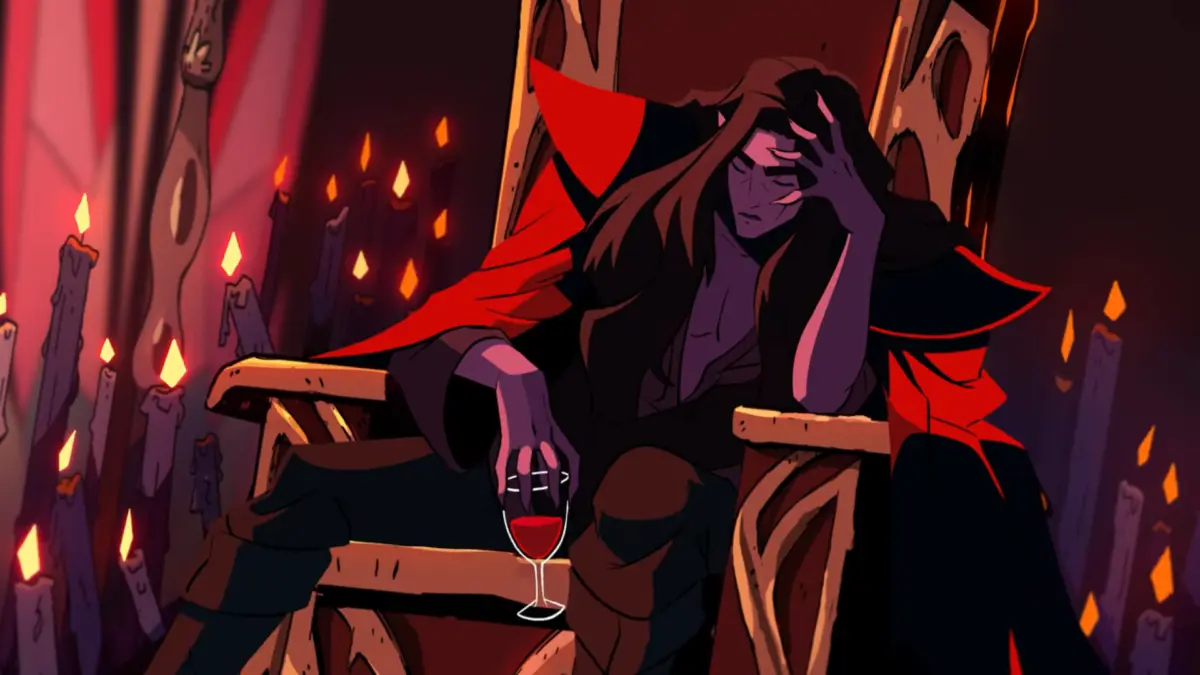
Digital Sun, the independent Spanish development studio recognized for the critically acclaimed roguelike Moonlighter and the tactical RTS Cataclismo, has officially announced a significant delay and restructuring of its upcoming playtest for ReVamp. The decision, which pivots the testing phase from a public Steam-based event to a restricted Discord-only rollout, stems from escalating industry anxieties regarding generative artificial intelligence and the increasing speed at which unreleased games are being reverse-engineered and cloned. The studio’s move highlights a growing protective stance among indie developers who fear that early public exposure of their unique mechanics could lead to "copycat" releases appearing on digital storefronts before the original products are even finished.
The Strategic Shift from Steam to Discord
The developer had initially planned to host a large-scale playtest on Steam toward the end of October 2024, capitalizing on the "spooky season" to introduce players to ReVamp’s vampiric themes. However, in a recent communication via a Steam community blog post, Digital Sun informed its followers that the scope of this testing phase has been narrowed. The studio expressed gratitude for the thousands of players who signed up through Steam’s "Playtest" feature but explained that the risks associated with a public build have become too great to ignore in the current technological climate.
Instead of an open invitation, Digital Sun will now conduct a "contained" playtest via its official Discord server. Access will be granted in controlled waves beginning on October 29, 2024. This tiered approach allows the developers to vet participants more closely and maintain a higher degree of control over the game’s early assets. The studio hopes to eventually return to a public Steam playtest in January 2025, provided the security situation and development milestones align.
Understanding the Threat of Generative AI Cloning
The primary catalyst for this delay is a phenomenon that has recently plagued the independent gaming sector: the rise of generative AI tools capable of rapid game replication. Unlike traditional cloning, where a developer might spend months manually copying a game’s logic and art, modern AI-driven tools can assist in "reverse-engineering" a game’s core loop from limited data or public builds.
Digital Sun’s leadership specifically cited concerns over games being cloned and published by third parties before the original creators can reach their launch date. In the indie space, where "first-to-market" advantage and mechanical novelty are the primary drivers of success, the existence of a low-quality AI-generated clone can saturate the market, confuse potential customers, and dilute the original brand’s value.
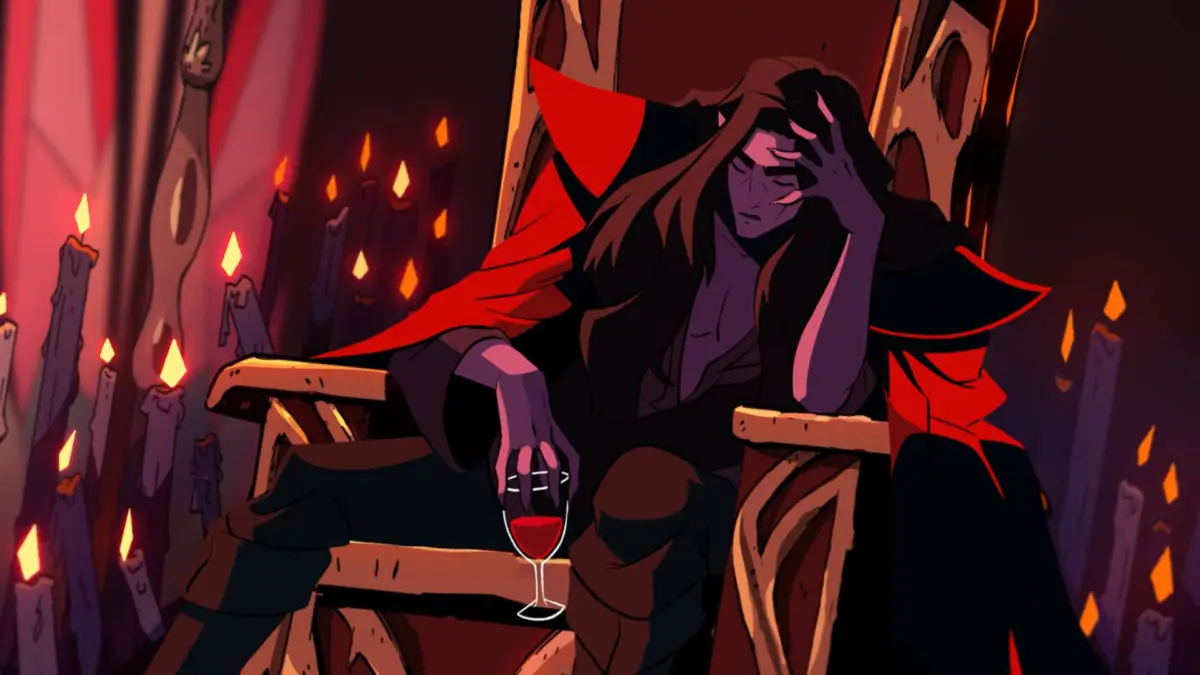
ReVamp is described by the studio as a "Tower Defensevania"—a hybrid genre that blends the strategic placement and resource management of tower defense games with the exploration and progression of a Metroidvania. This specific combination of mechanics is the studio’s "secret sauce," and the fear is that a public Steam build, which can be easily accessed and analyzed, provides bad actors with the blueprint needed to rush a similar product to mobile or PC storefronts.
A Growing Trend of Defensive Development
Digital Sun is not an isolated case; its decision reflects a broader trend of "defensive development" within the gaming industry. Just last week, Alliance Arts took the drastic step of canceling a Steam Next Fest demo for its upcoming title, Drunken Goddess Reflux. The studio voiced nearly identical concerns, stating that the ease of replicating gameplay presentation through AI tools made a public demo a liability rather than a marketing asset.
The gaming landscape is currently navigating a paradoxical era. While platforms like Steam provide unprecedented access to global audiences, they also expose small teams to predatory practices. The "Steam Next Fest," traditionally a celebration of upcoming talent, has become a double-edged sword. While it offers visibility, it also serves as a catalogue for entities looking to identify "trending" mechanics to copy. Reports have indicated that some AI-driven companies monitor these festivals to scrape data and recreate popular concepts with minimal human oversight.
Chronology of ReVamp Development and Testing
To understand the stakes for Digital Sun, it is necessary to look at the timeline of the project:
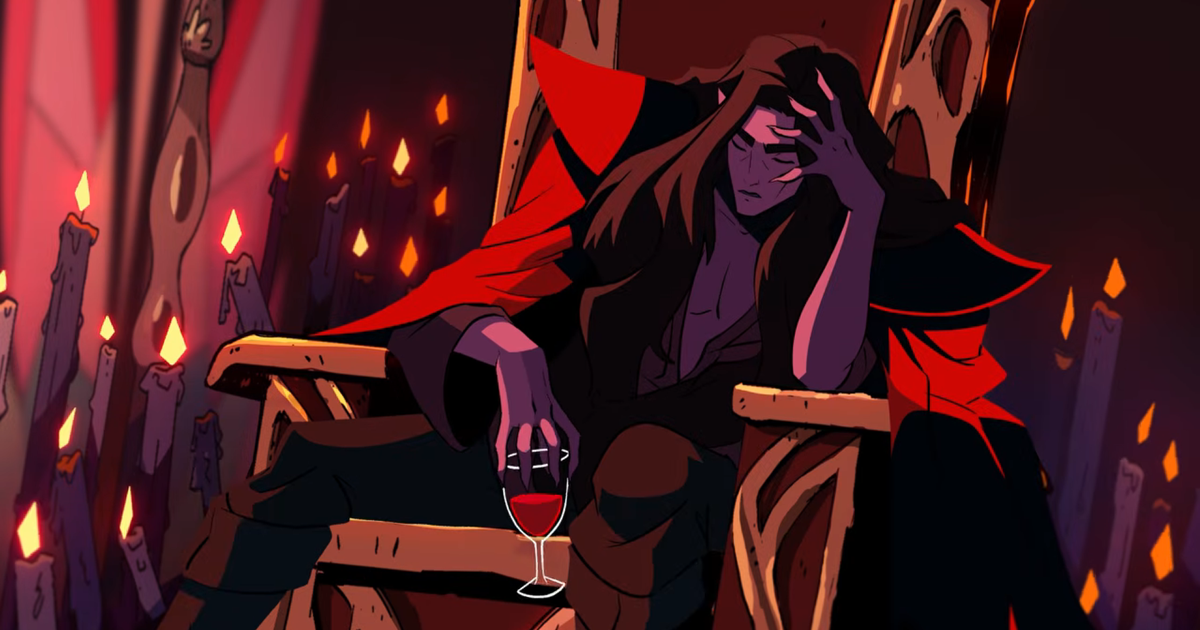
- Initial Reveal: ReVamp was introduced as a genre-bending project following the success of Cataclismo.
- Original Playtest Window: Late October 2024 (intended for Steam).
- Revised Discord Playtest: October 29, 2024 (limited, wave-based access).
- Anticipated Public Playtest: January 2025 (tentative).
- Full Launch Date: March 25, 2027.
The significant gap between the initial playtests and the 2027 release date underscores the studio’s vulnerability. With over two years of development remaining, a leaked or reverse-engineered build in late 2024 could give a cloning operation more than enough time to release a derivative product years before the official ReVamp debut.
The Role of Major Industry Players
The conversation surrounding AI in gaming is further complicated by the actions of industry giants. While indie studios are retreating to protect their intellectual property, corporations are leaning into the technology. Microsoft’s Xbox division recently announced the formation of a dedicated department focused on generative AI game-making. This department is reportedly exploring ways to use AI for everything from procedural world-building to coding assistance.
For indie developers, the disparity is stark. Large corporations have the legal infrastructure to defend their IP against clones, whereas small studios often lack the resources for protracted international copyright battles. When a major player like Xbox adopts AI, it signals a shift in the standard of production, potentially making it easier for automated tools to become a permanent fixture in the development pipeline—for better or for worse.
Implications for the Indie Ecosystem
The decision by Digital Sun to move its testing to Discord represents a shift toward "walled garden" communities. For years, the trend in game development has been toward transparency, with "Early Access" and open betas becoming the norm. However, if the threat of AI cloning persists, the industry may see a return to more secretive development cycles.
This shift has several potential consequences for the gaming community:
- Reduced Accessibility: Casual players who enjoy discovering new games through Steam’s interface may miss out on early testing opportunities if they are required to join specific Discord servers.
- Increased Community Engagement: By moving to Discord, Digital Sun is fostering a more dedicated, core community. This can lead to higher-quality feedback, as the testers are more likely to be invested in the studio’s long-term success.
- Slower Discovery: The lack of public demos could hurt the "viral" potential of indie games, as streamers and content creators often rely on easily accessible Steam demos to showcase new titles to their audiences.
Technical Analysis of Reverse Engineering Risks
Reverse engineering in the context of modern gaming involves decompressing and analyzing the game’s executable files and assets. When a developer uploads a build to Steam, even if it is a "playtest," the files reside on the user’s local machine. Sophisticated users can use de-compilers to view the underlying code, extract 2D/3D assets, and understand the logic governing game systems.
Generative AI accelerates this process by being able to ingest these extracted components and generate functional equivalents. For example, an AI model trained on game code can take a "Tower Defensevania" logic loop and rewrite it in a different programming language or for a different engine (such as moving from Unity to Unreal) in a fraction of the time it would take a human programmer. This "speed-to-market" is what Digital Sun and Alliance Arts are most concerned about.
Future Outlook for ReVamp
Despite the setbacks in its testing schedule, Digital Sun remains committed to the 2027 launch of ReVamp. The studio has asked for patience from its fanbase, emphasizing that these measures are necessary to ensure the game’s longevity and originality.
As the industry moves toward 2025, the tension between AI-assisted productivity and intellectual property protection is expected to escalate. Platforms like Valve (Steam) may eventually be pressured to implement more robust anti-cloning protections or stricter vetting processes for AI-generated content. Until then, the "Discord pivot" may become a standard maneuver for indie studios looking to shield their creative work from the rapid-response capabilities of generative AI.
Digital Sun’s proactive stance serves as a bellwether for the indie community. By prioritizing security over immediate reach, the studio is betting that a more controlled development environment will ultimately result in a more polished and unique product when ReVamp finally hits the market in March 2027. For now, the "Tower Defensevania" remains under wraps, accessible only to those within the studio’s inner circle, as the developers wait for the industry’s regulatory and technological landscape to stabilize.